The first time I made chicken liver pâté, I nearly swore it off forever. I overcooked the livers, the blender struggled, and what came out was more like grainy cement than a silky spread. But the second time? Game changer. I sautéed everything gently, added a splash of brandy, blitzed it until smooth, and chilled it. When I spread it on toast the next day — velvety, rich, and just the right amount of savory — I knew why this dish has survived centuries.
👉 Ever had one of those “fail the first time, fall in love the second” kitchen experiences?
Table of contents
Where It All Began
Pâté has been around for hundreds of years in France, where it was traditionally made with liver, herbs, and spices, sometimes baked in pastry. Over time, chicken liver pâté became a bistro favorite: luxurious but surprisingly simple. In fact, Queen Elizabeth was known to enjoy liver pâté at formal meals. You can read more about the history of pâté in Britannica’s entry on pâté.
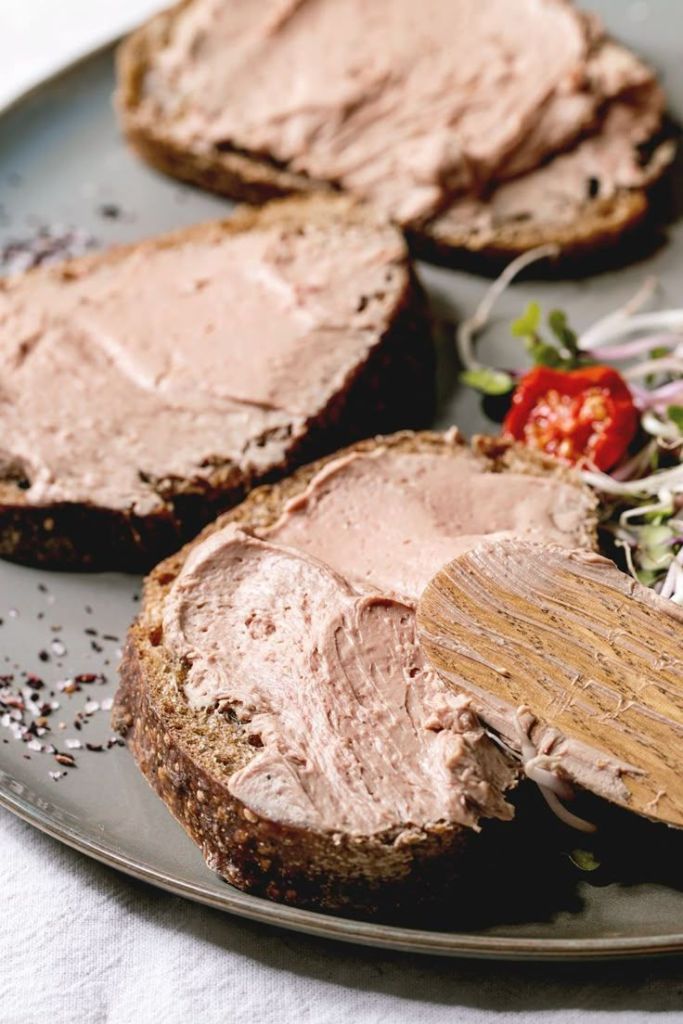
Recipe for Chicken liver pâté
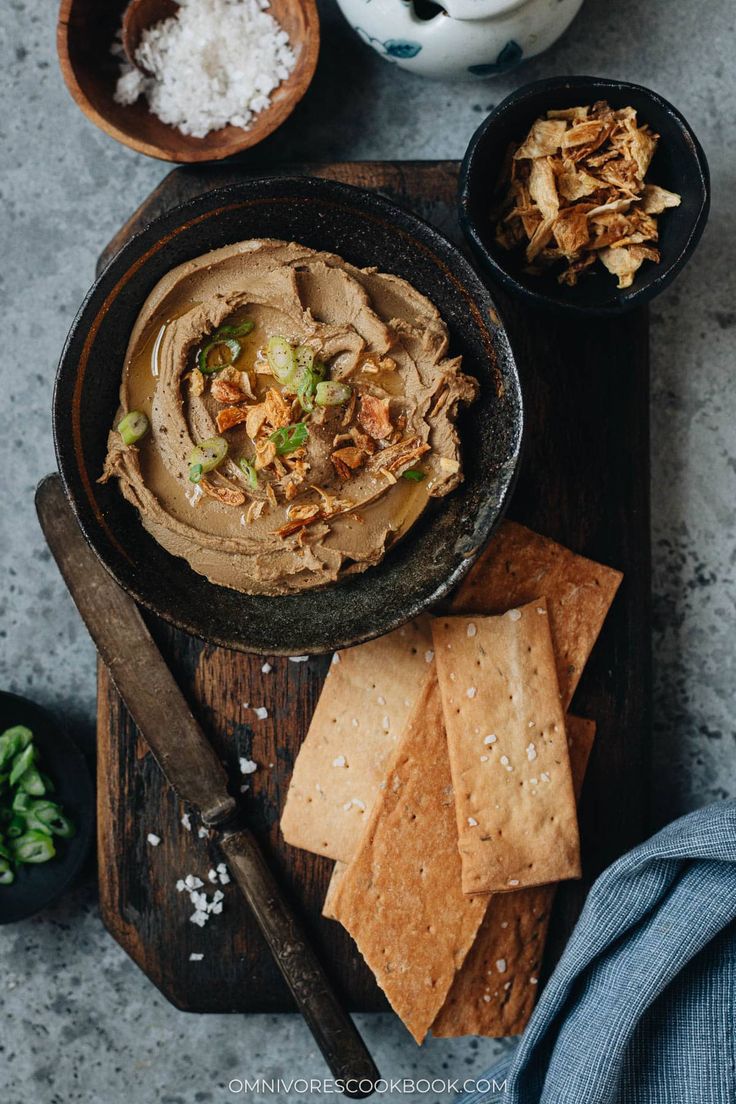
Hoe to make Chicken liver pâté recipe ?
Equipment
- Skillet or sauté pan
- Wooden spoon or spatula
- Blender or food processor
- Small saucepan (if sealing with butter)
Ingredients
- 500 g 1 lb chicken livers, trimmed and cleaned
- 150 g 10 tbsp unsalted butter, divided (plus 2–3 tbsp extra if sealing)
- 1 small onion finely chopped
- 2 garlic cloves minced
- 2 tbsp brandy or cognac optional, but adds depth
- 1 tsp fresh thyme leaves or ½ tsp dried thyme
- Zest of half a lemon
- Salt and freshly ground black pepper
Instructions
Prep the livers
- Trim any sinew or greenish bits from the chicken livers. This step is important for both texture and flavor, as leftover sinew can make the pâté taste bitter or grainy.
Cook the aromatics
- Melt 2 tablespoons of butter in a skillet over medium heat. Add the chopped onion and cook gently for about 5 minutes until softened and translucent. Stir in the garlic and cook for one more minute, just until fragrant.150 g 10 tbsp unsalted butter, divided (plus 2–3 tbsp extra if sealing), 1 small onion, 2 garlic cloves
Cook the livers
- Add the chicken livers to the pan in a single layer. Season generously with salt and pepper. Cook for 3–4 minutes on each side until browned on the outside but still slightly pink in the center. Overcooking will make the pâté grainy, so keep an eye on them.500 g 1 lb chicken livers, trimmed and cleaned, Salt and freshly ground black pepper
Add flavor and finish cooking
- Sprinkle in the thyme and lemon zest, then pour in the brandy. Let it bubble for 1–2 minutes so the alcohol cooks off and the liquid reduces slightly. Remove the pan from the heat.1 tsp fresh thyme leaves, Zest of half a lemon, 2 tbsp brandy or cognac
Blend until silky
- Transfer the entire mixture to a blender or food processor. Add the remaining butter in chunks. Blend on high until completely smooth, stopping once or twice to scrape down the sides. Taste and adjust seasoning with more salt or pepper if needed.
Chill and set
- Spoon the pâté into ramekins or small jars, smoothing the tops with a spatula. For longer storage, melt a few extra tablespoons of butter and pour over the top to seal. Refrigerate for at least 2 hours, or until firm.
Serve
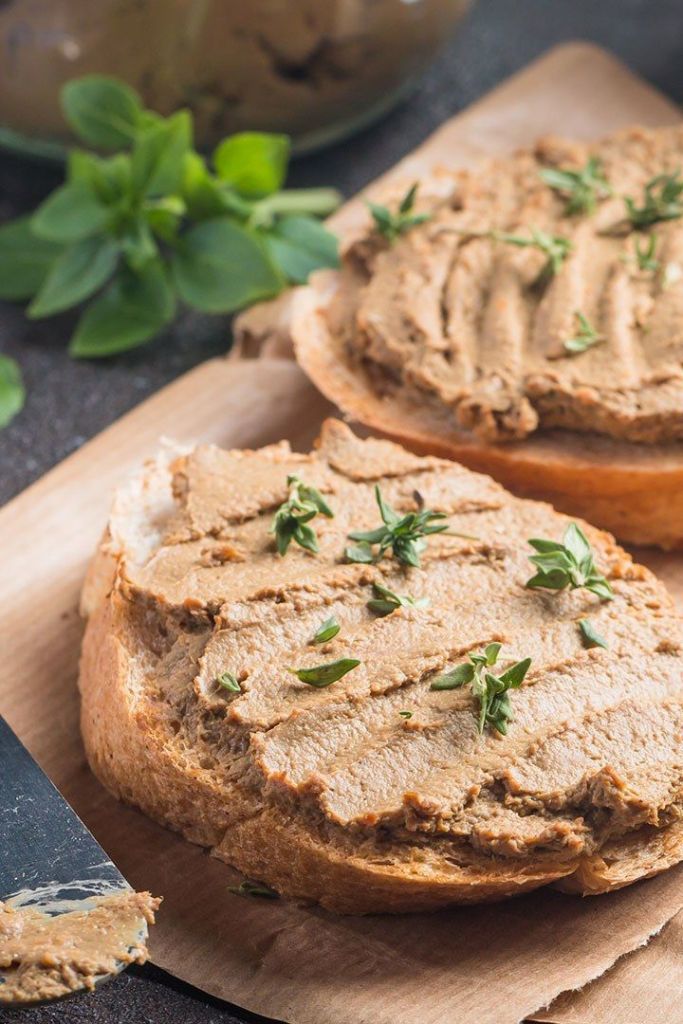
- Bring to room temperature before serving for the creamiest texture. Spread generously on toast or crackers, and add pickles or chutney for contrast.
Notes
- Cleaning livers: Soak trimmed livers in milk for 20 minutes before cooking to mellow out any bitterness.
- Texture check: If you want it ultra smooth, strain the blended pâté through a fine sieve before chilling.
- Make ahead: The pâté keeps for 5–7 days in the fridge if sealed with butter, and up to 3 months in the freezer.
- Serving tip: Always let it sit out for 10–15 minutes before eating so it spreads easily.
Nutrition
Variations of chicken liver pâté
There are endless ways to make chicken liver pâté your own. Some cooks like to add fresh parsley or rosemary for a herby lift, while others stir in a pinch of cayenne or chili flakes for gentle heat. If you want to brighten the richness, a squeeze of lemon juice or even a splash of sherry vinegar works beautifully. For a more rustic style, stop blending before it turns completely smooth so you have a little texture left.
Substitutes That Work
- No brandy? Use apple juice or stock.
- No butter? Olive oil makes it lighter (though less rich).
- No chicken livers? Duck or pork liver will give deeper flavor.
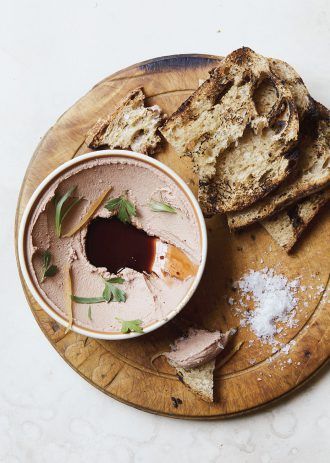
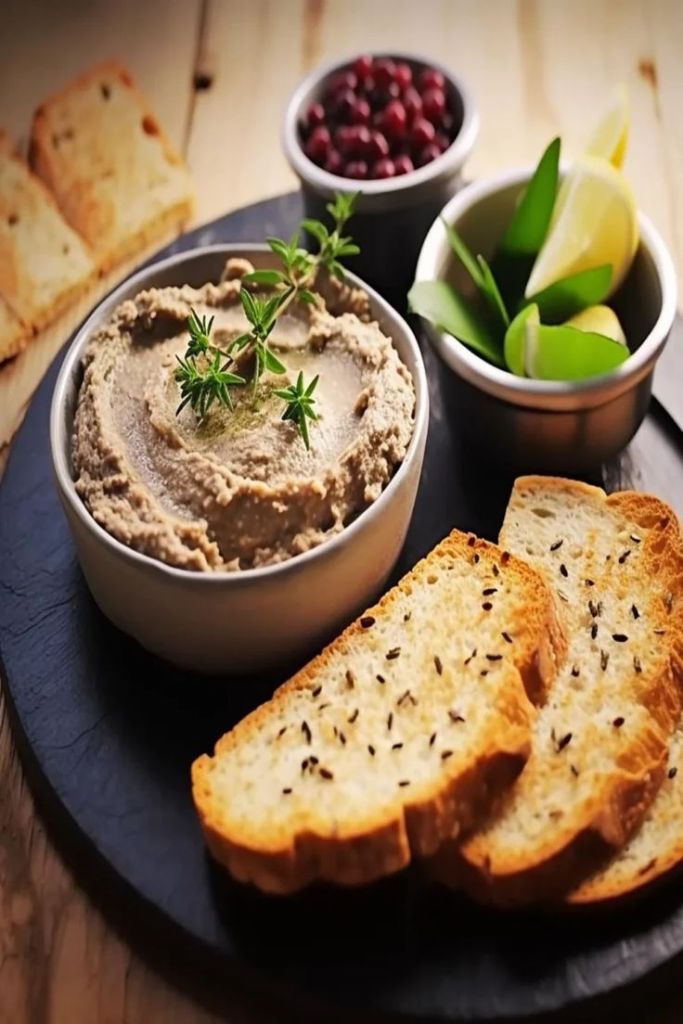
Pairings That Elevate chicken liver pâté
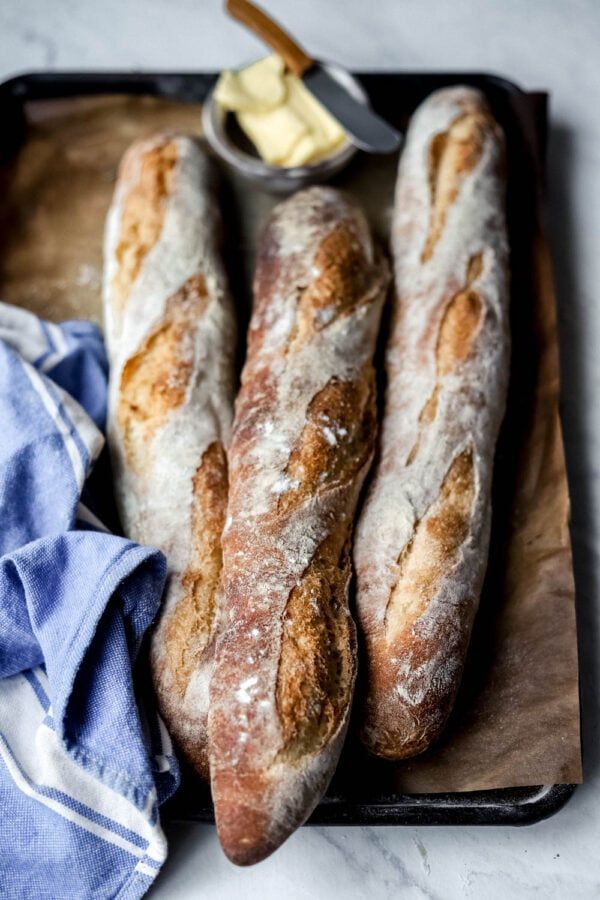
- Warm toasted baguette or sourdough slices
- Cornichons or pickled onions for tang
- A glass of crisp white wine or champagne
- Caramelized onions or fig chutney for sweetness
👉 If you had a choice — would you pair this with wine, or keep it rustic with pickles and bread?

Frequently asked questions
| Question | Answer |
|---|---|
| Why is my pâté grainy? | Overcooked livers or under-blended. Cook gently and blend longer. |
| Can I freeze pâté? | Yes, up to 3 months. Best fresh, though. |
| How long does it last in the fridge? | 5–7 days if sealed well. |
| What’s the purpose of sealing with butter? | It prevents air from spoiling the pâté. |
| Do I have to use alcohol? | No — stock, juice, or vinegar work fine. |
| Can I serve it warm? | Traditionally chilled, but yes — slightly warm on toast is delicious. |
| Why does it taste bitter? | Livers weren’t cleaned well. Trim veins and soak briefly in milk before cooking. |
| What if it’s too loose? | Chill longer; butter firms it up. |
| Can I make it lighter? | Use half butter, half olive oil, or replace cream with yogurt. |
| What sauces pair well? | Fruit chutneys (fig, apricot, cranberry) or balsamic glaze. |
Wrapping It Up
Chicken liver pâté is one of those recipes that looks fancy but is surprisingly quick and inexpensive to make. It works as a dinner party starter, a picnic spread, or even a snack with a glass of wine at the end of the day. Once you’ve tried it, you’ll probably find yourself keeping a jar in the fridge just for “emergencies.”
Would you make this for guests, or keep it as your personal midnight snack?

Must try recipe