The first time I made chicken mille feuille, I thought it would be simple. Thin chicken, pastry sheets, neat stacking, into the oven. What came out was a lesson in humility. The bottom was soggy, the top overbrowned, and when I sliced it, the layers slid like a badly built sandwich.
That’s when I understood something important. Chicken mille-feuille is not difficult, it is technical. It demands moisture control, precision layering, and proper oven management.
Before you dive in, if you want the full step-by-step method, ingredients, and exact measurements, make sure to check my detailed chicken mille-feuille recipe alongside this troubleshooting guide.
This FAQ will help you avoid the most common mistakes and get restaurant-level results at home.
What Is Chicken Mille-Feuille?
Mille-feuille means “a thousand layers” in French. Traditionally, it refers to a layered puff pastry dessert filled with cream. In this savory adaptation, thin slices of seasoned chicken are layered with cooked fillings and puff pastry to create a crisp, structured, elegant dish.
The goal is simple but delicate:
Crisp pastry
Juicy chicken
Defined layers
Clean slices
If your version feels heavy, soggy, or messy, the issue almost always comes down to moisture management.
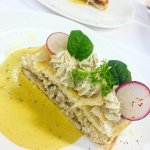
Chicken Mille-Feuille vs Classic Mille-Feuille
Many readers confuse the two, so here is a quick comparison.
| Feature | Classic Mille-Feuille | Chicken Mille-Feuille |
|---|---|---|
| Type | Dessert | Savory main dish |
| Filling | Pastry cream | Chicken + savory filling |
| Moisture control | Cream stability | Filling dryness |
| Structure risk | Cream leakage | Soggy base or sliding layers |
| Baking focus | Crisp pastry | Even protein cooking |
Both rely on crisp pastry and precise layering. The savory version adds protein management into the equation, which makes it slightly more complex.
Full FAQ: Chicken Mille-Feuille Problem Solving
Before that check out the exclusive recipe on chicken mille feuille.

Why Is My Pastry Soggy?
This is the most common complaint.
It happens because:
- Filling was too wet
- Chicken released liquid
- Oven was not fully preheated
- Dish sat too long before baking
To fix it:
- Always pre-cook and cool fillings
- Lightly sear chicken before layering
- Preheat oven to 200°C fully
- Avoid thick, watery sauces
Dry filling equals crisp pastry.
Why Is My Chicken Dry?
Dry chicken usually means:
- Overbaking
- Using very thin breast slices
- Oven too hot
- No resting time
Slice chicken evenly, about ½ cm thick. Remove from oven once pastry is golden and allow it to rest for at least 10 minutes before slicing.
Should I Use Chicken Breast or Thigh?
Chicken breast is better for clean, defined layers. It slices evenly and holds shape well.
Chicken thigh is more forgiving and flavorful but can make stacking less precise.
For elegant presentation, breast works best. For richer taste, thigh is ideal.
Do I Need to Pre-Cook the Chicken?
Yes, lightly.
Raw chicken releases moisture while baking. A quick sear prevents excess liquid and helps maintain structure.
Layering fully raw chicken increases the risk of soggy pastry and uneven cooking.
Why Do My Layers Slide When Slicing?
This usually happens because:
- You cut it too soon
- Layers were overfilled
- Chicken slices were uneven
- Filling was too thick
Always let the mille-feuille rest after baking. Use a sharp serrated knife and cut gently downward, not sideways.
Why Is the Top Burnt but Inside Undercooked?
Likely causes:
- Oven too hot
- Rack too high
- Layers too thick
Bake on the middle rack at 190 to 200°C. Avoid stacking excessively thick layers.
What Fillings Work Best?
The best fillings are low moisture and fully cooked.
Good choices:
- Spinach, squeezed dry
- Mushrooms, sautéed until water evaporates
- Caramelized onions
- Light cheese layer
Avoid heavy cream sauces or raw vegetables.
Can I Prepare It in Advance?
You can prepare components ahead:
- Cook and cool filling
- Slice and season chicken
- Cut pastry sheets
Assemble close to baking time to preserve crispness.
How Do I Get Clean, Professional Slices?
Resting is key.
Let the dish rest 10 minutes after baking. Use a serrated knife and wipe it clean between cuts.
Structure improves dramatically with patience.
What Temperature Is Best?
Bake at 200°C (390°F).
This ensures:
- Pastry puffs properly
- Chicken cooks evenly
- Layers remain defined
Too low makes pastry limp. Too high burns the top.
Why Does My Mille-Feuille Feel Heavy?
Common causes:
- Too much cheese
- Thick chicken slices
- Overloaded layers
Keep layers thin and balanced. Mille-feuille should feel refined, not bulky.
Can I Make It Healthier?
Yes.
- Use lean chicken breast
- Reduce cheese
- Increase vegetable ratio
- Control portion size
It can be indulgent yet balanced.
Related Tips for Better Results
To improve your final outcome:
- Trim pastry edges neatly for uniform puffing
- Keep layers consistent in size
- Avoid pressing layers too tightly
- Test one small section if unsure about seasoning
Small details make a big difference in this dish.
Final Pre-Bake Checklist
Before baking, confirm:
Filling is dry and cooled
Chicken is evenly sliced
Oven is fully preheated
Layers are not overloaded
If all are correct, your chicken mille-feuille will hold beautifully.
Final Thoughts
Chicken mille-feuille is elegant but unforgiving if rushed. It rewards patience, structure, and thoughtful layering. Once you master moisture control and resting time, it becomes one of the most impressive savory dishes you can serve.
For full measurements and step-by-step cooking instructions, make sure to check the complete chicken mille-feuille recipe to pair with this guide.
Would you serve this for a dinner party centerpiece or keep it as your signature weekend project?