What is Cloves ?
Cloves are one of the important spice in the cooking and baking world which has significant role in flavoring the dishes and also has various health benefits.
It has a strong flavor, hot and pungent taste and used to flavor many dishes in culinary and bakery products and also used raw form in terms of health cooking.
Table of contents
- What is Cloves ?
- Origin
- Healthy benefits of cloves
- Varieties and characteristics
- Pairings With cloves
- Savory Pairings
- Sweet Pairings
- Beverage Pairings
- Ingredient Pairing Table
- Frequently asked questions
Origin
Cloves are grown in India and Madagascar, but Indonesia is most closely associated with the production of cloves.
Indeed, so lucrative was the clove trade originating in an island chain once known as the Spice Islands (now part of Indonesia), that in 1667, following the Second Anglo-Dutch War, the British ceded the islands to the Dutch in exchange for a faraway settlement then known as New Amsterdam. Thus did the Dutch swap Manhattan for cloves.

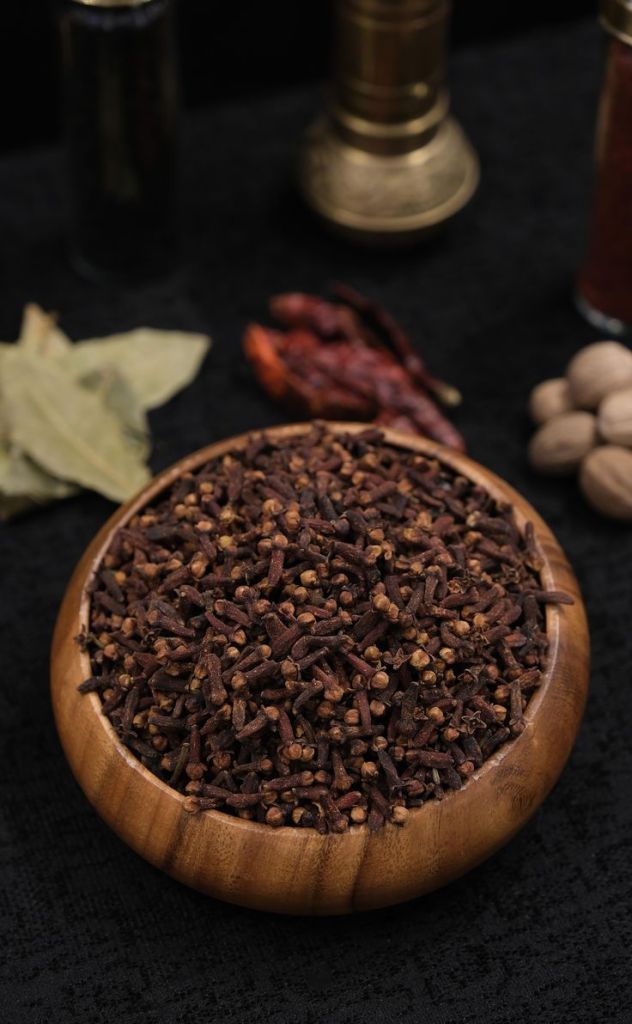
How to Use Cloves in Cooking
- Savory Dishes: Add to curries, stews, or rice for a bold, earthy flavor.
- Baking: Enhance cookies, cakes, and holiday desserts with a hint of spice.
- Beverages: Infuse your tea, cider, or mulled wine with cloves for a warming twist.
- Pickling and Sauces: A key ingredient in spice blends for pickles and chutneys.
Cloves in Herbal Remedies
- Use clove oil to relieve toothaches or as a massage oil for muscle pain.
- Brew clove tea for soothing sore throats and colds.
- Combine with honey and turmeric for an immunity-boosting elixir.
Healthy benefits of cloves
- Effective in treating gum disease
- Aids digestion
- Contains anti-cancer & anti-mutagenic properties
- Boosts immune system
- Reduces inflammation
- Effective in treating pain
- Provides relief from headaches
- Helps to control blood sugar levels
- Protects against liver infections
- Aids in the preservation of bone density
- Effective against bacterial infection
Storage of cloves
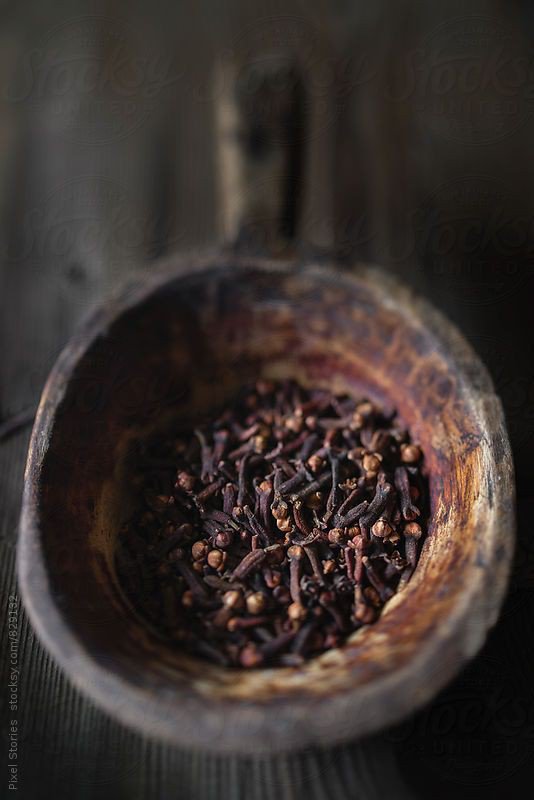
Cloves should be stored in a airtight container and should be stored in dry place. Whole cloves can be stored up to a year without losing its potency or pungent flavor whereas ground or crushed cloves are most likely to be oxidized and has less shelf life of 3 months.

Varieties and characteristics
There are no specific varieties of cloves been cultivated through our India. Although India has huge production on cloves Indonesia claims its first place with it’s clove production.
There are three common varieties described are based on prominent appearance and taste.
Amboyan : These are the varieties with huge size, piquant and more fragrant cloves. These cloves are not much of a versatile cloves used through cooking, cosmetics, heath etc.
Penang : This is the most common cloves used widely through out world wide and they look like slightly red colored tone and has a pungent flavor which makes it unique in culinary uses.
Zanzibar : These cloves are more modest and more slender when contrasted with the Penang cloves and has a dark earthy colored tone. This excellent clove functions as a delightful zest in flavorful and sautéed dishes.
Want to know more about other spices or herbs, check out the spices and herbs to make yourself culinary master.


Pairings With cloves
Cloves are warm, sweet, slightly bitter, and intensely aromatic. Because they’re strong, they work best when balanced with richness, sweetness, or acidity.
Savory Pairings
Cloves pair beautifully with:
- Lamb and mutton (especially in slow-cooked curries and biryani)
- Beef stews
- Roasted chicken
- Rice dishes like pulao and biryani
- Caramelized onions
- Garlic and ginger
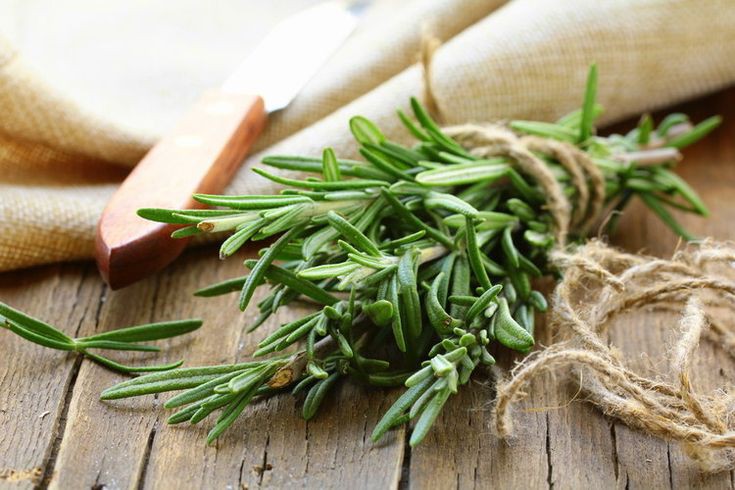
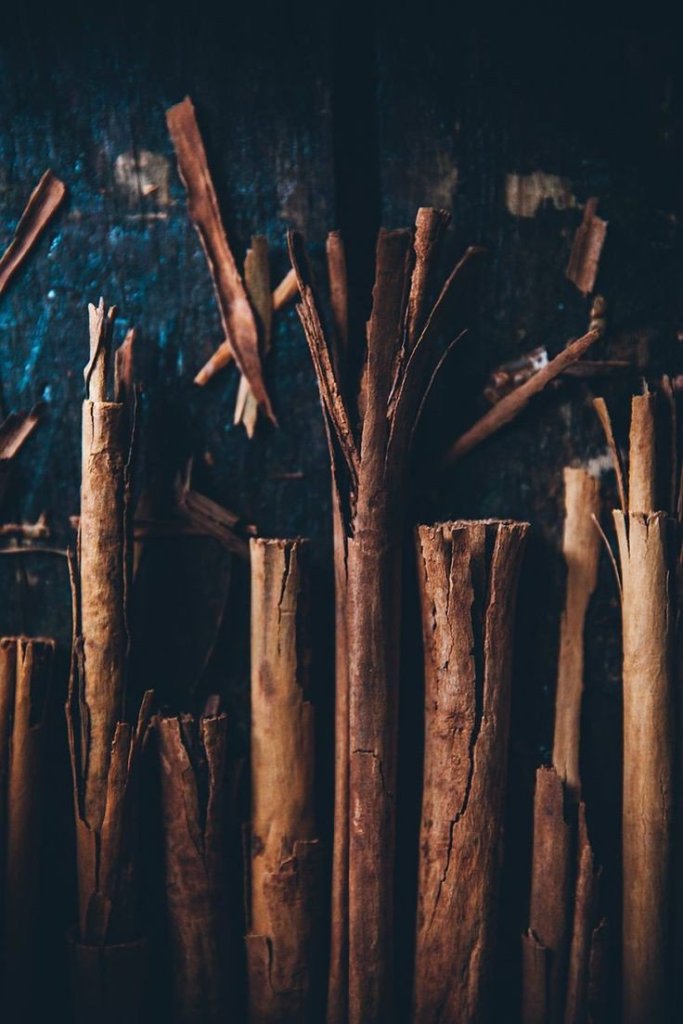
- Bay leaves and cinnamon (classic warm spice combo)
They shine in slow cooking where their flavor gently infuses rather than overwhelms.
Sweet Pairings
Cloves are fantastic in desserts and drinks when used lightly.
They pair well with:
- Apples (apple pie, compote, cider)
- Pears
- Pumpkin
- Carrots (especially in carrot cake)
- Chocolate (deepens flavor subtly)
- Honey and brown sugar
In baking, cloves add warmth and depth — especially in winter desserts.
Beverage Pairings
Cloves are commonly used in:
- Masala chai
- Mulled wine
- Spiced cider
- Herbal teas
- Spiced coffee
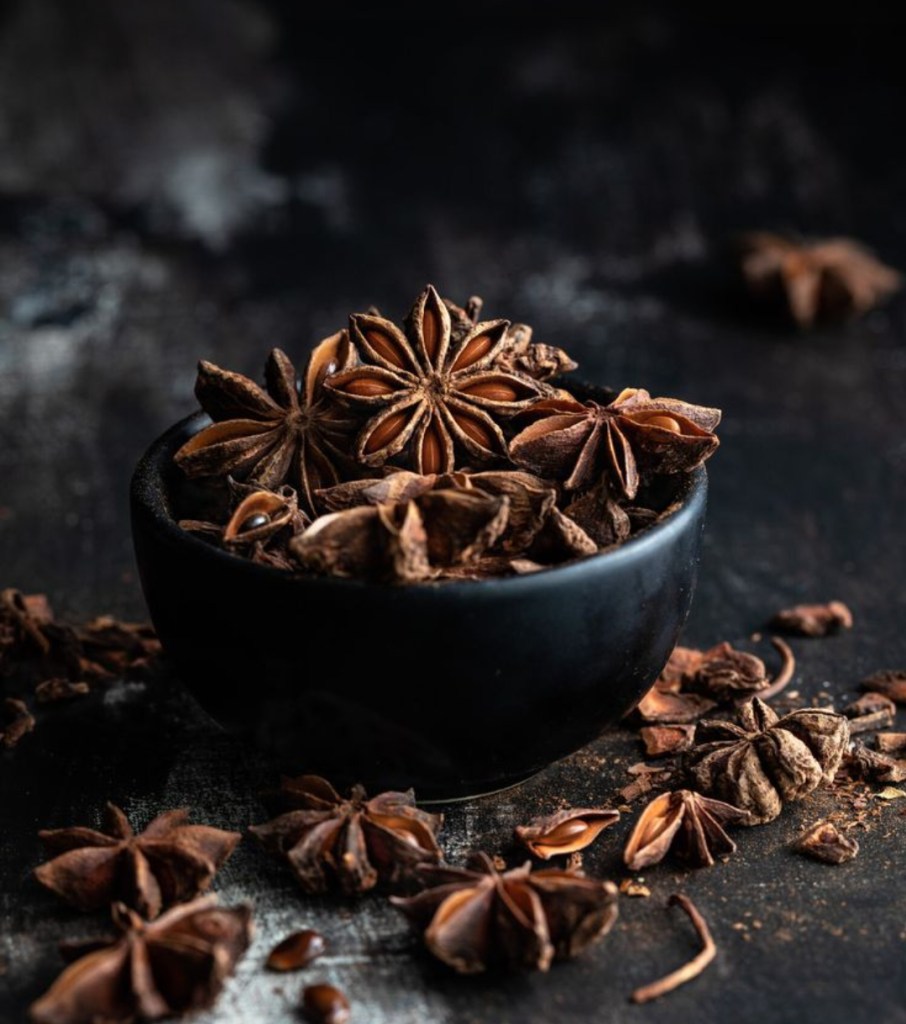
They blend beautifully with cinnamon, cardamom, star anise, and nutmeg.
Ingredient Pairing Table
| Ingredient | Why It Works |
|---|---|
| Cinnamon | Enhances warmth and sweetness |
| Cardamom | Adds aromatic balance |
| Nutmeg | Deepens spice profile |
| Ginger | Brightens and cuts bitterness |
| Orange zest | Adds freshness |
| Brown sugar | Softens sharp edges |
| Red wine | Absorbs and rounds the spice |
Frequently asked questions
What do cloves taste like?
Cloves have a strong, warm, sweet, and slightly bitter flavor with a numbing effect. They are highly aromatic and should be used in small amounts.
Can you use ground cloves instead of whole cloves?
Yes, but use less. Ground cloves are more concentrated. If a recipe calls for whole cloves, start with a small pinch of ground cloves and adjust carefully.
Are cloves healthy?
Cloves contain antioxidants and have antimicrobial properties. They’ve traditionally been used for digestion and oral health. However, they should be consumed in moderation.
How much clove should I use in cooking?
Cloves are potent. Often 1–3 whole cloves are enough for a dish serving 4–6 people. For ground cloves, use about ⅛ to ¼ teaspoon depending on the recipe.
Can cloves be eaten whole?
Whole cloves are usually used for infusion and then removed before serving. They are very strong and not pleasant to bite into directly.
How should cloves be stored?
Store cloves in an airtight container in a cool, dark place. Whole cloves stay fresh longer than ground cloves.