Espagnole Sauce: The Elegant Backbone of Deep, Meaty Flavors
Imagine a sauce that’s been simmered slowly, whispering rich secrets of roasted bones, caramelized vegetables, and the warm hug of slow-cooked love. That’s Espagnole sauce — not flashy like its cousin Béchamel, not buttery like Hollandaise, but soulful, intense, and deeply comforting. It’s the sauce that stands tall on a cold winter plate, ideally with a roast and a good story.
Table of contents
- 🧅 What Is Espagnole Sauce?
- Origin of Espagnole sauce
- 🥕 Ingredients: What Goes Into This Dark Delight?
- Making Espagnole sauce the Classic Way
- What Makes Espagnole sauce Different from Other Sauces?
- Famous Sauces Born from Espagnole sauce
- What to Pair It With
- Storage Tips
- ❓ Common Mistakes to Avoid
- Frequently asked questions
🧅 What Is Espagnole Sauce?
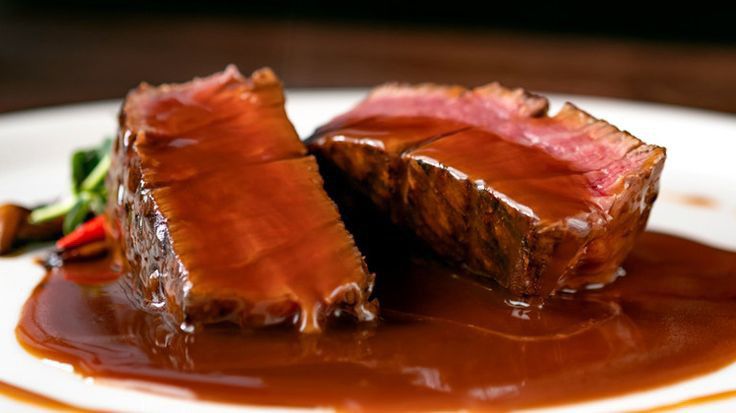
Espagnole is the foundation of serious meat sauces — a dark brown sauce built from a roux, browned vegetables, tomato paste, and rich beef or veal stock. It’s one of the five French “mother sauces”, and mother, she is! This sauce births so many luxurious companions like demi-glace, Bordelaise, Chasseur, and more.
It’s not something you whip up last-minute. Espagnole is for days when you want to put your apron on with purpose, pour yourself a glass of red, and build a sauce that’s got depth, aroma, and layers.
Origin of Espagnole sauce
The origin of Espagnole sauce dates back to the 17th century in France, where it became one of the foundational sauces of classic French cuisine. The name Espagnole literally means Spanish, which might seem a bit confusing at first — why would a French sauce have a Spanish name?
Why is it called “Espagnole”?
There are a couple of tasty theories:
- Spanish Influence at the French Court: During the reign of Louis XIII, he married Anne of Austria, who was actually a Spanish princess. Along with her came Spanish chefs and ingredients — especially tomatoes, which were being used in Spanish cuisine long before the French embraced them.
- The Tomato Connection: Tomatoes weren’t originally a French staple, but they became more popular thanks to Spanish culinary influence. Since tomato paste is one of the key ingredients in Espagnole, the sauce may have been dubbed Espagnole to reflect this new, exotic addition.
- Culinary Fusion: Like all great things in food history, Espagnole may simply be the result of cross-cultural flavor fusions — a French technique married to Spanish flavors.
Over time, Espagnole became one of the five “mother sauces” in Auguste Escoffier’s famous culinary system — forming the base for dozens of classic French brown sauces used in haute cuisine and beyond.
So, while born in France, Espagnole sauce definitely has a touch of Spanish flair in its DNA! 💃🍷
🥕 Ingredients: What Goes Into This Dark Delight?
Here’s what you’re gathering for this beauty:
- Butter or beef fat – for a strong, savory base
- Flour – to make a roux that thickens and deepens the color
- Mirepoix – a mix of finely chopped onions, carrots, and celery
- Tomato paste – adds depth and a slight tang
- Brown stock – traditionally veal or beef, deeply roasted and simmered
- Bouquet garni – a tied bundle of herbs like bay leaf, thyme, and parsley
- Optional flavor boosters – garlic, wine, mushrooms, roasted bones
Every element has a role to play — no ingredient here is just for show.
Making Espagnole sauce the Classic Way
Set aside about an hour. Light some jazz. It’s not a quick sauce — it’s a ceremony.
Step 1: Start with the Roux
Melt 2 tablespoons of butter in a heavy saucepan. Add 2 tablespoons of flour and cook, stirring constantly, until the roux turns a dark golden brown — think walnut-colored. This takes about 6–8 minutes and sets the stage for flavor.
🔥 Pro tip: Keep stirring. Roux can burn in seconds once it gets hot.
Step 2: Add the Mirepoix
Toss in ½ cup chopped onions, ¼ cup chopped carrots, and ¼ cup chopped celery. Cook until the vegetables are soft and lightly browned, around 10 minutes. This adds caramelized sweetness and balance.
Step 3: Stir in Tomato Paste
Add 2 tablespoons of tomato paste. Stir and let it cook for 2–3 minutes. The goal is to remove the raw tomato taste and deepen its color and sweetness.
Step 4: Pour in the Stock
Gradually add about 3 cups of brown stock, stirring constantly to prevent lumps. Add your bouquet garni, a crushed garlic clove if you’d like, and a splash of red wine (optional but glorious).
Homemade Beef stock recipe

Step 5: Simmer, Slowly
Bring everything to a gentle boil, then reduce the heat and let it simmer, uncovered, for 45–60 minutes. Stir occasionally and skim off any foam or fat that rises.
Step 6: Strain and Serve
Remove the bouquet garni and strain the sauce through a fine sieve. What’s left is a smooth, velvety brown sauce with a depth of flavor that tastes like time and patience.

How to make French Brown sauce ?
most widely used basic mother sauces. Demi-glaze is a derivative of brow stock and is
widely used for the preparation of other brown sauce derivatives
Equipment
- Heavy-bottomed Saucepan or Stockpot
- Sauté Pan / Skillet
- Whisk
- Fine Mesh Strainer or Chinois
Ingredients
Brown stock
- 350 g Lamb or beef bones
- 1 l Water
- 50 g Onions
- 25 g Carrot
- 20 g Celery
- 15 g Leeks
- Bouquet Garni in a small cloth, add thyme, parsley, peppercorns, rosemary all fresh and make it knot to drop it in the stock.
Brown roux
- 20 g Flour
- 20 g Butter
Brown sauce or Espagnol sauce
- 400 ml Brown stock
- 40 g Brown roux
- 20 g Tomato puree
- As required Salt
- Optional Vegetables, Big chunks Onions, carrot, celery
Instructions
Brown stock
- In a pan or stockpot add the bones and roast in oven for about 20 minutes at 200 degree Celsius.
- In another pan roast all the vegetables, add some tomato puree around 2 tbsp in oven for 10 minutes.
- Once roasted the bones , add the roasted vegetable and add water let it simmer for 2 to 6 hours. Add the bouquet garni. Once in a while remove the scum or dirt that flows on top of the water.
- Strain and store in refrigerator for up tp 3 months.
Brown roux
- In a heavy-bottomed saucepan, melt the butter or beef fat over medium heat.
- Whisk in the flour, stirring constantly.
- Cook this roux until it turns a medium brown color (about 3-5 minutes), with a nutty aroma.🔥 Don’t rush this step! The darker the roux, the richer the flavor.
Brown sauce
- Add the vegetables and roast for 7-10 minutes until nicely brown but not burnt.
- Mix in the tomato paste, coating the vegetables and allowing it to caramelize slightly (about 2–3 minutes).
- Slowly pour in the strained brown stock, whisking constantly to avoid lumps. Scrape the bottom of the pan to release all those delicious brown bits!
- Simmer uncovered for about 45 minutes to 1 hour, stirring occasionally.
- The sauce should reduce and thicken slightly. Skim off any fat or scum from the top during this process.Keep an eye on the consistency — it should coat the back of a spoon.
- Once thickened and flavorful, remove the bouquet garni.Strain the sauce through a fine mesh sieve to get a smooth, velvety texture (optional, but chef-level).
- Taste and adjust seasoning with salt and pepper. Don’t overdo it — especially if you plan to reduce it further into demi-glace or use it as a base sauce.
Notes
- Store in the fridge for up to 5 days
- Freeze in small portions for up to 3 months
- Always reheat gently over low heat while stirring to maintain texture
What Makes Espagnole sauce Different from Other Sauces?
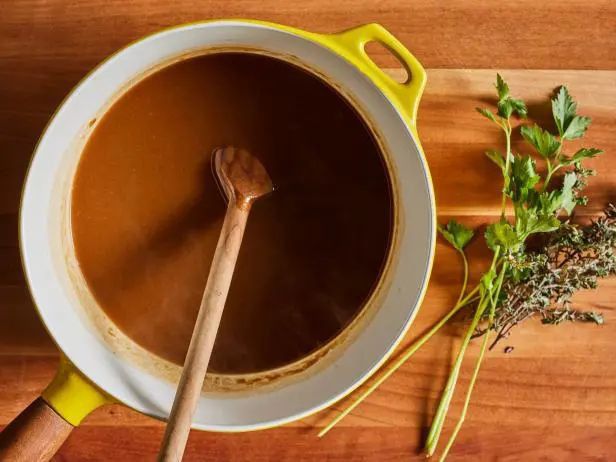

- It’s not thickened with cream or butter like others — it’s hearty, not delicate.
- It’s not just a gravy. Gravy is a quick pan sauce; Espagnole is a symphony.
- It’s a base, not a finish. You can serve it as-is, but it’s most often transformed into even deeper sauces.
Famous Sauces Born from Espagnole sauce
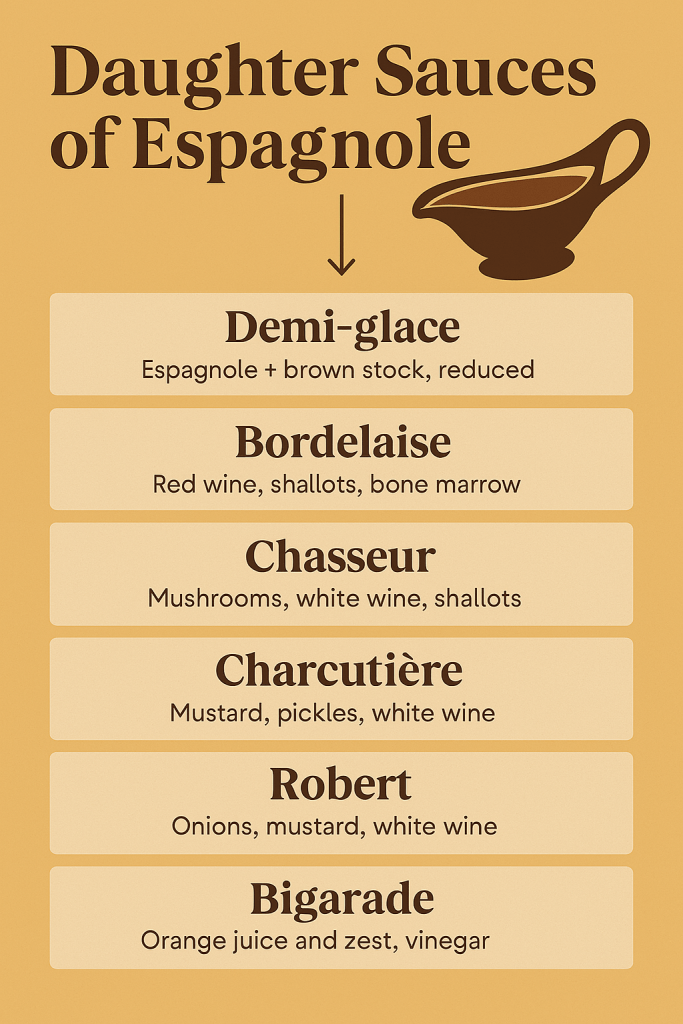
Espagnole is the matriarch of some fancy French daughters. Here are a few to know and love:
- Demi-glace – equal parts Espagnole + brown stock, reduced until luscious
- Bordelaise – with red wine, shallots, and bone marrow
- Chasseur – with mushrooms, white wine, and shallots
- Robert sauce – with mustard and onions
- Bigarade – with orange juice and zest for duck
What to Pair It With
This is not your salad dressing. Espagnole pairs with bold, hearty mains:
- Roasted lamb or beef
- Braised short ribs
- Filet mignon
- Duck breast
- Wild game
- Grilled portobello mushrooms (if going veg-forward)
You can even drizzle it over mashed potatoes or root veggie purees for a cozy, wintery vibe.
Storage Tips
Espagnole sauce is meal-prep friendly:
- Fridge: 5–6 days in an airtight container
- Freezer: Up to 3 months (freeze in portions for sauce-on-demand)
- Reheat gently over low heat with a splash of stock or water
❓ Common Mistakes to Avoid
- Boiling too hard – this can break the emulsion and mute the flavor
- Rushing the roux – take your time to toast that flour
- Skipping the straining step – it’s not optional; it’s what makes the sauce smooth
- Using watery stock – the sauce is only as good as your base. Rich stock = rich sauce
Frequently asked questions