- Your Ultimate Guide to the Creamiest, Tastiest Paneer Ever!
- Paneer Love: Why Make It at Home?
- Table of contents
- Paneer Hacks for Perfection!
- Variations: Beyond the Basics!
- Substitutes
- Difference between Cottage cheese and paneer
- Festivals & Events
- Homemade paneer recipe
- Fun Paneer Facts You’ll Love!
- Why Making Paneer at Home is a Game-Changer!
- Frequently asked questions
- Final Thoughts
Your Ultimate Guide to the Creamiest, Tastiest Paneer Ever!
Paneer Love: Why Make It at Home?
If you’ve ever cooked with paneer, you know the struggle—sometimes it’s too crumbly, sometimes too rubbery, and other times, it just lacks that creamy goodness you crave. But what if I told you that you could make the best paneer at home, customized to your liking? No more store-bought, dry cubes—just fresh, rich, and melt-in-your-mouth goodness!
Paneer is a staple in Indian kitchens, but did you know that this humble dairy delight has made its way into international cuisine too? From spicy curries to stuffed parathas, from desserts to fusion dishes—paneer does it all. And the best part? With a few hacks, you can take it to the next level!
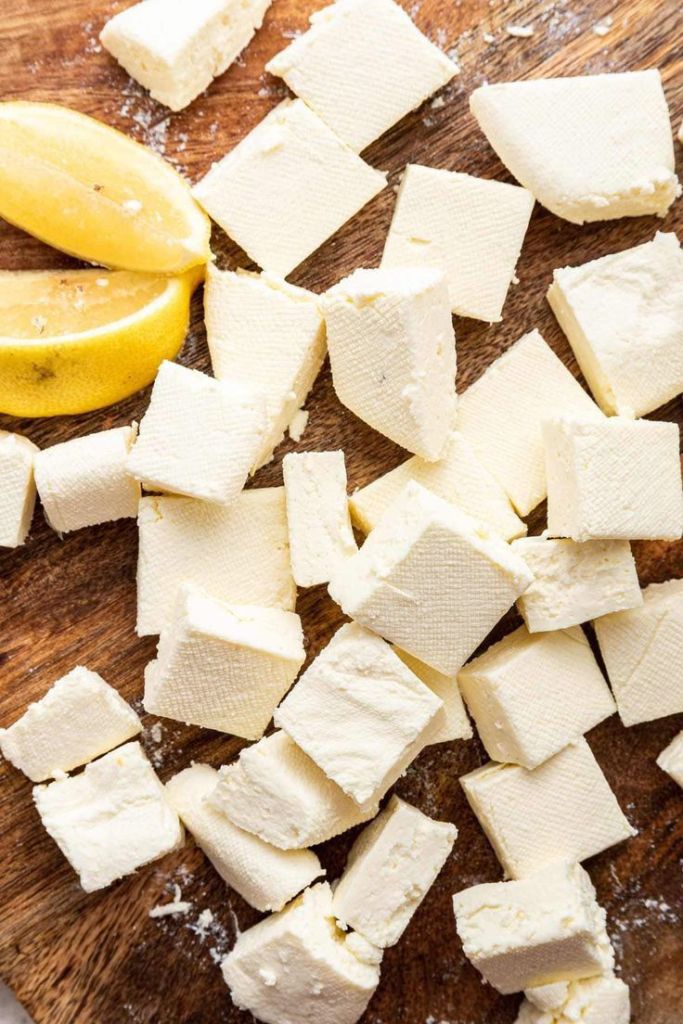
Are you keen on learning about the origin and how paneer was evolved brough into the Indian cuisine and world wide and health benefits of Paneer, Check out the guide made on what is and health benefits of paneer.
Table of contents
- Paneer Hacks for Perfection!
- Variations: Beyond the Basics!
- Substitutes
- Difference between Cottage cheese and paneer
- Festivals & Events
- Homemade paneer recipe
- Fun Paneer Facts You’ll Love!
- Why Making Paneer at Home is a Game-Changer!
- Frequently asked questions
- Final Thoughts
Paneer Hacks for Perfection!
1. The Secret to Soft & Creamy Paneer
- Use full-fat milk for the richest, creamiest texture. The more fat, the softer your paneer will be.
- Always bring milk to a gentle boil, then add an acid (lemon juice, vinegar, or curd) to separate the whey.
- Strain carefully—if you press too hard, you’ll end up with a dense, rubbery paneer.
2. Flavor-Infused Paneer – Why Stick to Plain?
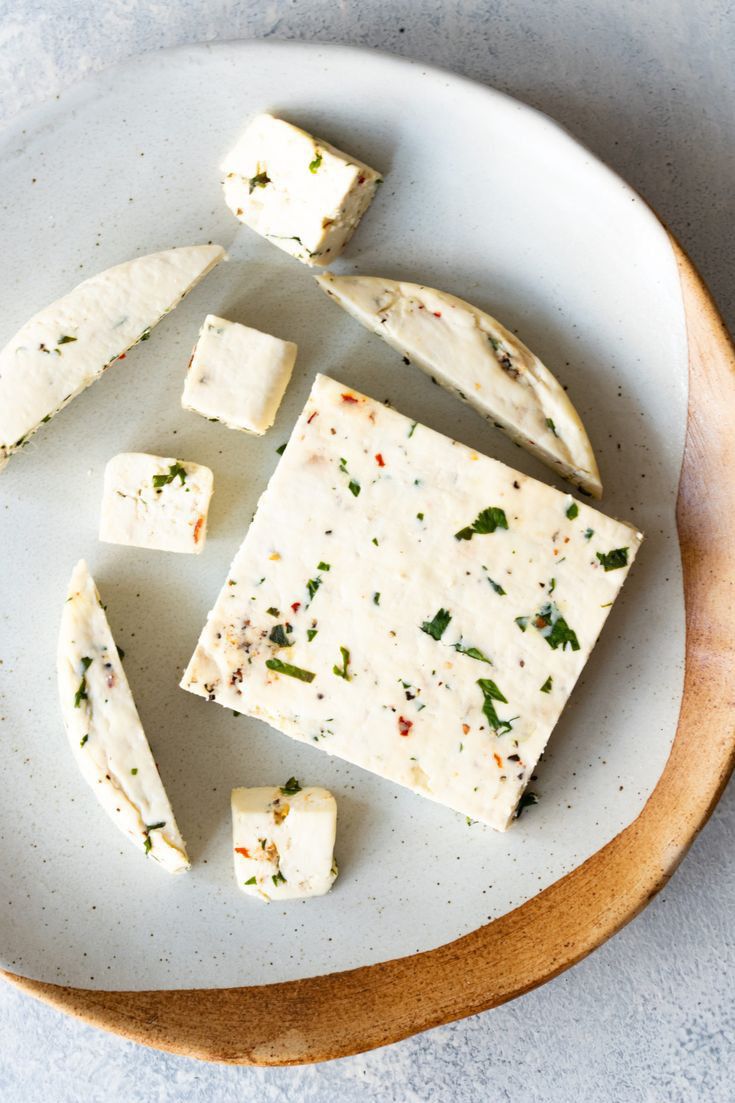
- Herb Paneer: Add chopped coriander, mint, or basil while setting the paneer.
- Spicy Paneer: Mix chili flakes or black pepper into the curdled milk for a spicy kick.
- Garlic-Infused Paneer: Crush a garlic clove and mix it in while curdling.
- Saffron Paneer: A touch of saffron in warm milk before curdling gives a luxurious taste—perfect for desserts!
3. Paneer That Doesn’t Crumble!
- Once strained, knead the paneer gently before pressing it into a block.
- Let it rest under a light weight (500g max) for 30 minutes—this ensures firmness without turning it into a brick.
4. Quick Set Paneer for Instant Cooking
- If you’re in a hurry, set the paneer in ice-cold water for 10 minutes instead of pressing it. This firms it up faster!
5. Grated Paneer Hack
- Want shredded paneer for parathas or toppings? Freeze it for 10 minutes before grating—it’ll give you perfect, non-mushy shreds!
Variations: Beyond the Basics!
1. Malai Paneer (Creamy Paneer)
- Add 1 tbsp of fresh cream while curdling the milk—this makes the paneer extra creamy!
- Best used in gravies like Shahi Paneer and Paneer Butter Masala.
2. Masala Paneer (Spiced Paneer)
- Add cumin, turmeric, and salt while kneading for a lightly spiced version.
- Great for stuffing into sandwiches, wraps, or even grilled paneer steaks.
3. Smoked Paneer (Restaurant-Style Hack!)
- Place a small bowl with a burning piece of coal in the paneer mix, drizzle ghee over it, and cover for 5 minutes.
- Gives a fantastic smoky flavor—perfect for kebabs and tikka!
4. Tofu-Style Firm Paneer
- Use soya milk instead of dairy milk for a tofu-like texture but with better taste!
- Ideal for stir-fries and grilled dishes.
5. Dessert Paneer (Chhena Style)
- If you stop draining the paneer early and keep it soft, you get chhena, used for Rasgulla, Sandesh, and Chum Chum!
Substitutes
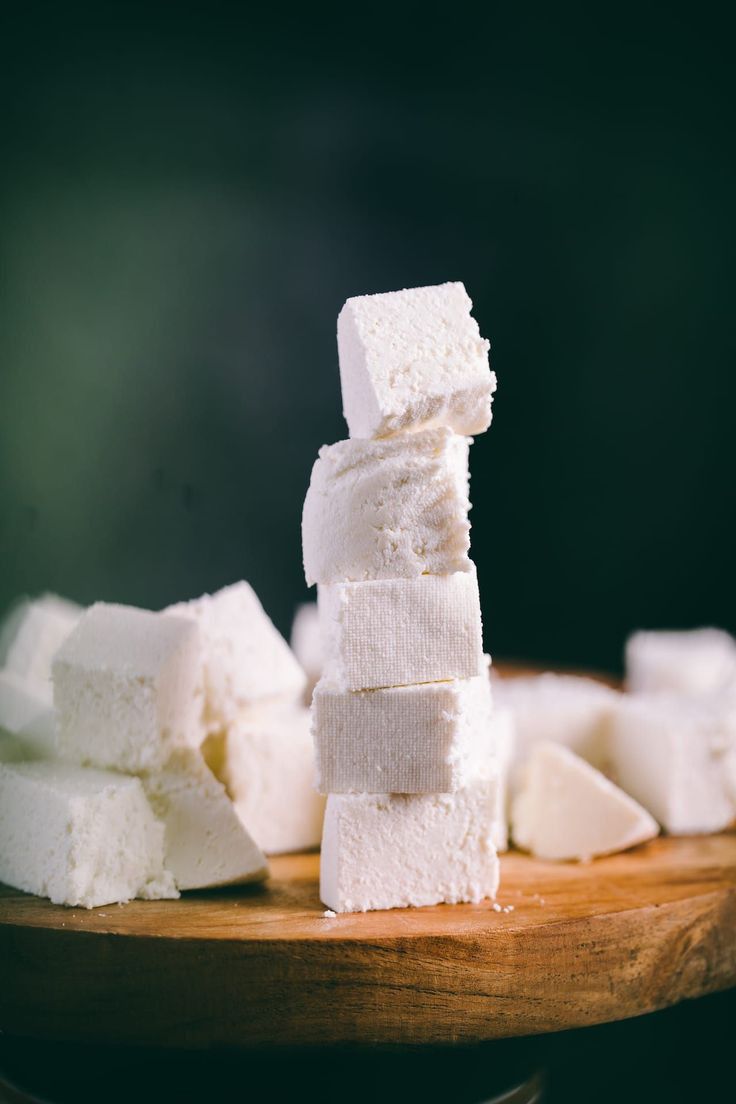
If you’re looking for substitutes for paneer, here are a few options you can try:
1. Tofu (Silken or Firm)
- Best for: A vegan alternative to paneer
- Flavor & Texture: Tofu has a mild flavor but can absorb the spices and flavors of the curry, similar to paneer. Firm tofu works best when sautéed or fried, while silken tofu can be added directly to gravies.
- Tip: Press out excess water to give it a firmer texture.
2. Ricotta Cheese
- Best for: A creamy, soft alternative to paneer in dishes like Palak Paneer or Paneer Butter Masala.
- Flavor & Texture: It’s creamier than paneer and will provide a soft texture, but it won’t hold its shape as well.
- Tip: You can drain ricotta to reduce moisture for a firmer texture.
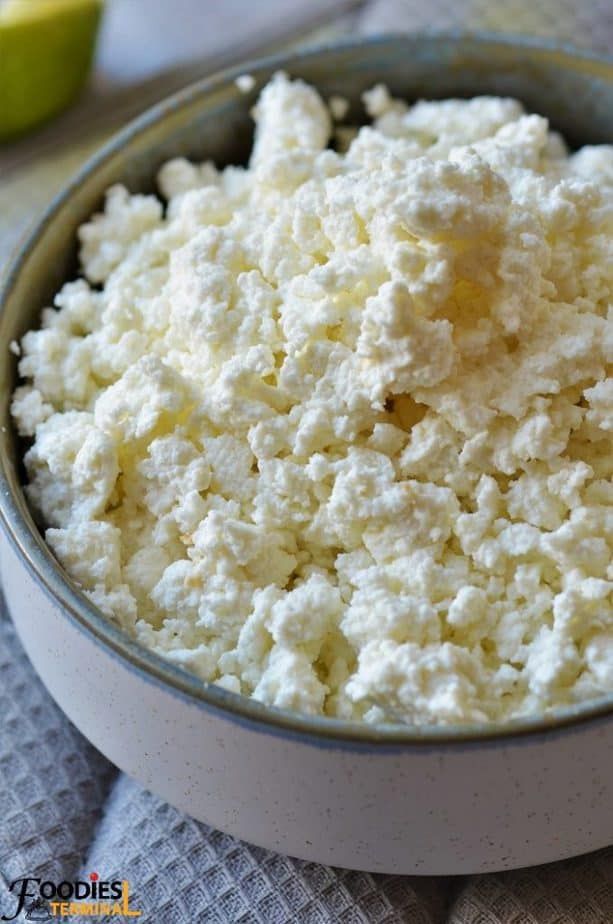
3. Cottage Cheese
- Best for: A quick, readily available substitute.
- Flavor & Texture: Softer and creamier than paneer, with a slightly tangy flavor. It works well in curries where you don’t mind a creamier consistency.
- Tip: Use well-drained cottage cheese to avoid excess moisture.
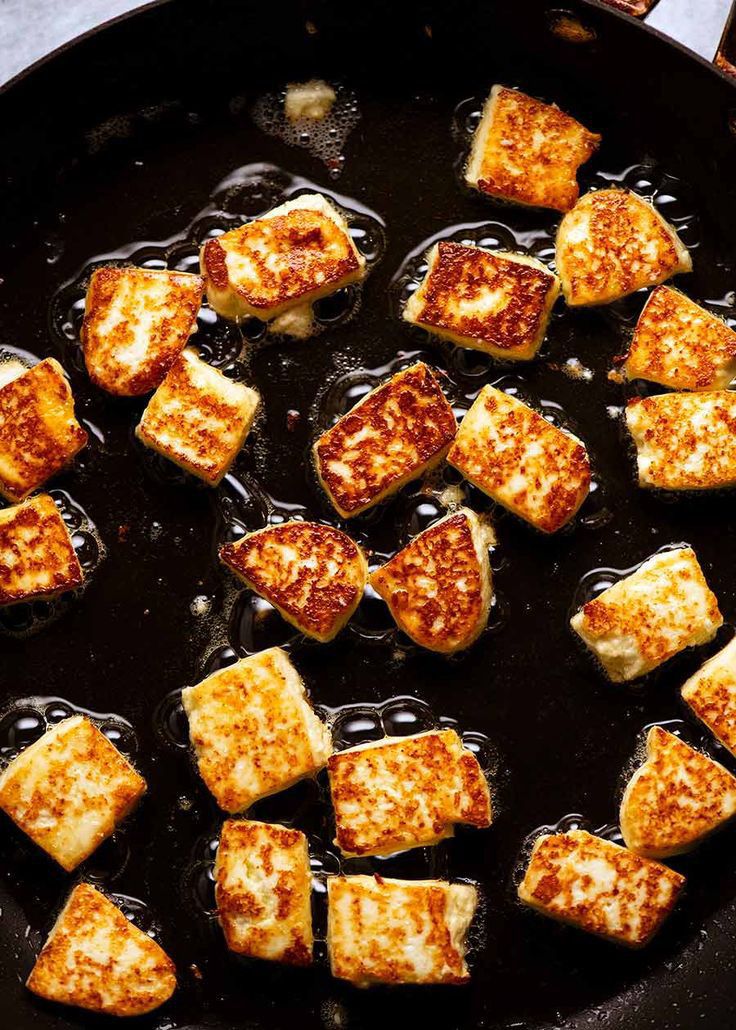
4. Halloumi
- Best for: Grilling or frying for a firmer texture.
- Flavor & Texture: It has a salty, tangy flavor and a firm, squeaky texture that holds up well in hot dishes.
- Tip: Halloumi is saltier, so adjust the salt in your recipe accordingly.
5. Queso Blanco
- Best for: A mild, similar texture substitute in Mexican or Indian-inspired dishes.
- Flavor & Texture: Soft and crumbly with a mild flavor, queso blanco resembles the texture of paneer, although it can be a bit softer.
- Tip: It doesn’t melt, which makes it a great substitute in cooked dishes.
6. Tempeh
- Best for: A plant-based option, especially in stir-fries or curries.
- Flavor & Texture: Fermented soybeans give tempeh a nutty flavor and firmer texture. It holds up well when fried or sautéed.
- Tip: Slice it thinly or cube it to mimic paneer in curries.
7. Vegan Paneer (Store-bought)
- Best for: A 1:1 swap if you’re looking for a fully plant-based alternative.
- Flavor & Texture: Made from soy or almond-based products, it mimics the texture and flavor of paneer.
- Tip: Check the ingredient list to find one that closely matches paneer’s taste.
These substitutes work well depending on your dietary needs and the flavor you’re aiming for in your dish!
Difference between Cottage cheese and paneer
| Aspect | Cottage Cheese | Paneer |
|---|---|---|
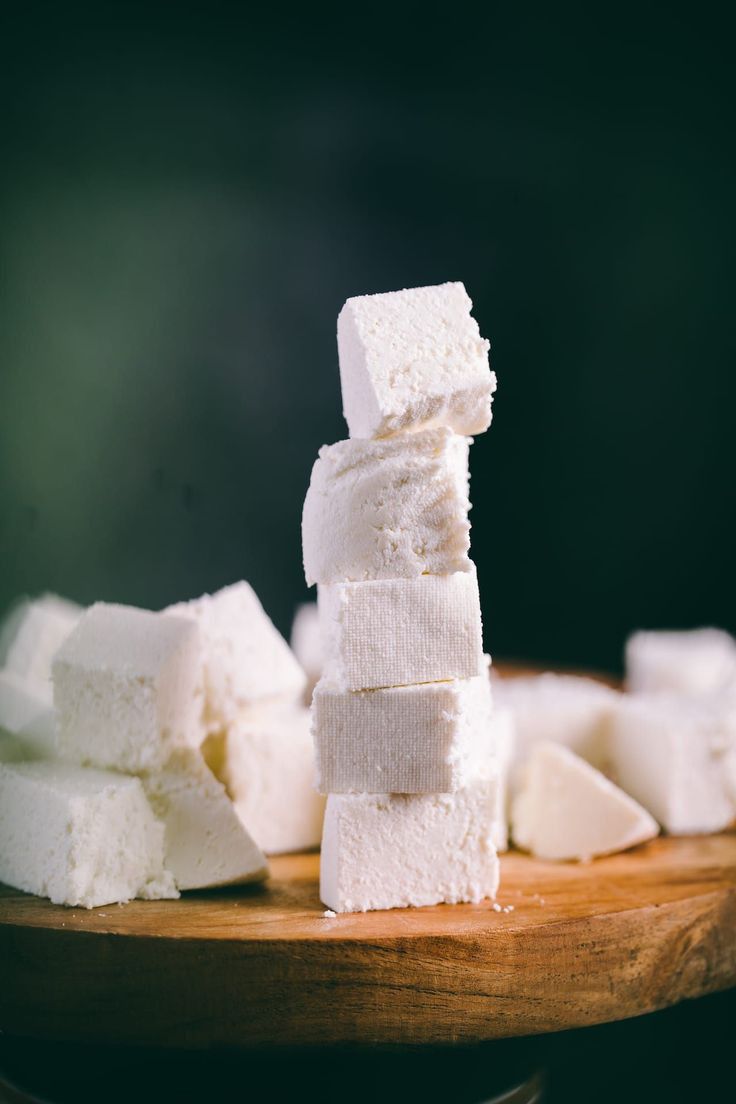
| Texture | Soft, creamy, and curd-like | Firm, solid block |
| Preparation | Curdled milk with vinegar or lemon juice, then strained | Curdled milk, whey drained and pressed into block |
| Moisture Content | High moisture, can be watery | Low moisture, dry and dense |
| Flavor | Mild, slightly tangy | Mild, slightly milky |
| Uses | Salads, snacks, desserts | Curries, frying, grilling |
| Cooking Stability | Doesn’t hold shape when cooked | Holds shape when fried or added to hot dishes |
| Common Cuisine | Western, used in dishes like lasagna or cheesecake | Indian, used in dishes like Palak Paneer and Tikka |
| Storage | Needs to be consumed quickly or refrigerated tightly | Can last longer, especially when stored in water |
This table gives you a neat comparison to understand their key differences.
Festivals & Events
1. Navratri & Paneer Delights
During Navratri, when many avoid grains and meat, paneer becomes a go-to protein source! From Paneer Tikka to Kuttu Paneer Paratha, it’s a must-have.
2. Holi & Paneer Fun
Paneer-based sweets like Malai Sandwich and Rasmalai make Holi extra special. Ever tried Bhang Paneer Tikka? (Ahem, for responsible adults only!)
3. Diwali & Party Appetizers
No Diwali party is complete without Achari Paneer Tikka, Chili Paneer, or a creamy Paneer Korma!
4. Raksha Bandhan & Comfort Foods
A cozy Rakhi meal often features Shahi Paneer, Matar Paneer, or Stuffed Paneer Kulcha. A treat for both brothers and sisters!
Homemade paneer recipe
Fun Paneer Facts You’ll Love!
- Did you know Paneer is one of the oldest cheeses in the world? Ancient Indian texts mention it dating back over 2000 years!
- Unlike most cheeses, paneer doesn’t melt—which is why it’s perfect for grilling and frying!
- Cottage cheese vs. paneer—while similar, cottage cheese is softer, saltier, and has more moisture.
Why Making Paneer at Home is a Game-Changer!
✅ No preservatives – Say goodbye to store-bought chemicals!
✅ Cost-effective – Fresh paneer for half the price!
✅ Customizable – Make it spicy, herby, or smoky!
✅ Healthier – Control the fat content and ingredients!
Frequently asked questions
Homemade paneer recipe
How can I use leftover whey from making paneer?
Whey is packed with nutrients! You can:
- Use it in chapati dough for extra softness
- Replace water with it in soups, dals, and curries
- Use it to ferment dosa/idli batter faster
- Drink it as a protein-rich health drink
Can I make flavored paneer at home?
Absolutely! Add spices, herbs, or garlic while kneading the paneer before setting it. Some popular flavors:
- Cumin Paneer – Add toasted cumin seeds
- Spicy Paneer – Add red chili flakes
- Herb Paneer – Mix in fresh coriander, mint, or basil
Can I make paneer with plant-based milk?
Yes! Soy milk works best—just curdle it using the same method with lemon juice or vinegar. However, almond or oat milk won’t work as they lack the necessary proteins.
Why does my fried paneer turn hard?
Over-frying makes paneer rubbery. Always fry on low-medium heat for 30-40 seconds per side. Also, soaking in warm water for 5 minutes after frying keeps it soft.
Can I fry paneer without it breaking?
Yes! To prevent breaking:
- Use well-set paneer (pressed for at least 1 hour).
- Coat it lightly with cornflour or rice flour before frying.
- Use a non-stick pan with minimal oil for shallow frying.
Why does my paneer shrink after cooking?
High heat can cause paneer to shrink. Always cook on medium heat and add it towards the end of your recipe. If frying, do it on low heat.
Can I reheat paneer without making it chewy?
Yes! The best way to reheat paneer is to:
- Soak it in hot water for 5-10 minutes before using.
- Avoid microwaving directly—it makes paneer tough. Instead, heat it in gravy or steam it.
How do I keep paneer fresh for longer?
Freeze it: Cut into cubes, store in a zip-lock bag, and freeze for up to 1 month.Soak it in water: Store paneer submerged in cold water in an airtight container—it stays fresh longer.
How do I store homemade paneer?
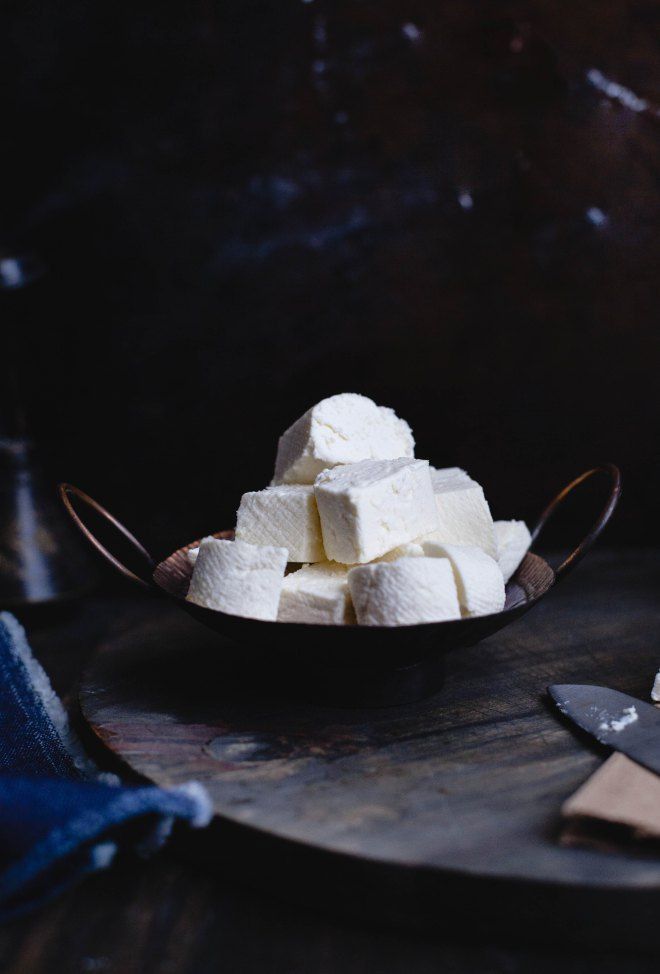
Store it in cold water or in an airtight container. Keep it refrigerated and use it within 3-4 days for the best taste.
How long should I press the paneer?
If you want soft paneer, press it for 30 minutes with light weight.
For firm paneer, press it for 1-2 hours under a heavier weight.Can I make paneer without lemon juice or vinegar?
Yes! You can use curd (yogurt), buttermilk, or even citric acid (dissolved in water). Curd gives the best, creamiest texture.
Why is my paneer yellowish instead of white?
Yellowish paneer happens when:
- You use low-quality or stale milk
- Overheating burns the milk fats
- Using vinegar (which sometimes gives a yellowish tinge)
Try using lemon juice or curd for a whiter paneer.
Can I use spoiled milk to make paneer?
If the milk is just slightly sour but not spoiled, you can use it. However, if it has a bad smell or mold, it’s better to discard it.
Why does my paneer taste too sour?
Too much lemon juice or vinegar can cause sourness. Next time, dilute the acid with water before adding. Also, rinse the paneer thoroughly with cold water after straining to remove excess acidity.
Why is my paneer not forming lumps while curdling?
Either your milk isn’t hot enough or you’re using stale milk. Bring it to a full boil and then add the acid. If using curd as a coagulant, make sure it’s fresh and slightly sour.
Why didn’t my milk curdle properly?
The acid (lemon juice, vinegar, or curd) may not be strong enough. Add a bit more, stir, and let it sit for 2-3 minutes. Also, ensure the milk is at a rolling boil before adding the acid.
Why is my paneer turning out grainy instead of smooth?
Grainy texture happens when the milk is overheated after curdling. Once the milk splits, turn off the heat immediately and stir gently. Using low-fat milk can also cause a grainy texture—always use full-fat milk.
Why does my paneer crumble when cutting?
The curds may not have been pressed properly. After draining, knead the paneer lightly before shaping and pressing. Also, let it rest in cold water for 10 minutes before cutting—it firms up the structure.
Why is my paneer too hard and rubbery?
Too much pressure while pressing or using too little acid can cause rubbery paneer. Next time, press it with less weight (under 1kg) and for a shorter time (30-40 mins). Also, use lemon juice or vinegar in the right amount—don’t skimp on it!
Why is my paneer too soft and falling apart?
You might not have pressed it long enough. Wrap the curds in a muslin cloth and press under a lightweight (500g – 1kg) for at least 30 minutes. Also, make sure you’ve drained enough whey before pressing.
Final Thoughts
Homemade paneer is simple, versatile, and incredibly delicious. With these hacks, you’ll never have to deal with dry or crumbly paneer again! Whether you want it soft and creamy for curries, firm for grilling, or flavored for snacking, these tricks will elevate your paneer game.
So, are you ready to ditch store-bought paneer and make magic in your kitchen? Let me know in the comments—what’s your favorite paneer dish? 🍽️🔥


