What is Puff Pastry?
Puff pastry, or pâte feuilletée, is a delicate laminated dough crafted by alternating layers of dough and butter. When baked, the moisture in the butter and dough evaporates, creating steam that puffs the layers apart, resulting in a light, airy, and incredibly flaky texture.
This dough is the foundation for countless culinary delights, from elegant pastries to hearty pies. Whether you’re a baking novice or a seasoned pro, puff pastry is your ticket to turning simple ingredients into show-stopping creations.
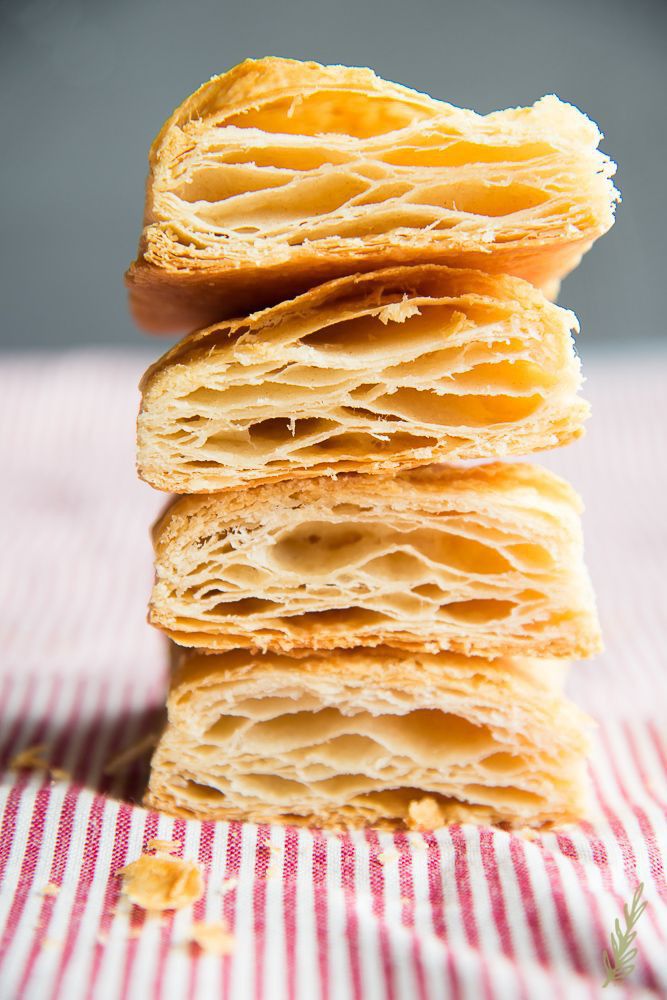
Why is Puff Pastry So Special?
Puff pastry stands out for its:
- Versatility: It works beautifully in both savory and sweet dishes.
- Texture: The crisp, buttery layers offer a unique melt-in-your-mouth experience.
- Visual Appeal: Those golden, puffy layers scream “homemade elegance,” even when store-bought.
👉 Find our go-to puff pastry recipe here.
Key Differences Between Puff Pastry and Other Doughs
| Dough Type | Texture/Usage | Best For |
|---|---|---|
| Puff Pastry | Light, flaky, buttery | Croissants, pies, tarts |
| Phyllo Dough | Thin, crispy, and delicate | Baklava, spanakopita, crispy bites |
| Pie Crust | Dense, crumbly | Hearty pies, quiches |
| Crescent Dough | Fluffy, slightly sweet, yeast-leavened | Quick pastries, stuffed rolls |
Uses of Puff Pastry
Sweet Applications:
- Eclairs and Cream Puffs: Fill puff pastry shells with whipped cream or custard.
- Palmiers: Roll puff pastry with sugar for a crunchy, caramelized treat.
- Fruit Tarts: Top puff pastry with fresh fruits and custard for a light dessert.
- Napoleons: Layer with pastry cream and powdered sugar for a classic French dessert.
Savory Favorites:
- Chicken Pot Pie: Use puff pastry for a flaky, golden crust.
- Sausage Rolls: Wrap seasoned sausage in puff pastry for the ultimate party snack.
- Cheese Straws: Twist puff pastry with cheese and herbs for a crispy appetizer.
- Savory Pockets: Fill with spinach, feta, or curry-spiced veggies for an easy meal.
Creative Ideas:
- Puff Pastry Pizza Bites: Perfect for kids or casual snacking.
- Cinnamon Twists: A quick and easy sweet treat.
- Breakfast Pastries: Fill with jam, cream cheese, or Nutella for a morning pick-me-up.
Variations and Substitutes for Puff Pastry
Variations:
- Whole Wheat Puff Pastry: For a healthier twist, substitute half of the flour with whole wheat flour.
- Gluten-Free Puff Pastry: Use a gluten-free flour blend.
- Vegan Puff Pastry: Swap butter with plant-based margarine or shortening.
Substitutes:
- Phyllo Dough: Works well for flaky layers but doesn’t puff up.
- Crescent Dough: A quick and fluffy alternative, great for casual recipes.
- Pie Dough: Denser and less flaky but works for certain savory dishes.
- Biscuit Dough: For hearty, rustic recipes like pot pies.
Top 25 FAQs About Puff Pastry
Frequently Asked Questions
Pavlova
How do I store leftover pavlova?
Store it in an airtight container in the fridge, but note that it may lose its crispness.
What drinks pair with pavlova besides wine?
Tea (like chamomile or Earl Grey), coffee, or even fruit-infused sparkling water are excellent choices.
What fruits are best for pavlova?
Berries, kiwi, passionfruit, and tropical fruits like mango pair perfectly, adding a tangy balance to the sweetness.
Can cheese pair with pavlova?
Yes! A light mascarpone or ricotta can be used as a creamy topping for a twist on traditional whipped cream.
What wines pair well with pavlova?
Sweet wines like Moscato, Riesling, or a light sparkling wine like Prosecco complement pavlova beautifully.
Why isn’t my pavlova crisp?
This happens if it’s underbaked. Bake at a low temperature for longer to dry out the shell.
Why is my pavlova sticky?
High humidity can cause stickiness. Store in a cool, dry place and ensure it’s baked thoroughly.
What’s a dairy-free topping for pavlova?
Coconut cream whipped into a fluffy consistency works wonderfully as a dairy-free option. Check out all the substitutes here
Can pavlova be made gluten-free?
Yes! Pavlova is naturally gluten-free as it uses cornstarch, not flour.
How can I make pavlova vegan?
Use aquafaba (chickpea water) as a substitute for egg whites. It whips up just like eggs! Learn about all substitutes here in detail
What’s the difference between pavlova and meringue?
Pavlova has a soft, marshmallowy interior, while meringue is typically crisp throughout.
Who invented pavlova?
It’s a debated topic, but pavlova is claimed by both Australia and New Zealand, named after the Russian ballerina Anna Pavlova.
What is pavlova?
Pavlova is a meringue-based dessert with a crispy crust and a soft, marshmallow-like center, topped with whipped cream and fresh fruits.
Chicken Mille feuille
How do I make the sauces less thick?
To thin the sauces, simply add a bit more cream or water until you reach your desired consistency.
Can I substitute the mascarpone in the yogurt sauce?
Yes, cream cheese or sour cream can be used as a substitute for mascarpone if you want a tangier flavor.
What wine goes well with Chicken Mille-Feuille?
A crisp white wine like Sauvignon Blanc or a light red wine like Pinot Noir will pair beautifully with this dish.
Can I add nuts for crunch?
Yes, a handful of toasted pine nuts or chopped walnuts sprinkled on top can add an extra layer of texture to the dish.
Do I need to add herbs?
Italian herbs like basil, oregano, and thyme complement the dish wonderfully, but you can customize the herbs based on your preferences.
Can I use other meats besides chicken?
Yes, you can substitute chicken with turkey, pork, or even beef for a different flavor profile.
How can I make it spicier?
You can increase the amount of chili or cayenne pepper in the spicy sauce or even sprinkle chili flakes over the final dish for an extra kick.
What should I do if the puff pastry gets soggy?
To prevent sogginess, make sure to bake the puff pastry until golden and crisp. You can also brush the pastry with a light coating of olive oil before baking.
What other veggies can I add?
Feel free to get creative! You can add veggies like spinach, zucchini, carrots, or blanched asparagus to your Chicken Mille-Feuille for extra flavor and crunch.
How do I prepare capsicums for the spicy sauce?
To prepare capsicums, roast them in the oven or grill them until the skin is charred, then peel and blend them with garlic and other ingredients for a smoky, flavorful sauce.
Can I make this dish vegetarian?
Yes! You can easily make Chicken Mille-Feuille vegetarian by substituting chicken with tofu, mushrooms, or even roasted vegetables.
Can I use prosciutto instead of bacon?
Yes, prosciutto works wonderfully! It will give your dish a slightly different flavor profile, but it will still be deliciously savory and complement the chicken and pastry. Can also use Guanchale but adjust the salt in overall dish
How do I make a creamy yogurt sauce?
To make a creamy yogurt sauce, blend yogurt, fresh cream, mascarpone, honey, and browned garlic. It’s perfect for adding richness and flavor to your Chicken Mille-Feuille.
What sauces can I use for Chicken Mille-Feuille?
For a delicious twist, you can use a combination of yogurt sauce and spicy capsicum sauce. The yogurt sauce is creamy with a hint of garlic, while the spicy sauce adds a nice kick. You can try your own style of sauces such as Asian flavor, Indian flavor or more mediterenean flavors.
Can I use store-bought puff pastry?
Absolutely! Store-bought puff pastry is a convenient alternative and will save you time. Just be sure to follow the cooking instructions for the best crispiness.
What is Chicken Mille-Feuille?
Chicken Mille-Feuille is a layered dish, traditionally made with thin slices of chicken, puff pastry, and different fillings like cheese, vegetables, and sauces. It resembles a “thousand leaves” (Mille-Feuille) due to its flaky, layered structure, like a savory pastry version of the famous French dessert.
Chicken shami kebab
How can I make them spicier?
Amp up the heat with extra green chilies, red chili powder, or even cayenne pepper. But don’t forget to balance it with the other flavors, or you’ll have spice overload!
Discover the secrets to perfect Butter Chicken
Can I pair Butter Chicken with cheese?
While Butter Chicken itself doesn’t need extra cheese, a side of cheesy garlic naan or paneer-stuffed bread can elevate your meal to indulgence heaven!
Can I pair Butter Chicken with cheese?
While Butter Chicken itself doesn’t need extra cheese, a side of cheesy garlic naan or paneer-stuffed bread can elevate your meal to indulgence heaven!
What veggies can I pair with Butter Chicken?
Light, crunchy sides like cucumber salad, sautéed green beans, or roasted cauliflower balance the richness beautifully. A simple tomato-cucumber-onion salad with a dash of lime is always a win.
What desserts go well after Butter Chicken?
End on a sweet note with Indian classics like gulab jamun, rasmalai, or a creamy kheer. If you prefer something lighter, mango sorbet or a fruit salad with a drizzle of honey is delightful.
What flavors complement Butter Chicken?
Butter Chicken loves a balance of rich, creamy, and fresh flavors. Pair it with tangy sides like cucumber raita, pickled onions, or a zesty mango salsa. For drinks, lassi or a mildly sweet white wine like Riesling works wonders!
What’s the best butter to use?
Unsalted butter is ideal, but if you’re feeling fancy, use ghee for extra richness.
Why is my Butter Chicken too tangy?
Over-acidic tomatoes might be the culprit. Balance it with sugar or a splash of cream.
Can I make it spicier?
Yes! Add extra chili powder, fresh green chilies, or a sprinkle of cayenne. If you like spicy then try out chicken tikka msala recipe which is similar to butter chicken and less creamy and more on spicier side.
How do I thicken Butter Chicken gravy?
Blend soaked cashews into a paste, or let the gravy simmer longer to reduce. Or cook the cashews along with tomatoes.
What’s the weirdest Butter Chicken twist out there?
Butter Chicken pizza, tacos, and even poutine are making waves! Who says classics can’t evolve? 🌮🍕. You can also serve it over mashed potatoes or polenta for a fusion treat. .
Is Butter Chicken healthy?
It’s indulgent, but you can make lighter versions with less butter and cream, or load it with veggies for added nutrients.
Why does Butter Chicken taste better the next day?
The spices get more time to mingle and marry, creating deeper, more complex flavors. It’s like giving the dish a glow-up overnight!
Can I eat Butter Chicken cold?
Technically yes, but it’s so much better warm and cozy. Like, why would you miss out on the melty goodness?
How long does Butter Chicken last in the fridge?
Stored properly, it’ll keep for 3-4 days. The flavors deepen over time, so leftovers taste even better!
What drink pairs well with Butter Chicken?
A chilled mango lassi is a classic choice. If you’re into wine, a medium-bodied Riesling or Chardonnay works beautifully.
Can I serve it with pasta?
Why not? Butter Chicken pasta is fusion food done right—creamy, tangy, and irresistible! 🍝
What goes best with Butter Chicken?
Garlic naan or buttery parathas for scooping, and fragrant basmati rice to soak up that creamy gravy. Pro tip: Try pairing it with a cucumber-yogurt salad for a refreshing contrast.
What can I use instead of yogurt for marination?
Coconut milk, buttermilk, or a mix of lemon juice and olive oil can do the trick. Buttermilk is an best alternative or you can completely skip yoghurt and marinate with just ginger garlic paste and lemon and salt.
What if I don’t have kasuri methi?
A small pinch of ground fenugreek seeds can mimic the flavor. No fenugreek at all? Skip it, but the dish will lose some depth.
Can I make Butter Chicken vegan?
Totally! Use tofu or jackfruit instead of chicken, coconut milk instead of cream, and vegan butter. Same indulgent taste, dairy-free joy! 🌱
Can I make it vegetarian?
Yes! Paneer (Indian cottage cheese) or tofu are excellent substitutes. Mushrooms or chickpeas also work for a plant-based version.
How do I get that smoky, restaurant-style flavor?
Try the dhungar method: heat a piece of charcoal until red-hot, place it in a small bowl inside your pot, drizzle with oil, and cover the pot for a few minutes. Voilà—instant smoky magic! 🔥
Can I make it in an Instant Pot?
Yes! Sauté the spices, add the marinated chicken and tomatoes puree and cashew paste , pressure cook, then finish with butter and cream. It’s a one-pot wonder!
Why is my gravy splitting?
This happens when the heat is too high while adding cream. Lower the flame and stir gently to keep it silky smooth. And also make sure you strain the tomato gravy after blending which gives the smooth texture.
How do I make the chicken extra juicy?
Marinate it! Yogurt, lemon juice, and spices work together to tenderize the chicken and infuse it with flavor. Marinate for at least 4 hours—overnight is even better.
Can I use canned tomatoes?
Yes, canned tomatoes (preferably whole or crushed) are a great alternative if fresh ones aren’t available. Just make sure they’re high-quality for the best flavor.
Can I use canned tomatoes?
Yes, canned tomatoes (preferably whole or crushed) are a great alternative if fresh ones aren’t available. Just make sure they’re high-quality for the best flavor.
What spices are essential for Butter Chicken?
Aromatics like garlic and ginger, garam masala, cumin, coriander, and a pinch of chili powder are key. And don’t skip kasuri methi (dried fenugreek leaves)—it’s the secret to that authentic taste!
Can I make Butter Chicken without cream?
Absolutely! Swap cream with coconut milk for a dairy-free twist or use cashew paste for a rich, nutty flavor.
What type of chicken should I use?
Boneless thighs are your best bet—they’re juicy and flavorful. If you’re a fan of chicken breast, that works too, but be careful not to overcook it.
Why is it called Butter Chicken?
Because butter makes everything better! It’s named for the generous amount of butter in the gravy, which gives it that signature richness. 🧈
Is Butter Chicken the same as Chicken Tikka Masala?
Not quite! Butter Chicken is creamier, richer, and mildly spiced, while Chicken Tikka Masala is spicier and more tomato-forward. Think of them as cousins—similar but with distinct personalities.
What is Butter Chicken, and why is it so popular?
Butter Chicken (Murgh Makhani) is a creamy, mildly spiced curry with juicy tandoori chicken in a luscious tomato-based gravy. Created in the 1940s by chefs at Delhi’s Moti Mahal restaurant, it was an accident born out of a need to use up leftover chicken. One taste and the world was hooked!
Chicken tikka or Tandoori chicken : Complete guide
Where did Tandoori Chicken and Chicken Tikka originate?
Tandoori Chicken dates back to ancient India but became globally famous in the 1940s when Kundan Lal Gujral popularized it at his Delhi restaurant, Moti Mahal. Chicken Tikka has similar roots but evolved into its own identity as boneless pieces became a favorite for quick, flavorful bites.
What is a tandoor, and can I make these dishes without one?
A tandoor is a traditional clay oven that uses charcoal for high-heat cooking. No tandoor? No problem! You can grill, bake, or even use a stovetop griddle to get similar results at home.
What’s the difference between Tandoori Chicken and Chicken Tikka?
Tandoori Chicken is bone-in chicken marinated in yogurt and spices, cooked in a clay oven (tandoor) for a smoky flavor. Chicken Tikka, on the other hand, uses boneless chicken, cut into smaller pieces and marinated similarly, often skewered and grilled. Think of Tikka as Tandoori Chicken’s more portable sibling!
Cacio e pepe recipe
Can I make Cacio e Pepe gluten-free?
Yes! Simply swap traditional pasta for your favorite gluten-free variety. Look for one with a high starch content for the best sauce consistency.
Can I serve Cacio e Pepe with sides?
Absolutely! Pair it with:
A simple arugula salad dressed with olive oil and lemon.
Garlic bread for dipping.
Steamed or roasted vegetables like asparagus or zucchini.
What wines pair well with Cacio e Pepe?
A crisp white wine like Pinot Grigio or a light red like Chianti complements the dish beautifully. The key is to pick something that won’t overpower the simple flavors.
How can I add my own twist to Cacio e Pepe?
While purists might disagree, here are a few creative variations:
- Add a squeeze of lemon for brightness.
- Toss in roasted garlic for a deeper flavor.
- Sprinkle crispy pancetta or guanciale for extra texture.
What if I don’t have Pecorino Romano?
In a pinch, Parmesan or Grana Padano can be substituted, but the flavor will be milder. For an extra kick, add a pinch of salt to mimic Pecorino’s boldness.
What’s the secret to perfect Cacio e Pepe?
- Toast the Pepper: Lightly toast cracked black pepper in a dry pan to enhance its aroma.
- Use Pasta Water: The starchy water is essential for creating a creamy sauce.
- Work Fast: Toss the pasta and sauce together while everything is hot.
Can I make Cacio e Pepe dairy-free?
While it’s tricky to replicate the exact flavor, you can try vegan Pecorino substitutes or nutritional yeast for a cheesy vibe. Pair it with olive oil for creaminess.
Why is my sauce clumpy?
Clumps happen when the cheese doesn’t emulsify properly. To avoid this:
- Use finely grated cheese (a microplane works best).
- Add hot pasta water gradually while stirring.
- Avoid overheating the cheese mixture—low and slow is key!
What’s the best pasta for Cacio e Pepe?
Traditionally, spaghetti or tonnarelli (a thick, square-cut spaghetti) is used. Bucatini, linguine, or rigatoni also work well—just choose a shape that holds the sauce.
What kind of cheese should I use?
Authentic Cacio e Pepe is made with Pecorino Romano, a tangy, salty sheep’s milk cheese. If you’re in a pinch, Parmesan can work, but it won’t deliver the same bold flavor.
Where did Cacio e Pepe originate?
Cacio e Pepe hails from Rome and has its roots in the rustic cooking of Roman shepherds. With easy-to-carry ingredients like Pecorino Romano and dried pasta, it was a practical, hearty meal that’s now a global favorite.
What does Cacio e Pepe mean?
Cacio e Pepe translates to “cheese and pepper” in Italian, which are the stars of this dish alongside pasta. It’s a minimalist recipe that’s all about bold, simple flavors.
Star anise : The guide to aromatic spice
What’s a fun fact about star anise?
Star anise is a key ingredient in the production of Tamiflu, an antiviral medication, due to its shikimic acid content!
Is star anise safe to consume?
Yes, but always use Chinese star anise (Illicium verum) in cooking. Avoid Japanese star anise (Illicium anisatum), which is toxic.
Can star anise be used as a substitute for other spices?
Yes! Star anise can replace anise seed, fennel, or licorice flavorings in recipes, though you may need to adjust the quantity as it’s more potent.
What dishes commonly use star anise?
- Asian Cuisine: A key ingredient in Chinese five-spice and Vietnamese pho.
- Indian Cuisine: Enhances curries and biryanis.
- European Cuisine: Used in mulled wine and spiced desserts.
How do I cook with star anise?
Add whole pods to soups, stews, and broths for slow-cooked flavor.Use ground star anise in baking and spice blends.Pair with other spices like cinnamon, cloves, and ginger for a warm, aromatic touch.
Can I use star anise for herbal remedies?
Yes! Star anise tea is a popular remedy for sore throats, colds, and improving digestion. Its essential oil is also used for relaxation and aromatherapy.
What are the health benefits of star anise?
Boosts Immunity: High in antioxidants and Vitamin C.
Aids Digestion: Helps reduce bloating and indigestion.
Relieves Colds: Known for its antimicrobial properties.
Promotes Better Sleep: Has calming effects when used in teas.
Is star anise the same as anise seed?
No, they’re different spices. While both have licorice-like flavors, star anise comes from an evergreen tree and is stronger, while anise seed is milder and comes from a flowering plant.
What does star anise taste like?
Star anise has a bold, sweet, and slightly peppery flavor with hints of licorice. It’s similar to fennel and anise seed but with a stronger and spicier profile.
How is star anise used in cooking?
Star anise is versatile and used in a variety of dishes:
- Savory: Adds depth to curries, soups, and stews.
- Sweet: Enhances desserts like cakes and cookies.
- Beverages: A key ingredient in chai tea, mulled wine, and spiced lattes.
What is star anise?
Star anise is a star-shaped spice from the fruit of the Illicium verum tree, native to China and Vietnam. Known for its licorice-like flavor, it’s a popular ingredient in both savory and sweet dishes.
Coronation Chicken recipe
What are some fun variations I can try?
Try adding fruits like apples or pineapple, nuts like walnuts or cashews, or even adding a bit of heat with chili flakes! You can also experiment with different curry powders to create unique flavors.
What can I serve Coronation Chicken with?
Coronation Chicken is incredibly versatile! You can serve it with:
- A fresh salad
- Sandwiches or wraps
- A side of crispy roasted potatoes or vegetables
- As part of a buffet or picnic spread
Can I make a vegetarian version?
Yes! Swap the chicken for roasted cauliflower, chickpeas, or tofu for a vegetarian (or vegan) version. The creamy curry dressing pairs beautifully with these alternatives.
How long does Coronation Chicken last in the fridge?
It will last for about 3-4 days in the fridge when stored in an airtight container. Be sure to enjoy it within that time frame for the freshest taste.
Can I make it gluten-free?
Yes! Coronation Chicken is naturally gluten-free as long as you check the ingredients in your mayonnaise and curry powder. Serve it on gluten-free bread or a bed of lettuce for a lighter option.
Is Coronation Chicken spicy?
The curry powder in the dressing gives it a mild warmth, but it’s not meant to be a spicy dish. If you prefer more heat, feel free to add some chili flakes or cayenne pepper to suit your taste.
Can I serve Coronation Chicken warm?
While Coronation Chicken is traditionally served cold, you can absolutely serve it warm. If you want a warm version, simply heat the chicken slightly and serve immediately though the creamy dressing might not have the same texture.
Can I use cooked leftover chicken?
Yes, leftover chicken works perfectly for this dish! It’s a fantastic way to repurpose roast chicken or even rotisserie chicken. Just shred it and mix with the creamy curry dressing.
Can I make Coronation Chicken ahead of time?
Absolutely! In fact, Coronation Chicken is often better when made ahead. Let it chill in the fridge for a few hours (or overnight), allowing the flavors to meld together. It’s a great dish for meal prep or for hosting
Rosemary
What dishes are best with rosemary?
Rosemary shines in roasted potatoes, grilled meats, breads like focaccia, soups, and even cocktails. Its bold flavor adds a gourmet touch to any dish!
Can I use rosemary in desserts?
Absolutely! Its floral, piney flavor pairs beautifully with lemon, honey, and vanilla in cakes, cookies, and even ice cream.
How do I remove rosemary leaves from the stem?
Hold the top of the sprig and run your fingers downward along the stem. The leaves will strip off easily, leaving you with a bare stem.
Is rosemary safe for pets?
In small amounts, it’s generally safe for dogs and cats. Avoid essential oils or large quantities. When in doubt, ask your vet.
How do I grow rosemary indoors?
Rosemary thrives in bright, sunny spots with well-drained soil. Don’t overwater—let the soil dry out slightly between watering sessions.
What are the best substitutes for rosemary?
Thyme, sage, or oregano are great substitutes. For sweeter recipes, try culinary lavender. In a pinch, dried Italian seasoning works too!
Can rosemary improve memory?
It might! Rosemary has been linked to better memory and focus, especially when used in aromatherapy. The scent can work wonders.
What are the health benefits of rosemary?
Rosemary is packed with antioxidants, may boost memory, improve digestion, and support hair growth when used as an oil. A true multitasker!
Can I eat rosemary raw?
Yes, but it has a tough, woody texture. Chop it finely or use the tender tips for salads and garnishes.
How should I store fresh rosemary?
Wrap it in a damp paper towel and place it in a plastic bag in the fridge—it’ll stay fresh for up to two weeks. For long-term storage, freeze the sprigs or dry them.
Can I use dried rosemary instead of fresh?
Yes, dried rosemary works perfectly as a substitute. Since it’s more concentrated, use about 1/3 of the amount the recipe calls for in fresh rosemary.
Thyme and its FAQ
Can thyme be used in desserts?
Absolutely! Lemon thyme or regular thyme adds an unexpected yet delightful twist to cookies, cakes, and even syrups for cocktails or mocktails.
How do I remove thyme leaves from the stem?
Hold the sprig at the top, then pinch and pull your fingers down along the stem. The leaves will strip off easily, leaving you ready to cook like a pro.
Can thyme improve health?
You bet! Thyme is rich in vitamins, antioxidants, and the powerful compound thymol, which supports immunity and has antimicrobial properties. It’s a tiny herb with big benefits!
What can I use as a substitute for thyme?
Out of thyme? No worries! Try these:
- Oregano: Earthy and bold, it’s the next-best thing in most recipes.
- Marjoram: Sweeter and gentler, perfect for lighter dishes.
- Herbes de Provence: A mix that often includes thyme along with other Mediterranean herbs.
- Savory: Close in flavor, it works well in stews and roasts.
- Basil or Tarragon: Not identical, but great for adding a fresh herbaceous touch.
What are some variations of thyme?
Lemon Thyme: A citrusy twist that’s perfect for fish, chicken, and desserts.
Orange Thyme: Subtler than lemon thyme, it adds a sweet, fruity note.
Creeping Thyme: A low-growing variety that works well in teas and as an aromatic garnish.
Silver Thyme: With a mild flavor and stunning silver-edged leaves, it’s as decorative as it is delicious.
Can I eat thyme raw?
Sure, but fresh thyme has a strong, earthy flavor and a slightly tough texture. Stick to the tender leaves if using it raw as a garnish or in salads.
What dishes are best with thyme?
Thyme is the ultimate all-rounder. Use it in soups, stews, roasted veggies, meats, bread, or even in marinades. Bonus: It’s a star in Mediterranean cuisine!
How do I store fresh thyme?
Wrap fresh thyme in a damp paper towel and keep it in a sealed plastic bag in the fridge. It’ll stay perky for about two weeks! Or, freeze the sprigs in an airtight container for long-term use.
Can I use dried thyme instead of fresh?
Totally! Dried thyme is like thyme’s concentrated cousin. Use about 1/3 of the amount called for fresh thyme, and let it simmer a bit longer to release its full flavor.
Mayonnaise recipe
Can I use mayonnaise as a marinade?
No, I would not recommend so as its a emulsified sauce it might have tendency to separate during cooking.
Is mayonnaise keto-friendly?
Yes! Traditional mayonnaise is high in fat and low in carbs, making it a popular choice for keto and low-carb diets.
Can I add spices to mayonnaise?
Definitely! Spices like paprika, curry powder, or cumin can elevate the flavor of mayo, making it a perfect pairing for specific cuisines.
Are there any dairy-based alternatives to mayonnaise?
Yes, sour cream, Greek yogurt, and cream cheese can be used as creamy alternatives to mayo, especially in dips and dressings.
How do I fix mayonnaise that’s too thin?
If your mayonnaise is too thin, whisk in another egg yolk to help re-emulsify the mixture. Drizzle in a bit more oil slowly while whisking to thicken it up.
What’s the secret to ultra-creamy mayonnaise?
The secret lies in the emulsification process. Add the oil very slowly while whisking continuously, ensuring the mixture thickens gradually. A touch of warm water can also help achieve a silky texture.
Why does mayonnaise sometimes taste bitter?
Bitterness in mayo can come from the type of oil used. Extra virgin olive oil, for example, can impart a slightly bitter flavor. Opt for neutral oils like canola or sunflower for a smoother taste.
Why does my mayonnaise have a layer of liquid on top?
A small amount of liquid separation can occur due to condensation or slight separation and is generally safe to consume. However, if the entire product has separated, it may indicate temperature abuse, and the mayonnaise might not be palatable. In such cases, it’s best to discard it.
Can I make mayonnaise without eggs?
Yes, egg-free mayonnaise alternatives are available, often using ingredients like aquafaba (the liquid from canned chickpeas) or soy milk as emulsifiers. These vegan options can closely mimic the texture and flavor of traditional mayonnaise.
How long does homemade mayonnaise last?
Homemade mayonnaise should be stored in the refrigerator and is best consumed within 3-5 days. Always use clean utensils to avoid contamination and keep the mayo in an airtight container to maintain its freshness.
Is mayonnaise gluten-free?
Traditional mayonnaise is naturally gluten-free, as it primarily contains eggs, oil, and an acid. However, it’s essential to check the labels of store-bought varieties for any added ingredients that may contain gluten. Brands like Duke’s Mayonnaise confirm that their product is gluten-free.
How can I fix mayonnaise that won’t thicken?
If your mayonnaise isn’t thickening, it might be due to the oil being added too quickly or the mixture being too cold. To remedy this, start with a fresh egg yolk in a clean bowl and slowly whisk the broken mayo into it, ensuring a steady emulsion forms. Adding a teaspoon of warm water can also help stabilize the mixture.
Can I use different oils to make mayonnaise?
Yes, you can experiment with various oils to influence the flavor of your homemade mayonnaise. Neutral oils like canola or sunflower oil are commonly used for a classic taste. Olive oil can add a richer flavor, while oils like avocado or walnut can introduce unique nuances. Keep in mind that strong-flavored oils may overpower the mayo’s taste.
Is homemade mayonnaise safe to eat?
Homemade mayonnaise can be safe if prepared and stored correctly. However, using raw, unpasteurized eggs poses a risk of foodborne illness. To reduce this risk, opt for pasteurized eggs and ensure all utensils and surfaces are clean. Always refrigerate the mayo promptly and consume it within 3-5 days.
What is the difference between mayonnaise and aioli?
While both are creamy emulsions, traditional aioli originates from the Mediterranean and is made primarily with garlic and olive oil, giving it a robust garlic flavor. Mayonnaise, on the other hand, typically consists of oil, egg yolks, and an acid like vinegar or lemon juice, resulting in a milder taste.
Parmesan tuile
Are there any fun variations?
Tons! Mix in spices like smoked paprika, garlic powder, or chili flakes for a kick. Or, add finely chopped nuts or sesame seeds for extra texture. You can even use them as a base for canapés by topping them with cream cheese, smoked salmon, or fresh herbs.
How do I prevent my tuiles from sticking?
Always use parchment paper or a silicone mat if baking in the oven. For stovetop tuiles, a good non-stick pan is essential. Avoid using foil, as cheese tends to stick to it like glue.
Why did my tuiles turn out chewy instead of crispy?
Oh no! This usually happens if the tuiles weren’t baked long enough. Make sure to bake them until the edges are golden brown. Another culprit could be moisture, so ensure your cheese is fresh but not damp.
Can I make tuiles with other cheeses?
Absolutely! While Parmesan is the classic choice, other hard cheeses like Pecorino Romano or aged cheddar can also work. Just make sure the cheese has enough fat and structure to crisp up properly.
What can I serve Parmesan tuiles with?
The possibilities are endless! Use them to garnish soups like tomato bisque or French onion, add crunch to Caesar salads, or pair them with charcuterie boards. They’re also fabulous as a standalone snack.
Can I store Parmesan tuiles?
You bet. Once completely cooled, store them in an airtight container at room temperature. They’ll stay crispy for 2-3 days. Avoid the fridge—moisture is their enemy!
Are Parmesan tuiles gluten-free?
Yes! Since they’re made entirely from cheese, they’re naturally gluten-free. Perfect for anyone avoiding gluten but still craving a crunchy snack.
How do I shape the tuiles?
Shaping is the fun part! While the tuiles are still warm and pliable, drape them over a rolling pin, bottle, or even the edge of a bowl to create that signature curved look. Want them flat? Let them cool on a flat surface instead.
Can I make Parmesan tuiles in a pan?
Absolutely! Heat a non-stick pan over medium heat. Place a small mound of grated Parmesan in the pan and let it melt and bubble. Once it’s golden and crispy, carefully flip it for a few seconds, then transfer it to a cooling rack or shape it while warm
How do I make Parmesan tuiles in the oven?
Easy peasy! Preheat your oven to 375°F (190°C). Line a baking sheet with parchment paper or a silicone mat. Drop small mounds of grated Parmesan (about a tablespoon each) onto the sheet and spread them into thin circles. Bake for 5-7 minutes until the edges turn golden. Let them cool and enjoy!
Can I use pre-grated Parmesan cheese?
Technically, yes, but fresh is best! Pre-grated cheese often contains anti-caking agents that can affect the texture and flavor. Freshly grated Parmesan will give you that perfect melt and crispiness .
Do I need any special ingredients?
Nope! All you need is freshly grated Parmesan cheese. Want to get fancy? Sprinkle in some black pepper, paprika, or fresh herbs like thyme or rosemary for added flair. Just make sure to use good-quality Parmesan for the best flavor.
What exactly is a Parmesan tuile?
A Parmesan tuile (pronounced “tweel”) is a crispy, thin wafer made by baking or cooking Parmesan cheese into golden rounds. The name comes from the French word for “tile,” because of their curved, tile-like shape. They’re great as a snack, garnish, or a crunchy addition to soups and salads.
Puff pastry
What’s your best puff pastry tip?
Treat it like a diva: keep it cold, handle it gently, and give it plenty of space to shine in the oven.
What are the most iconic puff pastry recipes?
Croissants, vol-au-vents, palmiers, turnovers… should we go on?
Can I flavor puff pastry?
Absolutely! Add herbs, cheese, or spices to the dough for a custom twist.
Is puff pastry healthy?
It’s not health food, but hey, buttery bliss feeds the soul! Moderation is key.
Can I brush puff pastry with anything?
Egg wash gives it a glossy finish, milk adds a softer golden tone, and sugar makes it sparkle!
Why does puff pastry shrink sometimes?
Overworking the dough is the culprit. Let it rest before baking to avoid the shrinkage blues.
Can I use puff pastry for savory dishes?
Heck yes! Wrap it around cheese, meat, or veggies for flaky, savory brilliance.
What’s the best temperature to bake puff pastry?
High heat—400°F (200°C)—is the sweet spot for puffing those layers to golden glory.
Can I make puff pastry vegan or gluten-free?
Sure can! Use plant-based butter for vegan versions and gluten-free flour blends for GF puff pastry.
How do I avoid soggy puff pastry?
Pre-bake (blind bake) or use dry fillings. Nobody likes a soggy bottom!
Can I freeze puff pastry?
Oh yes! Puff pastry freezes like a dream—just defrost in the fridge before using.
What’s the difference between puff pastry and phyllo dough?
Puff pastry is rich, buttery, and puffy. Phyllo is paper-thin and crispy, with a completely different vibe.
Why does my puff pastry stick to the surface?
Your dough needs a dusting of flour—or your counter is clinging too tightly. A non-stick surface is your best friend.
Can I reuse puff pastry scraps?
Absolutely! Stack them gently and roll again. Avoid kneading, though, or you’ll squash the layers.
How many layers does puff pastry have?
Traditional puff pastry has around 729 layers. Yes, you’re eating a masterpiece every time.
Why is my puff pastry not puffing?
Warm butter is your nemesis! Keep everything chill—literally. Cold dough + hot oven = puff perfection.
How does puff pastry puff?
Science! Steam from butter and dough expands between layers, creating that signature puff. It’s edible engineering
What is puff pastry, really?
It’s buttery magic in dough form! Layers of dough and butter that puff up into golden, flaky perfection when baked.
Homemade Pizza dough
Is sourdough pizza dough better than yeast-based dough?
Sourdough adds complex flavor and chewiness, but it requires more time and practice to perfect.
What’s the best way to reheat pizza?
Use a hot skillet or reheat in an oven at 375°F (190°C) for a few minutes to keep the crust crispy.
What’s the ideal oven rack position for baking pizza?
Bake pizza on the lowest rack for a crisp base or the middle rack for even cooking.
Why does my pizza dough taste bland?
Add more salt (about 2% of the flour’s weight). Salt enhances the flavor and balances the yeast’s activity.
How can I prevent the dough from sticking to my pizza peel?
Dust it with semolina or flour for easy sliding. No peel? Use parchment paper to transfer the pizza.
What’s the best hydration level for pizza dough?
Around 60-65% hydration (water-to-flour ratio) is ideal for most styles. Higher hydration gives a softer, airier crust.
Can I bake pizza without a pizza stone or steel?
Yes! Use an inverted preheated baking tray or directly bake on a parchment-lined tray.
Why does my pizza dough bubble when baking?
Air pockets formed during rising create bubbles. If they’re too big, dock the dough with a fork before adding toppings.
Can I use instant yeast instead of active dry yeast?
Yes! Instant yeast works faster and doesn’t need proofing. Use the same amount and mix it directly into the flour.
Can I bake pizza in a normal OTG oven?
Absolutely! Preheat your OTG oven to its maximum temperature (usually around 250°C), use the lower heating rod for a crispy base, and bake on a pizza stone or preheated baking tray for best results. Rotate halfway for even cooking.
What’s your top tip for homemade pizza dough?
Love your dough! Handle it gently, give it time to rise, and don’t fear high heat—it thrives on it.
Do I need to pre-bake the pizza crust?
For very wet toppings, yes! Pre-bake for 1-2minutes according to your oven temperature to prevent a soggy bottom.
Why is my pizza dough not rising?
Dead yeast or cold conditions are the usual culprits. Check your yeast and ensure a warm resting spot.
How do I stretch pizza dough like a pro?
Let gravity do the work! Hold it by the edges and let it stretch naturally. No aggressive pulling needed.
Can I use whole wheat flour for pizza dough?
Yes, but mix it with all-purpose or bread flour for better texture and rise.
What’s the difference between Neapolitan and New York-style dough?
Neapolitan is softer and chewier with ’00’ flour; New York-style is crispier and made with bread flour.
Can I add flavors to the pizza dough?
Yes! Mix in garlic powder, herbs, or grated cheese for a tasty twist.
Why doesn’t my pizza crust get crispy?
Your oven isn’t hot enough! Crank it up to at least 475°F (250°C) and preheat your baking surface for atleast 30 minutes.
Do I need a pizza stone for homemade pizza?
Not necessary but highly recommended. It gives you that crispy, restaurant-quality crust.
Why does my pizza dough tear when I stretch it?
It needs more kneading or resting. Let it relax for 10-15 minutes and try again.
How do I knead pizza dough properly?
Stretch, fold, and rotate. Knead for about 8-10 minutes until it’s smooth and elastic, like a good handshake. Or if you are lazy like me, just use stand mixer does it perfectly.
Can I make gluten-free pizza dough?
Yes! Use a good gluten-free flour blend and add a bit of xanthan gum for elasticity.
What type of flour is best for pizza dough?
Bread flour for a chewy crust, all-purpose flour for a balanced texture, or ’00’ flour for authentic Italian vibes.
Why is my pizza dough so sticky?
Too much water or not enough flour! Dust your hands and surface with flour to handle it like a pro.
How long does pizza dough take to rise?
About 2-4 hours at room temperature, but for maximum flavor, let it rise overnight in the fridge.
Can I make pizza dough without yeast?
Totally! Use baking powder or Greek yogurt as substitutes, but it’ll be more like flatbread than classic pizza.
What’s the difference between thin crust and thick crust dough?
Thin crust has less rise and stretch, while thick crust has more yeast and resting time for that fluffy texture.
What’s the secret to perfect homemade pizza dough?
Patience and good ingredients! Let it rise properly, and don’t skimp on good flour and olive oil.
Tiramisu – An Classic Italian dessert
What’s the origin of Tiramisu?
Tiramisu originated in Italy, specifically in the Veneto region. It’s said to have been invented in the 1960s or 1970s, though some argue it dates back to older Italian desserts. The name “Tiramisu” means “pick me up,” which refers to the energizing boost of coffee and cocoa!
What’s the origin of Tiramisu?
Tiramisu originated in Italy, specifically in the Veneto region. It’s said to have been invented in the 1960s or 1970s, though some argue it dates back to older Italian desserts. The name “Tiramisu” means “pick me up,” which refers to the energizing boost of coffee and cocoa!
Can I add a fruit twist to Tiramisu?
You can! Adding berries or citrus zest can provide a fun and refreshing variation while still keeping that creamy, coffee-laden essence.
What’s the secret to the perfect Tiramisu texture?
The magic is in the layers. Use firm, well-soaked ladyfingers and a smooth, creamy mascarpone filling to create the perfect balance of texture.
Can I serve Tiramisu in individual cups or glasses?
Absolutely! Serving Tiramisu in individual portions is a great way to make the dessert look fancy, and it’s perfect for parties.
How do I avoid soggy Tiramisu?
The key is to quickly dip the ladyfingers in coffee—don’t let them soak too long! They should be moist, but not mushy
Can I use rum instead of Marsala wine?
Yes! Rum, whiskey, or even brandy can be used as a substitute for Marsala wine, depending on your preference.
Can I use flavored coffee for a twist?
Definitely! You can experiment with flavored coffees, like hazelnut or vanilla, to give your Tiramisu a unique twist.
Can I add chocolate to my Tiramisu?
Absolutely! You can sprinkle some grated chocolate or even add chocolate shavings between the layers for a twist on the traditional.
Can I use whipped cream instead of mascarpone?
While whipped cream can work as a substitute, it won’t provide the same rich flavor and texture. Mascarpone is truly irreplaceable for this dessert!
What’s the best type of coffee to use?
Strong, espresso-style coffee is the best choice. The richness and depth of espresso create the perfect balance with the mascarpone cream.
What kind of cocoa should I use for dusting?
Use unsweetened cocoa powder for that authentic, slightly bitter touch to balance the sweetness of the cream.
Is Tiramisu gluten-free?
Traditional Tiramisu is not gluten-free due to the ladyfingers, but you can make it gluten-free by using gluten-free ladyfingers or even sponge cake.
Can I use instant coffee instead of brewed coffee?
It’s best to use freshly brewed coffee for authentic flavor, but if you’re in a rush, instant coffee will work just fine.
How long should Tiramisu chill before serving?
Tiramisu should chill for at least 4 hours, but overnight is best. This gives the flavors time to mingle, and the dessert time to set properly.
Can I make an eggless version of Tiramisu?
Yes, you can make eggless Tiramisu by replacing the egg yolks with whipped cream, and using a little bit of cornstarch to thicken the mixture!
Can I use a different type of cream instead of mascarpone?
While mascarpone is traditional, you can use cream cheese in a pinch, though the flavor and texture might differ slightly.
Can I make Tiramisu a day in advance?
Yes! In fact, Tiramisu tastes even better when it sits overnight. The flavors have time to come together and the texture becomes even more luscious.
How do I make the mascarpone mix?
You whisk together mascarpone cheese with eggs (or a substitute like whipped cream for eggless versions), sugar, and some vanilla for a rich, smooth cream.
Can I make Tiramisu without alcohol?
Absolutely! You can skip the alcohol (usually marsala or coffee liqueur) and still enjoy all the delicious coffee flavor. You can replace it with a bit more coffee or even milk.
What is a ladyfinger and how is it different from cake?
Ah, the classic ladyfinger! Think of it as the elegant, lighter cousin of sponge cake. Ladyfingers are soft, finger-shaped biscuits made with eggs, sugar, and flour. They’re airy, slightly sweet, and have a crisp texture that soaks up liquids beautifully, which is perfect for Tiramisu!
Now, you might be wondering, how are they different from regular cake? Well, the key difference lies in the texture. Cake is typically denser and more moist, while ladyfingers are lighter and a bit drier—ideal for soaking up coffee and creating those glorious layers in a Tiramisu. So, while cake can be a bit too heavy for the dessert, ladyfingers are just the right texture to get that melt-in-your-mouth experience!
Do I need to use ladyfingers for Tiramisu?
Yes, the soft, sweet, sponge-like ladyfingers are key. They soak up the coffee beautifully and hold the dessert together. But don’t worry—you can make them from scratch if you’re feeling adventurous!
Is Tiramisu served warm or cold?
Tiramisu is served chilled! It’s meant to be cool and creamy, with all the flavors melded together.
What exactly is Tiramisu?
Tiramisu is an iconic Italian dessert made with layers of coffee-soaked ladyfingers, a rich mascarpone cream, and a dusting of cocoa powder. It’s like a hug for your taste buds!
Classic Muffin
Can I mix different flavors in one batch?
Absolutely! Divide your batter and add different mix-ins (like chocolate chips in one and blueberries in another) to create a muffin variety pack!
Can I make muffins in a cake pan instead?
Yes! Just bake in an 8-inch pan and increase the baking time slightly. Congratulations, you just made muffin cake! 🎂
How do I make muffins without milk?
Swap milk with:
- Almond, oat, or soy milk (vegan-friendly!)
- Coconut milk for a tropical twist 🌴
- Yogurt for a tangy, creamy texture
Can I use melted chocolate instead of chocolate chips?
Sure! Just swirl melted chocolate into the batter for a chocolatey surprise in every bite.
How do I store muffins so they stay fresh?
Store muffins at room temperature for 2-3 days in an airtight container with a paper towel inside (it absorbs excess moisture!).
Can I make muffins without baking powder?
Yes, but you’ll need a substitute:
- Baking soda + an acid (like buttermilk or yogurt).
- Self-raising flour (which already has leavening).
How do I add fruit to my muffins without them sinking?
Coat berries or chopped fruit in a little flour before mixing them into the batter. This stops them from sinking like tiny fruity anchors.
Can I make mini muffins with the same recipe?
Yes! Just reduce the baking time to around 10-12 minutes at 180°C (350°F). They bake fast, so keep an eye on them!
Why do my muffins stick to the liners?
Ah, the ultimate struggle! Try:
- Greasing the liners lightly.
- Using parchment paper liners (they peel off easily!).
- Letting the muffins cool completely before peeling.
Can I make muffins with whole wheat flour?
Of course! But whole wheat flour makes muffins denser. Use 50% whole wheat and 50% all-purpose flour for a healthier yet still fluffy muffin.
Can I swap sugar for honey or maple syrup?
Yes, but since honey and maple syrup add liquid, reduce the other liquids by 3-4 tablespoons to keep the batter balanced.
How do I make gluten-free muffins?
Use a 1:1 gluten-free flour blend and add an extra tablespoon of liquid to prevent dryness. Also, don’t forget a binding agent like xanthan gum if your blend doesn’t have it!
Can I freeze muffins?
Absolutely! Wrap them in plastic wrap, pop them in a freezer bag, and store for up to 3 months. Warm them in the microwave for a fresh-out-of-the-oven feel.
Why are my muffins dry?
Dry muffins = too much flour or too little liquid/fat.
👉 Use the spoon-and-level method to measure flour—don’t just scoop!Can I make muffins without eggs?
Yes! Try these egg substitutes:
- ¼ cup applesauce 🍏
- ½ mashed banana 🍌
- ¼ cup yogurt 🥄
- 1 tbsp flaxseed + 3 tbsp water (vegan-friendly!)
What’s the difference between muffins and cupcakes?
Muffins = denser, less sweet, and no frosting.
Cupcakes = lighter, sweeter, and begging for frosting.
Think of muffins as cupcakes’ responsible, breakfast-friendly cousin.How do I get those big bakery-style muffin tops?
For that sky-high muffin dome:
- Start baking at 220°C (425°F) for 5 minutes.
- Lower to 180°C (350°F) for the rest of the baking time.
- Boom! You’ve got bakery-style muffins at home!
Why do my muffins sink in the middle?
Oh no, muffin heartbreak! This happens if:
- You overfilled the muffin cups (oops).
- The muffins weren’t baked long enough.
- Your oven temperature was too low.
Fix it by filling only ¾ of the way and checking your oven temp with a thermometer!
Can I use butter instead of oil in muffins?
Yes! But keep in mind that butter adds richness, while oil keeps muffins moist. If you love that buttery flavor, go ahead, but if you want super soft muffins, stick with oil—or do a mix of both!
What’s the secret to making muffins soft and fluffy?
It’s all about not overmixing! Stir the batter just until the ingredients are combined. If you mix too much, your muffins will be dense and sad. Nobody wants sad muffins.
Coral tuile
Why does my tuile have uneven holes—some big, some small?
Problem: Your batter isn’t mixed properly, or the heat is inconsistent.
Solution: Stir your batter right before pouring, and make sure your pan is evenly heated.How do I make my coral tuile taste amazing instead of just looking pretty?
Solution: Add seasonings! Parmesan, garlic powder, truffle salt, or even a hint of sugar and cinnamon for a sweet twist.
an I bake coral tuile instead of frying?
Solution: Yes! Spread a thin layer on a silicone mat and bake at 300°F (150°C) until crisp. It won’t be as bubbly but still looks gorgeous.
My tuile batter separates—should I just embrace the chaos?
Problem: The oil and water are not emulsifying properly.
Solution: Whisk the batter vigorously before each pour to re-incorporate the ingredients!Why does my tuile lose its crunch after a while—how do I keep it crisp longer?
Solution: Moisture is the enemy! Store your tuiles in an airtight container with a silica gel packet (like the ones in snack bags) or a paper towel to absorb humidity.
How do I shape my coral tuile for dramatic plating without it cracking?
Solution: While it’s still warm, gently shape it over a rolling pin, bowl, or any curved mold. Once cooled, it will hold its shape like a crispy piece of edible art!
Can I make coral tuile without tapioca flour? What’s the magic substitute?
Solution: Yes! You can use cornstarch, potato starch, or even rice flour. Tapioca gives the best lacy texture, but cornstarch works well too!
Why is my coral tuile browning too fast while still being raw in the middle?
Problem: Your pan is too hot, or you’re using too much oil.
Solution: Lower the heat slightly and allow it to cook longer so the water can fully evaporate before it browns.My tuile keeps breaking—how do I make it delicate yet sturdy enough for plating?
Problem: Your tuile might be too thin, or you aren’t handling it carefully after cooling.
Solution: Try a slightly thicker batter and let the tuile cool completely before handling. They firm up as they sit!How do I get vibrant colors in my coral tuile without it looking like a science experiment?
Problem: Some food colorings dull after cooking, especially natural ones.
Solution: Use gel or powder food coloring for vibrant hues. If using natural colors (like beet or spirulina), add them after cooking by brushing on a light coat of edible paint.My tuile is turning out too oily—am I making a fancy lace or a deep-fried doily?
Problem: Either you used too much oil or didn’t let the tuile drain properly.
Solution: Stick to the right oil-to-water ratio and drain on a paper towel immediately after removing from the pan.Why is my coral tuile sticking to the pan like it’s fallen in love with it?
Problem: Your pan isn’t non-stick, or you aren’t giving the tuile enough time to naturally release.
Solution: Use a non-stick or well-seasoned pan, and be patient! The tuile will release on its own once it crisps up—don’t force it too early!Help! My tuile isn’t forming holes—it’s just a solid blob. What went wrong?
Problem: Either the oil-to-water ratio is off, or your pan isn’t hot enough. The magic of coral tuile is in the rapid bubbling, which forms the signature holes.
Solution: Increase the water content slightly and make sure the pan is hot-hot-hot before you pour the batter!Why does my coral tuile look more like a soggy pancake than a crispy lace masterpiece?
Problem: Too much liquid or not enough heat! If the batter is too watery, it won’t crisp up. Also, a low-temperature pan will make the tuile cook slowly and absorb oil instead of bubbling beautifully.
Solution: Reduce the water slightly and crank up the heat! The batter should sizzle and spread instantly when poured into the pan.
Oatmeal raisin cookies
Why do my cookies taste bland?
A little cinnamon, nutmeg, or even a pinch of salt can enhance the flavor! Also, make sure your vanilla extract is high quality for the best taste.
Can I add nuts or chocolate chips?
Of course! Walnuts, pecans, or even dark chocolate chips are delicious mix-ins for an extra crunch and flavor.
How do I store oatmeal raisin cookies to keep them fresh?
Keep them in an airtight container at room temperature for up to a week, or freeze them for up to three months!
Can I make these cookies gluten-free?
Yes! Just swap all-purpose flour for gluten-free 1:1 flour and make sure your oats are certified gluten-free.
What’s the best oatmeal to use for cookies?
Old-fashioned rolled oats are best for a chewy texture. Quick oats will make them softer, and steel-cut oats are too tough for cookies.
Why are my cookies spreading too much while baking?
If your cookies are turning into puddles, try chilling the dough for at least 30 minutes before baking and make sure your butter isn’t too melted.
Can I make oatmeal raisin cookies without eggs?
Absolutely! Use mashed bananas, applesauce, or flaxseed mixed with water as a great egg substitute.
Should I soak raisins before adding them to the dough?
Yes! Soaking raisins in warm water (or even rum for a flavor boost) makes them plump and juicy, preventing them from drying out in the oven.
Why are my oatmeal raisin cookies dry and crumbly?
Too much flour or overbaking can dry them out! Spoon and level the flour instead of packing it, and take the cookies out while they’re still slightly soft in the center.
How do I make my oatmeal raisin cookies chewy instead of crunchy?
Use brown sugar for moisture, don’t overbake, and chill the dough before baking for the perfect soft and chewy texture!
Red velvet cupcakes
Can I Turn This Into a Red Velvet Cake Instead?
YES! This exact cupcake recipe works for a 6-inch or 8-inch cake. Just adjust baking time:
🕒 Bake at 350°F (175°C) for 25-30 minutes for a 6-inch cake
🕒 Bake for 30-35 minutes for an 8-inch cakeTest with a toothpick—if it comes out clean, your cake is ready!
What’s the Best Frosting for Red Velvet Cupcakes?
Classic cream cheese frosting is the OG pairing, but if you want to switch things up:
🧁 White Chocolate Frosting – Ultra creamy with a sweet, velvety finish.
🍫 Chocolate Buttercream – Because chocolate + red velvet = a match made in heaven!
🥥 Coconut Whipped Cream – Light and tropical for a fresh twist.
🎂 Cookies & Cream Frosting – Crushed Oreos + cream cheese = pure bliss.Which one will you try? 👀
Can I Make Red Velvet Cupcakes Gluten-Free or Vegan?
Yes! Here’s how:
✅ Gluten-Free Swap – Use gluten-free all-purpose flour and check that your cocoa powder is GF-certified.
✅ Vegan Swap – Replace buttermilk with almond milk + vinegar and eggs with flax eggs (1 tbsp flaxseed + 3 tbsp water per egg).They’ll still be soft, fluffy, and delicious! 😍
How Do I Store Red Velvet Cupcakes?
Want to keep your cupcakes fresh and delicious for days? Follow these tips:
✅ Unfrosted cupcakes: Store in an airtight container at room temp for up to 3 days or refrigerate for a week.
✅ Frosted cupcakes: Keep in the fridge (because of cream cheese frosting) and let them sit at room temp for 20 minutes before eating.
✅ Freezing: Freeze unfrosted cupcakes for up to 3 months in a sealed bag. Thaw before frosting!Can I Make Red Velvet Cupcakes Without Food Coloring?
Yes! If you prefer a natural alternative, try:
🍠 Beetroot Powder or Juice – Adds a natural red hue and mild sweetness.
🍓 Strawberry or Raspberry Powder – Enhances the color and adds a fruity twist.
🥕 Carrot Juice – Works as a color booster when combined with cocoa.Note: Natural colors won’t be as bright as food dye but will still give a lovely reddish tone!
Why Is My Cream Cheese Frosting Runny?
Frosting melting off your cupcakes like a sad puddle? Here’s why:
✅ Cream cheese too soft – Always start with cold cream cheese (not room temp) to keep it thick.
✅ Too much liquid – Adding too much milk or vanilla makes it runny. Start with less and adjust!
✅ Overbeating – If you whip it too long, it gets thin. Mix until just smooth and creamy.💡 Fix It Next Time: Use cold cream cheese, limit liquids, and don’t overwhip for a thick, pipeable frosting!
Can I Make Red Velvet Cupcakes Without Buttermilk?
Absolutely! If you don’t have buttermilk, make a quick substitute:
🥄 DIY Buttermilk Hack: Mix ½ cup of milk with 1 teaspoon vinegar or lemon juice. Let it sit for 5 minutes before using. Works like magic! ✨
My Cupcakes Are Flat – Where Did My Beautiful Domes Go?
If your cupcakes refuse to rise and end up looking like sad little pancakes, here’s what’s up:
✅ Baking soda expired? – Red velvet relies on baking soda + vinegar reaction to rise. If your baking soda is old, it won’t work!
✅ Overmixed batter – Overmixing knocks out the air bubbles, making cupcakes dense instead of fluffy.
✅ Oven temp too low – Cupcakes need the right heat to puff up! If your oven runs cool, increase the temp slightly.💡 Fix It Next Time: Use fresh baking soda, mix just until combined, and make sure your oven is calibrated for perfect domes!
Why Are My Red Velvet Cupcakes Dry and Crumbly? 😭
Nobody likes a dry cupcake. If yours turned out more like a sandcastle than a soft, velvety bite, here’s what happened:
✅ Overbaking – Red velvet cupcakes only need 18-20 minutes at 350°F (175°C). Check early to avoid drying them out!
✅ Too much flour – Always measure flour correctly using the spoon-and-level method. Too much flour = dry cupcakes.
✅ Not enough fat – Butter or oil keeps them moist. Don’t reduce the fat in the recipe!💡 Fix It Next Time: Check your oven temp (use an oven thermometer if needed), don’t overbake, and measure ingredients correctly for soft, fluffy cupcakes.
Why Are My Red Velvet Cupcakes Brown Instead of Red? 😩
Oh no, where’s the red magic?! If your cupcakes turned out brownish instead of vibrant red, here’s what might have gone wrong:
✅ Too much cocoa powder – Red velvet only needs a hint of cocoa (usually 1-2 tablespoons). More than that, and it starts looking like a chocolate cupcake.
✅ Wrong food coloring – Liquid food color is too weak! Use gel food coloring for a bold, bright red.
✅ Not enough acid – The reaction between buttermilk, vinegar, and baking soda helps boost the red color. Make sure you didn’t skip these!💡 Fix It Next Time: Use good-quality gel food coloring, the right amount of cocoa, and keep the buttermilk-vinegar combo in check!
Homemade paneer recipe
How can I use leftover whey from making paneer?
Whey is packed with nutrients! You can:
- Use it in chapati dough for extra softness
- Replace water with it in soups, dals, and curries
- Use it to ferment dosa/idli batter faster
- Drink it as a protein-rich health drink
Can I make flavored paneer at home?
Absolutely! Add spices, herbs, or garlic while kneading the paneer before setting it. Some popular flavors:
- Cumin Paneer – Add toasted cumin seeds
- Spicy Paneer – Add red chili flakes
- Herb Paneer – Mix in fresh coriander, mint, or basil
Can I make paneer with plant-based milk?
Yes! Soy milk works best—just curdle it using the same method with lemon juice or vinegar. However, almond or oat milk won’t work as they lack the necessary proteins.
Why does my fried paneer turn hard?
Over-frying makes paneer rubbery. Always fry on low-medium heat for 30-40 seconds per side. Also, soaking in warm water for 5 minutes after frying keeps it soft.
Can I fry paneer without it breaking?
Yes! To prevent breaking:
- Use well-set paneer (pressed for at least 1 hour).
- Coat it lightly with cornflour or rice flour before frying.
- Use a non-stick pan with minimal oil for shallow frying.
Why does my paneer shrink after cooking?
High heat can cause paneer to shrink. Always cook on medium heat and add it towards the end of your recipe. If frying, do it on low heat.
Can I reheat paneer without making it chewy?
Yes! The best way to reheat paneer is to:
- Soak it in hot water for 5-10 minutes before using.
- Avoid microwaving directly—it makes paneer tough. Instead, heat it in gravy or steam it.
How do I keep paneer fresh for longer?
Freeze it: Cut into cubes, store in a zip-lock bag, and freeze for up to 1 month.Soak it in water: Store paneer submerged in cold water in an airtight container—it stays fresh longer.
How do I store homemade paneer?
Store it in cold water or in an airtight container. Keep it refrigerated and use it within 3-4 days for the best taste.
How long should I press the paneer?
If you want soft paneer, press it for 30 minutes with light weight.
For firm paneer, press it for 1-2 hours under a heavier weight.Can I make paneer without lemon juice or vinegar?
Yes! You can use curd (yogurt), buttermilk, or even citric acid (dissolved in water). Curd gives the best, creamiest texture.
Why is my paneer yellowish instead of white?
Yellowish paneer happens when:
- You use low-quality or stale milk
- Overheating burns the milk fats
- Using vinegar (which sometimes gives a yellowish tinge)
Try using lemon juice or curd for a whiter paneer.
Can I use spoiled milk to make paneer?
If the milk is just slightly sour but not spoiled, you can use it. However, if it has a bad smell or mold, it’s better to discard it.
Why does my paneer taste too sour?
Too much lemon juice or vinegar can cause sourness. Next time, dilute the acid with water before adding. Also, rinse the paneer thoroughly with cold water after straining to remove excess acidity.
Why is my paneer not forming lumps while curdling?
Either your milk isn’t hot enough or you’re using stale milk. Bring it to a full boil and then add the acid. If using curd as a coagulant, make sure it’s fresh and slightly sour.
Why didn’t my milk curdle properly?
The acid (lemon juice, vinegar, or curd) may not be strong enough. Add a bit more, stir, and let it sit for 2-3 minutes. Also, ensure the milk is at a rolling boil before adding the acid.
Why is my paneer turning out grainy instead of smooth?
Grainy texture happens when the milk is overheated after curdling. Once the milk splits, turn off the heat immediately and stir gently. Using low-fat milk can also cause a grainy texture—always use full-fat milk.
Why does my paneer crumble when cutting?
The curds may not have been pressed properly. After draining, knead the paneer lightly before shaping and pressing. Also, let it rest in cold water for 10 minutes before cutting—it firms up the structure.
Why is my paneer too hard and rubbery?
Too much pressure while pressing or using too little acid can cause rubbery paneer. Next time, press it with less weight (under 1kg) and for a shorter time (30-40 mins). Also, use lemon juice or vinegar in the right amount—don’t skimp on it!
Why is my paneer too soft and falling apart?
You might not have pressed it long enough. Wrap the curds in a muslin cloth and press under a lightweight (500g – 1kg) for at least 30 minutes. Also, make sure you’ve drained enough whey before pressing.
Cheese
Can you freeze cheese?
You can, but it may affect texture. Best for hard cheeses like Cheddar or Parmesan. Wrap well, freeze in blocks or shreds, and thaw in the fridge.
How do I build the perfect cheese board?
Pick 3–5 cheeses (mix textures + milk types), add fruits, nuts, jams, crackers, and cured meats. Arrange like a rainbow and serve with wine or bubbly!
What wine pairs best with cheese?
It depends on the cheese! Try:
Brie + Champagne
Cheddar + Cabernet Sauvignon
Blue cheese + Port
Goat cheese + Sauvignon Blanc
(Psst — see our full wine & cheese pairing guide !)
What are vegan cheeses made of?
Vegan cheeses use bases like cashews, almonds, soy, coconut, or oats combined with oils, starches, and flavorings to mimic dairy cheese taste and texture.
Is lactose-free cheese a thing?
Yes! Some cheeses are naturally low in lactose (like aged Cheddar, Parmesan) and there are lactose-free options made from treated milk or dairy alternatives.
Why are there holes in Swiss cheese?
The holes (called “eyes”) are caused by carbon dioxide released by bacteria during the fermentation process. It’s a sign of traditional cheesemaking!
What’s the difference between aged and fresh cheese?
Fresh cheeses (like Mozzarella, Ricotta) are mild, moist, and short-lived.
Aged cheeses (like Cheddar, Gruyère) are firmer, more intense, and develop deeper flavors over months or years.What’s the best way to serve cheese?
Serve cheese at room temperature for full flavor. Take it out of the fridge 30–60 minutes before serving. Pair with fruits, crackers, nuts, and a good wine.
Can cheese go bad?
Yes! Look for signs like mold (on non-moldy cheese), sliminess, dryness, or sour smell. Hard cheese can be salvaged by cutting off moldy parts; soft cheese should be tossed.
How should cheese be stored?
Wrap cheese in wax paper or parchment, then loosely in plastic or foil. Store in the cheese drawer or veggie crisper in the fridge. Avoid airtight containers!
Is cheese healthy?
n moderation, yes! Cheese is a great source of protein, calcium, vitamin B12, and healthy fats. Just watch out for the sodium and saturated fat in some aged varieties.
Why does some cheese smell so strong?
That funky aroma is thanks to aging bacteria breaking down proteins and fats. Washed rind and blue cheeses especially love to get stinky — and deliciously so!
What are the main types of cheese?
Cheese types include:
Fresh (Mozzarella, Ricotta)
Soft-ripened (Brie, Camembert)
Semi-hard (Gouda, Cheddar)
Hard (Parmesan, Pecorino)
Blue (Gorgonzola, Roquefort)
Processed (American slices)
How is cheese made?
The basic process includes
Warming milk
Adding starter culture + rennet
Curd formation
Cutting/stirring curds
Draining whey
Pressing, salting, shaping
Aging (optional)
What is cheese ?
Cheese is a dairy product made by curdling milk using enzymes like rennet or natural acids. The curds (solid part) are separated from the whey (liquid), pressed, aged, and flavored into hundreds of tasty varieties!
Hollandaise sauce
Can I freeze Hollandaise sauce?
Sadly, nope. It separates when frozen. Just make it fresh — it’s quick and worth it!
How do I store leftovers?
Store in the fridge in an airtight container for up to 2 days. Reheat very gently in a warm water bath — no microwaves!
Can I make it dairy-free?
Heck yes! Use vegan butter or olive oil (though texture may vary slightly). Still rich, still delish.
Why did my sauce curdle or scramble?
Overheated eggs = scrambled. Keep the heat low and whisk constantly. To save it, blend with a fresh yolk and tablespoon of warm water.
Can I use vinegar instead of lemon juice?
Yup! White wine vinegar or champagne vinegar work great. Just don’t overdo it or it’ll be too sharp.
Can I make it without a blender or double boiler?
Totally! Just use a heatproof bowl over a pan of simmering water (not touching it) and whisk like a pro. Or use a hand whisk and patience.
Why does my sauce taste bland?
Add a pinch of salt, cayenne, or Dijon mustard. Sometimes it just needs that little “oomph”!
Is it safe to eat raw yolks in Hollandaise?
Yes, if the sauce is heated to 160°F or you use pasteurized eggs. Always keep food safety in mind, especially for kids or immunocompromised folks.
My butter was too cold — now what?
Warm it up gently and start over. Cold butter can shock the yolks and stop the emulsion before it starts.
Can I make Hollandaise in advance?
Kinda. It’s best fresh, but you can keep it warm in a thermos or a warm water bath (bain-marie) for up to 1–2 hours.
Can I reheat Hollandaise?
Yes, but very gently! Place the container in warm water and stir. Never microwave it directly — that’s a scrambled egg trap!
Help! It tastes too eggy.
Add a little more lemon juice or vinegar and whisk again. The acidity balances the eggy taste beautifully.
Why is my sauce too runny?
You might not have added enough butter or whisked it long enough. Add another yolk and re-whisk gently over low heat.
My sauce is way too thick — how do I fix it?
Just whisk in a spoonful of warm water or lemon juice until it loosens up. Boom — silky again!
Why did my Hollandaise sauce split?
It likely got too hot too fast or the butter was added too quickly. The emulsion broke! Try rescuing it by whisking a fresh egg yolk in a separate bowl and slowly whisking the broken sauce into it.
Espagnole sauce / Brown sauce
Can I turn my Espagnole into demi-glace?
Yes! Mix equal parts Espagnole and brown stock, then simmer until reduced by half. Boom — demi-glace done!
Can I make it vegetarian?
Definitely! Use a rich mushroom or roasted veggie stock and swap out any animal fats for oil or butter.
How long should I simmer the sauce?
Ideally 45–60 minutes to fully develop the flavor and reduce it to a silky consistency.
What if I don’t have tomato paste?
Reduce canned tomatoes or use a bit of tomato purée — just cook it longer to concentrate.
My sauce is too thick after cooling. Help?
Add a splash of warm stock or water and whisk over low heat to bring it back to life.
How do I avoid a bitter taste?
Don’t burn the roux or overcook the tomato paste. Taste throughout and keep the heat controlled.
Can I use chicken stock instead of beef or veal?
Technically yes, but it won’t be as rich or traditional. Go for beef or veal for authentic flavor.
My sauce looks gray instead of brown — why?
The roux or vegetables likely weren’t browned enough. Color builds flavor, so take your time during those early steps.
Can I use store-bought stock?
Yes, but choose a high-quality one and simmer it down a bit before using to concentrate the flavor.
Why is my sauce greasy?
Excess fat wasn’t skimmed during cooking. Let it cool slightly, then skim the fat off the top.
It’s too salty — how do I fix it?
Add unsalted stock to dilute, or balance with a pinch of sugar or a splash of vinegar to distract from the salt.
My sauce tastes bland. What should I do?
Reduce it more for intensity, or add a dash of wine, a knob of butter, or a splash of Worcestershire sauce to enhance the flavor.
Can I fix a burnt roux?
Unfortunately, no. If it smells bitter or burnt, start over — burnt roux will ruin the entire sauce.
Why is my sauce lumpy?
The stock was probably added too quickly to the roux. Next time, whisk in the stock gradually and stir constantly.
Why is my Espagnole sauce too thin?
It likely didn’t reduce enough. Simmer it longer or add a bit of roux to thicken it slightly.
Poulet ( Chicken ) a la king
Why is it called “à la King”?
There are many legends, but it’s likely named after a chef or patron named King. Either way—it reigns supreme!
What herbs go well in it?
Fresh thyme, parsley, tarragon, or a pinch of nutmeg for depth.
Can I make it spicier?
For sure. Add cayenne, paprika, or a splash of hot sauce to spice things up.
What wine pairs well with it?
A crisp Chardonnay, Pinot Grigio, or a light Pinot Noir. Sip and savor!
Can I use turkey instead of chicken?
Absolutely! Perfect for post-holiday leftovers.
Can I make it dairy-free?
Yes, sub in dairy-free butter and cream (like coconut cream or cashew milk).
Can I make it gluten-free?
You sure can! Use a gluten-free flour blend to make the roux.
What veggies can I add?
Bell peppers, peas, carrots, leeks, spinach, corn—feel free to color outside the lines!
Is it freezer-friendly?
Yup! Just cool it completely, freeze it in airtight containers, and reheat gently later.
What should I serve it with?
Toast, puff pastry, rice, mashed potatoes, pasta, or a spoon straight from the pan (we won’t tell).
Can I use canned soup?
You can, but the homemade roux-based sauce tastes WAY better. No judgment, though.
Can I make it without mushrooms?
Totally. Sub in more peppers, peas, or even zucchini. It’s your king-dom!
What kind of chicken should I use?
Cooked chicken breast or thighs. Rotisserie chicken? Yes please! Leftovers? Even better!
Is it French?
espite the name, it’s actually American. Shocking, right? Born in a fancy hotel kitchen around the 1890s!
Is it the same as Chicken à la King?
Yes! “Poulet” is just the French word for chicken. Fancy name, same creamy goodness.
What is Poulet à la King, anyway?
A rich, creamy chicken dish with mushrooms, peppers, and a dreamy sauce. Think: comfort food royalty.
Authentic Pad thai
Do I have to use a wok?
It’s ideal, but a large nonstick skillet works fine just make sure its very hot before adding ingredients to get that smoky flavor.
How long should I soak rice noodles?
Around 25–30 mins in warm water until pliable but not mushy.
How do I get that restaurant-style flavor?
Use fish sauce, palm sugar, tamarind paste, and cook on high heat quickly!
Can I add vegetables?
Absolutely—try bell peppers, carrots, or snap peas.
Can I use bottled Pad Thai sauce?
Yes for convenience, but homemade sauce tastes way better.
Is Pad Thai spicy?
Not by default. You can add chili flakes or sriracha to kick it up!
What’s the best protein for Pad Thai?
Shrimp is classic, but chicken, tofu, or even tempeh work wonderfully.
Can I use spaghetti instead of rice noodles?
Guys, calm down with creativity blah blah, Sorry but Pad thai is meant to be rice noodles.
Why is my Pad Thai too dry?
Not enough sauce! Or noodles were too dry when added—keep them slightly damp.
Can I make Pad Thai vegan?
Totally! Use tofu, soy sauce, and skip the egg and fish sauce.
Why are my noodles sticking together?
They were over-soaked or not stirred properly. Stir immediately after adding sauce.
Can I make Pad Thai without tamarind paste?
Yes! Use lime juice + a splash of rice vinegar as a quick sub.
Why does my Pad Thai taste too sour?
Too much tamarind—balance it with a little more sugar or reduce tamarind next time.
Why are my Pad Thai noodles mushy?
They were over-soaked or cooked. Just soak them in warm water, not boiling.
Pepian de pollo recipe
How do I make it more authentic?
Use traditional chiles like guajillo or pasilla, toast your ingredients well, and blend until silky. And maybe play marimba in the background.
What side dishes work best?
Steamed rice, warm tortillas, grilled plantains, or even crusty bread. Or all four—no judgment.
Why does my sauce separate?
It might’ve boiled too hard. Gently simmer and whisk if needed. A spoonful of blended tortilla can also re-bind it.
My sauce is too thick. Help
Thin it out with a splash of chicken stock or water. Keep it cozy, not concrete.
Can I use turkey instead?
You’re talking Thanksgiving remix and we’re here for it. Turkey tastes fab with pepián, especially leftover roast.
Is it okay to use rotisserie chicken?
Chef’s kiss! It saves time and still soaks up the sauce beautifully. Just shred and simmer gently.
Can I make Pepián ahead of time?
Yes! In fact, it’s better the next day. Let those flavors mingle in the fridge overnight like it’s a flavor party.
No time to roast all those ingredients. Any shortcuts?
Totally. Use pre-roasted nuts/seeds and canned fire-roasted tomatoes. Still rich, still flavorful—just way faster.
Can I make this vegan?
Yup! Swap chicken for hearty veggies like cauliflower or jackfruit, and use veggie broth. Still delicious, still Guatemalan-style.
My chicken’s dry—what did I do?
Uh-oh. You may have overcooked it. Next time, simmer just until tender. Or use chicken thighs—they’re way more forgiving (and juicier!).
Why does my sauce taste bland?
Seasoning might need a tune-up. Add more salt, a squeeze of lime, or a touch of toasted spice to wake things up.
Not spicy enough… where’s the drama?
Amp it up with more dried chiles or a dash of chili oil. Guatemalan food can be subtle—but it’s your kitchen, your rules!
Too spicy! My tongue is on fire!
Been there! Stir in a spoonful of sour cream or coconut milk to mellow the heat. Serve with extra rice to balance the burn.
Can I make this without tomatoes?
You rebel, we love it. Use roasted red bell peppers instead! The color and smokiness still vibe with the classic pepián feel.
I ran out of sesame seeds… can I still make Pepián?
Absolutely! Sub with sunflower seeds, almonds, or even tahini in a pinch. It’s your flavor fiesta—go with what you’ve got!
Help! My sauce turned out grainy!
No worries, chef! Your roasted seeds might not have blended smooth enough. Try straining the sauce next time—or blend longer on high for that velvet finish.
Egg fried rice ( Yangzhou Style)
Why scramble eggs separately?
So they don’t disappear! It keeps them fluffy, visible, and deliciously distinct.
Is egg fried rice gluten-free?
It can be! Use tamari or gluten-free soy sauce. Watch out for sneaky sauces.
How do I get that smoky ‘wok hei’ flavor?
Super hot wok, don’t overcrowd, and toss with flair. Or channel your inner kung-fu chef.
My fried rice is bland. What now?
Salt, soy, sesame oil, MSG, or even a spoon of oyster sauce — flavor is fixable, promise.
Can I make it spicy?
Heck yes. Try chili oil, sriracha, sambal, or toss in fresh chopped chilies for a fire-kissed finish
What protein goes well with it?
Chicken, shrimp, bacon, tofu, even leftover steak. Egg fried rice is everyone’s bestie.
Which veggies work best?
rozen peas, corn, carrots, bell peppers, scallions… Think colorful confetti you can eat.
Why does my rice clump together?
Your rice is trying to cuddle. Break it up with your hands or fork before tossing it in the wok.
Can I skip the eggs?
Sure! Then it’s just “fried rice, hold the egg.” Add tofu or chickpeas for protein power
What’s the secret to restaurant-style fried rice?
High heat + cold rice + prep everything before the pan. Basically, be organized like a ninja chef. 🥷
Do I need MSG?
Want that “Wow, why is this so good?” moment? Then yes. MSG is your umami fairy dust 🧚♀️.
Soy sauce or no soy sauce?
Yes, but don’t drown it. A splash is cool; a flood is a crime. 🙅♀️ Add dark soy for color, light soy for flavor.
Help! My rice is sticking to the pan!
That pan’s not hot enough, or it’s holding a grudge. Use a non-stick wok or a well-seasoned cast iron, and preheat with oil.
How do I keep the eggs fluffy and not rubbery?
Don’t overcook them! Scramble separately, remove, then mix in later. Treat them like VIPs. 🍳
Can I use brown rice instead of white?
Totally! It’s like the yoga-doing cousin of white rice. Just make sure it’s cooked and cooled beforehand 🧘♂️.
Why does my egg fried rice turn out soggy?
Because your rice is basically crying. 😢 Use cold, day-old rice — fresh rice is too soft and steamy!
Green Herb Oil
Is herb oil healthy?
You bet. Packed with antioxidants, flavor, and healthy fats (if you use good oil). Guilt-free glam drizzle
Why does it smell grassy?
It’s fresh AF. But if it’s giving “freshly mowed lawn,” maybe dial back the spinach or over-blending.
How do I make it thicker for plating dots?
Use less oil or blend with a touch of xanthan gum or emulsify with a little mustard or lemon juice.
Can I make it with spinach or kale?
Yep! Great for color boost, just pair them with strong-flavored herbs so it doesn’t taste like lawn.
Can I mix herbs together?
Absolutely. Make it a leafy medley — basil + mint = summer dream, cilantro + dill = zesty garden party.
Can I make it spicy or garlicky?
Heck yes! Add chili flakes, garlic, or even lemon zest for a remix version
How do I use green herb oil?
Drizzle it over soups, salads, pasta, eggs, grilled meat, toast, or even on pizza. Basically… everything!
Can I use stems?
Use soft stems only like cilantro or parsley. Woody stems are too… intense (and not in a good way).
How do chefs get it so green and smooth?
Blanch the herbs, shock them in ice, dry well, then blend fast with cold oil. It’s basically a leafy spa day.
Can I use it in hot dishes?
Yes, but drizzle after cooking — high heat kills flavor and color. Herb oil isn’t here for the sauna
Do I need to strain it?
For silky-smooth oil, yes! Use a fine mesh strainer or cheesecloth. Unless you’re going for rustic herb confetti vibes
What’s the texture supposed to be like?
Silky, smooth, pourable, and a little luxurious. Not chunky, gritty, or oily-slick. Think edible emeralds 💎
Can I freeze herb oil?
Absolutely! Pour it into an ice cube tray, freeze, and pop one out when your dish needs a leafy kiss
How long does green herb oil last in the fridge?
About 5–7 days if stored in an airtight jar. Want longer? Freeze it as ice cubes!
Why does my herb oil taste bitter?
You probably over-blended it or used extra virgin olive oil on turbo mode. Go easy — it’s not a smoothie!
Can I use extra virgin olive oil?
Sure, but it may turn bitter when blended too long. 🤢 Go gentle or blend with a lighter oil for balance.
What’s the best oil to use?
Use neutral oils like Vegetable oil , avocado, or light olive oil. You want the herbs to shine, not the oil to overpower!
Which herbs work best for green herb oil?
Basil, parsley, cilantro, dill, chives, mint, tarragon… basically, the leafy VIPs of the herb world. 🌿
Can I use dried herbs instead of fresh?
Nope, dried herbs don’t throw the same party 💃. You need fresh herbs for that bold flavor and lush color!
How do I make herb oil stay green longer?
Cool your blender, blanch your herbs, and store it in an airtight jar in the fridge. Light and air = color killers!
Why is my green herb oil brown instead of green?
Because it’s sad and oxidized! 🥲 Use ice-cold oil and blanch your herbs to lock in that vibrant green magic.
Prawn bisque
Is this kid-friendly?
Yes — just skip the wine or alcohol and tone down any spice. Bonus: they’ll think you’re a soup wizard.
How do I garnish bisque?
Chopped prawns or roasted buttered prawns, herb oil, cream swirl, microgreens, or a buttered crouton = instant wow.
What’s that grainy texture?
Probably shell bits. Strain more thoroughly. Your taste buds deserve silk, not sand.
My bisque is gray. Should I be worried?
Possibly over-blended shells or undercooked tomato paste. It’s safe, just not Instagrammable.
Can I make this spicy?
Heck yes. Add cayenne, chili flakes, or a dash of hot sauce. Spice up your shell-life.
What herbs work best in bisque?
Thyme, parsley, bay leaf, and a bit of tarragon. Skip anything too bold like rosemary.
No cream in the fridge. What now?
Try coconut milk or full-fat milk
Can I skip the wine?
Yes! Use a mix of lemon juice + seafood stock instead. The fancy cops won’t arrest you.
Can I make it ahead of time?
Oh yes! Bisque gets even better the next day. Store in the fridge for up to 3 days.
I forgot to save prawn shells — can I still make this?
Sorta. Use store-bought shrimp stock or add a splash of fish sauce. It won’t be the same, but it’ll still be yum.
My blender exploded bisque everywhere
Never fill your blender more than halfway with hot liquid. Blend in batches. Safety first, soup second.
Too runny! I wanted a hug, not a wave.
Let it simmer uncovered a bit longer, or add a spoon of roux (butter + flour) if you’re in a pinch.
Too thick — it’s like seafood porridge!
No worries! Just thin it out with stock or water. It’s bisque, not concrete.
It’s not creamy enough!
Stir in more heavy cream or blend longer. Want extra velvet? Add a pat of butter at the end.
Help! My bisque tastes bland. What do I do?
Add a touch of salt, a splash of lemon, or a little more wine. Taste and tweak like a soup scientist.
Chicken 65
What do you serve Chicken 65 with?
Mint chutney, lemon wedges, onion rings… and a chilled drink to balance the heat. Or just eat it solo, like the rockstar it is.
What’s the role of cornflour or rice flour in the recipe?
Crunch factor, baby! They give that beautiful golden crust we all dream about.
Why is my Chicken 65 not crispy?
Likely culprit? Too much moisture. Pat your chicken dry before marinating and don’t overcrowd the pan when frying.
Can I make Chicken 65 without yogurt?
You can — just replace it with lemon juice or a tiny bit of vinegar + water for that tangy kick.
Why are curry leaves important in Chicken 65?
Because they’re the secret flavor bomb! Frying them releases a zingy, aromatic flair you don’t want to miss.
What gives Chicken 65 its red color?
Traditionally, it’s chili powder or Kashmiri red chili (for that bright but not-too-hot hue). Some use food coloring, but we say skip it!
Can I use frozen chicken?
Yes, just thaw it completely before marinating. Nobody wants freezer-burned 65. That’s just wrong.
Is there a vegetarian version of Chicken 65?
Heck yes! Try Paneer 65, Gobi 65, or even Tofu 65. Same sass, no chicken.
What’s the difference between dry and gravy Chicken 65?
Dry is all about that crispy, fiery crunch. Gravy version comes with a saucy twist — both are legends in their own right!
Can I marinate Chicken 65 overnight?
Absolutely — the longer it marinates, the deeper the flavor. It’s like giving your chicken a spa day in spice town.
Can I bake or air-fry Chicken 65 instead of deep frying?
Yes! Your waistline says thank you. Air fry or bake it with a light oil spray for that crispy fix — minus the guilt trip.
Is Chicken 65 really that spicy?
Oh, it can be lip-tingling, sweat-on-your-forehead spicy — but you can totally dial it down to “Grandma-approved” levels too!
Why is it called Chicken 65?
Because Chicken 42 just didn’t sound spicy enough! 😄 Kidding! Most believe it was the 65th item on the menu at Buhari Hotel in 1965 — but the mystery lives on.
Waldorf salad recipe
Do I have to use lettuce cups?
Nope. Serve it in a bowl, a plate, a fancy martini glass—whatever gets you compliments.
Should I serve it cold or room temp?
Cold is king. Chill it for at least 30 minutes before serving for that crisp, refreshing bite.
Why does mine look like it went to war?
Be gentle when mixing! Fold, don’t smash. You’re making salad, not guacamole.
I want it spicy. Who am I?
A flavor adventurer. Add a dash of cayenne or chili oil for sweet-spicy chaos. It slaps.
No grapes. What now?
Dried cranberries, raisins, chopped pears, or even pomegranate. Basically, grab whatever fruity thing your fridge throws at you.
It’s not sweet enough. Should I add sugar?
Try honey or maple syrup—just a drizzle! This isn’t dessert… but also, kinda is.
Can I use canned fruit instead of fresh?
Technically yes… but also why? You deserve crunch, not canned sadness.
Can I prep this ahead or will it turn into a mushy crime scene?
Chill, chef. Make it a few hours ahead but hold the dressing till just before serving. No soggy drama.
Walnuts are too bitter. Is that normal?
Not if you toast them! Bitterness be gone in 5 minutes in a hot pan. Bonus: your kitchen smells amazing.
It tastes bland. Like, why though?
Salt. Pepper. Dijon mustard. Lemon. Don’t be shy. Bland salad is just sad fruit cosplay.
I hate mayo. Can I still make Waldorf Salad and not betray the ancestors?
Yes, you rebel. Use Greek yogurt, sour cream, or go full 2025 with vegan cashew cream. The ancestors will survive.
Can I skip celery? I fear the crunch.
Yes, Chef! Swap it with cucumber or jicama. Or go wild and use fennel for that licorice zing.
I only have red grapes. Is that legal?
Totally legal. Red, green, purple—grapes are grapes. Just seedless, please. No one wants to play “dental roulette.”
Help! My apples turned brown! Did I break the salad?
Nah, you’re good. Just soak those apple bits in lemon water for 5 mins. Your salad won’t look like it aged 10 years in 10 minutes.
Carrot sauce
What if it’s too bland?
Salt, acid, or fat — one of them is missing. Try lemon juice, more butter, or seasoning. Taste, adjust, repeat. You’re the chef here.
What if my sauce is too thick?
Add a splash of veggie stock, cream. Stir like a boss. Voilà.
What dishes pair well with carrot sauce?
Roasted chicken, grilled fish, rice bowls, risotto, veggie stacks, croquettes, and even brunchy eggs. Basically, everything but dessert. (Unless you’re into that.
Is it good for kids?
Yes! Kids love it because it’s sweet and creamy. Bonus: they’ll never know they’re eating vegetables. Sneaky parenting win.
Can I add spices to it?
Absolutely. Paprika, cumin, nutmeg, curry powder — go wild. Just don’t blame me if your taste buds throw a dance party.
Can I make it dairy-free?
For sure! Use olive oil instead of butter, skip the cream, and boom — vegan magic. Maybe throw in some cashew cream if you’re feeling bougie.
Do I have to roast the carrots?
Not a must, but roasting adds caramelized depth. It’s like going from flip-flops to fancy shoes — both work, but one’s dressed to impress.
What does it taste like?
If cozy met classy and went on a dinner date. It’s smooth, rich, slightly sweet, and buttery with a warm undertone — especially if you add ginger or wine.
Can I use it for pasta?
Oh yes. Slather it on spaghetti, swirl it with linguine, or even toss it with gnocchi. Carrot carbonara? Why not!
Is carrot sauce sweet or savory?
Both! It flirts with sweetness but leans into savory depending on the ingredients. Add cream, butter, or wine and it becomes a full-blown gourmet flirt.
What exactly is carrot sauce?
Think of it as the lovechild of roasted carrots and culinary magic. It’s smooth, savory, and shockingly versatile. And no, it’s not just baby food in disguise.
Homemade ghee recipe
Is ghee keto, paleo, or gluten-free friendly?
Ghee’s the social butterfly of the health food world — yes, yes, and yes!
Can I spread ghee on toast like butter?
Yes! And once you do, you may never go back. Pro tip: Add a sprinkle of jaggery or cinnamon — your tastebuds will throw a party.
Why does store-bought ghee taste different from homemade?
Because you did make it with love, grandma vibes, and a spoonful of your own sass. Store ghee is convenient, but homemade ghee? That’s personality in a jar.
Why does my ghee smell burnt?
Uh-oh — someone got a little too enthusiastic with the flame. Next time, simmer low and slow, and trust the aroma more than the clock.
Is ghee actually healthy, or is that just marketing?
Moderation is key, but ghee is rich in healthy fats, fat-soluble vitamins (A, D, E, K), and antioxidants. Ayurveda’s been hyping it since, well, forever.
Why is there white stuff at the bottom of my ghee jar?
That’s the leftover milk solids — totally normal and edible. Some folks scoop it up for parathas or use it to thicken gravies. Waste not, want more flavor!
Can I use ghee in baking?
You bet! Swap butter with ghee in cookies, cakes, or pie crusts for a more intense, caramel-like richness. Just reduce the amount a tiny bit, because ghee packs a punch.
My nani used to make ghee at home. Should I?
YES. Making ghee at home is like bottling up heritage. Plus, your kitchen will smell like a hug from your ancestors. Check the recipe above.
What does ghee taste like?
Warm. Nutty. Buttery. Toasty. It’s like melted gold that whisper-sings “comfort” into your soul. Think of browned butter, but smoother and silkier.
Is ghee dairy-free?
Technically it’s made from butter, but traditional ghee has the lactose and casein removed. Many lactose-intolerant folks tolerate ghee like champs (but if you’re super-sensitive, check with your gut).
Do I have to refrigerate ghee?
Nope! Ghee is the chill cousin who doesn’t need a fridge to thrive. Just store it in a clean jar, away from sunlight, and it’ll last months without drama.
Can I cook everything in ghee?
You could, and honestly… you should. With a high smoke point and a flavor that makes veggies swoon, ghee’s perfect for frying, roasting, sautéing, and even baking.
Is ghee just butter in disguise?
Not quite! It’s like butter’s glow-up. Ghee is slow-cooked until the water evaporates and milk solids are toasted — resulting in a rich, nutty liquid gold that’s shelf-stable and lactose-free.
what exactly is ghee?
Oh honey, ghee is butter that went to therapy, dropped the baggage (milk solids), and came out golden, nutty, and totally irresistible. It’s clarified butter that’s simmered till aromatic and pure.
Banana cake recipe
Why does my cake sink in the middle?
Yikes—but fixable! It might be because:
- You opened the oven door too early (rookie move 🫣)
- Underbaking
- Too much leavening
Next time: be patient, level that oven rack, and resist the peek!
Can I turn this into cupcakes or a layer cake?
Oh you ambitious baker, I love it. 🧁
Yes! This batter makes:
~12 cupcakes (bake 18–20 mins)
2 thin 8-inch layers (double recipe for taller ones)
Just adjust baking time accordingly and go wild with the frosting!
How should I store banana cake?
Room temp: 2 days max, tightly covered.
Fridge: Up to 5 days, but bring it to room temp before eating (cold cake = meh).
Freezer: Wrap slices individually and freeze for up to 2 months. Instant cake craving solution. ✔️
Can I add chocolate or nuts?
Can you? Yes. Should you? Also yes. 🍫
Add:
- ½ cup mini chocolate chips
- ¼–½ cup chopped walnuts or pecans
Mix ’em in at the end, and boom—your cake has personality.
What’s the difference between banana cake and banana bread?
Let’s clear this up once and for all 🍰 vs 🍞:
- Banana cake = light, fluffy, frosted, ready for a party.
- Banana bread = dense, moist, slice-and-toast kind of vibe.
Both are delicious, but banana cake wears the tiara.
Can I make banana cake without eggs?
Absolutely, my egg-free friend! 🐣 Try:
- ½ cup mashed banana (extra banana-y!)
- ¼ cup applesauce
- 1 tbsp flaxseed meal + 3 tbsp water (let it gel)
All of these work great and are plant-based-approved. If want recipe comment below.
Why is my banana cake too wet?
Sounds like you had superhero-level ripe bananas or used a moistener and didn’t balance the dry ingredients. Next time, weigh your bananas, reduce milk, or use slightly less sour cream. Also… make sure it’s fully baked! Banana cake can be tricky in the center.
Do I need to use sour cream/yogurt?
Nope! You can totally skip it if you’ve got alternatives like buttermilk, applesauce, mashed banana, or coconut cream. These all keep the cake moist and happy. Sour cream or yogurt just gives it that chef’s kiss texture.
Can I use frozen bananas?
Heck yes! 🧊 Frozen bananas work great—just thaw them completely and drain off any extra liquid so your cake doesn’t turn into a banana soup. Pro tip: roasted bananas = even more flavor.
Why is my banana cake dense and not fluffy?
Ah, the dreaded banana brick. That’s usually because of overmixing the batter (those gluten strands don’t mess around). Or maybe your baking soda is older than your last vacation. For a fluffier cake, always mix until just combined, and use fresh leavening agents.
Carrot caviar
Is this safe for kids or parties?
Totally! It’s just carrots and agar agar — plant-based and fun to eat. Just make sure younger kids are supervised due to the small pearl size.
How do I serve carrot caviar?
Spoon it over avocado toast, on creamy hummus, atop canapés, or floating in soups and cocktails for a wow-factor garnish.
Can I use store-bought carrot juice?
You can, but homemade juice tastes fresher and gives better texture. If using store-bought, make sure it’s 100% carrot juice, no sugar or additives.
Are there other veggies I can turn into caviar?
Yes! Beetroot, spinach, bell pepper, tomato, cucumber — the technique works for many veggies and even fruit juices. Rainbow pearls, anyone?
What oil should I use for setting the pearls?
Use neutral oil like canola, sunflower, or vegetable oil. Don’t use olive oil — its flavor is too strong, and it may not chill properly.
Can I flavor the pearls differently?
Yes! Try adding citrus zest, herbs, a touch of ginger, or even miso to the carrot juice for an umami spin. Let your taste buds roam.
What does carrot caviar taste like?
It’s lightly sweet and earthy — just like carrot juice, but elegant and poppable! You can amp up the flavor with herbs or stock during reduction.
Why didn’t my pearls form properly?
Your oil might not have been cold enough, or the agar mixture cooled before dropping. Both can stop the pearls from setting right.
Do I need any special equipment?
Nothing crazy. A dropper, syringe, or squeeze bottle will do. And a tall glass for oil helps with perfect pearls.
Is this recipe beginner-friendly?
Surprisingly, yes! It looks fancy, but it’s science-meets-fun. Just follow the steps, don’t skip chilling the oil, and you’re golden.
Can I make these in advance for a party?
Absolutely! Make them the night before, store them in cold water, and they’ll be ready to plate and impress the next day.
How long do the pearls last?
Once made, store them in cold water in the fridge for up to 2 days. They’ll stay firm and fresh — but let’s be honest, they rarely last that long around curious taste testers.
Can I use gelatin instead?
Short answer: Nope. Gelatin doesn’t react well with cold oil and won’t form pearls. Agar is plant-based and perfect for this technique.
Do I need agar agar?
Yes! Agar agar is what makes the pearls set in cold oil. Gelatin won’t work the same way here — it’s not suitable for oil spherification and isn’t vegan either.
What exactly is carrot caviar?
Carrot caviar is a modernist twist on the classic veggie — where smooth carrot juice is turned into tiny pearls (or “caviar”) using agar agar and cold oil. It’s molecular gastronomy meets garden-fresh goodness.
Classic Vanilla ice cream recipe
Can I turn this into ice cream sandwiches?
YES. Grab two cookies, scoop some of this vanilla gold in between, and freeze. Congratulations, you’ve just peaked.
Can I make this keto?
Absolutely. Swap condensed milk with unsweetened evaporated milk + keto sweetener, and use heavy cream. Just watch those carbs.
Can I use coconut cream instead of dairy?
Sure, for a dairy-free twist! It adds a tropical flair and creaminess. Just note: it won’t taste exactly like classic vanilla. Check out the coconut ice cream recipe here.
My ice cream base is too thin. What did I do wrong?
Either the cream wasn’t cold, or it wasn’t thick enough. Chill everything beforehand and whisk it until it thickens slightly before churning or freezing.
Is this the same as French vanilla ice cream?
Nope! French vanilla is custard-based (eggs included). This one’s eggless — lighter, quicker, and still fabulous.
Can I add mix-ins like chocolate chips or cookie bits?
Absolutely! Add them in during the last 2 minutes of churning or after whipping for no-churn. Go wild — crushed Oreos, caramel swirls, toasted nuts… you name it.
How long can I store homemade vanilla ice cream?
Up to 2 weeks in an airtight container. After that, it starts to lose texture and flavor. But let’s be honest — it’ll be gone way before then, right?
What if I don’t have milk powder?
You can skip it, but you’ll sacrifice some creaminess. A sneaky sub? Evaporated milk or extra condensed milk — just adjust the sweetness!
Help! My ice cream’s icy!
Sounds like too much water or it wasn’t churned well. Try adding milk powder next time, and make sure the base is chilled thoroughly before churning.
Can I use vanilla essence instead of extract?
You can, but extract or real vanilla bean will truly elevate the flavor. Essence tends to be artificial — we’re going for classic, not plastic.
Why is my ice cream rock-hard after freezing?
Classic culprit: low fat or too much water content. Or maybe your freezer’s secretly Narnia. Let it sit out for 5–10 minutes before scooping — it softens beautifully.
Can I use low-fat milk or cream?
Technically? Yes. Should you? Not if you want that creamy scoop-shop vibe. Full-fat ingredients = full-on flavor and texture. Life’s short, scoop smart.
Is it really sweet enough without added sugar?
Yes! The condensed milk pulls double duty — sweetener + creamy richness. But if you have a sweet tooth that moonlights as a sugar detector, feel free to add 1–2 tbsp sugar or honey.
Can I make this without an ice cream maker?
You bet! Just whip the cream to soft peaks, fold it into the base, and freeze. Boom — no-churn magic! The texture might be a tad less airy, but it’ll still taste divine.
Events and Festivals Featuring Puff Pastry
- Galette des Rois (King’s Cake): A French tradition celebrated on Epiphany. Puff pastry is filled with frangipane, and a hidden charm makes it even more exciting!
- National Puff Pastry Day: Mark your calendars for March 5th—an entire day dedicated to flaky goodness.
Let’s see what wins more
Master the Art of Puff Pastry
Puff pastry is a culinary powerhouse, perfect for impressing guests or indulging your inner foodie. From delicate desserts to hearty dinners, its versatility makes it a must-have in every kitchen. So whether you’re layering it with sweet fruits or wrapping it around savory fillings, puff pastry is here to make your culinary dreams come true.
Let’s roll, bake, and puff up some joy! 🥐


