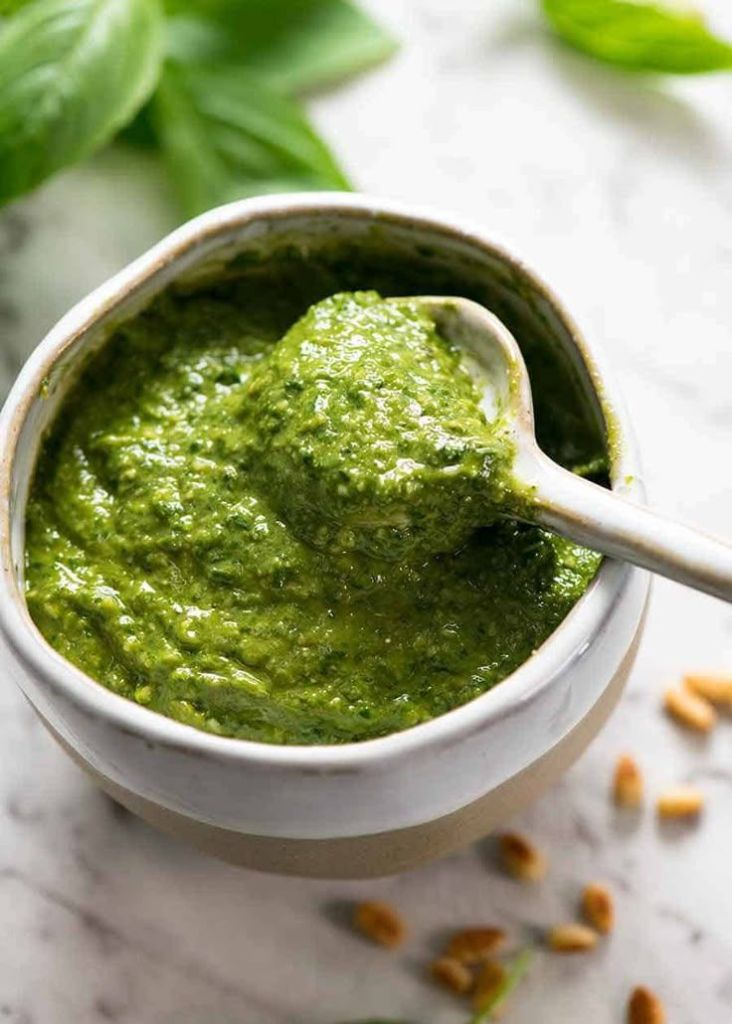
The real deal from Genoa - fresh, punchy, and ridiculously aromatic. There’s pesto… and then there’s proper pesto.
Not the dark, overly blended, oily paste you find in jars - but a bright green, fragrant, slightly textured sauce that tastes like crushed basil leaves on a summer afternoon.
If you’ve never made it the authentic way, this is where everything changes.
What Is Authentic Pesto?
Pesto alla Genovese is a traditional Italian sauce made by crushing:
Fresh basil
Garlic
Pine nuts
Cheese
Olive oil
👉 The word “pesto” comes from “pestare”to crush
And that’s the key:
It’s not blended. It’s crushed.
Why Authentic Technique Matters
When you blend pesto aggressively:
Heat builds up ❌
Basil oxidizes ❌
Flavor dulls ❌
When you crush it:
Oils release gently ✅
Color stays vibrant ✅
Flavor stays fresh and alive ✅
👉 That’s the difference between good and Italian grandmother-level pesto.
Crush garlic with a pinch of salt using a mortar and pestle 👉 This creates a smooth base
Step 2: Add pine nuts
Grind until creamy and slightly thick
Step 3: Add basil (slowly)
Add basil leaves gradually and crush in circular motion
👉 Don’t rush - this is where flavor builds
Step 4: Add cheese
Mix in grated Parmesan + Pecorino
Step 5: Finish with olive oil
Slowly drizzle and mix until silky but slightly textured
👉 Final texture: not a paste, not a puree - somewhere in between
Blender Method (Modern Shortcut)
No mortar? No problem - but do it right:
Use pulse mode, not continuous blending
Add oil gradually
Stop before it turns too smooth
👉 Keep it slightly coarse for authenticity
How to make Italian Basic Pesto Sauce
Pesto sauce is basic Italian sauce made from basil, pine nuts, parmesan cheese, olive oil, garlic. Walnuts are widely substituted with pine nuts and pesto sauce is widely used in many Italian dishes.
2 cup Basil Leaves
1/4 cup pine nuts (Walnuts can be used)
3-4 Garlic cloves
Salt (to taste)
1/4 cup Parmesan Cheese (Grated)
1/4 cup Extra Virgin Olive Oil (plus more if needed)
1 tsp Lemon juice
Authentic Method - Mortar and pestle
Crush garlic with a pinch of salt using a mortar and pestle
👉 This creates a smooth base
Add pine nuts and Grind until creamy and slightly thick
Add basil leaves gradually and crush in circular motion
👉 Don’t rush - this is where flavor builds , Mix in grated Parmesan.
Slowly drizzle and mix until silky but slightly textured
Add salt and lemon juice and the final texture should be coarse not puree.
Blender or Food processor method
Add all the ingredients in the jar of a food processor and pulse to blend everything.Keep in mind to not make a paste of the ingredients.
In between blending, keep scraping the sides of the blender using a spatula.Add some more olive oil if required while blending.
It is best to use pesto freshly made but you can store it in an airtight container for up to 2 days.
Pine nuts is traditionally used but can be substituted with walnuts or cashewnuts. Use olive oil as per the required blending. Do not use over powered blending because the pesto sauce is coarse and not paste. Traditionally made with parmesan cheese if not available you can skip it.
Italian sauce, Vegan
Italian
basil pesto, how to make pesto sauce, Italian sauce, pesto recipe, pesto sauce, pesto sauce recipe
Substitutions (If You Must)
Nuts
Pine nuts → walnuts (earthy), cashews (creamy)
Cheese
Parmesan only → fine
Vegan → nutritional yeast (not authentic, but works)
Herbs
Add spinach → milder flavor
Add parsley → brighter finish
👉 But remember: Authentic pesto = basil only
Frequently asked questions
Question
What’s Really Happening
Practical Fix / Answer
Why is my pesto bitter?
Overblending, oxidized basil, or strong olive oil can create bitterness.
Use fresh basil, pulse instead of blending continuously, and choose mild extra virgin olive oil.
Why is my pesto turning brown?
Oxidation from air exposure or heat buildup during blending.
Add a little lemon juice and store with a thin layer of oil on top.
Can I make pesto without pine nuts?
Pine nuts add richness but are not essential.
Substitute with walnuts, almonds, or cashews.
Can I freeze pesto?
Yes, but texture may slightly change.
Freeze in small portions (ice cube trays) and thaw gently.
How long does pesto last in the fridge?
Fresh pesto is delicate and oxidizes quickly.
Store in an airtight container for 3–4 days with oil on top.
Can I use dried basil instead of fresh?
Dried basil lacks the essential oils needed.
Always use fresh basil for authentic pesto.
Why is my pesto too thick?
Not enough oil or improper emulsification.
Add olive oil or a bit of water/pasta water gradually.
Why is my pesto too runny?
Too much oil added.
Balance with more cheese or nuts.
Can I make pesto vegan?
Traditional pesto contains cheese.
Replace cheese with nutritional yeast or vegan alternatives.
Should pesto be smooth or chunky?
Authentic pesto is slightly coarse, not fully smooth.
Blend lightly or crush manually for better texture.
Can I heat pesto sauce?
Heat dulls flavor and changes color.
Mix pesto with hot pasta off heat instead.
What oil is best for pesto?
Oil defines flavor significantly.
Use high-quality extra virgin olive oil.
How do I enhance pesto flavor?
Flavor depends on balance and freshness.
Add lemon zest, adjust salt, and use fresh grated cheese.
Why does my garlic taste too strong?
Raw garlic intensity varies.
Use smaller cloves or lightly blanch garlic.
Can I make pesto ahead of time?
Yes, but freshness decreases slightly.
Make fresh for best flavor; store properly if needed.
How to Use Pesto (Beyond Pasta)
Source: Pinterest ( Credits to respective owners / photographers )
Don’t over-garlic- it should support, not dominate
Final Thought
Authentic pesto isn’t about ingredients - it’s about respecting them.
No shortcuts. No overheating. No overthinking.
👉 Just crushing, balancing, and letting basil shine.
And once you taste it done right… jar pesto will never feel the same again.
Italian Pesto Sauce (Pesto alla Genovese)
The real deal from Genoa - fresh, punchy, and ridiculously aromatic. There’s pesto… and then there’s proper pesto.
Not the dark, overly blended, oily paste you find in jars - but a bright green, fragrant, slightly textured sauce that tastes like crushed basil leaves on a summer afternoon.
If you’ve never made it the authentic way, this is where everything changes.
What Is Authentic Pesto?
Pesto alla Genovese is a traditional Italian sauce made by crushing:
Fresh basil
Garlic
Pine nuts
Cheese
Olive oil
👉 The word “pesto” comes from “pestare”to crush
And that’s the key:
It’s not blended. It’s crushed.
Why Authentic Technique Matters
When you blend pesto aggressively:
Heat builds up ❌
Basil oxidizes ❌
Flavor dulls ❌
When you crush it:
Oils release gently ✅
Color stays vibrant ✅
Flavor stays fresh and alive ✅
👉 That’s the difference between good and Italian grandmother-level pesto.
Crush garlic with a pinch of salt using a mortar and pestle 👉 This creates a smooth base
Step 2: Add pine nuts
Grind until creamy and slightly thick
Step 3: Add basil (slowly)
Add basil leaves gradually and crush in circular motion
👉 Don’t rush - this is where flavor builds
Step 4: Add cheese
Mix in grated Parmesan + Pecorino
Step 5: Finish with olive oil
Slowly drizzle and mix until silky but slightly textured
👉 Final texture: not a paste, not a puree - somewhere in between
Blender Method (Modern Shortcut)
No mortar? No problem - but do it right:
Use pulse mode, not continuous blending
Add oil gradually
Stop before it turns too smooth
👉 Keep it slightly coarse for authenticity
How to make Italian Basic Pesto Sauce
Pesto sauce is basic Italian sauce made from basil, pine nuts, parmesan cheese, olive oil, garlic. Walnuts are widely substituted with pine nuts and pesto sauce is widely used in many Italian dishes.
2 cup Basil Leaves
1/4 cup pine nuts (Walnuts can be used)
3-4 Garlic cloves
Salt (to taste)
1/4 cup Parmesan Cheese (Grated)
1/4 cup Extra Virgin Olive Oil (plus more if needed)
1 tsp Lemon juice
Authentic Method - Mortar and pestle
Crush garlic with a pinch of salt using a mortar and pestle
👉 This creates a smooth base
Add pine nuts and Grind until creamy and slightly thick
Add basil leaves gradually and crush in circular motion
👉 Don’t rush - this is where flavor builds , Mix in grated Parmesan.
Slowly drizzle and mix until silky but slightly textured
Add salt and lemon juice and the final texture should be coarse not puree.
Blender or Food processor method
Add all the ingredients in the jar of a food processor and pulse to blend everything.Keep in mind to not make a paste of the ingredients.
In between blending, keep scraping the sides of the blender using a spatula.Add some more olive oil if required while blending.
It is best to use pesto freshly made but you can store it in an airtight container for up to 2 days.
Pine nuts is traditionally used but can be substituted with walnuts or cashewnuts. Use olive oil as per the required blending. Do not use over powered blending because the pesto sauce is coarse and not paste. Traditionally made with parmesan cheese if not available you can skip it.
Italian sauce, Vegan
Italian
basil pesto, how to make pesto sauce, Italian sauce, pesto recipe, pesto sauce, pesto sauce recipe
Substitutions (If You Must)
Nuts
Pine nuts → walnuts (earthy), cashews (creamy)
Cheese
Parmesan only → fine
Vegan → nutritional yeast (not authentic, but works)
Herbs
Add spinach → milder flavor
Add parsley → brighter finish
👉 But remember: Authentic pesto = basil only
Frequently asked questions
Question
What’s Really Happening
Practical Fix / Answer
Why is my pesto bitter?
Overblending, oxidized basil, or strong olive oil can create bitterness.
Use fresh basil, pulse instead of blending continuously, and choose mild extra virgin olive oil.
Why is my pesto turning brown?
Oxidation from air exposure or heat buildup during blending.
Add a little lemon juice and store with a thin layer of oil on top.
Can I make pesto without pine nuts?
Pine nuts add richness but are not essential.
Substitute with walnuts, almonds, or cashews.
Can I freeze pesto?
Yes, but texture may slightly change.
Freeze in small portions (ice cube trays) and thaw gently.
How long does pesto last in the fridge?
Fresh pesto is delicate and oxidizes quickly.
Store in an airtight container for 3–4 days with oil on top.
Can I use dried basil instead of fresh?
Dried basil lacks the essential oils needed.
Always use fresh basil for authentic pesto.
Why is my pesto too thick?
Not enough oil or improper emulsification.
Add olive oil or a bit of water/pasta water gradually.
Why is my pesto too runny?
Too much oil added.
Balance with more cheese or nuts.
Can I make pesto vegan?
Traditional pesto contains cheese.
Replace cheese with nutritional yeast or vegan alternatives.
Should pesto be smooth or chunky?
Authentic pesto is slightly coarse, not fully smooth.
Blend lightly or crush manually for better texture.
Can I heat pesto sauce?
Heat dulls flavor and changes color.
Mix pesto with hot pasta off heat instead.
What oil is best for pesto?
Oil defines flavor significantly.
Use high-quality extra virgin olive oil.
How do I enhance pesto flavor?
Flavor depends on balance and freshness.
Add lemon zest, adjust salt, and use fresh grated cheese.
Why does my garlic taste too strong?
Raw garlic intensity varies.
Use smaller cloves or lightly blanch garlic.
Can I make pesto ahead of time?
Yes, but freshness decreases slightly.
Make fresh for best flavor; store properly if needed.
How to Use Pesto (Beyond Pasta)
Source: Pinterest ( Credits to respective owners / photographers )