The first time I had fettuccine Alfredo was at a small Italian-American restaurant in my city. I expected pasta with cream and cheese, but what arrived was something else entirely — silky ribbons of pasta coated in the creamiest sauce I had ever tasted. I remember twirling the noodles endlessly on my fork, promising myself I’d only take half the portion. Spoiler: I ate it all. Alfredo is that kind of dish, indulgent, warm, and impossible to resist.
👉 Have you ever promised yourself “just one bite” and ended up finishing the whole plate? Alfredo does that to people.
Fettuccine Alfredo originated in Rome in the early 1900s, created by Alfredo di Lelio. He first cooked it for his wife, who had lost her appetite after childbirth, combining fresh fettuccine with butter and Parmigiano-Reggiano. The dish became famous when Hollywood stars Douglas Fairbanks and Mary Pickford tried it in Rome and brought it back to America. The classic Roman version uses only pasta, butter, and Parmesan — no cream. You can read more about its origins in this Food Web culture article.
Roman Fettuccine Alfredo (Authentic Version)
Ingredients: Only three - fresh fettuccine, unsalted butter, and Parmigiano-Reggiano.
Method: Pasta is cooked al dente, tossed with butter and Parmesan, and loosened with starchy pasta water. The heat and water emulsify everything into a silky sauce.
Texture: Lighter, less heavy, glossy, and smooth.
Flavor: Pure cheese-and-butter richness, nothing else.
Where to find it: Served at “Alfredo alla Scrofa” in Rome (the original restaurant).
American Fettuccine Alfredo
Ingredients: Fettuccine, butter, Parmesan, and heavy cream. Often includes garlic, parsley, and add-ins like chicken, shrimp, or broccoli.
Method: Butter and cream are simmered into a thick sauce, Parmesan is stirred in, and then tossed with pasta.
Texture: Creamy, rich, heavier than the Roman version.
Flavor: Rich, buttery, slightly sweet from the cream, often with more extras.
Where it’s popular: Italian-American restaurants (like Olive Garden) and home kitchens worldwide.
The recipe follows down, enjoy the pasta in advance.
Key Difference in a Nutshell
Roman Alfredo = no cream, just butter, Parmesan, and pasta water.
American Alfredo = cream-based sauce, often with extras like chicken or shrimp.
👉 Which style would you be more likely to cook at home - the lighter, authentic Roman version or the rich, creamy American version?
Why It’s Famous and a Must Try
Alfredo is more than pasta with sauce, it’s culinary comfort in a bowl. The creamy texture, the richness of Parmesan, and the way it clings to every strand of fettuccine make it a dish worth craving. In Italy, it’s celebrated for its simplicity, while in the U.S., it has evolved into the creamy version most people know. Whether you love the authenticity of Roman Alfredo or the indulgence of the American adaptation, it’s a dish everyone should try at least once.
👉 Which camp are you in - classic Roman simplicity, or creamy American indulgence?
Difference Between Alfredo and Similar Dishes
Fettuccine Alfredo vs Carbonara: Alfredo uses butter and cheese (sometimes cream), Carbonara uses eggs, guanciale, and Pecorino Romano.
Alfredo vs Mac and Cheese: Mac and cheese is baked or saucy with cheddar, Alfredo is silky and Parmesan-based.
Alfredo vs Cacio e Pepe: Cacio e Pepe is Roman simplicity with just pecorino and black pepper, Alfredo leans on butter and Parmesan (and cream in the American style).
Alfredo vs Bechamel Pasta: Bechamel uses a roux and milk, Alfredo relies on cheese and butter.
Fun Facts About Alfredo
The original Alfredo sauce was only butter and Parmesan, cream came later in the American adaptation.
In Rome, “Alfredo’s” restaurant still exists and serves the original recipe.
Hollywood stars helped make it famous abroad, and it became an Italian-American classic.
In Italy, if you ask for Alfredo, most locals will give you a puzzled look - it’s mostly seen as an Americanized dish today.
Recipe for Fettuccine Alfredo
Authentic Fettuccine Alfredo recipe
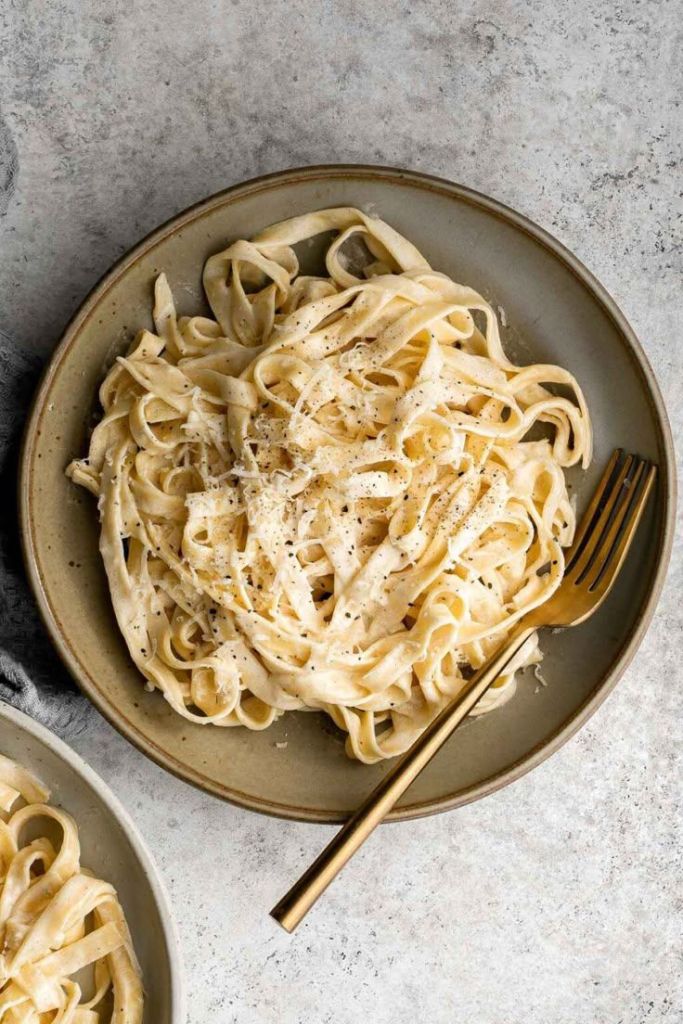
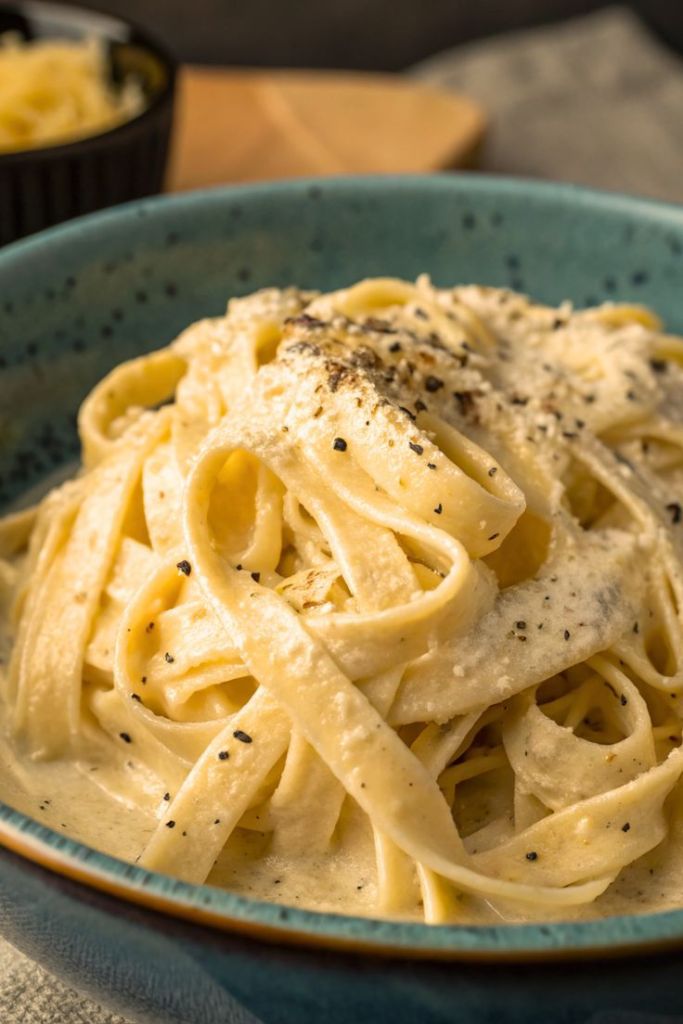
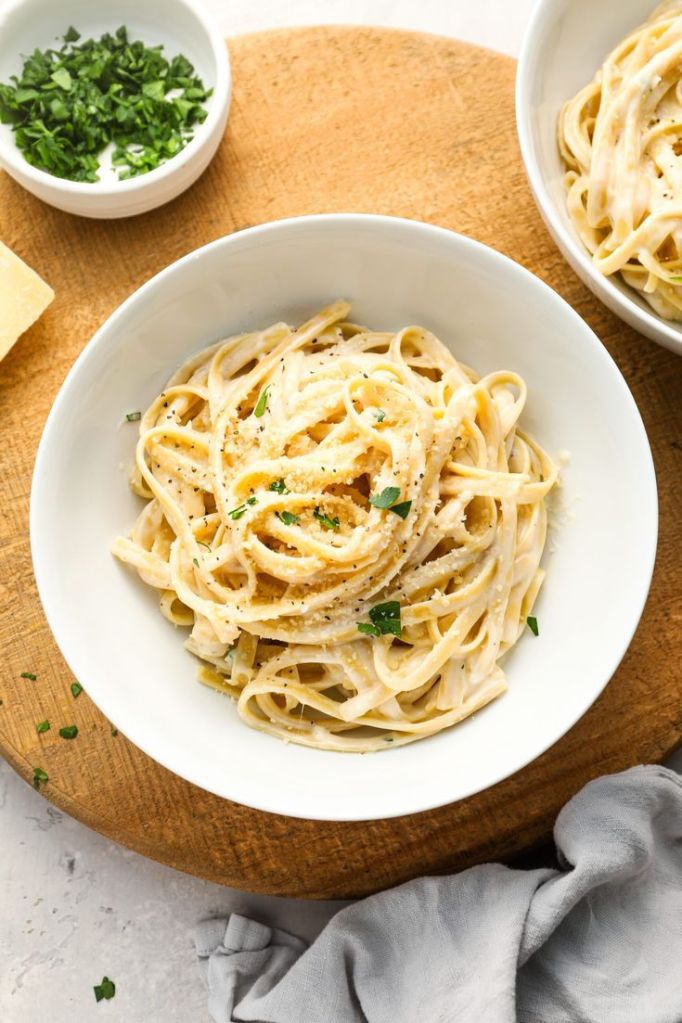
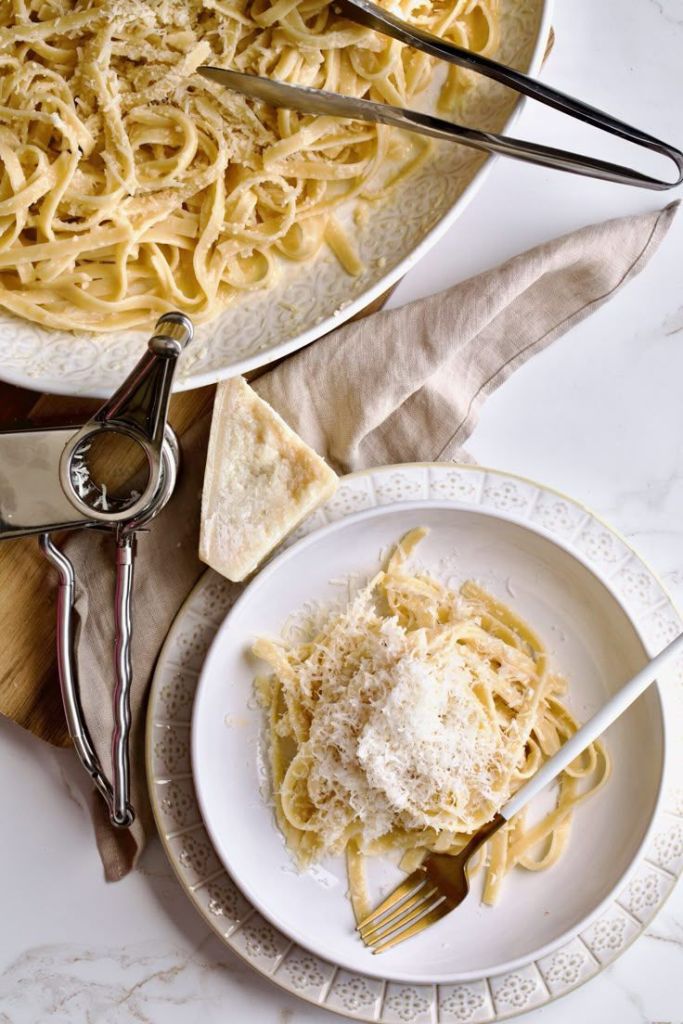
Fettuccine Alfredo is a creamy, comforting pasta dish loved worldwide. The Roman original uses just butter and Parmigiano-Reggiano, while the American version adds cream for extra richness. This recipe blends the best of both styles: silky fettuccine coated in a luscious, cheesy sauce that clings to every strand.
Large pot for pasta
Skillet or sauté pan
cheese grater
12 oz 340 g fettuccine pasta
1 cup heavy cream (for American-style creaminess, optional if making Roman-style)
½ cup unsalted butter (1 stick)
1 cup freshly grated Parmigiano-Reggiano cheese (plus more for garnish)
2 garlic cloves (minced (optional, for extra flavor))
Salt (to taste)
Freshly ground black pepper (to taste)
Fresh parsley (chopped, for garnish)
Cook the pasta
Bring a large pot of salted water to a boil. Cook the fettuccine according to package instructions until al dente. Reserve 1 cup of pasta water, then drain.
Start the sauce
In a large skillet, melt the butter over medium heat. If using garlic, sauté it for 1 minute until fragrant. Pour in the cream (if using) and let it gently simmer for 3 to 4 minutes, stirring occasionally.
Add cheese and pasta
Remove the pan from heat and stir in the Parmesan cheese until melted and smooth. Add the cooked pasta directly into the skillet, tossing well to coat each strand. If the sauce feels too thick, add a splash of reserved pasta water.
Season and finish
Season with salt and plenty of black pepper. Garnish with extra Parmesan and chopped parsley. Serve immediately while hot and creamy.
For the authentic Roman version, skip the cream and garlic. Toss just-cooked pasta with butter and Parmesan, using pasta water to create the sauce.
Always use freshly grated Parmesan (not pre-grated) for a smooth, silky sauce.
If reheating leftovers, do it gently over low heat with a splash of milk or broth to loosen the sauce.
Add-ons like grilled chicken, shrimp, broccoli, or mushrooms can turn Alfredo into a heartier main dish.
Alfredo sauce thickens as it cools, so serve it immediately for the best texture.
Italian sauce
Italian
Mistakes to Avoid – Fettuccine Alfredo
Mistake
Why it Happens
How to Fix it
Sauce turns grainy
Cheese was added while sauce was too hot
Remove pan from heat before adding Parmesan and stir gently
Sauce separates or looks oily
Too much heat or not enough pasta water
Keep heat low, use starchy pasta water to emulsify
Pasta overcooked
Left boiling too long
Cook pasta until just al dente and finish in the sauce
Sauce too thick
Added too much cheese or reduced cream too far
Thin with a splash of reserved pasta water
Sauce too thin
Cheese didn’t melt properly or not enough Parmesan
Add more grated Parmesan slowly, stirring off the heat
Flavor too bland
Skipped seasoning
Add salt, black pepper, and use high-quality Parmesan
Sauce clumps
Used pre-grated cheese with anti-caking agents
Always grate Parmesan fresh for smooth melting
Pasta not coated evenly
Sauce made separately and pasta added too late
Combine pasta and sauce in the skillet while both are hot
Sauce dries out when reheating
Alfredo thickens as it cools
Reheat gently with milk or broth to loosen
Overly heavy dish
Too much cream and butter
Balance richness with a fresh salad or lighter portions
Variations
Over the years, Alfredo has adapted to every kitchen. Some add grilled chicken or shrimp to make it a hearty main. Others lighten the sauce with milk or add garlic for extra flavor. There are versions with spinach, broccoli, or even mushrooms stirred in. On the lighter side, some cooks swap butter for olive oil, or Parmesan for lighter cheeses. And of course, there’s the ever-popular “Cajun Alfredo,” where a bit of spice brings heat to the creaminess.
Substitutes and Pairings
Substitutes
Tagliatelle or linguine if fettuccine isn’t available
Grana Padano or Pecorino Romano in place of Parmigiano-Reggiano
Olive oil for part of the butter to lighten the dish
Coconut cream or cashew cream for a dairy-free version
Pairings
Grilled chicken, shrimp, or salmon on top for protein
Garlic bread or focaccia to soak up extra sauce
A crisp green salad with lemon vinaigrette for freshness
Steamed broccoli, peas, or asparagus on the side
A glass of Pinot Grigio or Chardonnay to balance the richness
Fettuccine Alfredo FAQ
Question
Answer
Is Alfredo originally Italian?
Yes, Alfredo was born in Rome in 1914, but the American version with cream is more common outside Italy.
Why is my Alfredo sauce grainy?
Likely overheated cheese. Add Parmesan off the heat and stir gently.
Can I reheat Alfredo?
Yes, gently over low heat with a splash of milk or broth to loosen the sauce.
What pasta works best?
Fettuccine is classic, but tagliatelle or linguine also work well.
Do Italians use cream in Alfredo?
No, the original Roman recipe is just pasta, butter, and Parmesan.
Can I make it gluten free?
Absolutely, just use gluten-free pasta and check your cheese labels.
Can Alfredo be made ahead?
Best fresh, but you can prepare sauce and pasta separately, then combine before serving.
How can I thicken my sauce?
Add a bit more Parmesan or simmer gently until it reduces.
What protein goes best with it?
Chicken, shrimp, or salmon are all delicious pairings.
How long does Alfredo last in the fridge?
Up to three days in a sealed container, reheat gently.
Other Pasta recipes
Wrapping It Up
Fettuccine Alfredo is one of those dishes that connects comfort and elegance in a single bite. Whether you’re twirling Roman-style noodles coated in butter and Parmesan or digging into a creamy American bowl loaded with chicken and garlic bread on the side, Alfredo is pure happiness.
👉 So, if you had a choice tonight, would you keep it simple with the classic Roman Alfredo or go all-in with creamy American-style and extras on top?
The first time I had fettuccine Alfredo was at a small Italian-American restaurant in my city. I expected pasta with cream and cheese, but what arrived was something else entirely — silky ribbons of pasta coated in the creamiest sauce I had ever tasted. I remember twirling the noodles endlessly on my fork, promising myself I’d only take half the portion. Spoiler: I ate it all. Alfredo is that kind of dish, indulgent, warm, and impossible to resist.
👉 Have you ever promised yourself “just one bite” and ended up finishing the whole plate? Alfredo does that to people.
Fettuccine Alfredo originated in Rome in the early 1900s, created by Alfredo di Lelio. He first cooked it for his wife, who had lost her appetite after childbirth, combining fresh fettuccine with butter and Parmigiano-Reggiano. The dish became famous when Hollywood stars Douglas Fairbanks and Mary Pickford tried it in Rome and brought it back to America. The classic Roman version uses only pasta, butter, and Parmesan — no cream. You can read more about its origins in this Food Web culture article.
Roman Fettuccine Alfredo (Authentic Version)
Ingredients: Only three - fresh fettuccine, unsalted butter, and Parmigiano-Reggiano.
Method: Pasta is cooked al dente, tossed with butter and Parmesan, and loosened with starchy pasta water. The heat and water emulsify everything into a silky sauce.
Texture: Lighter, less heavy, glossy, and smooth.
Flavor: Pure cheese-and-butter richness, nothing else.
Where to find it: Served at “Alfredo alla Scrofa” in Rome (the original restaurant).
American Fettuccine Alfredo
Ingredients: Fettuccine, butter, Parmesan, and heavy cream. Often includes garlic, parsley, and add-ins like chicken, shrimp, or broccoli.
Method: Butter and cream are simmered into a thick sauce, Parmesan is stirred in, and then tossed with pasta.
Texture: Creamy, rich, heavier than the Roman version.
Flavor: Rich, buttery, slightly sweet from the cream, often with more extras.
Where it’s popular: Italian-American restaurants (like Olive Garden) and home kitchens worldwide.
The recipe follows down, enjoy the pasta in advance.
Key Difference in a Nutshell
Roman Alfredo = no cream, just butter, Parmesan, and pasta water.
American Alfredo = cream-based sauce, often with extras like chicken or shrimp.
👉 Which style would you be more likely to cook at home - the lighter, authentic Roman version or the rich, creamy American version?
Why It’s Famous and a Must Try
Alfredo is more than pasta with sauce, it’s culinary comfort in a bowl. The creamy texture, the richness of Parmesan, and the way it clings to every strand of fettuccine make it a dish worth craving. In Italy, it’s celebrated for its simplicity, while in the U.S., it has evolved into the creamy version most people know. Whether you love the authenticity of Roman Alfredo or the indulgence of the American adaptation, it’s a dish everyone should try at least once.
👉 Which camp are you in - classic Roman simplicity, or creamy American indulgence?
Difference Between Alfredo and Similar Dishes
Fettuccine Alfredo vs Carbonara: Alfredo uses butter and cheese (sometimes cream), Carbonara uses eggs, guanciale, and Pecorino Romano.
Alfredo vs Mac and Cheese: Mac and cheese is baked or saucy with cheddar, Alfredo is silky and Parmesan-based.
Alfredo vs Cacio e Pepe: Cacio e Pepe is Roman simplicity with just pecorino and black pepper, Alfredo leans on butter and Parmesan (and cream in the American style).
Alfredo vs Bechamel Pasta: Bechamel uses a roux and milk, Alfredo relies on cheese and butter.
Fun Facts About Alfredo
The original Alfredo sauce was only butter and Parmesan, cream came later in the American adaptation.
In Rome, “Alfredo’s” restaurant still exists and serves the original recipe.
Hollywood stars helped make it famous abroad, and it became an Italian-American classic.
In Italy, if you ask for Alfredo, most locals will give you a puzzled look - it’s mostly seen as an Americanized dish today.
Recipe for Fettuccine Alfredo
Authentic Fettuccine Alfredo recipe
Fettuccine Alfredo is a creamy, comforting pasta dish loved worldwide. The Roman original uses just butter and Parmigiano-Reggiano, while the American version adds cream for extra richness. This recipe blends the best of both styles: silky fettuccine coated in a luscious, cheesy sauce that clings to every strand.
Large pot for pasta
Skillet or sauté pan
cheese grater
12 oz 340 g fettuccine pasta
1 cup heavy cream (for American-style creaminess, optional if making Roman-style)
½ cup unsalted butter (1 stick)
1 cup freshly grated Parmigiano-Reggiano cheese (plus more for garnish)
2 garlic cloves (minced (optional, for extra flavor))
Salt (to taste)
Freshly ground black pepper (to taste)
Fresh parsley (chopped, for garnish)
Cook the pasta
Bring a large pot of salted water to a boil. Cook the fettuccine according to package instructions until al dente. Reserve 1 cup of pasta water, then drain.
Start the sauce
In a large skillet, melt the butter over medium heat. If using garlic, sauté it for 1 minute until fragrant. Pour in the cream (if using) and let it gently simmer for 3 to 4 minutes, stirring occasionally.
Add cheese and pasta
Remove the pan from heat and stir in the Parmesan cheese until melted and smooth. Add the cooked pasta directly into the skillet, tossing well to coat each strand. If the sauce feels too thick, add a splash of reserved pasta water.
Season and finish
Season with salt and plenty of black pepper. Garnish with extra Parmesan and chopped parsley. Serve immediately while hot and creamy.
For the authentic Roman version, skip the cream and garlic. Toss just-cooked pasta with butter and Parmesan, using pasta water to create the sauce.
Always use freshly grated Parmesan (not pre-grated) for a smooth, silky sauce.
If reheating leftovers, do it gently over low heat with a splash of milk or broth to loosen the sauce.
Add-ons like grilled chicken, shrimp, broccoli, or mushrooms can turn Alfredo into a heartier main dish.
Alfredo sauce thickens as it cools, so serve it immediately for the best texture.
Italian sauce
Italian
Mistakes to Avoid – Fettuccine Alfredo
Mistake
Why it Happens
How to Fix it
Sauce turns grainy
Cheese was added while sauce was too hot
Remove pan from heat before adding Parmesan and stir gently
Sauce separates or looks oily
Too much heat or not enough pasta water
Keep heat low, use starchy pasta water to emulsify
Pasta overcooked
Left boiling too long
Cook pasta until just al dente and finish in the sauce
Sauce too thick
Added too much cheese or reduced cream too far
Thin with a splash of reserved pasta water
Sauce too thin
Cheese didn’t melt properly or not enough Parmesan
Add more grated Parmesan slowly, stirring off the heat
Flavor too bland
Skipped seasoning
Add salt, black pepper, and use high-quality Parmesan
Sauce clumps
Used pre-grated cheese with anti-caking agents
Always grate Parmesan fresh for smooth melting
Pasta not coated evenly
Sauce made separately and pasta added too late
Combine pasta and sauce in the skillet while both are hot
Sauce dries out when reheating
Alfredo thickens as it cools
Reheat gently with milk or broth to loosen
Overly heavy dish
Too much cream and butter
Balance richness with a fresh salad or lighter portions
Variations
Over the years, Alfredo has adapted to every kitchen. Some add grilled chicken or shrimp to make it a hearty main. Others lighten the sauce with milk or add garlic for extra flavor. There are versions with spinach, broccoli, or even mushrooms stirred in. On the lighter side, some cooks swap butter for olive oil, or Parmesan for lighter cheeses. And of course, there’s the ever-popular “Cajun Alfredo,” where a bit of spice brings heat to the creaminess.
Substitutes and Pairings
Substitutes
Tagliatelle or linguine if fettuccine isn’t available
Grana Padano or Pecorino Romano in place of Parmigiano-Reggiano
Olive oil for part of the butter to lighten the dish
Coconut cream or cashew cream for a dairy-free version
Pairings
Grilled chicken, shrimp, or salmon on top for protein
Garlic bread or focaccia to soak up extra sauce
A crisp green salad with lemon vinaigrette for freshness
Steamed broccoli, peas, or asparagus on the side
A glass of Pinot Grigio or Chardonnay to balance the richness
Fettuccine Alfredo FAQ
Question
Answer
Is Alfredo originally Italian?
Yes, Alfredo was born in Rome in 1914, but the American version with cream is more common outside Italy.
Why is my Alfredo sauce grainy?
Likely overheated cheese. Add Parmesan off the heat and stir gently.
Can I reheat Alfredo?
Yes, gently over low heat with a splash of milk or broth to loosen the sauce.
What pasta works best?
Fettuccine is classic, but tagliatelle or linguine also work well.
Do Italians use cream in Alfredo?
No, the original Roman recipe is just pasta, butter, and Parmesan.
Can I make it gluten free?
Absolutely, just use gluten-free pasta and check your cheese labels.
Can Alfredo be made ahead?
Best fresh, but you can prepare sauce and pasta separately, then combine before serving.
How can I thicken my sauce?
Add a bit more Parmesan or simmer gently until it reduces.
What protein goes best with it?
Chicken, shrimp, or salmon are all delicious pairings.
How long does Alfredo last in the fridge?
Up to three days in a sealed container, reheat gently.
Other Pasta recipes
Wrapping It Up
Fettuccine Alfredo is one of those dishes that connects comfort and elegance in a single bite. Whether you’re twirling Roman-style noodles coated in butter and Parmesan or digging into a creamy American bowl loaded with chicken and garlic bread on the side, Alfredo is pure happiness.
👉 So, if you had a choice tonight, would you keep it simple with the classic Roman Alfredo or go all-in with creamy American-style and extras on top?