Chocolate Sponge Cake – Variations, Substitutes, Pairings

Quote from The Gourmet Palette on February 17, 2026, 8:38 pmChocolate sponge cake looks simple, but once people start baking it, questions explode:
Can I use oil instead of butter?
What cocoa is best?
Can I make it eggless?
What filling works best?
Why does mine taste flat?This guide answers all of that in an organized, practical way.
Source: Pinterest ( Credits to respective photographers and owners ) Table of contents
- Table of contents
- Chocolate Sponge Cake Variations
- Ingredient Substitutes (What Actually Works)
- Flavor Boosters (Small Additions That Change Everything)
- Fillings & Pairings (What Works Best)
- Soaking Syrups (When & Why to Use)
- Storage Guide
- Important Things to Remember
- When to Choose Chocolate Sponge Over Other Cakes
- Final Clarifying Note
Chocolate Sponge Cake Variations
Classic Light Chocolate Sponge
- Made with eggs, sugar, flour, cocoa
- Light, airy texture
- Best for layered celebration cakes
Perfect for frosting-heavy cakes.
Moist Oil-Based Chocolate Sponge
- Uses oil instead of butter
- Softer crumb
- Stays moist longer
Ideal for:
- Birthday cakes
- Cakes made a day ahead
Oil gives better moisture retention than butter.
Eggless Chocolate Sponge
Use:
- ½ cup yogurt
OR- 1 tbsp vinegar + 1 cup milk
Texture:
- Slightly softer
- Slightly denser
Important: Don’t overmix or it becomes rubbery.
Chocolate Genoise Style
- No baking powder
- Structure depends only on whipped eggs
Very light, slightly dry
Best used with soaking syrup.Rich Chocolate Sponge (For Layer Cakes)
Add:
- 1–2 tbsp sour cream or yogurt
- A splash of hot coffee
This deepens flavor and improves moisture.
Ingredient Substitutes (What Actually Works)
Flour Substitutes
• 50% whole wheat → works
• 100% whole wheat → too dense
• Cake flour → softer, lighter crumbAvoid self-raising flour unless adjusting leavening.
Cocoa Powder
Natural cocoa:
- Lighter color
- Slightly acidic
Dutch-processed cocoa:
- Darker
- Smoother flavor
Important:
If recipe uses baking soda, stick to natural cocoa unless adjusting acidity.Oil vs Butter
Butter:
- Better flavor
- Slightly firmer crumb
Oil:
- More moisture
- Softer texture
For tall layered cakes, oil works beautifully.
Milk Alternatives
Can substitute with:
- Almond milk
- Oat milk
- Soy milk
Works well in most recipes without structural changes.
Sugar Variations
White sugar → neutral flavor
Brown sugar → deeper caramel note
Caster sugar → smoother textureAvoid drastically reducing sugar — it affects structure and moisture.
Flavor Boosters (Small Additions That Change Everything)
• 1 tsp instant coffee → intensifies chocolate
• Pinch of salt → balances sweetness
• Vanilla extract → rounds flavor
• Orange zest → subtle brightness
• Cinnamon (tiny pinch) → warmthChocolate needs support — not overpowering.
Fillings & Pairings (What Works Best)
Pairing Type Example Flavor Profile When to Use Why It Works Classic Chocolate Dark chocolate ganache Rich, smooth, intense Celebration cakes, layered cakes Enhances chocolate depth without overpowering Light & Creamy Whipped cream Light, airy, mildly sweet Birthday cakes, simple layered cakes Balances richness of sponge Buttercream Chocolate or vanilla buttercream Sweet, creamy Kids’ cakes, frosted cakes Stable, easy to pipe and decorate Fruity Raspberry compote Tart, fresh, bright Layered cakes, anniversary cakes Tartness cuts through chocolate richness Fruity Strawberry filling Sweet-tart Casual cakes, summer desserts Adds freshness and color contrast Fruity Cherry filling Sweet, slightly tangy Black Forest-style cakes Classic chocolate + cherry combination Nutty Hazelnut spread Nutty, creamy Celebration and gourmet cakes Creates Nutella-style flavor profile Nutty Peanut butter frosting Salty-sweet Birthday cakes, layered cakes Adds bold contrast and richness Nutty Almond praline Crunchy, caramelized Premium desserts Adds texture contrast Caramel Salted caramel sauce Sweet, salty Luxury layered cakes Salt enhances chocolate flavor Coffee Espresso cream Slightly bitter, aromatic Adult flavor profiles Coffee intensifies chocolate depth Mousse Dark chocolate mousse Light yet rich Layered celebration cakes Creates professional bakery-style finish Citrus Orange zest or syrup Bright, slightly tangy Holiday cakes Lifts heavy chocolate flavor Soaking Syrup Coffee syrup Deep, aromatic Layered cakes Adds moisture and flavor depth Soaking Syrup Simple sugar syrup Neutral sweetness Slightly dry sponge rescue Restores moisture without changing flavor
Soaking Syrups (When & Why to Use)
Chocolate sponge benefits from light soaking when:
- Used in layered cakes
- Stored overnight
- Slightly overbaked
Simple syrup options:
• Sugar + water
• Coffee syrup
• Chocolate milk
• Orange syrupBrush lightly — don’t flood.
Storage Guide
Room temperature:
- 2 days (airtight)
Refrigerated:
- 5 days
Frozen:
- Up to 2 months (wrap tightly)
Oil-based sponge freezes better than butter-based.
Important Things to Remember
• Always sift cocoa
• Do not overmix
• Bake at consistent temperature
• Cool fully before frosting
• Rest 1–2 hours before slicingChocolate sponge improves slightly after resting.
When to Choose Chocolate Sponge Over Other Cakes
Choose chocolate sponge if:
- You need a light layered cake
- You’re pairing with heavy frosting
- You want a base that absorbs syrup well
Avoid if:
- You want extremely dense brownie-style cake
Final Clarifying Note
Chocolate sponge cake is about balance:
Air + moisture + structure.
If it’s too dense → mixing issue.
If it’s dry → baking time issue.
If it’s flat in flavor → cocoa quality or missing salt.Once you control those three things, chocolate sponge becomes predictable and reliable.
Chocolate sponge cake looks simple, but once people start baking it, questions explode:
Can I use oil instead of butter?
What cocoa is best?
Can I make it eggless?
What filling works best?
Why does mine taste flat?
This guide answers all of that in an organized, practical way.
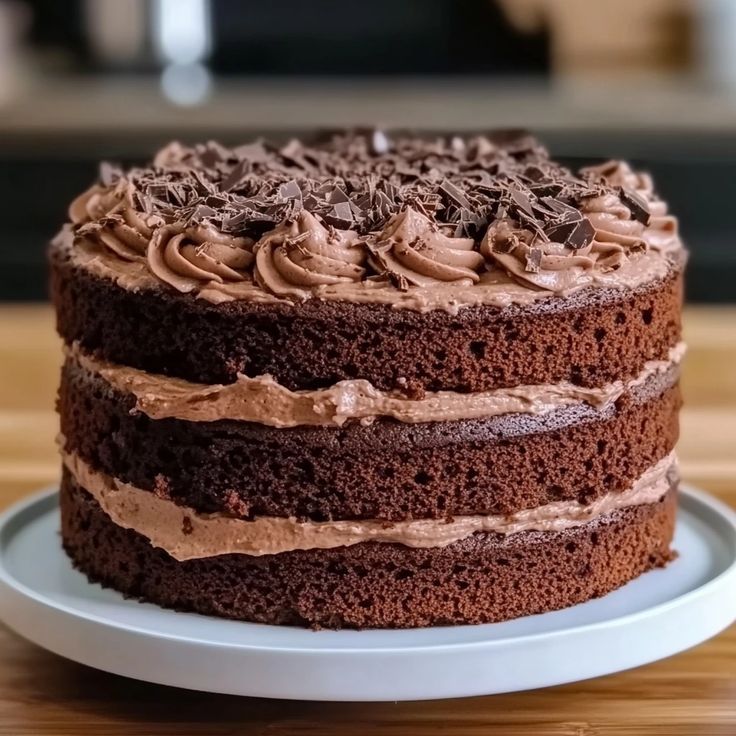
Table of contents
- Table of contents
- Chocolate Sponge Cake Variations
- Ingredient Substitutes (What Actually Works)
- Flavor Boosters (Small Additions That Change Everything)
- Fillings & Pairings (What Works Best)
- Soaking Syrups (When & Why to Use)
- Storage Guide
- Important Things to Remember
- When to Choose Chocolate Sponge Over Other Cakes
- Final Clarifying Note
Chocolate Sponge Cake Variations
Classic Light Chocolate Sponge
- Made with eggs, sugar, flour, cocoa
- Light, airy texture
- Best for layered celebration cakes
Perfect for frosting-heavy cakes.
Moist Oil-Based Chocolate Sponge
- Uses oil instead of butter
- Softer crumb
- Stays moist longer
Ideal for:
- Birthday cakes
- Cakes made a day ahead
Oil gives better moisture retention than butter.
Eggless Chocolate Sponge
Use:
- ½ cup yogurt
OR - 1 tbsp vinegar + 1 cup milk
Texture:
- Slightly softer
- Slightly denser
Important: Don’t overmix or it becomes rubbery.
Chocolate Genoise Style
- No baking powder
- Structure depends only on whipped eggs
Very light, slightly dry
Best used with soaking syrup.
Rich Chocolate Sponge (For Layer Cakes)
Add:
- 1–2 tbsp sour cream or yogurt
- A splash of hot coffee
This deepens flavor and improves moisture.
Ingredient Substitutes (What Actually Works)
Flour Substitutes
• 50% whole wheat → works
• 100% whole wheat → too dense
• Cake flour → softer, lighter crumb
Avoid self-raising flour unless adjusting leavening.
Cocoa Powder
Natural cocoa:
- Lighter color
- Slightly acidic
Dutch-processed cocoa:
- Darker
- Smoother flavor
Important:
If recipe uses baking soda, stick to natural cocoa unless adjusting acidity.
Oil vs Butter
Butter:
- Better flavor
- Slightly firmer crumb
Oil:
- More moisture
- Softer texture
For tall layered cakes, oil works beautifully.
Milk Alternatives
Can substitute with:
- Almond milk
- Oat milk
- Soy milk
Works well in most recipes without structural changes.
Sugar Variations
White sugar → neutral flavor
Brown sugar → deeper caramel note
Caster sugar → smoother texture
Avoid drastically reducing sugar — it affects structure and moisture.
Flavor Boosters (Small Additions That Change Everything)
• 1 tsp instant coffee → intensifies chocolate
• Pinch of salt → balances sweetness
• Vanilla extract → rounds flavor
• Orange zest → subtle brightness
• Cinnamon (tiny pinch) → warmth
Chocolate needs support — not overpowering.
Fillings & Pairings (What Works Best)
| Pairing Type | Example | Flavor Profile | When to Use | Why It Works |
|---|---|---|---|---|
| Classic Chocolate | Dark chocolate ganache | Rich, smooth, intense | Celebration cakes, layered cakes | Enhances chocolate depth without overpowering |
| Light & Creamy | Whipped cream | Light, airy, mildly sweet | Birthday cakes, simple layered cakes | Balances richness of sponge |
| Buttercream | Chocolate or vanilla buttercream | Sweet, creamy | Kids’ cakes, frosted cakes | Stable, easy to pipe and decorate |
| Fruity | Raspberry compote | Tart, fresh, bright | Layered cakes, anniversary cakes | Tartness cuts through chocolate richness |
| Fruity | Strawberry filling | Sweet-tart | Casual cakes, summer desserts | Adds freshness and color contrast |
| Fruity | Cherry filling | Sweet, slightly tangy | Black Forest-style cakes | Classic chocolate + cherry combination |
| Nutty | Hazelnut spread | Nutty, creamy | Celebration and gourmet cakes | Creates Nutella-style flavor profile |
| Nutty | Peanut butter frosting | Salty-sweet | Birthday cakes, layered cakes | Adds bold contrast and richness |
| Nutty | Almond praline | Crunchy, caramelized | Premium desserts | Adds texture contrast |
| Caramel | Salted caramel sauce | Sweet, salty | Luxury layered cakes | Salt enhances chocolate flavor |
| Coffee | Espresso cream | Slightly bitter, aromatic | Adult flavor profiles | Coffee intensifies chocolate depth |
| Mousse | Dark chocolate mousse | Light yet rich | Layered celebration cakes | Creates professional bakery-style finish |
| Citrus | Orange zest or syrup | Bright, slightly tangy | Holiday cakes | Lifts heavy chocolate flavor |
| Soaking Syrup | Coffee syrup | Deep, aromatic | Layered cakes | Adds moisture and flavor depth |
| Soaking Syrup | Simple sugar syrup | Neutral sweetness | Slightly dry sponge rescue | Restores moisture without changing flavor |
Soaking Syrups (When & Why to Use)
Chocolate sponge benefits from light soaking when:
- Used in layered cakes
- Stored overnight
- Slightly overbaked
Simple syrup options:
• Sugar + water
• Coffee syrup
• Chocolate milk
• Orange syrup
Brush lightly — don’t flood.
Storage Guide
Room temperature:
- 2 days (airtight)
Refrigerated:
- 5 days
Frozen:
- Up to 2 months (wrap tightly)
Oil-based sponge freezes better than butter-based.
Important Things to Remember
• Always sift cocoa
• Do not overmix
• Bake at consistent temperature
• Cool fully before frosting
• Rest 1–2 hours before slicing
Chocolate sponge improves slightly after resting.
When to Choose Chocolate Sponge Over Other Cakes
Choose chocolate sponge if:
- You need a light layered cake
- You’re pairing with heavy frosting
- You want a base that absorbs syrup well
Avoid if:
- You want extremely dense brownie-style cake
Final Clarifying Note
Chocolate sponge cake is about balance:
Air + moisture + structure.
If it’s too dense → mixing issue.
If it’s dry → baking time issue.
If it’s flat in flavor → cocoa quality or missing salt.
Once you control those three things, chocolate sponge becomes predictable and reliable.