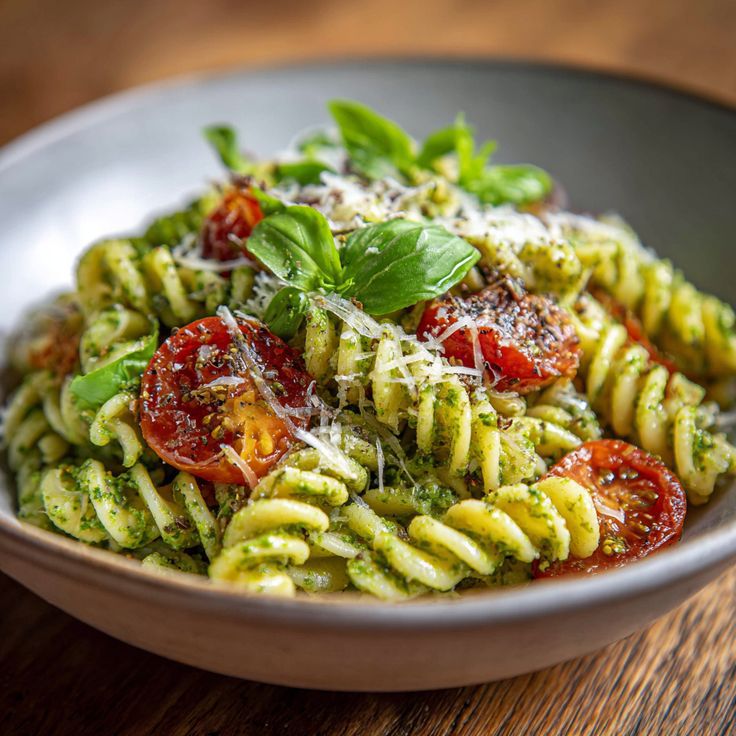
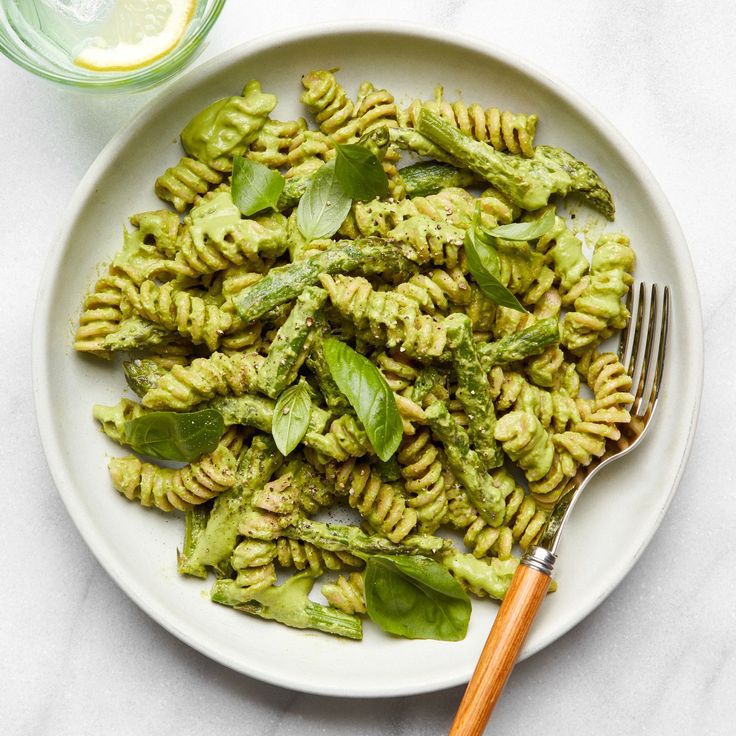
There’s something deeply satisfying about fusilli pesto. Those tight spirals don’t just look pretty - they trap the sauce, holding onto every bit of basil, garlic, and olive oil like they were designed for it.
This is one of those dishes that feels effortless but tastes like you actually know what you’re doing in the kitchen.
👉 The magic is in the contrast: warm pasta + fresh, raw pesto = bright, punchy, aromatic
Source: Pinterest ( Credits to respective owners / photographers )
A Quick Origin Story
Pesto comes from Genoa, where pesto alla Genovese was traditionally made by crushing:
Basil
Pine nuts
Garlic
Olive oil
Cheese
Fusilli isn’t traditional for pesto (they often use trofie), but honestly… 👉 fusilli might be better because of how it holds sauce.
Why Fusilli Works So Well
Spiral shape = maximum sauce retention
Firm bite = holds texture against oily pesto
Even coating = no bland bites
👉 Chef truth: flat pasta loses pesto faster, fusilli grips it.
Ingredients (Serves 2–3)
200g fusilli pasta
2 cups fresh basil leaves
30g pine nuts (or walnuts)
2 cloves garlic
50g Parmesan cheese (grated)
80ml olive oil
Salt (to taste)
Optional: squeeze of lemon juice
Step-by-Step Recipe
1. Cook the pasta
Boil salted water (like the sea)
Cook fusilli until al dente
Reserve ½ cup pasta water
2. Make the pesto
Blend:
Basil
Pine nuts
Garlic
Parmesan
Then slowly add olive oil → smooth, thick sauce
👉 Don’t overblend - heat kills basil freshness
3. Combine everything
Toss hot pasta with pesto
Add a splash of pasta water → emulsifies sauce
Adjust salt + finish with extra cheese
Delicious Fusilli pesto recipe | Pasta recipes
A vibrant, restaurant-quality fusilli pesto made with fresh basil, garlic, pine nuts, and olive oil. Light, aromatic, and ready in just 20 minutes - perfect for quick meals that still feel indulgent.
Stock pot
Blender
Skillet or sauté pan
For the Pasta:
200 g fusilli pasta
Water (for boiling)
1 tbsp salt (for pasta water)
For the Pesto:
2 cups fresh basil leaves (packed)
30 g pine nuts (or walnuts)
2 garlic cloves
50 g Parmesan cheese (freshly grated)
80 ml extra virgin olive oil
Salt to taste
Optional: 1–2 tsp lemon juice
Optional Garnish:
Extra Parmesan cheese
Fresh basil leaves
Chili flakes
Drizzle of olive oil
Step 1: Cook the Pasta
Bring a large pot of water to a boil.
Add salt (it should taste like the sea).
Add fusilli and cook until al dente (about 8–10 minutes).
Reserve ½ cup pasta water, then drain the pasta.
Step 2: Make the Pesto
In a blender or food processor, add:
Basil
Pine nuts
Garlic
Parmesan
Pulse briefly to combine.
Slowly drizzle in olive oil while blending until smooth but slightly textured.
Taste and adjust salt and lemon juice.
👉 Tip: Avoid overblending to keep the pesto bright and fresh.
Step 3: Combine
Add hot pasta to a large bowl.
Toss with pesto immediately.
Add a splash of reserved pasta water to loosen and emulsify the sauce.
Mix until evenly coated.
Step 4: Serve
Plate immediately
Top with Parmesan, basil, and olive oil
Serve warm (not overly hot)
Do not heat pesto directly - always mix with hot pasta
Use fresh basil only (dried won’t work)
Reserve pasta water - it creates a silky sauce
Don’t rinse pasta (you’ll lose starch needed for emulsification)
Pasta
Italian
Variations & Substitutions
Nut swaps
Pine nuts → walnuts, almonds, cashews
Cheese swaps
Parmesan → pecorino (sharper)
Vegan → nutritional yeast
Herb twists
Basil + parsley mix
Add spinach for milder flavor
Difference: Pesto vs Creamy Green Pasta
Feature
Pesto Pasta
Creamy Pasta
Base
Oil
Cream
Flavor
Fresh, herbal
Rich, heavy
Texture
Light coating
Thick sauce
👉 Pesto should feel alive and fresh, not heavy.
Source: Pinterest ( Credits to respective owners / photographers )
What to Serve With Fusilli Pesto
Grilled chicken or shrimp
Roasted vegetables (zucchini, peppers)
Burrata or mozzarella
Garlic bread
Frequently asked questions
Question
What’s Really Happening
Practical Fix / Answer
Why is my pesto bitter?
Basil oxidized or overblended; strong olive oil can also overpower.
Use fresh basil, pulse instead of overblending, and choose mild extra virgin olive oil.
Can I heat pesto sauce?
Heat destroys basil’s fresh aroma and turns color dull.
Never cook pesto directly - mix it with hot pasta instead.
Why is my pesto dry or thick?
Not enough oil or no emulsification.
Add olive oil or reserved pasta water gradually until silky.
Why is my pesto turning brown?
Oxidation from air exposure or excessive blending heat.
Add a splash of lemon juice and store with a thin oil layer on top.
Can I make pesto without pine nuts?
Pine nuts give richness, but aren’t essential.
Substitute with walnuts, almonds, or cashews.
Which pasta is best for pesto?
Smooth pasta doesn’t hold sauce well.
Use fusilli, trofie, or penne - shapes that trap sauce.
Can I use dried basil instead of fresh?
Dried basil lacks the oils needed for pesto.
Avoid it - fresh basil is essential for authentic flavor.
How do I store leftover pesto?
Exposure to air causes oxidation and flavor loss.
Refrigerate in airtight container with oil layer; use within 3–4 days.
Can I freeze pesto?
Yes, but texture may slightly change.
Freeze in ice cube trays for easy portions.
Why does my pesto taste bland?
Imbalance of salt, cheese, or garlic.
Adjust salt, add more Parmesan, or a small garlic boost.
Should I toast pine nuts?
Raw nuts are mild; toasted adds depth.
Lightly toast for richer flavor, but don’t burn.
Why is my pasta sticking together?
Not enough water or oil added too early.
Use plenty of boiling water and stir early in cooking.
Can I make fusilli pesto ahead of time?
Pasta absorbs sauce and dries out.
Store separately and combine fresh before serving.
What protein goes well with pesto pasta?
Pesto is light and herbal, needs balance.
Pair with grilled chicken, shrimp, or even salmon.
Can I make it vegan?
Traditional pesto uses cheese.
Replace Parmesan with nutritional yeast or vegan cheese.
Why is my pesto too oily?
Too much oil added without balance.
Add more cheese or nuts to stabilize texture.
Can I add cream to pesto?
Changes the dish entirely.
Yes, but it becomes a creamy pesto, heavier and less traditional.
How do I make restaurant-quality pesto?
Balance + technique matter more than ingredients.
Use fresh basil, good olive oil, pulse blend, and finish with pasta water.
Why does my garlic taste too strong?
Raw garlic can overpower quickly.
Use smaller cloves or blanch garlic briefly for milder flavor.
Can I use store-bought pesto?
Convenient but often lacks freshness.
Boost it with fresh basil, lemon juice, and olive oil before using.
Chef Tips (This Is Where It Levels Up)
Toast nuts lightly → deeper flavor
Use good olive oil (this is not the place to cheap out)
Always finish with fresh grated cheese (never pre-grated)
Fusilli pesto is one of those dishes that proves a point:
👉 You don’t need complexity - you need balance + technique
When done right, it’s fresh, vibrant, and ridiculously satisfying for something that takes under 20 minutes.
There’s something deeply satisfying about fusilli pesto. Those tight spirals don’t just look pretty - they trap the sauce, holding onto every bit of basil, garlic, and olive oil like they were designed for it.
This is one of those dishes that feels effortless but tastes like you actually know what you’re doing in the kitchen.
👉 The magic is in the contrast: warm pasta + fresh, raw pesto = bright, punchy, aromatic
Source: Pinterest ( Credits to respective owners / photographers )
A Quick Origin Story
Pesto comes from Genoa, where pesto alla Genovese was traditionally made by crushing:
Basil
Pine nuts
Garlic
Olive oil
Cheese
Fusilli isn’t traditional for pesto (they often use trofie), but honestly… 👉 fusilli might be better because of how it holds sauce.
Why Fusilli Works So Well
Spiral shape = maximum sauce retention
Firm bite = holds texture against oily pesto
Even coating = no bland bites
👉 Chef truth: flat pasta loses pesto faster, fusilli grips it.
Ingredients (Serves 2–3)
200g fusilli pasta
2 cups fresh basil leaves
30g pine nuts (or walnuts)
2 cloves garlic
50g Parmesan cheese (grated)
80ml olive oil
Salt (to taste)
Optional: squeeze of lemon juice
Step-by-Step Recipe
1. Cook the pasta
Boil salted water (like the sea)
Cook fusilli until al dente
Reserve ½ cup pasta water
2. Make the pesto
Blend:
Basil
Pine nuts
Garlic
Parmesan
Then slowly add olive oil → smooth, thick sauce
👉 Don’t overblend - heat kills basil freshness
3. Combine everything
Toss hot pasta with pesto
Add a splash of pasta water → emulsifies sauce
Adjust salt + finish with extra cheese
Delicious Fusilli pesto recipe | Pasta recipes
A vibrant, restaurant-quality fusilli pesto made with fresh basil, garlic, pine nuts, and olive oil. Light, aromatic, and ready in just 20 minutes - perfect for quick meals that still feel indulgent.
Stock pot
Blender
Skillet or sauté pan
For the Pasta:
200 g fusilli pasta
Water (for boiling)
1 tbsp salt (for pasta water)
For the Pesto:
2 cups fresh basil leaves (packed)
30 g pine nuts (or walnuts)
2 garlic cloves
50 g Parmesan cheese (freshly grated)
80 ml extra virgin olive oil
Salt to taste
Optional: 1–2 tsp lemon juice
Optional Garnish:
Extra Parmesan cheese
Fresh basil leaves
Chili flakes
Drizzle of olive oil
Step 1: Cook the Pasta
Bring a large pot of water to a boil.
Add salt (it should taste like the sea).
Add fusilli and cook until al dente (about 8–10 minutes).
Reserve ½ cup pasta water, then drain the pasta.
Step 2: Make the Pesto
In a blender or food processor, add:
Basil
Pine nuts
Garlic
Parmesan
Pulse briefly to combine.
Slowly drizzle in olive oil while blending until smooth but slightly textured.
Taste and adjust salt and lemon juice.
👉 Tip: Avoid overblending to keep the pesto bright and fresh.
Step 3: Combine
Add hot pasta to a large bowl.
Toss with pesto immediately.
Add a splash of reserved pasta water to loosen and emulsify the sauce.
Mix until evenly coated.
Step 4: Serve
Plate immediately
Top with Parmesan, basil, and olive oil
Serve warm (not overly hot)
Do not heat pesto directly - always mix with hot pasta
Use fresh basil only (dried won’t work)
Reserve pasta water - it creates a silky sauce
Don’t rinse pasta (you’ll lose starch needed for emulsification)
Pasta
Italian
Variations & Substitutions
Nut swaps
Pine nuts → walnuts, almonds, cashews
Cheese swaps
Parmesan → pecorino (sharper)
Vegan → nutritional yeast
Herb twists
Basil + parsley mix
Add spinach for milder flavor
Difference: Pesto vs Creamy Green Pasta
Feature
Pesto Pasta
Creamy Pasta
Base
Oil
Cream
Flavor
Fresh, herbal
Rich, heavy
Texture
Light coating
Thick sauce
👉 Pesto should feel alive and fresh, not heavy.
Source: Pinterest ( Credits to respective owners / photographers )
What to Serve With Fusilli Pesto
Grilled chicken or shrimp
Roasted vegetables (zucchini, peppers)
Burrata or mozzarella
Garlic bread
Frequently asked questions
Question
What’s Really Happening
Practical Fix / Answer
Why is my pesto bitter?
Basil oxidized or overblended; strong olive oil can also overpower.
Use fresh basil, pulse instead of overblending, and choose mild extra virgin olive oil.
Can I heat pesto sauce?
Heat destroys basil’s fresh aroma and turns color dull.
Never cook pesto directly - mix it with hot pasta instead.
Why is my pesto dry or thick?
Not enough oil or no emulsification.
Add olive oil or reserved pasta water gradually until silky.
Why is my pesto turning brown?
Oxidation from air exposure or excessive blending heat.
Add a splash of lemon juice and store with a thin oil layer on top.
Can I make pesto without pine nuts?
Pine nuts give richness, but aren’t essential.
Substitute with walnuts, almonds, or cashews.
Which pasta is best for pesto?
Smooth pasta doesn’t hold sauce well.
Use fusilli, trofie, or penne - shapes that trap sauce.
Can I use dried basil instead of fresh?
Dried basil lacks the oils needed for pesto.
Avoid it - fresh basil is essential for authentic flavor.
How do I store leftover pesto?
Exposure to air causes oxidation and flavor loss.
Refrigerate in airtight container with oil layer; use within 3–4 days.
Can I freeze pesto?
Yes, but texture may slightly change.
Freeze in ice cube trays for easy portions.
Why does my pesto taste bland?
Imbalance of salt, cheese, or garlic.
Adjust salt, add more Parmesan, or a small garlic boost.
Should I toast pine nuts?
Raw nuts are mild; toasted adds depth.
Lightly toast for richer flavor, but don’t burn.
Why is my pasta sticking together?
Not enough water or oil added too early.
Use plenty of boiling water and stir early in cooking.
Can I make fusilli pesto ahead of time?
Pasta absorbs sauce and dries out.
Store separately and combine fresh before serving.
What protein goes well with pesto pasta?
Pesto is light and herbal, needs balance.
Pair with grilled chicken, shrimp, or even salmon.
Can I make it vegan?
Traditional pesto uses cheese.
Replace Parmesan with nutritional yeast or vegan cheese.
Why is my pesto too oily?
Too much oil added without balance.
Add more cheese or nuts to stabilize texture.
Can I add cream to pesto?
Changes the dish entirely.
Yes, but it becomes a creamy pesto, heavier and less traditional.
How do I make restaurant-quality pesto?
Balance + technique matter more than ingredients.
Use fresh basil, good olive oil, pulse blend, and finish with pasta water.
Why does my garlic taste too strong?
Raw garlic can overpower quickly.
Use smaller cloves or blanch garlic briefly for milder flavor.
Can I use store-bought pesto?
Convenient but often lacks freshness.
Boost it with fresh basil, lemon juice, and olive oil before using.
Chef Tips (This Is Where It Levels Up)
Toast nuts lightly → deeper flavor
Use good olive oil (this is not the place to cheap out)
Always finish with fresh grated cheese (never pre-grated)