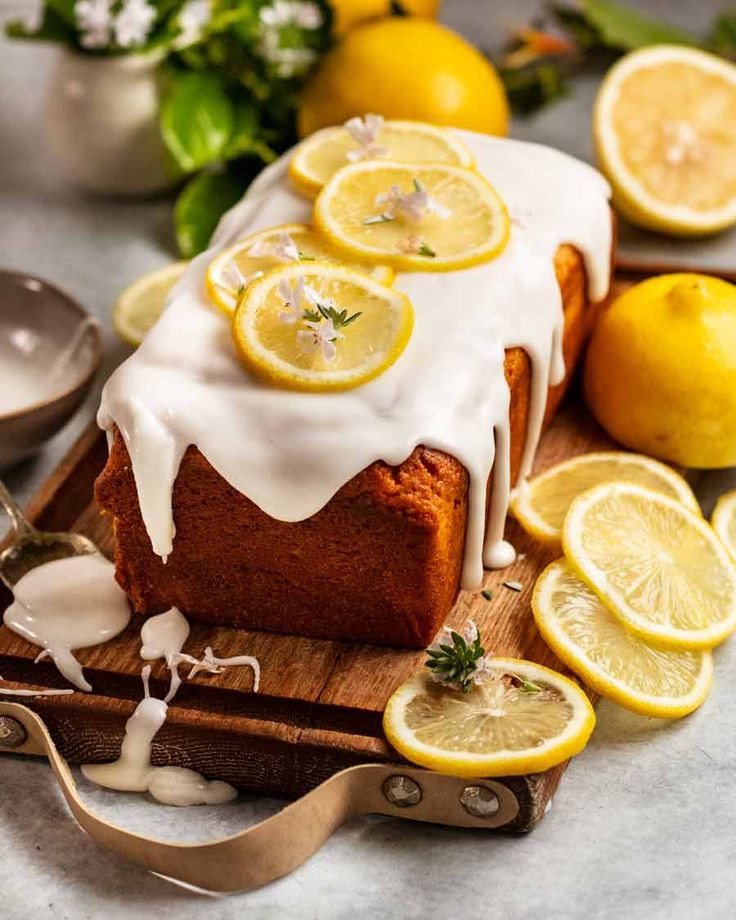
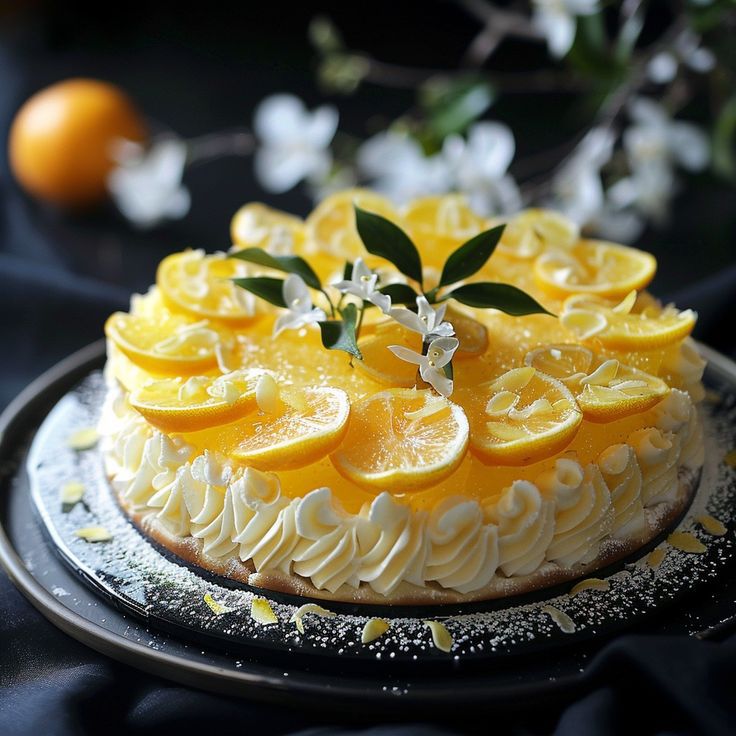
Lemon chiffon cake is a timeless dessert that brings together the airy texture of a sponge cake and the rich, moist consistency of a butter cake. This delightful confection is known for its light, fluffy texture and refreshing lemon flavor, making it a perfect treat for any occasion. Whether you’re an experienced baker or a novice in the kitchen, making a lemon chiffon cake is a rewarding experience that will impress your family and friends. In this blog, we’ll explore the history, ingredients, and detailed steps to create the perfect lemon chiffon cake, along with tips and variations to elevate your baking game.
If sponge cake and angel food cake had a perfectly balanced, slightly indulgent baby, this would be it.
A lemon chiffon cake is a light, ultra-fluffy cake made with oil (not butter) and whipped egg whites folded into a citrusy batter. The result? 👉 Soft like a cloud 👉 Moist (thanks to oil) 👉 Bright, fresh lemon flavor
It’s usually baked in a tube pan and often cooled upside down to keep that delicate structure from collapsing — a classic pastry-school move.
What makes it special (chef-to-chef breakdown)
Oil instead of butter → stays moist even when chilled
Separated eggs → whipped whites create that signature lift
No heavy fat → lighter mouthfeel than butter cakes
This is why chiffon sits between sponge and butter cake — structurally closer to sponge, but more forgiving and juicy.
The Origins of Chiffon Cake
Chiffon cake was invented by Harry Baker, a Los Angeles insurance salesman turned caterer, in the 1920s. For two decades, he kept the recipe a closely guarded secret, selling his cakes to the Brown Derby restaurant and other Hollywood hotspots. In 1947, he sold the recipe to General Mills, which popularized the cake through marketing and cookbooks. Unlike traditional cakes that rely on butter or shortening for fat, chiffon cakes use vegetable oil, which creates a lighter and moister texture.
Equipment Needed
Tube pan (angel food cake pan)
Mixing bowls
Electric mixer or stand mixer
Whisk
Spatula
Cooling rack
Ingredients
For the Cake:
2 1/4 cups cake flour
1 1/2 cups granulated sugar
1 tablespoon baking powder
1/2 teaspoon salt
7 large eggs, separated
3/4 cup water
1/2 cup vegetable oil
2 tablespoons lemon zest
1/4 cup fresh lemon juice
1/2 teaspoon cream of tartar
For the Lemon Glaze:
1 cup powdered sugar
2-3 tablespoons fresh lemon juice
1 teaspoon lemon zest (optional)
Step-by-Step Instructions
Step 1: Prepare the Ingredients
Preheat the Oven: Preheat your oven to 325°F (160°C). Ensure your tube pan is clean and dry. Do not grease the pan, as the batter needs to cling to the sides to rise properly.
Separate the Eggs: Carefully separate the eggs, placing the yolks in one bowl and the whites in another. Make sure no yolk gets into the whites to ensure they whip properly.
Step 2: Make the Batter
Mix Dry Ingredients: In a large bowl, sift together the cake flour, 1 cup of sugar, baking powder, and salt. This ensures an even distribution of ingredients and a light texture.
Pro chef tip (this changes everything)
Rub lemon zest into sugar before mixing.
👉 It releases essential oils → deeper lemon flavor without extra acidity 👉 This is the difference between good and wow
Combine Wet Ingredients: In another bowl, whisk together the egg yolks, water, vegetable oil, lemon zest, and lemon juice until well combined.
Combine Wet and Dry Mixtures: Gradually add the wet mixture to the dry ingredients, whisking until smooth and well incorporated.
Step 3: Whip the Egg Whites
Beat the Egg Whites: Using an electric mixer, beat the egg whites on medium speed until foamy.
Add Cream of Tartar: Add the cream of tartar to the egg whites and continue to beat on high speed until soft peaks form.
Add Sugar: Gradually add the remaining 1/2 cup of sugar, beating until stiff peaks form. The meringue should be glossy and hold firm peaks.
Step 4: Fold the Mixtures Together
Incorporate the Meringue: Gently fold a third of the egg white mixture into the batter to lighten it. Carefully fold in the remaining egg whites until just combined. Be careful not to deflate the mixture.
Step 5: Bake the Cake
Transfer to Pan: Pour the batter into the tube pan. Smooth the top with a spatula to ensure even baking.
Bake: Bake for 55-60 minutes, or until a toothpick inserted into the center comes out clean.
Cool Upside Down: Immediately invert the pan onto a cooling rack or over a bottle. Let the cake cool completely in the pan. This prevents the cake from collapsing.
Step 6: Prepare the Lemon Glaze
Mix the Glaze: In a small bowl, whisk together the powdered sugar and lemon juice until smooth. Adjust the consistency with more lemon juice if needed. Add lemon zest for extra flavor if desired.
Glaze the Cake: Once the cake is completely cool, run a knife around the edges to loosen it from the pan. Remove the cake and drizzle the lemon glaze over the top, allowing it to drip down the sides.
Lemon Chiffon Cake is a light, airy dessert that combines the tangy brightness of lemon with the delicate texture of a chiffon cake. This cake is known for its fluffy, melt-in-your-mouth crumb, achieved by folding whipped egg whites into a batter enriched with lemon juice and zest.
Often glazed with a lemony icing or dusted with powdered sugar, Lemon Chiffon Cake is a perfect balance of sweet and tart, making it an ideal treat for any occasion. Its refreshing flavor and elegant presentation make it a standout dessert that pleases both the eyes and the palate.
Cake
105 g Flour (All purpose flour or cake flour)
1 g Baking powder
1 g Salt
55 g Sugar
60 ml Oil
3 Egg yolk
3 Egg white
1 g Cream of tartare
85 g Sugar (for mixing in egg white)
7 g Lemon zest
10 ml Lemon juice
85 ml Water
Icing
125 g Icing sugar
15 ml Lemon juice
1 ml Color
Prepare the Ingredients
Preheat your oven to 180 degree celsius. Ensure your tube pan is clean and dry. Do not grease the pan, as the batter needs to cling to the sides to rise properly.
Carefully separate the eggs, placing the yolks in one bowl and the whites in another. Make sure no yolk gets into the whites to ensure they whip properly.
Make the Batter
In a large bowl, sift together the cake flour, 55g of sugar, baking powder, and salt. This ensures an even distribution of ingredients and a light texture.
In another bowl, whisk together the egg yolks, water, vegetable oil, lemon zest, and lemon juice until well combined.
Gradually add the wet mixture to the dry ingredients, whisking until smooth and well incorporated.
Whip the Egg Whites
Using an electric mixer, beat the egg whites on medium speed until foamy.
Add the cream of tartar to the egg whites and continue to beat on high speed until soft peaks form.
Gradually add the remaining 85g of sugar, beating until stiff peaks form. The meringue should be glossy and hold firm peaks.
Fold the Mixtures Together
Gently fold a third of the egg white mixture into the batter to lighten it. Carefully fold in the remaining egg whites until just combined. Be careful not to deflate the mixture.
Bake the Cake
Pour the batter into the tube pan. Smooth the top with a spatula to ensure even baking.
Bake for 35-45 minutes, or until a toothpick inserted into the center comes out clean.
Immediately invert the pan onto a cooling rack or over a bottle. Let the cake cool completely in the pan. This prevents the cake from collapsing.
Prepare the Lemon Glaze
In a small bowl, whisk together the icing or powdered sugar and lemon juice until smooth. Adjust the consistency with more lemon juice if needed. Add lemon zest for extra flavor if desired.
Once the cake is completely cool, run a knife around the edges to loosen it from the pan. Remove the cake and drizzle the lemon glaze over the top, allowing it to drip down the sides.
Tips for Success
Room Temperature Eggs: Use room temperature eggs for better volume and stability when whipping the egg whites.
Folding Technique: Fold the egg whites gently to avoid deflating the batter, which helps maintain the cake’s airy texture.
Proper Cooling: Cooling the cake upside down prevents it from collapsing and ensures it retains its structure.
Dessert
American, Europe
chiffon cake, chiffon cake lemon, chiffon cake recipes, European cakes, lemon cake recipe, lemon chiffon cake, lemon chiffon cake recipe, origin of chiffon cake, recipe for chiffon cake, recipe for lemon chiffon cake, variations of lemon chiffon cake, what is lemon chiffon cake
Bake It Your Way
Substitutions for Lemon Chiffon Cake!
Love lemon chiffon cake but missing an ingredient? No worries! From gluten-free flour blends to citrus swaps like lime zest, we’ve got creative substitutions to fit every need. Whether you're aiming for a healthier twist, accommodating dietary preferences, or simply experimenting, this guide has it all flour alternatives, egg replacements (hello, aquafaba!), and even ways to bring citrusy zing without lemons.
Variations
Lemon Blueberry Chiffon Cake: Fold in 1 cup of fresh blueberries into the batter before baking for a fruity twist.
Lemon Poppy Seed Chiffon Cake: Add 2 tablespoons of poppy seeds to the dry ingredients for added texture and flavor.
Lemon Coconut Chiffon Cake: Sprinkle shredded coconut over the glazed cake for a tropical flair.
Craving the details?Check out the full guide here for tips, tricks, and substitutions or variations to keep your cake light, airy, and utterly delicious!
Frequently asked questions
Why did my chiffon cake collapse after baking?
Common reasons:
Egg whites over- or under-whipped
Folding too aggressively (you killed the air)
Didn’t cool it upside down
Removed from pan too early
👉 Think of it like a soufflé - structure = air management.
Can I use butter instead of oil?
You can, but don’t.
Butter = flavor, but firmer crumb
Oil = signature softness + moisture
👉 If you want buttery flavor, add a bit of zest + maybe a light glaze instead.
What’s the difference between chiffon and sponge cake?
Quick clarity: Cake Sponge No fat Dry-ish, very light Chiffon Chiffon Oil Light + moist 👉 Chiffon = best of both worlds.
Why is my cake dense instead of fluffy?
You likely lost your air.
Under-whipped meringue → no structure
Overmixed batter → deflated
Added flour too aggressively
👉 Fold gently. Always. No shortcuts here.
Do I need a tube pan?
Technically no, but realistically yes.
Tube pan = even heat + structure support
Regular pan = higher risk of collapse + uneven bake
👉 Also: never grease the pan fully - the batter needs to cling to climb.
Conclusion
Lemon chiffon cake is a delightful and elegant dessert that balances lightness with rich flavor. Its fluffy texture and bright lemony taste make it a perfect treat for spring and summer gatherings, tea parties, or simply as a sweet indulgence. By following this guide, you can master the art of baking a lemon chiffon cake that will impress and delight your friends and family. Enjoy the process and savor each bite of this classic confection!
The Delightful World of Lemon Chiffon Cake
Lemon chiffon cake is a timeless dessert that brings together the airy texture of a sponge cake and the rich, moist consistency of a butter cake. This delightful confection is known for its light, fluffy texture and refreshing lemon flavor, making it a perfect treat for any occasion. Whether you’re an experienced baker or a novice in the kitchen, making a lemon chiffon cake is a rewarding experience that will impress your family and friends. In this blog, we’ll explore the history, ingredients, and detailed steps to create the perfect lemon chiffon cake, along with tips and variations to elevate your baking game.
If sponge cake and angel food cake had a perfectly balanced, slightly indulgent baby, this would be it.
A lemon chiffon cake is a light, ultra-fluffy cake made with oil (not butter) and whipped egg whites folded into a citrusy batter. The result? 👉 Soft like a cloud 👉 Moist (thanks to oil) 👉 Bright, fresh lemon flavor
It’s usually baked in a tube pan and often cooled upside down to keep that delicate structure from collapsing — a classic pastry-school move.
What makes it special (chef-to-chef breakdown)
Oil instead of butter → stays moist even when chilled
Separated eggs → whipped whites create that signature lift
No heavy fat → lighter mouthfeel than butter cakes
This is why chiffon sits between sponge and butter cake — structurally closer to sponge, but more forgiving and juicy.
The Origins of Chiffon Cake
Chiffon cake was invented by Harry Baker, a Los Angeles insurance salesman turned caterer, in the 1920s. For two decades, he kept the recipe a closely guarded secret, selling his cakes to the Brown Derby restaurant and other Hollywood hotspots. In 1947, he sold the recipe to General Mills, which popularized the cake through marketing and cookbooks. Unlike traditional cakes that rely on butter or shortening for fat, chiffon cakes use vegetable oil, which creates a lighter and moister texture.
Equipment Needed
Tube pan (angel food cake pan)
Mixing bowls
Electric mixer or stand mixer
Whisk
Spatula
Cooling rack
Ingredients
For the Cake:
2 1/4 cups cake flour
1 1/2 cups granulated sugar
1 tablespoon baking powder
1/2 teaspoon salt
7 large eggs, separated
3/4 cup water
1/2 cup vegetable oil
2 tablespoons lemon zest
1/4 cup fresh lemon juice
1/2 teaspoon cream of tartar
For the Lemon Glaze:
1 cup powdered sugar
2-3 tablespoons fresh lemon juice
1 teaspoon lemon zest (optional)
Step-by-Step Instructions
Step 1: Prepare the Ingredients
Preheat the Oven: Preheat your oven to 325°F (160°C). Ensure your tube pan is clean and dry. Do not grease the pan, as the batter needs to cling to the sides to rise properly.
Separate the Eggs: Carefully separate the eggs, placing the yolks in one bowl and the whites in another. Make sure no yolk gets into the whites to ensure they whip properly.
Step 2: Make the Batter
Mix Dry Ingredients: In a large bowl, sift together the cake flour, 1 cup of sugar, baking powder, and salt. This ensures an even distribution of ingredients and a light texture.
Pro chef tip (this changes everything)
Rub lemon zest into sugar before mixing.
👉 It releases essential oils → deeper lemon flavor without extra acidity 👉 This is the difference between good and wow
Combine Wet Ingredients: In another bowl, whisk together the egg yolks, water, vegetable oil, lemon zest, and lemon juice until well combined.
Combine Wet and Dry Mixtures: Gradually add the wet mixture to the dry ingredients, whisking until smooth and well incorporated.
Step 3: Whip the Egg Whites
Beat the Egg Whites: Using an electric mixer, beat the egg whites on medium speed until foamy.
Add Cream of Tartar: Add the cream of tartar to the egg whites and continue to beat on high speed until soft peaks form.
Add Sugar: Gradually add the remaining 1/2 cup of sugar, beating until stiff peaks form. The meringue should be glossy and hold firm peaks.
Step 4: Fold the Mixtures Together
Incorporate the Meringue: Gently fold a third of the egg white mixture into the batter to lighten it. Carefully fold in the remaining egg whites until just combined. Be careful not to deflate the mixture.
Step 5: Bake the Cake
Transfer to Pan: Pour the batter into the tube pan. Smooth the top with a spatula to ensure even baking.
Bake: Bake for 55-60 minutes, or until a toothpick inserted into the center comes out clean.
Cool Upside Down: Immediately invert the pan onto a cooling rack or over a bottle. Let the cake cool completely in the pan. This prevents the cake from collapsing.
Step 6: Prepare the Lemon Glaze
Mix the Glaze: In a small bowl, whisk together the powdered sugar and lemon juice until smooth. Adjust the consistency with more lemon juice if needed. Add lemon zest for extra flavor if desired.
Glaze the Cake: Once the cake is completely cool, run a knife around the edges to loosen it from the pan. Remove the cake and drizzle the lemon glaze over the top, allowing it to drip down the sides.
Lemon Chiffon Cake is a light, airy dessert that combines the tangy brightness of lemon with the delicate texture of a chiffon cake. This cake is known for its fluffy, melt-in-your-mouth crumb, achieved by folding whipped egg whites into a batter enriched with lemon juice and zest.
Often glazed with a lemony icing or dusted with powdered sugar, Lemon Chiffon Cake is a perfect balance of sweet and tart, making it an ideal treat for any occasion. Its refreshing flavor and elegant presentation make it a standout dessert that pleases both the eyes and the palate.
Cake
105 g Flour (All purpose flour or cake flour)
1 g Baking powder
1 g Salt
55 g Sugar
60 ml Oil
3 Egg yolk
3 Egg white
1 g Cream of tartare
85 g Sugar (for mixing in egg white)
7 g Lemon zest
10 ml Lemon juice
85 ml Water
Icing
125 g Icing sugar
15 ml Lemon juice
1 ml Color
Prepare the Ingredients
Preheat your oven to 180 degree celsius. Ensure your tube pan is clean and dry. Do not grease the pan, as the batter needs to cling to the sides to rise properly.
Carefully separate the eggs, placing the yolks in one bowl and the whites in another. Make sure no yolk gets into the whites to ensure they whip properly.
Make the Batter
In a large bowl, sift together the cake flour, 55g of sugar, baking powder, and salt. This ensures an even distribution of ingredients and a light texture.
In another bowl, whisk together the egg yolks, water, vegetable oil, lemon zest, and lemon juice until well combined.
Gradually add the wet mixture to the dry ingredients, whisking until smooth and well incorporated.
Whip the Egg Whites
Using an electric mixer, beat the egg whites on medium speed until foamy.
Add the cream of tartar to the egg whites and continue to beat on high speed until soft peaks form.
Gradually add the remaining 85g of sugar, beating until stiff peaks form. The meringue should be glossy and hold firm peaks.
Fold the Mixtures Together
Gently fold a third of the egg white mixture into the batter to lighten it. Carefully fold in the remaining egg whites until just combined. Be careful not to deflate the mixture.
Bake the Cake
Pour the batter into the tube pan. Smooth the top with a spatula to ensure even baking.
Bake for 35-45 minutes, or until a toothpick inserted into the center comes out clean.
Immediately invert the pan onto a cooling rack or over a bottle. Let the cake cool completely in the pan. This prevents the cake from collapsing.
Prepare the Lemon Glaze
In a small bowl, whisk together the icing or powdered sugar and lemon juice until smooth. Adjust the consistency with more lemon juice if needed. Add lemon zest for extra flavor if desired.
Once the cake is completely cool, run a knife around the edges to loosen it from the pan. Remove the cake and drizzle the lemon glaze over the top, allowing it to drip down the sides.
Tips for Success
Room Temperature Eggs: Use room temperature eggs for better volume and stability when whipping the egg whites.
Folding Technique: Fold the egg whites gently to avoid deflating the batter, which helps maintain the cake’s airy texture.
Proper Cooling: Cooling the cake upside down prevents it from collapsing and ensures it retains its structure.
Dessert
American, Europe
chiffon cake, chiffon cake lemon, chiffon cake recipes, European cakes, lemon cake recipe, lemon chiffon cake, lemon chiffon cake recipe, origin of chiffon cake, recipe for chiffon cake, recipe for lemon chiffon cake, variations of lemon chiffon cake, what is lemon chiffon cake
Bake It Your Way
Substitutions for Lemon Chiffon Cake!
Love lemon chiffon cake but missing an ingredient? No worries! From gluten-free flour blends to citrus swaps like lime zest, we’ve got creative substitutions to fit every need. Whether you're aiming for a healthier twist, accommodating dietary preferences, or simply experimenting, this guide has it all flour alternatives, egg replacements (hello, aquafaba!), and even ways to bring citrusy zing without lemons.
Variations
Lemon Blueberry Chiffon Cake: Fold in 1 cup of fresh blueberries into the batter before baking for a fruity twist.
Lemon Poppy Seed Chiffon Cake: Add 2 tablespoons of poppy seeds to the dry ingredients for added texture and flavor.
Lemon Coconut Chiffon Cake: Sprinkle shredded coconut over the glazed cake for a tropical flair.
Craving the details?Check out the full guide here for tips, tricks, and substitutions or variations to keep your cake light, airy, and utterly delicious!
Frequently asked questions
Why did my chiffon cake collapse after baking?
Common reasons:
Egg whites over- or under-whipped
Folding too aggressively (you killed the air)
Didn’t cool it upside down
Removed from pan too early
👉 Think of it like a soufflé - structure = air management.
Can I use butter instead of oil?
You can, but don’t.
Butter = flavor, but firmer crumb
Oil = signature softness + moisture
👉 If you want buttery flavor, add a bit of zest + maybe a light glaze instead.
What’s the difference between chiffon and sponge cake?
Quick clarity: Cake Sponge No fat Dry-ish, very light Chiffon Chiffon Oil Light + moist 👉 Chiffon = best of both worlds.
Why is my cake dense instead of fluffy?
You likely lost your air.
Under-whipped meringue → no structure
Overmixed batter → deflated
Added flour too aggressively
👉 Fold gently. Always. No shortcuts here.
Do I need a tube pan?
Technically no, but realistically yes.
Tube pan = even heat + structure support
Regular pan = higher risk of collapse + uneven bake
👉 Also: never grease the pan fully - the batter needs to cling to climb.
Conclusion
Lemon chiffon cake is a delightful and elegant dessert that balances lightness with rich flavor. Its fluffy texture and bright lemony taste make it a perfect treat for spring and summer gatherings, tea parties, or simply as a sweet indulgence. By following this guide, you can master the art of baking a lemon chiffon cake that will impress and delight your friends and family. Enjoy the process and savor each bite of this classic confection!