The first time I made a Genoise sponge cake, I thought it was going to be a piece of cake (pun fully intended). Eggs, sugar, flour… how hard could it be? Twenty-five minutes later, I pulled out something that looked more like a rubbery pancake than the elegant sponge I’d seen in patisserie windows. I nearly gave up then and there, but something about Genoise kept pulling me back. Maybe it was the challenge, maybe it was my pride.
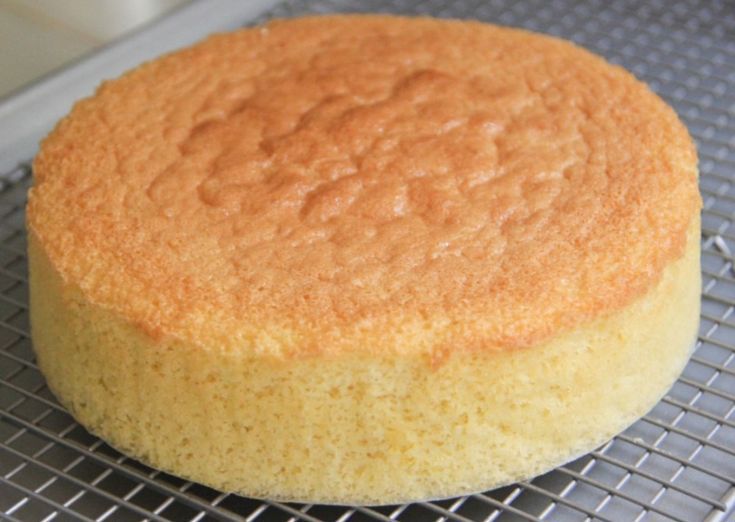
By my third attempt, I had figured it out: whisk the eggs until they’re as fluffy as clouds, fold the flour like it’s the most fragile treasure in the world, and never, ever rush. That day, I finally saw it rise into a golden pillow of a cake, and honestly, it felt like winning a mini baking championship.
👉 Have you ever had a “disaster cake” moment? Share it with me—I promise I won’t judge!
Genoise is named after Genoa, Italy, but it also has a big French connection. Italian chefs brought it to France during the Renaissance, and the French perfected it in their patisseries. Today, it’s considered a European classic. It’s the foundation for so many desserts—fraisier, roulades, even tiramisu-style rolls.
Victoria sponge = butter + baking powder, very British.
Chiffon cake = oil + baking powder, super soft.
Genoise sponge = no fat in the batter (sometimes a little butter folded in), no baking powder, just whipped eggs carrying the whole thing.
👉 If you’ve baked any of these, which one do you think is trickiest?
Recipe for Genoise sponge cake
Genoise sponge cake recipe
The Genoise sponge is a classic European cake base, originating in Italy and perfected in France. Light, airy, and versatile, it’s the foundation for elegant desserts like fraisier, roulades, and tiramisu rolls. Unlike other sponges, it contains no chemical leavening—its rise comes entirely from whipped eggs. This recipe will guide you to the perfect Genoise, ready to be layered, filled, and transformed.
Stand mixer or hand mixer
Saucepan
Fine mesh sieve
Rubber spatula
8-inch round cake tin
4 large eggs (room temperature)
120 g ½ cup caster sugar
120 g 1 cup cake flour (or all-purpose flour sifted with 2 tbsp cornstarch)
1 tsp vanilla extract
30 g 2 tbsp unsalted butter, melted and cooled (optional, for richness)
a pinch of salt
Prepare the oven and tin: Preheat oven to 180°C (355°F). Grease and line the cake tin with parchment.
Warm the eggs and sugar: Place eggs and sugar in a heatproof bowl over simmering water, whisking until lukewarm (not hot).
Whip the eggs: Using a mixer, beat the eggs and sugar until pale, thick, and tripled in volume (ribbon stage).
Add flour: Sift flour with pinch of salt in small batches over the egg mixture, gently folding with a spatula to avoid deflating.
Incorporate butter and vanilla: Mix a spoonful of batter into the melted butter, then fold back into the main mixture with vanilla.
Bake: Pour into prepared tin and bake 25–30 minutes until golden and springy to the touch.
Cool: Remove from oven, cool in the pan for 5 minutes, then transfer to a rack.
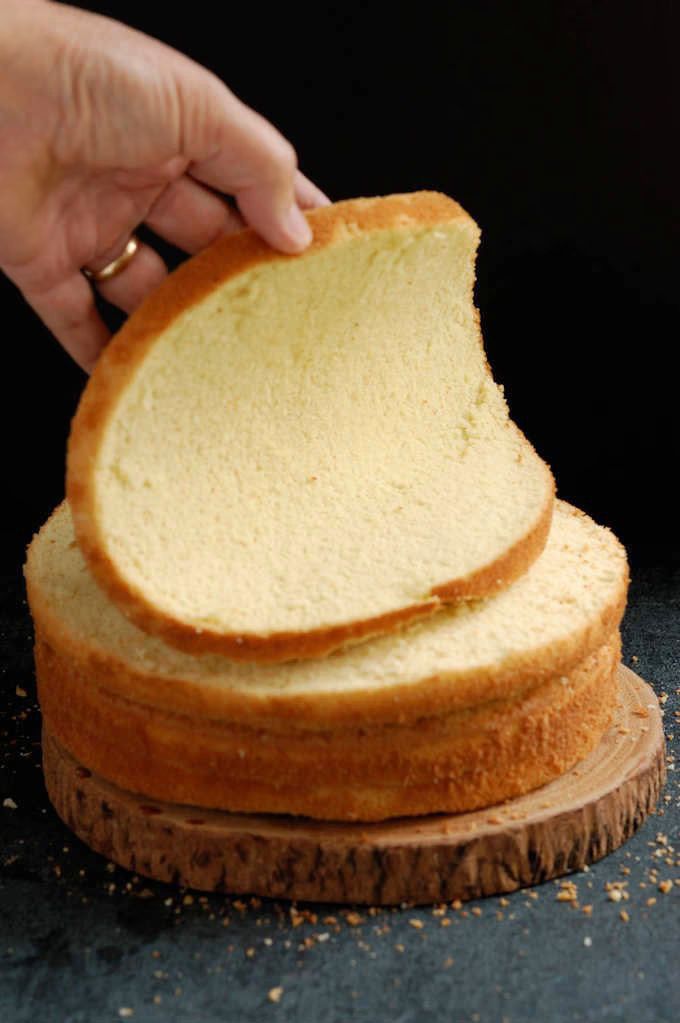
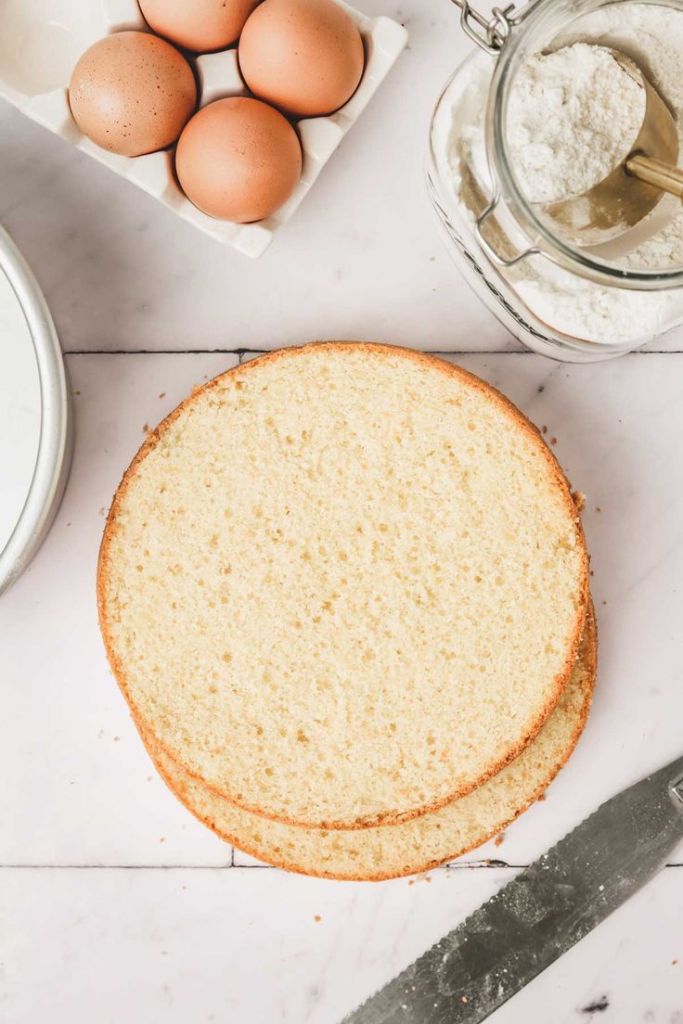
Use as base: Slice horizontally and soak layers with syrup before filling with cream, fruit, or ganache.
Flour choice matters: Cake flour gives the lightest crumb, but all-purpose + cornstarch works in a pinch.
Temperature trick: Room temperature eggs whip better, don’t skip this.
Do not overfold: Gentle folding is the difference between a fluffy cake and a pancake.
Always soak: Syrups are essential to add flavor and prevent dryness. Coffee, rum, citrus, or fruit juice all work beautifully.
Make ahead: Genoise can be baked the day before, wrapped well, and sliced the next day—it actually cuts more cleanly.
Serving Suggestions
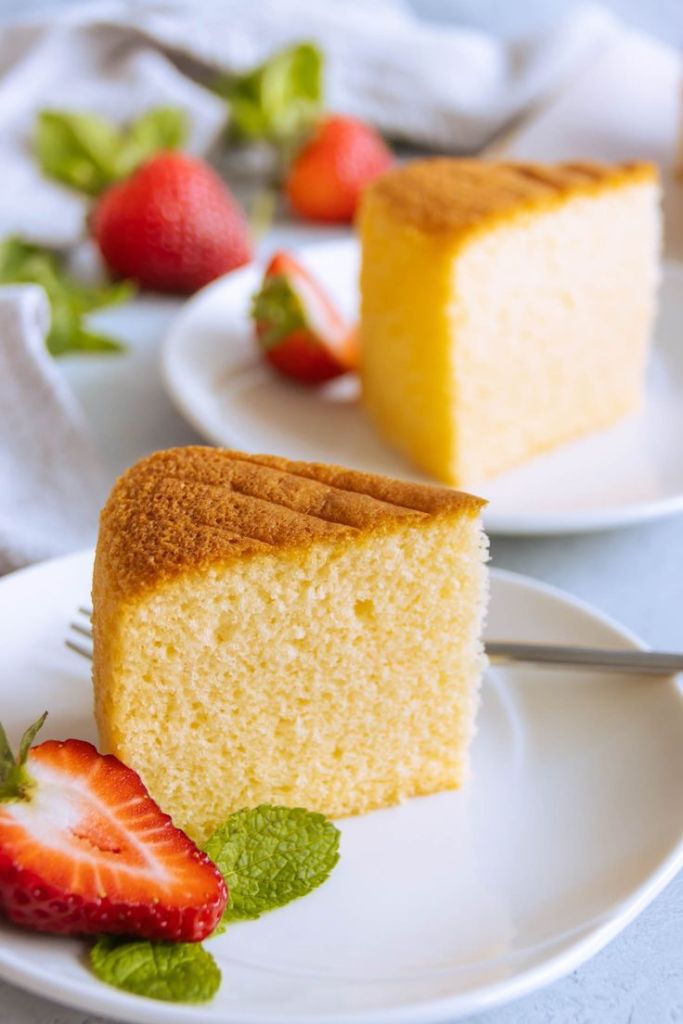
Layer with strawberries and cream for a fraisier cake.
Roll with espresso syrup and mascarpone for a tiramisu-style dessert.
Brush with rum syrup and fill with chocolate ganache for a rich celebration cake.
cakes
Dessert
genoise sponge, genoise sponge cake, genoise sponge cake recipe, how to make sponge cake without egg, recipe for genoise sponge
Variations and Substitutes
Chocolate Genoise – replace 25 g of flour with cocoa powder.
Nutty Genoise – fold in ground almonds or hazelnuts.
Gluten-Free – use rice flour or almond flour.
No cake flour? – all-purpose flour + cornstarch works well.
Serving Suggestions of genoise sponge
Think of Genoise as a blank canvas — here’s how you can turn it into a masterpiece:
Layer Cake: Slice into two or three layers, soak each with syrup, and fill with whipped cream, custard, or mousse.
Fraisier: A French classic — Genoise layered with strawberries and crème mousseline.
Tiramisu Roll: Roll the sponge with espresso syrup and mascarpone cream.
Festive Yule Log (Bûche de Noël): Spread with chocolate buttercream, roll, and decorate with cocoa dusting and holly.
Mini Cakes: Cut with cookie cutters into small rounds, layer with jam and cream for elegant tea-time bites.
Trifle Base: Cube the sponge, soak in sherry or fruit syrup, and layer with custard and fruit.
Whip eggs until thick and ribbon-like, fold flour gently in small batches
Dry texture
Genoise is naturally drier
Always brush with syrup (coffee, liquor, fruit juice) before filling
No rise
Oven too cool, or batter sat out too long
Bake immediately in a properly preheated oven
Rubbery sponge
Overmixed after adding flour
Fold slowly with a spatula, avoid stirring motions
Eggs won’t whip
Eggs were cold
Use room temperature eggs for maximum volume
Cake stuck to pan
Pan not lined properly
Always grease and line tins with parchment paper
Cracks on top
Oven too hot
Bake at 175°C (350°F), don’t rush with higher heat
Soggy middle
Underbaked or oven door opened too early
Bake until sponge springs back when pressed lightly
Bland flavor
Genoise is intentionally plain
Pair with bold syrups, creams, fruits, or liqueurs
Collapsed center
Egg foam not stable or folding knocked air out
Beat eggs longer for structure, fold flour carefully without deflating
Why It’s Worth the Effort
Yes, Genoise will test your patience. But once you master it, you hold the key to endless creations—layered with fruit, rolled with creams, or dressed in chocolate. It’s the kind of recipe that grows with you, becoming more refined each time you bake it.
So, will you give Genoise a chance this weekend? Even if your first attempt fails, remember—you’re joining a long tradition of bakers who learned resilience through this humble sponge.
The first time I made a Genoise sponge cake, I thought it was going to be a piece of cake (pun fully intended). Eggs, sugar, flour… how hard could it be? Twenty-five minutes later, I pulled out something that looked more like a rubbery pancake than the elegant sponge I’d seen in patisserie windows. I nearly gave up then and there, but something about Genoise kept pulling me back. Maybe it was the challenge, maybe it was my pride.
By my third attempt, I had figured it out: whisk the eggs until they’re as fluffy as clouds, fold the flour like it’s the most fragile treasure in the world, and never, ever rush. That day, I finally saw it rise into a golden pillow of a cake, and honestly, it felt like winning a mini baking championship.
👉 Have you ever had a “disaster cake” moment? Share it with me—I promise I won’t judge!
Genoise is named after Genoa, Italy, but it also has a big French connection. Italian chefs brought it to France during the Renaissance, and the French perfected it in their patisseries. Today, it’s considered a European classic. It’s the foundation for so many desserts—fraisier, roulades, even tiramisu-style rolls.
Victoria sponge = butter + baking powder, very British.
Chiffon cake = oil + baking powder, super soft.
Genoise sponge = no fat in the batter (sometimes a little butter folded in), no baking powder, just whipped eggs carrying the whole thing.
👉 If you’ve baked any of these, which one do you think is trickiest?
Recipe for Genoise sponge cake
Genoise sponge cake recipe
The Genoise sponge is a classic European cake base, originating in Italy and perfected in France. Light, airy, and versatile, it’s the foundation for elegant desserts like fraisier, roulades, and tiramisu rolls. Unlike other sponges, it contains no chemical leavening—its rise comes entirely from whipped eggs. This recipe will guide you to the perfect Genoise, ready to be layered, filled, and transformed.
Stand mixer or hand mixer
Saucepan
Fine mesh sieve
Rubber spatula
8-inch round cake tin
4 large eggs (room temperature)
120 g ½ cup caster sugar
120 g 1 cup cake flour (or all-purpose flour sifted with 2 tbsp cornstarch)
1 tsp vanilla extract
30 g 2 tbsp unsalted butter, melted and cooled (optional, for richness)
a pinch of salt
Prepare the oven and tin: Preheat oven to 180°C (355°F). Grease and line the cake tin with parchment.
Warm the eggs and sugar: Place eggs and sugar in a heatproof bowl over simmering water, whisking until lukewarm (not hot).
Whip the eggs: Using a mixer, beat the eggs and sugar until pale, thick, and tripled in volume (ribbon stage).
Add flour: Sift flour with pinch of salt in small batches over the egg mixture, gently folding with a spatula to avoid deflating.
Incorporate butter and vanilla: Mix a spoonful of batter into the melted butter, then fold back into the main mixture with vanilla.
Bake: Pour into prepared tin and bake 25–30 minutes until golden and springy to the touch.
Cool: Remove from oven, cool in the pan for 5 minutes, then transfer to a rack.
Use as base: Slice horizontally and soak layers with syrup before filling with cream, fruit, or ganache.
Flour choice matters: Cake flour gives the lightest crumb, but all-purpose + cornstarch works in a pinch.
Temperature trick: Room temperature eggs whip better, don’t skip this.
Do not overfold: Gentle folding is the difference between a fluffy cake and a pancake.
Always soak: Syrups are essential to add flavor and prevent dryness. Coffee, rum, citrus, or fruit juice all work beautifully.
Make ahead: Genoise can be baked the day before, wrapped well, and sliced the next day—it actually cuts more cleanly.
Serving Suggestions
Layer with strawberries and cream for a fraisier cake.
Roll with espresso syrup and mascarpone for a tiramisu-style dessert.
Brush with rum syrup and fill with chocolate ganache for a rich celebration cake.
cakes
Dessert
genoise sponge, genoise sponge cake, genoise sponge cake recipe, how to make sponge cake without egg, recipe for genoise sponge
Variations and Substitutes
Chocolate Genoise – replace 25 g of flour with cocoa powder.
Nutty Genoise – fold in ground almonds or hazelnuts.
Gluten-Free – use rice flour or almond flour.
No cake flour? – all-purpose flour + cornstarch works well.
Serving Suggestions of genoise sponge
Think of Genoise as a blank canvas — here’s how you can turn it into a masterpiece:
Layer Cake: Slice into two or three layers, soak each with syrup, and fill with whipped cream, custard, or mousse.
Fraisier: A French classic — Genoise layered with strawberries and crème mousseline.
Tiramisu Roll: Roll the sponge with espresso syrup and mascarpone cream.
Festive Yule Log (Bûche de Noël): Spread with chocolate buttercream, roll, and decorate with cocoa dusting and holly.
Mini Cakes: Cut with cookie cutters into small rounds, layer with jam and cream for elegant tea-time bites.
Trifle Base: Cube the sponge, soak in sherry or fruit syrup, and layer with custard and fruit.
Whip eggs until thick and ribbon-like, fold flour gently in small batches
Dry texture
Genoise is naturally drier
Always brush with syrup (coffee, liquor, fruit juice) before filling
No rise
Oven too cool, or batter sat out too long
Bake immediately in a properly preheated oven
Rubbery sponge
Overmixed after adding flour
Fold slowly with a spatula, avoid stirring motions
Eggs won’t whip
Eggs were cold
Use room temperature eggs for maximum volume
Cake stuck to pan
Pan not lined properly
Always grease and line tins with parchment paper
Cracks on top
Oven too hot
Bake at 175°C (350°F), don’t rush with higher heat
Soggy middle
Underbaked or oven door opened too early
Bake until sponge springs back when pressed lightly
Bland flavor
Genoise is intentionally plain
Pair with bold syrups, creams, fruits, or liqueurs
Collapsed center
Egg foam not stable or folding knocked air out
Beat eggs longer for structure, fold flour carefully without deflating
Why It’s Worth the Effort
Yes, Genoise will test your patience. But once you master it, you hold the key to endless creations—layered with fruit, rolled with creams, or dressed in chocolate. It’s the kind of recipe that grows with you, becoming more refined each time you bake it.
So, will you give Genoise a chance this weekend? Even if your first attempt fails, remember—you’re joining a long tradition of bakers who learned resilience through this humble sponge.