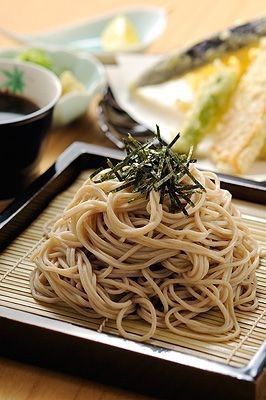
Growing up, noodles were my ultimate comfort food. I remember curling up on rainy afternoons with a steaming bowl that felt like a hug in a bowl. But everything changed when I tasted handmade Japanese soba noodles during my culinary training. It wasn’t just food; it was an edible masterpiece. The nutty aroma of buckwheat, the perfect al dente chew, and the subtle depth of flavor—unforgettable.
In this post, I'll take you on a journey into the world of handmade soba noodles: their history, how to make them, fun variations, and more.
Soba noodles are thin Japanese noodles traditionally made with buckwheat flour. Sometimes wheat flour is added for better elasticity. Their nutty, earthy flavor pairs beautifully with a range of dishes, whether served cold with a dipping sauce or steaming hot in broth.
Japanese soba noodles
The Origins of Soba
Soba has been a staple in Japanese cuisine for over 400 years. Its origins trace back to Japan's mountainous regions, where growing rice was tough. By the Edo period (1603–1868), soba became popular among the masses, celebrated for its quick preparation and nutritional benefits. Bonus fact: Buckwheat is rich in rutin, known to boost heart health.
Attempting handmade soba was humbling. My first try? Let’s say it was more "abstract art" than noodles. The dough cracked, the noodles were uneven, and they broke while cooking. But with practice—and guidance from a kind Japanese chef—I learned to respect the dough’s texture and mastered the art. Soba-making taught me patience, precision, and how to turn simple ingredients into a craft.
How to Make Handmade Soba Noodles at Home
Ingredients:
2 cups buckwheat flour
1/2 cup all-purpose flour (optional for elasticity)
3/4 cup water
Instructions:
Mixing: Combine flours in a bowl. Gradually add water, kneading until smooth.
Resting: Cover the dough and let it rest for 30 minutes.
Rolling and Cutting: Roll into a thin sheet. Slice into noodles with a sharp knife.
Cooking: Boil in salted water for 2-3 minutes. Rinse with cold water to stop cooking.
Handmade Japanese Soba Noodles Recipe
Soba noodles are thin Japanese noodles traditionally made with buckwheat flour. Sometimes wheat flour is added for better elasticity. Their nutty, earthy flavor pairs beautifully with a range of dishes, whether served cold with a dipping sauce or steaming hot in broth.
Mixing bowls and spatula
Cooking pot
Sharp knife
2 cups Buckwheat flour
1/2 cup All purpose flour (optional for elasticity)
3/4 cup Water
5 g Salt
Mixing the Dough
Combine buckwheat flour and all-purpose flour, salt in a large mixing bowl.
Slowly add water in small increments while mixing with your hand. The goal is to create a dough that holds together without being sticky or crumbly.
Knead the dough gently for 5-7 minutes until it becomes smooth and pliable.
Tip: If the dough feels dry, add water one teaspoon at a time. If too wet, sprinkle a little extra flour.
Resting the Dough
Shape the dough into a smooth ball and wrap it tightly in plastic wrap.
Let it rest at room temperature for 30 minutes. This helps the flour absorb the water and makes rolling easier.
Tip: Don’t skip resting—it’s crucial for an even texture.
Rolling the Dough
Lightly flour a clean surface and your rolling pin to prevent sticking.
Flatten the dough into a disc and roll it out evenly to about 1/8 inch (3 mm) thick.
For even thinner noodles, roll it to 1/16 inch (1.5 mm).
Tip: Rotate the dough 90° after every roll to maintain an even thickness and a circular shape.
Cutting the Noodles
Dust the rolled-out dough with flour and fold it gently into thirds like a letter.
Use a sharp knife to cut thin, even strips—about 1/8 inch wide.
Unfold the strips into individual noodles and dust lightly with flour to prevent sticking.
Tip: A pizza cutter works great for straight lines if you don’t have a sharp knife!
Cooking the Noodles
Bring a large pot of salted water to a rolling boil.
Drop the noodles in gently and stir to prevent clumping.
Cook for 2-3 minutes or until the noodles float to the surface.
Drain the noodles and immediately rinse them under cold running water to stop cooking and remove excess starch.
Tip: For an extra touch, dunk the noodles in ice water after rinsing for a firm texture.
Flour Dusting: Always dust the noodles and workspace to prevent sticking.
Knife Skills: Aim for even cuts to ensure all noodles cook at the same rate.
Storage: Fresh soba can be refrigerated for up to 2 days. For longer storage, freeze them dusted with flour.
Gluten free, Japanese
Japanese
easy soba noodle recipe, gluten-free soba noodles, Handmade soba noodles recipe, healthy noodle recipes, homemade buckwheat noodles, hot soba recipe, how to make soba noodles, Japanese soba noodles recipe, soba noodle variations, traditional Japanese noodles
Variations and Substitutes
Gluten-Free Soba: Use 100% buckwheat flour. The dough is fragile but worth it!
Matcha Soba: Add a spoonful of matcha powder for a green tea twist.
Alternative Flours: Don’t like buckwheat? Substitute with spelt or rye flour.
New Year Tradition: Eating soba on New Year’s Eve in Japan symbolizes leaving behind the year’s hardships.
Health Benefits: Buckwheat is gluten-free and packed with antioxidants.
Cultural Legacy: Many soba shops in Tokyo are centuries old, passed down through generations.
Why Soba Deserves a Spot in Your Kitchen
Whether you’re a noodle enthusiast or a beginner, soba noodles are a must-try. They connect you to Japanese tradition and offer unmatched versatility—from quick meals to gourmet feasts. And if making them from scratch sounds daunting, high-quality dried soba is a great alternative.
Have you tried making soba at home? Share your tips, fails, or successes in the comments!
For more recipes, tips, and discussions, join our forum at The Gourmet Palette. Let’s make magic, one noodle at a time.
The Art of Japanese Handmade Soba Noodles
Growing up, noodles were my ultimate comfort food. I remember curling up on rainy afternoons with a steaming bowl that felt like a hug in a bowl. But everything changed when I tasted handmade Japanese soba noodles during my culinary training. It wasn’t just food; it was an edible masterpiece. The nutty aroma of buckwheat, the perfect al dente chew, and the subtle depth of flavor—unforgettable.
In this post, I'll take you on a journey into the world of handmade soba noodles: their history, how to make them, fun variations, and more.
Soba noodles are thin Japanese noodles traditionally made with buckwheat flour. Sometimes wheat flour is added for better elasticity. Their nutty, earthy flavor pairs beautifully with a range of dishes, whether served cold with a dipping sauce or steaming hot in broth.
Japanese soba noodles
The Origins of Soba
Soba has been a staple in Japanese cuisine for over 400 years. Its origins trace back to Japan's mountainous regions, where growing rice was tough. By the Edo period (1603–1868), soba became popular among the masses, celebrated for its quick preparation and nutritional benefits. Bonus fact: Buckwheat is rich in rutin, known to boost heart health.
Attempting handmade soba was humbling. My first try? Let’s say it was more "abstract art" than noodles. The dough cracked, the noodles were uneven, and they broke while cooking. But with practice—and guidance from a kind Japanese chef—I learned to respect the dough’s texture and mastered the art. Soba-making taught me patience, precision, and how to turn simple ingredients into a craft.
How to Make Handmade Soba Noodles at Home
Ingredients:
2 cups buckwheat flour
1/2 cup all-purpose flour (optional for elasticity)
3/4 cup water
Instructions:
Mixing: Combine flours in a bowl. Gradually add water, kneading until smooth.
Resting: Cover the dough and let it rest for 30 minutes.
Rolling and Cutting: Roll into a thin sheet. Slice into noodles with a sharp knife.
Cooking: Boil in salted water for 2-3 minutes. Rinse with cold water to stop cooking.
Handmade Japanese Soba Noodles Recipe
Soba noodles are thin Japanese noodles traditionally made with buckwheat flour. Sometimes wheat flour is added for better elasticity. Their nutty, earthy flavor pairs beautifully with a range of dishes, whether served cold with a dipping sauce or steaming hot in broth.
Mixing bowls and spatula
Cooking pot
Sharp knife
2 cups Buckwheat flour
1/2 cup All purpose flour (optional for elasticity)
3/4 cup Water
5 g Salt
Mixing the Dough
Combine buckwheat flour and all-purpose flour, salt in a large mixing bowl.
Slowly add water in small increments while mixing with your hand. The goal is to create a dough that holds together without being sticky or crumbly.
Knead the dough gently for 5-7 minutes until it becomes smooth and pliable.
Tip: If the dough feels dry, add water one teaspoon at a time. If too wet, sprinkle a little extra flour.
Resting the Dough
Shape the dough into a smooth ball and wrap it tightly in plastic wrap.
Let it rest at room temperature for 30 minutes. This helps the flour absorb the water and makes rolling easier.
Tip: Don’t skip resting—it’s crucial for an even texture.
Rolling the Dough
Lightly flour a clean surface and your rolling pin to prevent sticking.
Flatten the dough into a disc and roll it out evenly to about 1/8 inch (3 mm) thick.
For even thinner noodles, roll it to 1/16 inch (1.5 mm).
Tip: Rotate the dough 90° after every roll to maintain an even thickness and a circular shape.
Cutting the Noodles
Dust the rolled-out dough with flour and fold it gently into thirds like a letter.
Use a sharp knife to cut thin, even strips—about 1/8 inch wide.
Unfold the strips into individual noodles and dust lightly with flour to prevent sticking.
Tip: A pizza cutter works great for straight lines if you don’t have a sharp knife!
Cooking the Noodles
Bring a large pot of salted water to a rolling boil.
Drop the noodles in gently and stir to prevent clumping.
Cook for 2-3 minutes or until the noodles float to the surface.
Drain the noodles and immediately rinse them under cold running water to stop cooking and remove excess starch.
Tip: For an extra touch, dunk the noodles in ice water after rinsing for a firm texture.
Flour Dusting: Always dust the noodles and workspace to prevent sticking.
Knife Skills: Aim for even cuts to ensure all noodles cook at the same rate.
Storage: Fresh soba can be refrigerated for up to 2 days. For longer storage, freeze them dusted with flour.
Gluten free, Japanese
Japanese
easy soba noodle recipe, gluten-free soba noodles, Handmade soba noodles recipe, healthy noodle recipes, homemade buckwheat noodles, hot soba recipe, how to make soba noodles, Japanese soba noodles recipe, soba noodle variations, traditional Japanese noodles
Variations and Substitutes
Gluten-Free Soba: Use 100% buckwheat flour. The dough is fragile but worth it!
Matcha Soba: Add a spoonful of matcha powder for a green tea twist.
Alternative Flours: Don’t like buckwheat? Substitute with spelt or rye flour.
New Year Tradition: Eating soba on New Year’s Eve in Japan symbolizes leaving behind the year’s hardships.
Health Benefits: Buckwheat is gluten-free and packed with antioxidants.
Cultural Legacy: Many soba shops in Tokyo are centuries old, passed down through generations.
Why Soba Deserves a Spot in Your Kitchen
Whether you’re a noodle enthusiast or a beginner, soba noodles are a must-try. They connect you to Japanese tradition and offer unmatched versatility—from quick meals to gourmet feasts. And if making them from scratch sounds daunting, high-quality dried soba is a great alternative.
Have you tried making soba at home? Share your tips, fails, or successes in the comments!
For more recipes, tips, and discussions, join our forum at The Gourmet Palette. Let’s make magic, one noodle at a time.