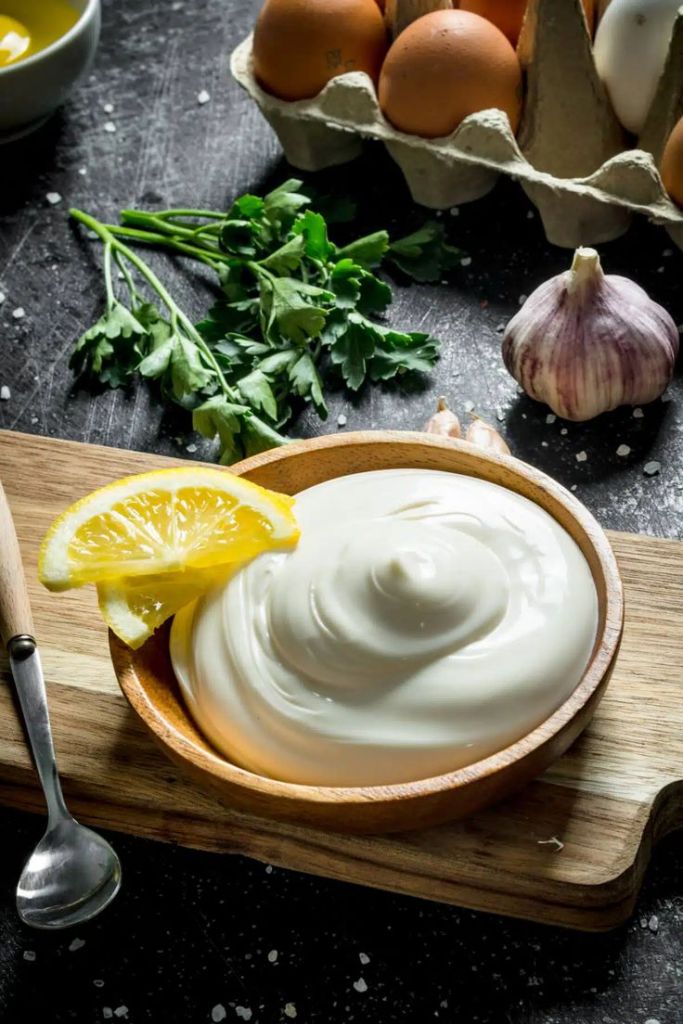
Mayonnaise: The Magic Sauce That Makes Everything Better!
What’s creamy, dreamy, and the unsung hero of countless sandwiches, salads, and dips? You guessed it – mayonnaise! If you’re anything like me, mayo has been the glue (sometimes literally) holding your favorite meals together. I remember my first experiment with making homemade mayonnaise. Picture a whisk, a bowl, and a very determined me, slowly drizzling oil and hoping for magic. Spoiler alert: It worked! And now I’m here to spill all the mayo secrets. Let’s dive into the fascinating world of this beloved condiment!
The history of mayonnaise is as rich as its texture. Legend has it that mayo was born in 1756 when French chef Louis François Armand de Vignerot du Plessis (try saying that three times fast!) whipped up a sauce to impress the Duke of Richelieu. He combined eggs and oil to create a creamy concoction named “mayonnaise” after the Port Mahon victory. While the French take credit, some argue that similar emulsions existed in Spain and even earlier in Roman times.
Reference: Check out BBC Food History for more about mayo’s past.
Step by step recipe
French Mayonnaise sauce recipe
Mayonnaise sauce is a classical mother sauce in French cuisine made from eggs and oil which is also known as cold sauce. It is great accompaniment to tandoori dishes and a great dressing for salad.
Mixing bowls and spatula
Measuring jar
Whisk
Stand mixer
2 eggs Egg yolk
200 ml Vegetable oil
10 g Dijon mustard
10 ml Vinegar or lemon juice
5 g Salt and pepper
20 ml Warm water (optional but important)
In a bowl add the whole eggs, dijon mustard paste, vinegar or lemon juice and whisk it a bit. You can beat using electric beater or stand mixer also.
Once the egg is little foamy add oil gradually slowly in a uniform motion while continuously whisking.
Add only if the mayo is too thick or looks like curdling while whisking. Add little warm water to make the sauce smooth and beat till its mixed completely and to achieve correct consistency.
This helps stabilize the emulsion and keeps it creamy.
The above step is very important to make sure the sauce is not curdled. Add salt and pepper and adjust seasoning.
Why Add Warm Water?
Adding warm water to mayonnaise is like hitting the reset button when things get tricky. If your mayo turns out too thick or starts to separate (the dreaded "breaking"), warm water helps stabilize the emulsion. It’s also a secret weapon for achieving that silky, luscious texture we all love. Just a small splash can make a big difference—try it, and you’ll thank me later!
Sauce
French
cold sauce, french mayo, hotel style mayonnaise, Mayonnaise sauce, Sauce
Get yourself the best
Mayo Mishaps and Rectifications
Making mayo at home is an art – and sometimes, it goes sideways. Here’s how to fix common issues:
Mayo Won’t Thicken?
Don’t panic! Add another egg yolk to the mix or drizzle oil more slowly while whisking like a champ.
Too Tangy or Bland?
Balance it out! A pinch of sugar, a splash of lemon juice, or a dollop of mustard can save the day.
Separated Mayo?
Start fresh with an egg yolk in a clean bowl, then slowly whisk the broken mayo back in. Boom, crisis averted!
Variations and Substitutes
Mayonnaise is a blank canvas waiting for flavor magic. Try these variations:
Garlic Aioli: Add minced garlic for a Mediterranean flair.
Sriracha Mayo: For heat lovers, mix in sriracha.
Herbed Mayo: Blend fresh herbs like dill or basil for an aromatic twist.
Lemon Zest Mayo: A citrusy boost for seafood dishes.
Name of sauce
Ingredients
Aioli (Garlic sauce)
Mayonnaise + pounded garlic cloves
Chantilly (Cream sauce)
Mayonnaise + stiffly beaten whipped cream
Verte (Green sauce)
Mayonnaise + puree of blanched spinach, watercress and parsley
Cocktail sauce
Mayonnaise + chopped shallots cooked in white wine + ketchup + chopped tarragon + brandy + cayenne pepper
Need a mayo substitute? No worries! Here are some alternatives:
Greek Yogurt: Creamy, tangy, and healthier.
Avocado Mash: Adds richness and a lovely green hue.
Hummus: Great for a nutty, savory spread.
Sour Cream: Perfect for dips and dressings.
Fun Facts About Mayonnaise
The world’s largest jar of mayo weighed over 1,500 pounds! That’s a lot of potato salad.
Japan’s Kewpie Mayo has a cult following for its umami-packed flavor.
Mayo is not just for food. Some use it as a hair mask for shiny locks (seriously!).
In 1923, Hellmann’s released its iconic “blue ribbon” jar, setting the gold standard for store-bought mayo.
FAQs About Mayonnaise
Q1: Is mayonnaise gluten-free? Yes! Traditional mayonnaise is naturally gluten-free since it’s made from eggs, oil, and acid. Always check labels to ensure no added gluten-containing ingredients.
Q2: How long does homemade mayo last? Homemade mayonnaise typically lasts 3-5 days in the fridge when stored in an airtight container. Always use fresh ingredients and keep it cold!
Mayonnaise is more than just a condiment; it’s a culinary chameleon. From slathering it on toasted bread for a sandwich to whipping up a decadent potato salad, it always hits the spot. And let’s not forget using it in cake recipes (yes, mayo cake is a thing!). So, whether you’re a mayo minimalist or a full-on fanatic, embrace the creamy goodness and let it inspire your next dish!
What’s your favorite mayo moment? Let’s dish in the comments! ✨
Mayonnaise: The Magic Sauce That Makes Everything Better!
What’s creamy, dreamy, and the unsung hero of countless sandwiches, salads, and dips? You guessed it – mayonnaise! If you’re anything like me, mayo has been the glue (sometimes literally) holding your favorite meals together. I remember my first experiment with making homemade mayonnaise. Picture a whisk, a bowl, and a very determined me, slowly drizzling oil and hoping for magic. Spoiler alert: It worked! And now I’m here to spill all the mayo secrets. Let’s dive into the fascinating world of this beloved condiment!
The history of mayonnaise is as rich as its texture. Legend has it that mayo was born in 1756 when French chef Louis François Armand de Vignerot du Plessis (try saying that three times fast!) whipped up a sauce to impress the Duke of Richelieu. He combined eggs and oil to create a creamy concoction named “mayonnaise” after the Port Mahon victory. While the French take credit, some argue that similar emulsions existed in Spain and even earlier in Roman times.
Reference: Check out BBC Food History for more about mayo’s past.
Step by step recipe
French Mayonnaise sauce recipe
Mayonnaise sauce is a classical mother sauce in French cuisine made from eggs and oil which is also known as cold sauce. It is great accompaniment to tandoori dishes and a great dressing for salad.
Mixing bowls and spatula
Measuring jar
Whisk
Stand mixer
2 eggs Egg yolk
200 ml Vegetable oil
10 g Dijon mustard
10 ml Vinegar or lemon juice
5 g Salt and pepper
20 ml Warm water (optional but important)
In a bowl add the whole eggs, dijon mustard paste, vinegar or lemon juice and whisk it a bit. You can beat using electric beater or stand mixer also.
Once the egg is little foamy add oil gradually slowly in a uniform motion while continuously whisking.
Add only if the mayo is too thick or looks like curdling while whisking. Add little warm water to make the sauce smooth and beat till its mixed completely and to achieve correct consistency.
This helps stabilize the emulsion and keeps it creamy.
The above step is very important to make sure the sauce is not curdled. Add salt and pepper and adjust seasoning.
Why Add Warm Water?
Adding warm water to mayonnaise is like hitting the reset button when things get tricky. If your mayo turns out too thick or starts to separate (the dreaded "breaking"), warm water helps stabilize the emulsion. It’s also a secret weapon for achieving that silky, luscious texture we all love. Just a small splash can make a big difference—try it, and you’ll thank me later!
Sauce
French
cold sauce, french mayo, hotel style mayonnaise, Mayonnaise sauce, Sauce
Get yourself the best
Mayo Mishaps and Rectifications
Making mayo at home is an art – and sometimes, it goes sideways. Here’s how to fix common issues:
Mayo Won’t Thicken?
Don’t panic! Add another egg yolk to the mix or drizzle oil more slowly while whisking like a champ.
Too Tangy or Bland?
Balance it out! A pinch of sugar, a splash of lemon juice, or a dollop of mustard can save the day.
Separated Mayo?
Start fresh with an egg yolk in a clean bowl, then slowly whisk the broken mayo back in. Boom, crisis averted!
Variations and Substitutes
Mayonnaise is a blank canvas waiting for flavor magic. Try these variations:
Garlic Aioli: Add minced garlic for a Mediterranean flair.
Sriracha Mayo: For heat lovers, mix in sriracha.
Herbed Mayo: Blend fresh herbs like dill or basil for an aromatic twist.
Lemon Zest Mayo: A citrusy boost for seafood dishes.
Name of sauce
Ingredients
Aioli (Garlic sauce)
Mayonnaise + pounded garlic cloves
Chantilly (Cream sauce)
Mayonnaise + stiffly beaten whipped cream
Verte (Green sauce)
Mayonnaise + puree of blanched spinach, watercress and parsley
Cocktail sauce
Mayonnaise + chopped shallots cooked in white wine + ketchup + chopped tarragon + brandy + cayenne pepper
Need a mayo substitute? No worries! Here are some alternatives:
Greek Yogurt: Creamy, tangy, and healthier.
Avocado Mash: Adds richness and a lovely green hue.
Hummus: Great for a nutty, savory spread.
Sour Cream: Perfect for dips and dressings.
Fun Facts About Mayonnaise
The world’s largest jar of mayo weighed over 1,500 pounds! That’s a lot of potato salad.
Japan’s Kewpie Mayo has a cult following for its umami-packed flavor.
Mayo is not just for food. Some use it as a hair mask for shiny locks (seriously!).
In 1923, Hellmann’s released its iconic “blue ribbon” jar, setting the gold standard for store-bought mayo.
FAQs About Mayonnaise
Q1: Is mayonnaise gluten-free? Yes! Traditional mayonnaise is naturally gluten-free since it’s made from eggs, oil, and acid. Always check labels to ensure no added gluten-containing ingredients.
Q2: How long does homemade mayo last? Homemade mayonnaise typically lasts 3-5 days in the fridge when stored in an airtight container. Always use fresh ingredients and keep it cold!
Mayonnaise is more than just a condiment; it’s a culinary chameleon. From slathering it on toasted bread for a sandwich to whipping up a decadent potato salad, it always hits the spot. And let’s not forget using it in cake recipes (yes, mayo cake is a thing!). So, whether you’re a mayo minimalist or a full-on fanatic, embrace the creamy goodness and let it inspire your next dish!
What’s your favorite mayo moment? Let’s dish in the comments! ✨