The first time I made spaghetti aglio e olio, I burned the garlic so badly that the entire kitchen smelled like bitter regret. I remember staring at the pan thinking, how can something with four ingredients be this dramatic? I tried again the next night, this time slicing the garlic thin like paper and letting it gently sizzle instead of fry. And that was it. One bite. Silence. Peace. A recipe that made me feel like maybe I did have Italian blood in my veins.
Spaghetti aglio e olio is the kind of dish that teaches you rhythm in the kitchen. You don’t rush. You don’t panic. You dance with the garlic. And somehow, this humble pasta, made with ingredients you always have at home, tastes like it belongs on a trattoria table in Naples.
Let me ask you, are you a garlic lover who goes heavy handed, or do you prefer a mild whisper of garlic in your pasta?
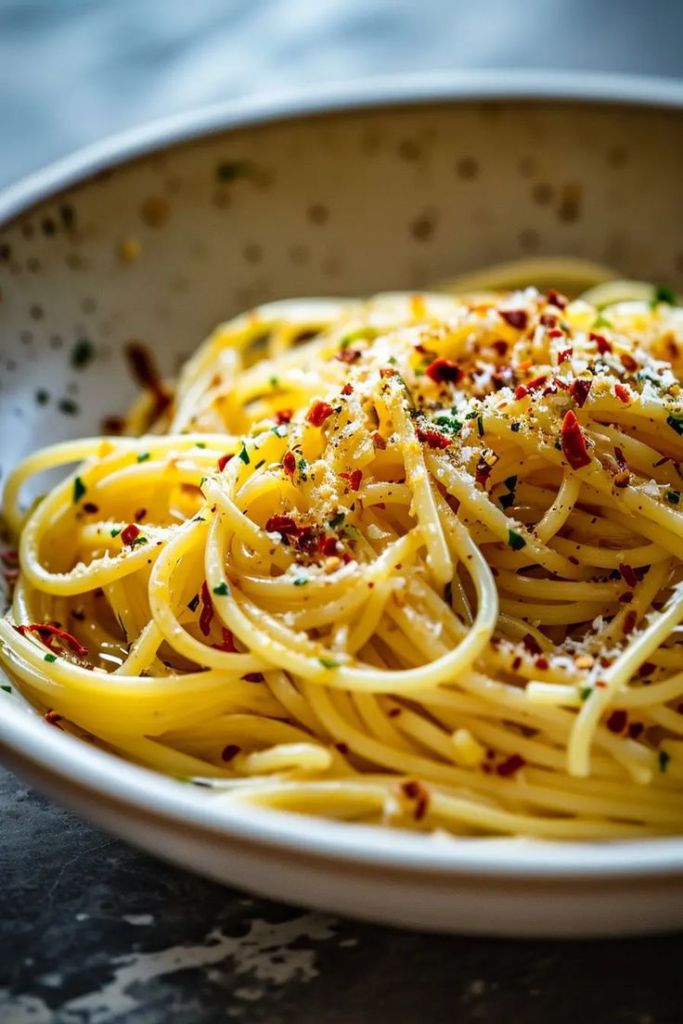
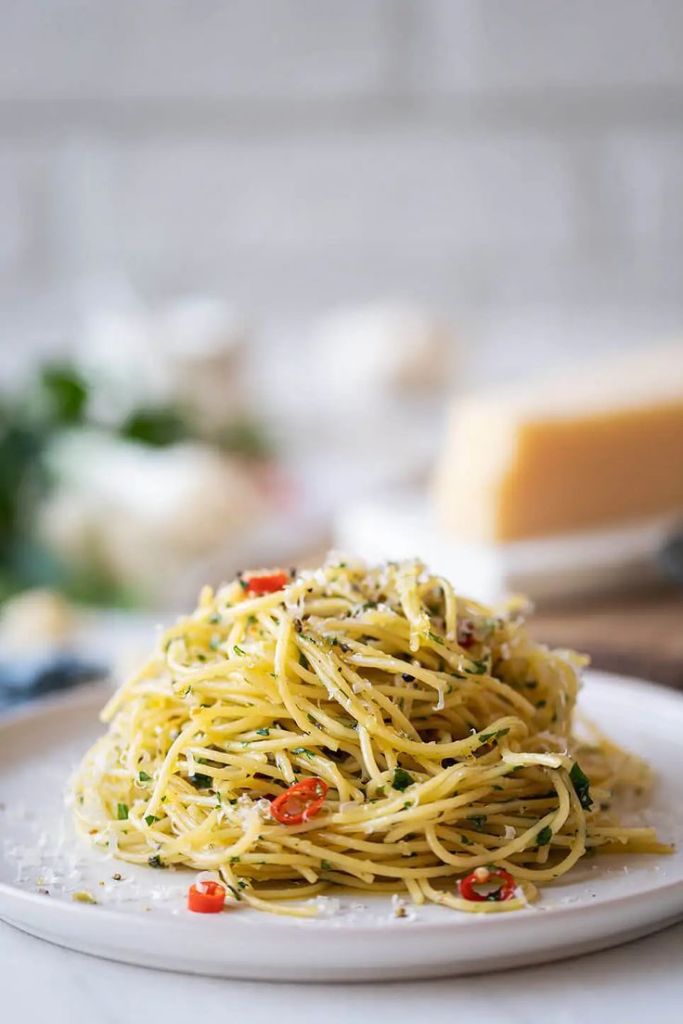
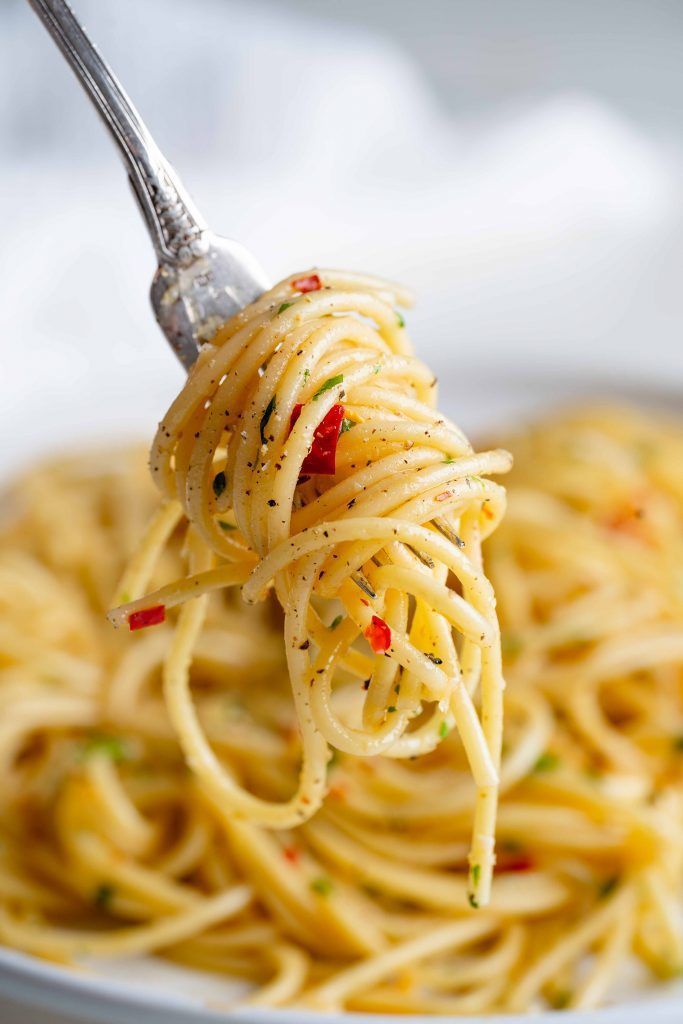
Aglio means garlic, olio means oil. That’s basically the entire dish. It’s a traditional Italian pasta originating from Naples, made by gently cooking sliced garlic in olive oil, then tossing it with spaghetti, chili flakes, and parsley. Simple. Fragrant. Comforting.
The beauty of aglio e olio is how loudly it speaks with so few ingredients. If you want to explore its Neapolitan roots a bit more, check out this article from La Cucina Italiana.
Source: Pinterest ( Credits to respective food creators )
Why Spaghetti Aglio e Olio Is So Loved
Because it tastes like comfort, confidence, and simplicity. It’s one of those dishes you can make at midnight or after a long day and it always feels right.
People adore it because it’s
budget friendly
made with pantry staples
fast, usually done in under 15 minutes
aromatic from the garlic
customizable for spice lovers
naturally dairy free and vegetarian
And most importantly, it’s delicious in a way that makes you question how garlic and oil can taste like a hug.
Difference Between Aglio e Olio and Other Garlic Pastas
Add more salt to the pasta water and cook garlic slower.
Why is it too oily?
Add pasta water to emulsify or increase pasta quantity.
Can I use pre-minced garlic?
You can, but fresh thin slices taste ten times better.
Why is garlic raw tasting?
It didn’t cook long enough, keep it on low heat.
Can I add cheese?
Traditionally no, but a sprinkle of parmesan won’t hurt feelings.
Why is it spicy?
Too many chili flakes, balance with parsley or lemon.
Can I add protein?
Yes, shrimp, chicken, clams, and even crispy bacon work.
Why does it clump?
Not enough oil or pasta water, toss vigorously.
Can I store leftovers?
Aglio e olio tastes best fresh, but reheating with a bit of oil works.
Conclusion
Spaghetti aglio e olio is the ultimate proof that simple food can touch the soul. It’s quick, comforting, fragrant, and endlessly lovable. One bite and you instantly understand why Italy guards this dish like a treasure.
So the next time you’re tired, hungry, or simply craving real flavor without effort, trust me, this pasta will take care of you.
Tell me, do you add parsley, lemon, anchovies, or keep it pure and classic?
The first time I made spaghetti aglio e olio, I burned the garlic so badly that the entire kitchen smelled like bitter regret. I remember staring at the pan thinking, how can something with four ingredients be this dramatic? I tried again the next night, this time slicing the garlic thin like paper and letting it gently sizzle instead of fry. And that was it. One bite. Silence. Peace. A recipe that made me feel like maybe I did have Italian blood in my veins.
Spaghetti aglio e olio is the kind of dish that teaches you rhythm in the kitchen. You don’t rush. You don’t panic. You dance with the garlic. And somehow, this humble pasta, made with ingredients you always have at home, tastes like it belongs on a trattoria table in Naples.
Let me ask you, are you a garlic lover who goes heavy handed, or do you prefer a mild whisper of garlic in your pasta?
Aglio means garlic, olio means oil. That’s basically the entire dish. It’s a traditional Italian pasta originating from Naples, made by gently cooking sliced garlic in olive oil, then tossing it with spaghetti, chili flakes, and parsley. Simple. Fragrant. Comforting.
The beauty of aglio e olio is how loudly it speaks with so few ingredients. If you want to explore its Neapolitan roots a bit more, check out this article from La Cucina Italiana.
Source: Pinterest ( Credits to respective food creators )
Why Spaghetti Aglio e Olio Is So Loved
Because it tastes like comfort, confidence, and simplicity. It’s one of those dishes you can make at midnight or after a long day and it always feels right.
People adore it because it’s
budget friendly
made with pantry staples
fast, usually done in under 15 minutes
aromatic from the garlic
customizable for spice lovers
naturally dairy free and vegetarian
And most importantly, it’s delicious in a way that makes you question how garlic and oil can taste like a hug.
Difference Between Aglio e Olio and Other Garlic Pastas
Add more salt to the pasta water and cook garlic slower.
Why is it too oily?
Add pasta water to emulsify or increase pasta quantity.
Can I use pre-minced garlic?
You can, but fresh thin slices taste ten times better.
Why is garlic raw tasting?
It didn’t cook long enough, keep it on low heat.
Can I add cheese?
Traditionally no, but a sprinkle of parmesan won’t hurt feelings.
Why is it spicy?
Too many chili flakes, balance with parsley or lemon.
Can I add protein?
Yes, shrimp, chicken, clams, and even crispy bacon work.
Why does it clump?
Not enough oil or pasta water, toss vigorously.
Can I store leftovers?
Aglio e olio tastes best fresh, but reheating with a bit of oil works.
Conclusion
Spaghetti aglio e olio is the ultimate proof that simple food can touch the soul. It’s quick, comforting, fragrant, and endlessly lovable. One bite and you instantly understand why Italy guards this dish like a treasure.
So the next time you’re tired, hungry, or simply craving real flavor without effort, trust me, this pasta will take care of you.
Tell me, do you add parsley, lemon, anchovies, or keep it pure and classic?