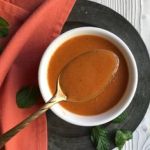
A sauce is more than just a fancy drizzle — it's the soul of a dish. Whether it’s creamy, tangy, silky, or spicy, sauces are liquid or semi-liquid mixtures that add flavor, texture, color, and moisture to food. In the culinary world, they’re what punctuation is to language — essential and expressive!
Long ago, gastronomer Grimod de la Reynière said it best:
“Sauce is to culinary art what grammar is to language.”
And he wasn’t wrong! A good sauce should be smooth like velvet, shiny like a fresh glaze, and bursting with flavor — not overpowering the dish, but lifting it to perfection. Think of it as a supporting actor that occasionally steals the spotlight. 🎭
Why Are Sauces Important? (Besides Being Delicious)
Here’s what sauces bring to the table — literally:
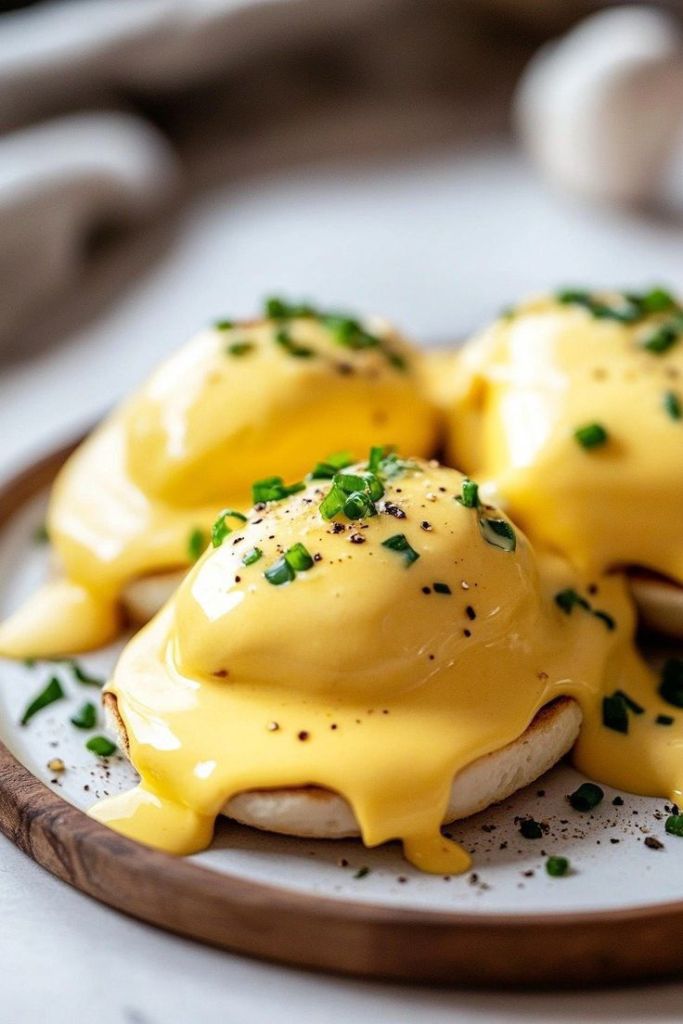
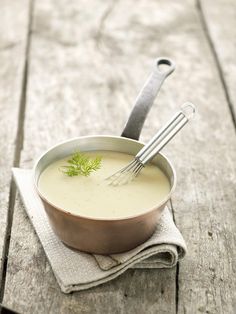
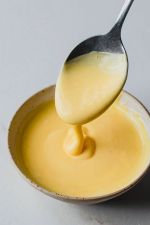
Eggs benedict with hollandaise sauceSauce EspagnoleVeloute sauceMayonnaise
Boosts Flavor
From rich and savory to fresh and herby, sauces amp up the taste of any dish.
Adds Moisture
Say goodbye to dry meats and boring veggies. Sauces bring the juiciness back!
Enhances Color & Shine
Imagine golden hollandaise over green asparagus or a glossy red wine reduction — it’s edible art!
Aids Digestion
Some sauces like mint sauce or apple sauce (hello roast pork!) help your tummy as much as your tastebuds.
Adds Contrast
Sweet, tangy cranberry sauce with roast turkey? It’s not just tradition — it’s genius.
Makes Food Look & Taste Fancy
Whether it’s chaufroid for a glamorous glaze or a rich demi-glace, sauces add elegance and elevate presentation.
Can Name a Dish
Add Madeira to brown sauce and boom — you've got Sauce Madeira. That’s sauce royalty.
Sauce Composition
A great sauce usually has three parts:
1. Liquid Base – The Body
White Sauce (Béchamel): Milk
Velouté: White stock (chicken, fish, veal)
Tomato Sauce: Tomato puree or veggie stock
Brown Sauce (Espagnole): Brown stock
Hollandaise: Butter
Mayonnaise: Vegetable or olive oil
2. Thickening Agent – The Structure
Typically a roux (equal parts flour & fat), which can be white, blond, or brown.
3. Flavorings & Seasonings – The Soul
Herbs, spices, wines, aromatics, citrus, cheese, butter, and more!
Coined by Auguste Escoffier — these five (or six, if you're feeling rebellious with mayo) are the foundations of all classic sauces:
Béchamel
Velouté
Espagnole (Brown Sauce)
Tomato Sauce
Hollandaise
(Debatable) Mayonnaise
[wprm-list id="9090"]
🍎 Miscellaneous Sauces
Made from fruits, herbs, and other fresh elements — usually served with roasts:
Apple Sauce – with roast pork
Mint Sauce – with lamb
Cranberry Sauce – with turkey
Horseradish Sauce – with beef
Bread Sauce – with chicken
🧂 Proprietary Sauce
Your favorite bottled heroes: Worcestershire, Tabasco, Soy Sauce — mass-produced but flavor-packed.
Sauce Techniques: How the Magic Happens
🔥 Reduction
Simmer your sauce to concentrate the flavor and thicken it naturally. Use wine, stock, or pan drippings — the longer it simmers, the deeper the flavor.
💦 Deglazing
Pour wine or stock into a hot pan to lift those golden brown bits (aka flavor bombs) off the bottom. This is how many pan sauces and gravies begin their delicious lives.
🧈 Enriching
Butter Finish (Monter au Beurre): Adds shine and richness.
Liaison: A combo of egg yolk + cream = silky heaven.
Heavy Cream: A classic for richness and a velvety texture.
🧂 Final Touch: Season Like a Pro
Before serving, taste and adjust:
Salt & lemon juice make flavors pop.
Cayenne & white pepper for a gentle kick.
Sherry & Madeira for that elegant finish (add these at the end — they’re delicate).
🍖 Bonus: Gravy vs Jus vs Sauce
Gravy: Juices from roasted meat + thickened stock. Often made quickly and served with roasts.
Pan Gravy: Made by deglazing roasting trays with wine or water, then reducing.
Jus: Unthickened, flavorful pan juices — light, elegant, and intensely meaty.
Jus lié: A jus thickened slightly with arrowroot or cornstarch — elegant, but with body.
Final Spoonful of sauce
Sauces may seem like an add-on, but they’re often what make a dish unforgettable. From delicate emulsions to rich reductions, they tell a story of skill, flavor, and flair. So the next time you drizzle that hollandaise, spoon that tomato sauce, or deglaze like a champ — know that you’re not just cooking. You’re saucing like a pro. 💅
Share your thoughts and debate in the comment or forum section.
What is a Sauce, Really?
A sauce is more than just a fancy drizzle — it's the soul of a dish. Whether it’s creamy, tangy, silky, or spicy, sauces are liquid or semi-liquid mixtures that add flavor, texture, color, and moisture to food. In the culinary world, they’re what punctuation is to language — essential and expressive!
Long ago, gastronomer Grimod de la Reynière said it best:
“Sauce is to culinary art what grammar is to language.”
And he wasn’t wrong! A good sauce should be smooth like velvet, shiny like a fresh glaze, and bursting with flavor — not overpowering the dish, but lifting it to perfection. Think of it as a supporting actor that occasionally steals the spotlight. 🎭
Why Are Sauces Important? (Besides Being Delicious)
Here’s what sauces bring to the table — literally:
Eggs benedict with hollandaise sauceSauce EspagnoleVeloute sauceMayonnaise
Boosts Flavor
From rich and savory to fresh and herby, sauces amp up the taste of any dish.
Adds Moisture
Say goodbye to dry meats and boring veggies. Sauces bring the juiciness back!
Enhances Color & Shine
Imagine golden hollandaise over green asparagus or a glossy red wine reduction — it’s edible art!
Aids Digestion
Some sauces like mint sauce or apple sauce (hello roast pork!) help your tummy as much as your tastebuds.
Adds Contrast
Sweet, tangy cranberry sauce with roast turkey? It’s not just tradition — it’s genius.
Makes Food Look & Taste Fancy
Whether it’s chaufroid for a glamorous glaze or a rich demi-glace, sauces add elegance and elevate presentation.
Can Name a Dish
Add Madeira to brown sauce and boom — you've got Sauce Madeira. That’s sauce royalty.
Sauce Composition
A great sauce usually has three parts:
1. Liquid Base – The Body
White Sauce (Béchamel): Milk
Velouté: White stock (chicken, fish, veal)
Tomato Sauce: Tomato puree or veggie stock
Brown Sauce (Espagnole): Brown stock
Hollandaise: Butter
Mayonnaise: Vegetable or olive oil
2. Thickening Agent – The Structure
Typically a roux (equal parts flour & fat), which can be white, blond, or brown.
3. Flavorings & Seasonings – The Soul
Herbs, spices, wines, aromatics, citrus, cheese, butter, and more!
Coined by Auguste Escoffier — these five (or six, if you're feeling rebellious with mayo) are the foundations of all classic sauces:
Béchamel
Velouté
Espagnole (Brown Sauce)
Tomato Sauce
Hollandaise
(Debatable) Mayonnaise
French Mayonnaise sauce recipe
Mayonnaise sauce is a classical mother sauce in French cuisine made from eggs and oil which is also known as cold sauce. It is great accompaniment to tandoori dishes and a great dressing for salad.
Hollandaise sauce, also called Dutch sauce, is a mixture of egg yolk, melted butter, and lemon juice and usually served with eggs Benedict, vegetables such as steamed asparagus.
Bechamel sauce is a rich creamy sauce made by cooking one parts of flour and butter t0 10 parts of milk with flavorings. It is also known as white sauce and one of the classical French mother sauces.
Veloute sauce is one of the basic French mother sauces made of chicken stock or fish stock thickened with blond roux. It is usually served with poached meats and so on.
It is made from brown roux and brown stock, or glaze of brown stock. It is one of the most widely used basic mother sauces. Demi-glaze is a derivative of brow stock and is widely used for the preparation of other brown sauce derivatives
Made from fruits, herbs, and other fresh elements — usually served with roasts:
Apple Sauce – with roast pork
Mint Sauce – with lamb
Cranberry Sauce – with turkey
Horseradish Sauce – with beef
Bread Sauce – with chicken
🧂 Proprietary Sauce
Your favorite bottled heroes: Worcestershire, Tabasco, Soy Sauce — mass-produced but flavor-packed.
Sauce Techniques: How the Magic Happens
🔥 Reduction
Simmer your sauce to concentrate the flavor and thicken it naturally. Use wine, stock, or pan drippings — the longer it simmers, the deeper the flavor.
💦 Deglazing
Pour wine or stock into a hot pan to lift those golden brown bits (aka flavor bombs) off the bottom. This is how many pan sauces and gravies begin their delicious lives.
🧈 Enriching
Butter Finish (Monter au Beurre): Adds shine and richness.
Liaison: A combo of egg yolk + cream = silky heaven.
Heavy Cream: A classic for richness and a velvety texture.
🧂 Final Touch: Season Like a Pro
Before serving, taste and adjust:
Salt & lemon juice make flavors pop.
Cayenne & white pepper for a gentle kick.
Sherry & Madeira for that elegant finish (add these at the end — they’re delicate).
🍖 Bonus: Gravy vs Jus vs Sauce
Gravy: Juices from roasted meat + thickened stock. Often made quickly and served with roasts.
Pan Gravy: Made by deglazing roasting trays with wine or water, then reducing.
Jus: Unthickened, flavorful pan juices — light, elegant, and intensely meaty.
Jus lié: A jus thickened slightly with arrowroot or cornstarch — elegant, but with body.
Final Spoonful of sauce
Sauces may seem like an add-on, but they’re often what make a dish unforgettable. From delicate emulsions to rich reductions, they tell a story of skill, flavor, and flair. So the next time you drizzle that hollandaise, spoon that tomato sauce, or deglaze like a champ — know that you’re not just cooking. You’re saucing like a pro. 💅
Share your thoughts and debate in the comment or forum section.