The Ultimate Guide to Cheese: Types, Variations, Storage, Pairings & More!
Cheese isn’t just food. It’s a lifestyle, a story, a science, and a glorious bite of indulgence. From creamy Brie to punchy Blue, cheese makes everything better. And guess what? We're diving into everything cheese in this one-stop cheesy post — explained in the most deliciously fun way possible.
Cheese is fermented and coagulated milk — turned from liquid to solid by removing the watery part called whey, and retaining the protein-rich curds. These curds are pressed, salted, and aged (or not!) into the cheese we know and love.
At the heart of it:
Milk (cow, goat, sheep, or buffalo)
Good bacteria to start fermentation
Rennet or acid to help it curdle
Salt for flavor & preservation
Time, pressure, and care to shape and age it
🧪 Casein Curds? Huh?
Milk contains a protein called casein, which naturally forms curds when acid (like vinegar) or enzymes (like rennet) are introduced. These curds are what become cheese.
🎯 SEO tip: This makes cheese a fermented dairy product rich in protein, calcium, and fats—and oh, so versatile.
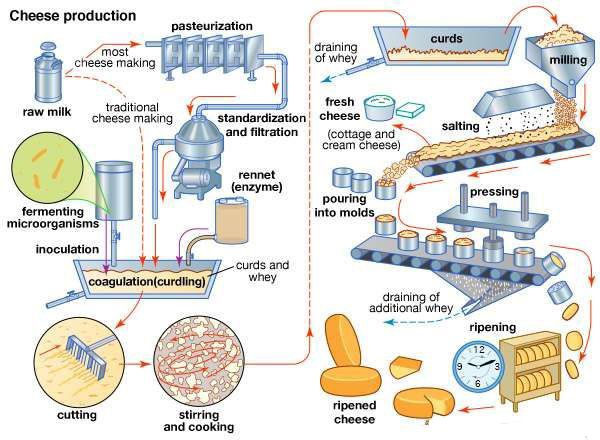
How is Cheese Made? (Step-by-Step)
Milk is warmed to body temperature
A starter culture is added to introduce beneficial bacteria
Rennet or acid is added to coagulate the milk
Curds form and are gently cut to release whey
Curds are stirred, drained, and salted
The curds are pressed and shaped into wheels or blocks
Cheese is bandaged or coated to protect it
Aging takes place for some cheeses under specific humidity/temperature conditions
🧀 Quickie tip: The longer it's aged, the sharper the flavor!
How to Check Cheese Quality
Not sure if that leftover cheese in your fridge is still good?
✅ Look: Rind should be clean, not moldy (unless it’s meant to be!)
✅ Touch: Interior should be moist, not dry or cracked
✅ Smell: Should smell fresh, milky, or intentionally strong (not ammonia)
❌ Avoid: Cheese with slimy rinds, excessive mold (on non-mold cheeses), or sour smells (unless it's blue)
🧀 Rule: When in doubt, sniff it out!
Types & Varieties of Cheese (With Global Examples!)
Let’s break down cheese by type, texture, and flavor:
Type
Texture
Flavor Profile
Examples
Fresh
Soft, moist
Mild, tangy
Mozzarella, Ricotta, Feta
Soft-Ripened
Gooey interior
Earthy, buttery
Brie, Camembert
Semi-Soft
Sliceable
Mild, nutty
Havarti, Fontina
Hard
Firm, crumbly
Sharp, umami
Cheddar, Manchego, Parmesan
Blue
Veined with mold
Salty, pungent
Roquefort, Stilton, Gorgonzola
Washed Rind
Funky & sticky
Meaty, bold
Limburger, Taleggio
Flavored
Varied
Spicy, herby
Truffle Brie, Jalapeño Jack
Vegan
Varies (nut-based)
Tangy, creamy
Cashew cheese, Almond feta
🌍 Cheese around the world? From Greek Feta to French Camembert, Indian Kalari, and Japanese Sakura Cheese, every country has its cheesy charm!
Cheese Variations: So Many Cheesy Choices!
You don’t have to stick with plain cheddar! Here are flavor-packed variations:
🧄 Herbed: Garlic, dill, basil (think Boursin or Havarti Dill)
🥜 Nut-encrusted: Pistachio-coated logs or walnut cheese balls
🎨 DIY idea: Mix cream cheese + herbs + your fave spice for an instant party dip!
Cheese Portion Guide: Avoid the Awkward Shortage
Wondering how much cheese to buy for your wine night or grazing table?
Setting
Cheese Amount per Person
Appetizer
1.5 oz
Cheese board
2–3 oz per type
Main course
3–4 oz
Kids’ party
1 oz
🧀 Pro tip: Always round up. No one ever complains about too much cheese.
Cheese Glossary: Talk Cheese Like a Pro
Ever seen words like “bloomy” or “paste” and wondered, “Say what now?” Here's your ultimate cheese dictionary to sound like a true fromager (yes, that’s a thing 🧀✨).
Rennet: An enzyme from calf stomach (or now also microbial/vegetarian sources) used to curdle milk. It helps separate curds from whey—cheese magic begins here.
Affineur: The cheese aging specialist who controls humidity, temperature, and time to bring out the cheese's best flavor and texture.
Paste: No, not glue. In cheese lingo, the paste is the interior texture and body of the cheese—like the soft gooey inside of Brie or the crumbly heart of Feta.
Bloomy Rind: A soft white mold rind (think: Brie, Camembert) that grows naturally and adds a soft mushroomy flavor.
Washed Rind: Cheeses washed in brine or alcohol to grow friendly bacteria on the rind. These are orangey, pungent, and have a bold personality (hello Limburger).
Cheddaring: A unique process where curds are cut, stacked, and flipped to give cheddar its signature dense, crumbly bite.
The Science Behind Cheese (aka Cheese-ology)
Cheese isn't just delicious—it's literally living science.
🧫 Microbiology in Action:
Good bacteria (like Lactobacillus) are added to milk to kick-start fermentation and add flavor.
Molds (like Penicillium roqueforti or P. camemberti) are used for ripening or veining.
Enzymes break down proteins and fats during aging, creating those deep nutty flavors and creamy textures.
🧪 Aging Cheese:
Time = taste. As cheese ages:
Proteins break down into amino acids → Umami flavor
Fats break down into fatty acids → Nutty, bold flavors
Moisture escapes → Firmer texture
📘 Science takeaway: Cheese is basically edible alchemy.
Flavored Cheese: Beyond Basic
Cheese doesn’t have to be plain Jane! Many cheeses come infused or blended with extra ingredients that create an explosion of flavor. Let’s explore:
🧀 Popular Flavored Cheese Varieties:
Truffle Brie: Rich, earthy, and indulgent—perfect for gourmet moments.
Jalapeño Cheddar: Spicy and bold, this one’s perfect for nachos or burgers.
Garlic & Herb Boursin: Creamy, spreadable, and dinner party ready.
Cumin Gouda: Savory and warm; pairs beautifully with lager or crackers.
Smoked Provolone: For when you want that extra BBQ touch.
🍽️ Fun tip: You can even DIY your own herbed cheese spread at home with cream cheese and fresh herbs!
Global Cheese Adventure: Cheese from Around the World
Ready to eat your way around the globe without leaving your kitchen?
🌐 Top Regional Cheeses:
🇬🇷 Feta (Greece): Tangy, salty, and brined. Crumble on salads or bake into spanakopita.
🇲🇽 Queso Oaxaca (Mexico): Stringy, melty, and perfect for quesadillas.
🇮🇳 Kalari (India): From Kashmir, pan-seared to crispy golden—so underrated!
The Ultimate Guide to Cheese: Types, Variations, Storage, Pairings & More!
Cheese isn’t just food. It’s a lifestyle, a story, a science, and a glorious bite of indulgence. From creamy Brie to punchy Blue, cheese makes everything better. And guess what? We're diving into everything cheese in this one-stop cheesy post — explained in the most deliciously fun way possible.
Cheese is fermented and coagulated milk — turned from liquid to solid by removing the watery part called whey, and retaining the protein-rich curds. These curds are pressed, salted, and aged (or not!) into the cheese we know and love.
At the heart of it:
Milk (cow, goat, sheep, or buffalo)
Good bacteria to start fermentation
Rennet or acid to help it curdle
Salt for flavor & preservation
Time, pressure, and care to shape and age it
🧪 Casein Curds? Huh?
Milk contains a protein called casein, which naturally forms curds when acid (like vinegar) or enzymes (like rennet) are introduced. These curds are what become cheese.
🎯 SEO tip: This makes cheese a fermented dairy product rich in protein, calcium, and fats—and oh, so versatile.
How is Cheese Made? (Step-by-Step)
Milk is warmed to body temperature
A starter culture is added to introduce beneficial bacteria
Rennet or acid is added to coagulate the milk
Curds form and are gently cut to release whey
Curds are stirred, drained, and salted
The curds are pressed and shaped into wheels or blocks
Cheese is bandaged or coated to protect it
Aging takes place for some cheeses under specific humidity/temperature conditions
🧀 Quickie tip: The longer it's aged, the sharper the flavor!
How to Check Cheese Quality
Not sure if that leftover cheese in your fridge is still good?
✅ Look: Rind should be clean, not moldy (unless it’s meant to be!)
✅ Touch: Interior should be moist, not dry or cracked
✅ Smell: Should smell fresh, milky, or intentionally strong (not ammonia)
❌ Avoid: Cheese with slimy rinds, excessive mold (on non-mold cheeses), or sour smells (unless it's blue)
🧀 Rule: When in doubt, sniff it out!
Types & Varieties of Cheese (With Global Examples!)
Let’s break down cheese by type, texture, and flavor:
Type
Texture
Flavor Profile
Examples
Fresh
Soft, moist
Mild, tangy
Mozzarella, Ricotta, Feta
Soft-Ripened
Gooey interior
Earthy, buttery
Brie, Camembert
Semi-Soft
Sliceable
Mild, nutty
Havarti, Fontina
Hard
Firm, crumbly
Sharp, umami
Cheddar, Manchego, Parmesan
Blue
Veined with mold
Salty, pungent
Roquefort, Stilton, Gorgonzola
Washed Rind
Funky & sticky
Meaty, bold
Limburger, Taleggio
Flavored
Varied
Spicy, herby
Truffle Brie, Jalapeño Jack
Vegan
Varies (nut-based)
Tangy, creamy
Cashew cheese, Almond feta
🌍 Cheese around the world? From Greek Feta to French Camembert, Indian Kalari, and Japanese Sakura Cheese, every country has its cheesy charm!
Cheese Variations: So Many Cheesy Choices!
You don’t have to stick with plain cheddar! Here are flavor-packed variations:
🧄 Herbed: Garlic, dill, basil (think Boursin or Havarti Dill)
🥜 Nut-encrusted: Pistachio-coated logs or walnut cheese balls
🎨 DIY idea: Mix cream cheese + herbs + your fave spice for an instant party dip!
Cheese Portion Guide: Avoid the Awkward Shortage
Wondering how much cheese to buy for your wine night or grazing table?
Setting
Cheese Amount per Person
Appetizer
1.5 oz
Cheese board
2–3 oz per type
Main course
3–4 oz
Kids’ party
1 oz
🧀 Pro tip: Always round up. No one ever complains about too much cheese.
Cheese Glossary: Talk Cheese Like a Pro
Ever seen words like “bloomy” or “paste” and wondered, “Say what now?” Here's your ultimate cheese dictionary to sound like a true fromager (yes, that’s a thing 🧀✨).
Rennet: An enzyme from calf stomach (or now also microbial/vegetarian sources) used to curdle milk. It helps separate curds from whey—cheese magic begins here.
Affineur: The cheese aging specialist who controls humidity, temperature, and time to bring out the cheese's best flavor and texture.
Paste: No, not glue. In cheese lingo, the paste is the interior texture and body of the cheese—like the soft gooey inside of Brie or the crumbly heart of Feta.
Bloomy Rind: A soft white mold rind (think: Brie, Camembert) that grows naturally and adds a soft mushroomy flavor.
Washed Rind: Cheeses washed in brine or alcohol to grow friendly bacteria on the rind. These are orangey, pungent, and have a bold personality (hello Limburger).
Cheddaring: A unique process where curds are cut, stacked, and flipped to give cheddar its signature dense, crumbly bite.
The Science Behind Cheese (aka Cheese-ology)
Cheese isn't just delicious—it's literally living science.
🧫 Microbiology in Action:
Good bacteria (like Lactobacillus) are added to milk to kick-start fermentation and add flavor.
Molds (like Penicillium roqueforti or P. camemberti) are used for ripening or veining.
Enzymes break down proteins and fats during aging, creating those deep nutty flavors and creamy textures.
🧪 Aging Cheese:
Time = taste. As cheese ages:
Proteins break down into amino acids → Umami flavor
Fats break down into fatty acids → Nutty, bold flavors
Moisture escapes → Firmer texture
📘 Science takeaway: Cheese is basically edible alchemy.
Flavored Cheese: Beyond Basic
Cheese doesn’t have to be plain Jane! Many cheeses come infused or blended with extra ingredients that create an explosion of flavor. Let’s explore:
🧀 Popular Flavored Cheese Varieties:
Truffle Brie: Rich, earthy, and indulgent—perfect for gourmet moments.
Jalapeño Cheddar: Spicy and bold, this one’s perfect for nachos or burgers.
Garlic & Herb Boursin: Creamy, spreadable, and dinner party ready.
Cumin Gouda: Savory and warm; pairs beautifully with lager or crackers.
Smoked Provolone: For when you want that extra BBQ touch.
🍽️ Fun tip: You can even DIY your own herbed cheese spread at home with cream cheese and fresh herbs!
Global Cheese Adventure: Cheese from Around the World
Ready to eat your way around the globe without leaving your kitchen?
🌐 Top Regional Cheeses:
🇬🇷 Feta (Greece): Tangy, salty, and brined. Crumble on salads or bake into spanakopita.
🇲🇽 Queso Oaxaca (Mexico): Stringy, melty, and perfect for quesadillas.
🇮🇳 Kalari (India): From Kashmir, pan-seared to crispy golden—so underrated!