What is Mozzarella Cheese?
Mozzarella cheese is that stretchy, milky, and slightly tangy cheese we all love, whether on a freshly baked pizza, melted in a Caprese sandwich, or simply torn apart and eaten straight from the fridge (guilty!). Unlike aged cheeses, mozzarella is a fresh cheese, meaning it’s best enjoyed within days of making.
I still remember the first time I made mozzarella at home, it was messy, chaotic, and incredibly rewarding! Seeing the milk transform into soft, stretchy cheese felt like magic. Since then, it has become a weekend ritual in my kitchen!
Making mozzarella at home is easier than you think! First, start with high-quality non-UHT whole milk to ensure the curds form properly. Next, dissolve citric acid in cool water and mix it into the milk, which helps the curds develop that perfect texture. Then, gently heat the milk and add rennet, allowing it to set into a firm curd. After that, cut the curds, heat them, and drain the whey. Finally, stretch the curds in hot water until they become smooth and elastic. A quick sprinkle of salt, and your fresh, homemade mozzarella is ready to enjoy! 😋
I know what you think, it does not sound easy but once you know the tricks and proper recipe from down, its quite easy and you will be addicted.
Table of contents
Origin of Mozzarella Cheese
Mozzarella hails from Italy, particularly the Campania region, where it was originally made using buffalo milk. The classic Mozzarella di Bufala Campana is still cherished today for its rich, creamy texture. However, most of us are more familiar with cow’s milk mozzarella, which is widely available and easier to make at home.
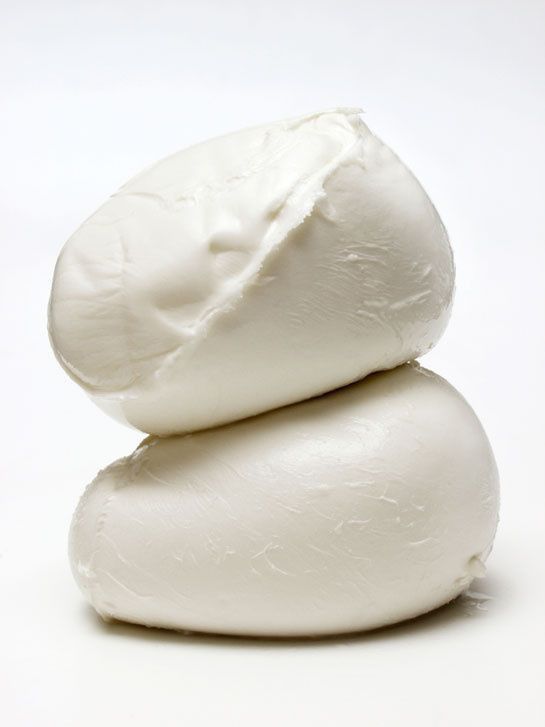
The cheese’s name comes from the Italian word mozzare, which means “to cut,” referring to how the curds are hand-cut and shaped during production. Traditionally, mozzarella was made by skilled cheesemakers (casari), but today, even home cooks (like us!) can master the art.
If you want to learn more about the origin and the rich culture or festivals associated with Mozzarella cheese, check out here.
Authentic & Unique Homemade Mozzarella Recipe
After several attempts (and a lot of spilled milk!), I’ve perfected a foolproof homemade mozzarella recipe. It’s surprisingly simple once you get the hang of it!
Ingredients:
- 1 gallon whole milk (preferably non-UHT, as ultra-pasteurized milk won’t work)
- 1 ½ teaspoons citric acid
- ¼ rennet tablet (or ¼ teaspoon liquid rennet)
- 1 teaspoon salt
- 1 cup cool, chlorine-free water
Instructions:
- Prepare the Citric Acid Solution – Dissolve citric acid in ½ cup cool water. Stir until dissolved.
- Prepare the Rennet Solution – Dissolve rennet in the remaining ½ cup of water and set aside.
- Heat the Milk – Pour milk into a large pot and stir in the citric acid solution. Heat slowly over medium-low heat until it reaches 90°F (32°C). Stir gently.
- Add Rennet & Let it Set – Remove from heat and add the rennet solution. Stir for about 30 seconds, then cover the pot and let it sit undisturbed for 5–10 minutes until it forms a custard-like curd. (This step feels like magic!)
- Cut & Cook the Curds – Cut the curds into 1-inch squares with a knife, then heat gently to 105°F (40°C) while stirring slowly.
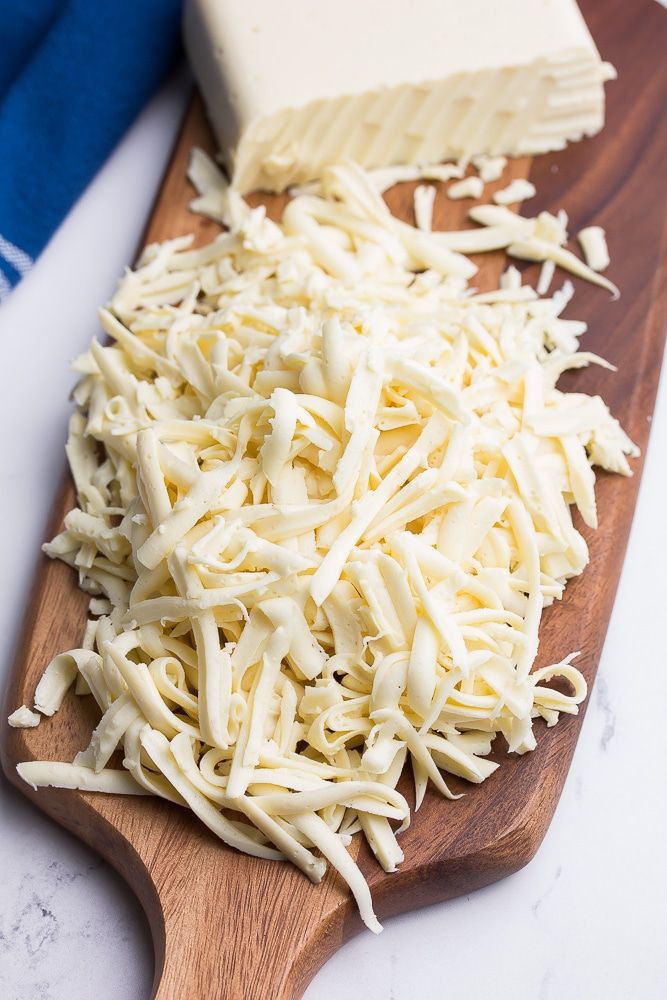
- Drain & Knead – Scoop out the curds and drain off the whey. Knead the curds like dough, stretching and folding until they become glossy and elastic. (This is my favorite part—it’s like playing with warm cheese slime!)
- Shape & Chill – Form the mozzarella into a ball, dunk it in ice water for a few minutes, and enjoy fresh!
Homemade Mozzarella cheese recipe
Equipment
- Cooking pot To heat the milk evenly.
- Thermometer Helps monitor temperature for precise curd formation.
- Slotted spoon For scooping out curds without excess whey.
- Strainer or Colander To drain whey from curds.
- Mixing bowls For ice water and whey storage.
- Knife To cut curds properly.
Ingredients
- 1 gallon whole milk preferably non-UHT, as ultra-pasteurized milk won’t work
- 1 ½ teaspoons citric acid
- ¼ rennet tablet or ¼ teaspoon liquid rennet
- 1 teaspoon salt
- 1 cup cold water chlorine-free water
Instructions
- Prepare the Citric Acid Solution – Dissolve citric acid in ½ cup cool water. Stir until dissolved.
- Prepare the Rennet Solution – Dissolve rennet in the remaining ½ cup of water and set aside.
- Heat the Milk – Pour milk into a large pot and stir in the citric acid solution. Heat slowly over medium-low heat until it reaches 90°F (32°C). Stir gently.
- Add Rennet & Let it Set – Remove from heat and add the rennet solution. Stir for about 30 seconds, then cover the pot and let it sit undisturbed for 5–10 minutes until it forms a custard-like curd. (This step feels like magic!)
- Cut & Cook the Curds – Cut the curds into 1-inch squares with a knife, then heat gently to 105°F (40°C) while stirring slowly.
- Drain & Knead – Scoop out the curds and drain off the whey. Knead the curds like dough, stretching and folding until they become glossy and elastic. (This is my favorite part—it’s like playing with warm cheese slime!)
- Shape & Chill – Form the mozzarella into a ball, dunk it in ice water for a few minutes, and enjoy fresh!
Notes
- Use Non-UHT Milk – Ultra-pasteurized milk won’t form proper curds. Look for pasteurized or raw milk.
- Dissolve Citric Acid Properly – Stir it completely into the milk before heating to ensure even acidity.
- Temperature Control is Key – Use a thermometer to avoid overheating the curds, which can make the cheese grainy.
- Stretching in Hot Water – If the curds don’t stretch, heat them briefly in hot whey (135–150°F) and try again.
- Storage Tip – Keep fresh mozzarella in a bowl of cool, lightly salted water or whey in the fridge for up to 5 days.
Nutrition
Why is Rennet Necessary? 🧐
Rennet is the key to mozzarella’s smooth, stretchy texture! It’s an enzyme that helps milk coagulate, turning it from liquid into curds. Without it, your cheese would be more like ricotta—crumbly and soft.
You can find rennet in tablet or liquid form. While traditional rennet comes from animal sources, vegetarian rennet is available and works just as well!
Great question! Citric acid and lemon juice are related but not exactly the same. 🍋
Can You Use Lemon Juice Instead of Citric Acid?
Yes, but it’s not ideal. While both are acidic, citric acid is a concentrated powder, while lemon juice contains other compounds that can affect cheese-making.
Here’s how they compare:
✅ Citric Acid – Provides a precise, consistent level of acidity, essential for proper curd formation.
⚠️ Lemon Juice – Has variable acidity (depends on the lemon), so results can be unpredictable. It also contains sugars and oils that may affect texture.
If you substitute lemon juice for citric acid:
- Use ¼ cup fresh lemon juice per 1½ teaspoons citric acid.
- Expect a slight lemony taste in the final cheese.
- Your curds may be softer and less stretchy.
I tried using lemon juice once when I ran out of citric acid—it worked, but the mozzarella had a subtle citrusy tang and didn’t stretch as well. Lesson learned: citric acid is the best option! 😄
Variations & Substitutes 🧀🌱
Mozzarella is incredibly versatile, and you can tweak it based on dietary preferences:
- Buffalo Milk Mozzarella – More authentic and creamier than cow’s milk mozzarella.
- Vegan Mozzarella – Made using cashews, agar-agar, and tapioca starch. (It won’t stretch the same, but it’s a great plant-based alternative!)
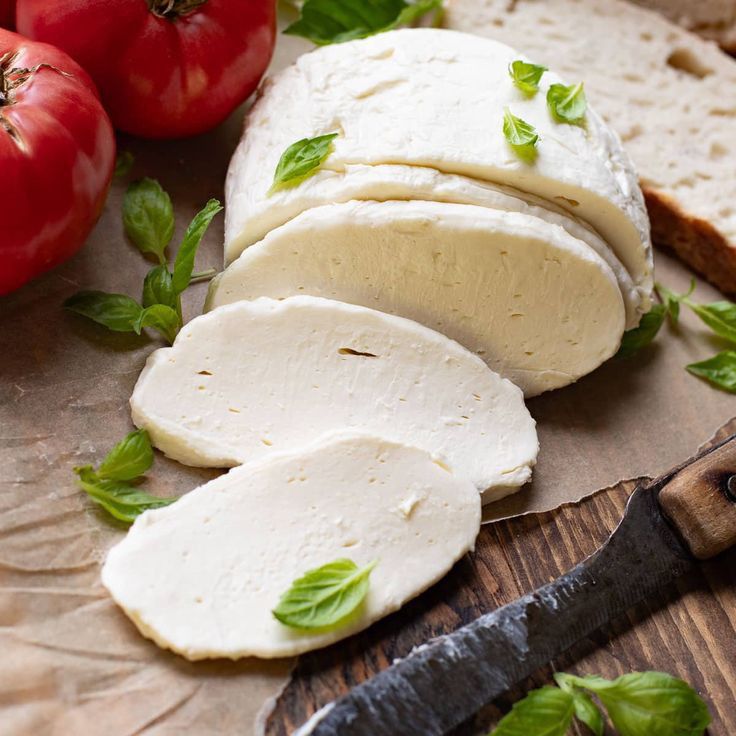
- Smoked Mozzarella – After shaping, place the cheese in a smoker or use liquid smoke for a smoky twist.
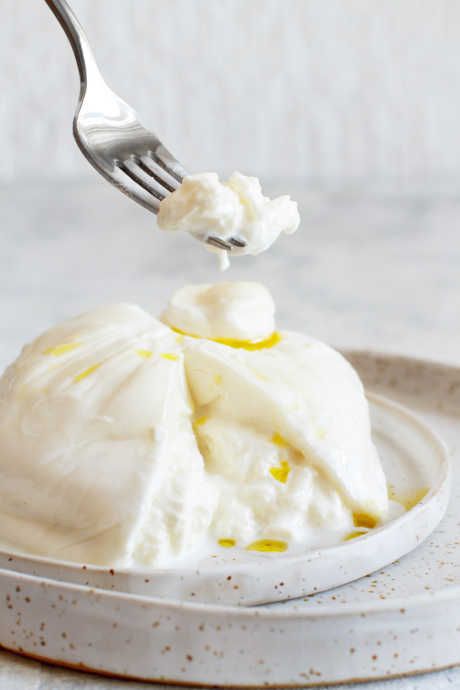
- Burrata – Instead of kneading fully, fill the mozzarella with a creamy ricotta-like center.
🔗 Want to master mozzarella? Check out my ultimate guide on hacks, variations, pairings, and substitutes to take your cheese game to the next level! 👉 Click here!
FAQs About Homemade Mozzarella cheese 🤔
1. Can I use store-bought pasteurized milk?
Yes, but avoid ultra-pasteurized (UHT) milk, as it won’t form proper curds.
2. Why is my mozzarella crumbly instead of stretchy?
This usually happens when the curds are overcooked or not kneaded enough. Try stretching the cheese in hotter water next time!
3. How long does homemade mozzarella last?
It’s best eaten fresh, but you can store it in brine or an airtight container in the fridge for up to 5 days.
4. Can I freeze mozzarella?
Yes, but it might become crumbly when thawed. If freezing, shred it first for better texture when used in cooking.
5. What can I do with leftover whey?
Don’t toss it! Use it in smoothies, soups, or bread dough for extra protein and flavor.
If you want to know more about hacks, variations or alternatives or even got more questions, check out the guide on mozzarella.
Conclusion 🍕❤️
Making mozzarella at home is a fun, rewarding experience—one that fills your kitchen with the aroma of fresh, milky goodness! Whether you enjoy it on pizza, in a salad, or simply torn apart and eaten as is, nothing beats the satisfaction of homemade cheese.
So, are you ready to give it a try? Let me know how your mozzarella turns out! 🧀✨