Kozhukattai: A Sweet Dumpling Adventure
Sweet Kozhukattai, also known as Modak or Modagam in some regions, is not just food—it’s an emotion wrapped in a delicate rice flour dough! Especially popular during Ganesh Chaturthi, this South Indian sweet treat is a symbol of devotion, tradition, and pure culinary joy. Imagine biting into a soft, chewy dumpling filled with sweet coconut and jaggery, and a hint of cardamom. Heavenly, right? Let’s dive into everything Kozhukattai, from its history to how you can master it at home!
Table of contents
- What is Kozhukattai?
- The Dough: A Strong Foundation
- The Filling: Sweet Magic Inside
- How to Make Kozhukattai
- Serving Kozhukattai
- How to Make Rice Flour at Home
- Tips & Tricks for Perfect Kozhukattai
- Kozhukattai Equipment Checklist
- Why We Love Kozhukattai
What is Kozhukattai?
At its heart, Kozhukattai is a sweet steamed dumpling filled with a delightful mixture of grated coconut and jaggery. The rice flour shell is soft and tender, while the filling is sweet, aromatic, and slightly nutty.
But Kozhukattai isn’t just about taste—it’s a festival favorite, especially during Ganesh Chaturthi. Lord Ganesha is believed to be a big fan of this delicacy, so much so that it’s often prepared as an offering (naivedyam) in his honor. No wonder it’s considered a dish of divine significance!
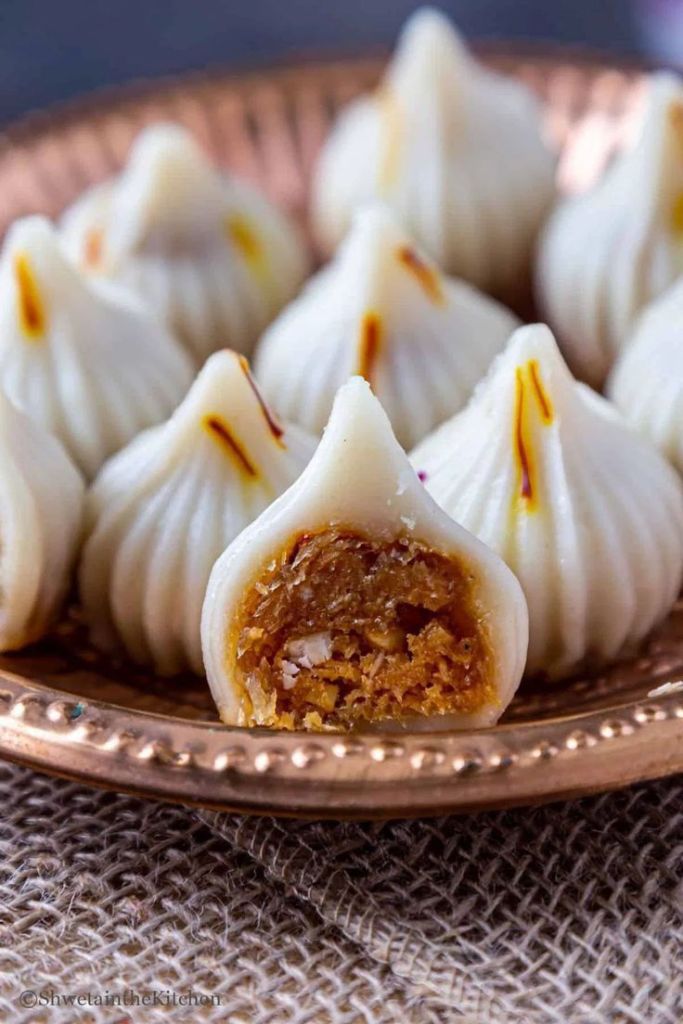
The Dough: A Strong Foundation
The outer layer of Kozhukattai is made from rice flour, which gives it that signature chewy texture. Here’s what goes into it:
- Rice Flour: Traditionally made at home (more on that later), it’s mixed with hot water and a pinch of salt to form a smooth, pliable dough.
- Hot Water: This is key to activating the rice flour’s elasticity, making it easier to shape.
Pro Tip: If the dough feels dry and cracks while shaping, don’t panic! Add a little warm water and knead again until it’s smooth.
The Filling: Sweet Magic Inside
Ah, the filling—where all the magic happens! The classic Kozhukattai filling combines:
- Coconut: Freshly grated for the best texture and flavor.
- Jaggery: Adds a rich, caramel-like sweetness that pairs beautifully with coconut.
- Cardamom: Just a pinch of this aromatic spice elevates the filling to the next level.
- Ghee: Optional but highly recommended for that extra richness.
Some variations include roasted sesame seeds or even a hint of nutmeg for a unique twist.
How to Make Kozhukattai
Step 1: Prepare the Dough
- Mix rice flour with hot water and a pinch of salt.
- Knead it into a smooth, pliable dough that’s not too sticky or dry. Cover it with a damp cloth to prevent drying out.
Step 2: Make the Filling
- Melt jaggery in a pan with a splash of water to create a syrup. Strain to remove impurities.
- Add grated coconut and cardamom powder to the syrup. Cook until it becomes a sticky, fragrant mixture.
Step 3: Shape the Kozhukattai
- Take a small ball of dough and flatten it into a thin circle.
- Place a spoonful of filling in the center.
- Carefully fold and pleat the edges to seal the dumpling.
Step 4: Cook the Dumplings
- Steamed Version: Arrange the dumplings on a greased plate or banana leaf and steam for 10–12 minutes. They’re done when they turn translucent and shiny.
- Fried Version: For a crispy twist, deep fry the dumplings until golden brown.

Kozhukattai | Modak recipe | Sweet Steamed Indian Dumplings
Equipment
- Wooden steamer Or normal steamer as per your convenience
- Mixing bowls
- Modak shaper optional
Ingredients
- 250 g Rice flour
- 100 g Grated coconut
- 50 g Jaggery
- 2 g Salt
- 100 ml Warm water
- 2 g Cardamom
Instructions
- In a kadai or pan add the jaggery, cardamom powder, and little water around 25 ml and let it melt completely.50 g Jaggery, 2 g Cardamom
- Roast the coconut in a pan slightly for 1 minute ( optional).
- Remove from flame and strain it. This helps in removing lumps or impurities from the jaggery.
- Add the grated coconut and mix well and bring back to heat and cook for 1 minute. The mixture should be moist and not runny.100 g Grated coconut
- Add rice flour, salt in a bowl or big plate and mix well. Warm the water to medium heat.250 g Rice flour, 2 g Salt, 100 ml Warm water
- Slowly add the water and start combining and when the flour is formed as dough start kneading for 5 minutes to ensure smooth texture and soft dough.
- Make sure the dough is not too wet or dry.
- Divide into equal small rounds of 30 g to 40 g.Hand method: Take a round and press it using palm and once flattened start pressing the dough from middle to outer or can sheet also using rolling pin by applying little oil in the bottom.It should be thin and even. Add the filling in-between and from one side close the dough to other side and press the edges so it is even and thin.Mold: Apply oil or ghee in the mold. Sheet the dough using rolling pin or press it by hand and place it in the kozhukattai mold and add filling in the centre and close the mold. Remove the excess dough that is outside the mold.
- Steam the molded dumplings in the steamer basket or Idli cooker and steam for 10 minutes to 12 minutes. The dough will be translucent in nature.
Notes
Nutrition
Serving Kozhukattai
Kozhukattai is best served warm with a drizzle of ghee for extra indulgence. While it’s traditionally made for Ganesh Chaturthi, there’s no rule against enjoying it year-round!
How to Make Rice Flour at Home
Making your rice flour at home is easier than you think. Plus, it’s fresher and adds an authentic touch to your Kozhukattai.

- Rinse: Wash raw rice thoroughly and drain.
- Dry: Spread the rice on a clean cloth and air-dry it completely.
- Grind: Blend the dried rice into a fine powder.
- Sift: Pass the flour through a sieve to remove coarse particles.
- Store: Keep it in an airtight container for up to a month.
Tips & Tricks for Perfect Kozhukattai
- Smooth Dough: Knead the dough well to avoid cracks. Think of it as giving your dumplings a spa treatment!
- Moist Filling: If the filling is too wet, it’ll make the dumplings soggy. Cook it just enough to bind together.
- Steam Smart: Place a banana leaf or parchment paper under the dumplings to prevent sticking.
- Cooling Time: Let them cool for a few minutes after steaming—they firm up beautifully!
If you have more doubts or questions or ideas on making sweet lozhukattai / modak, check out our variations guide and join the forum to share your thoughts and experiences.
Kozhukattai Equipment Checklist
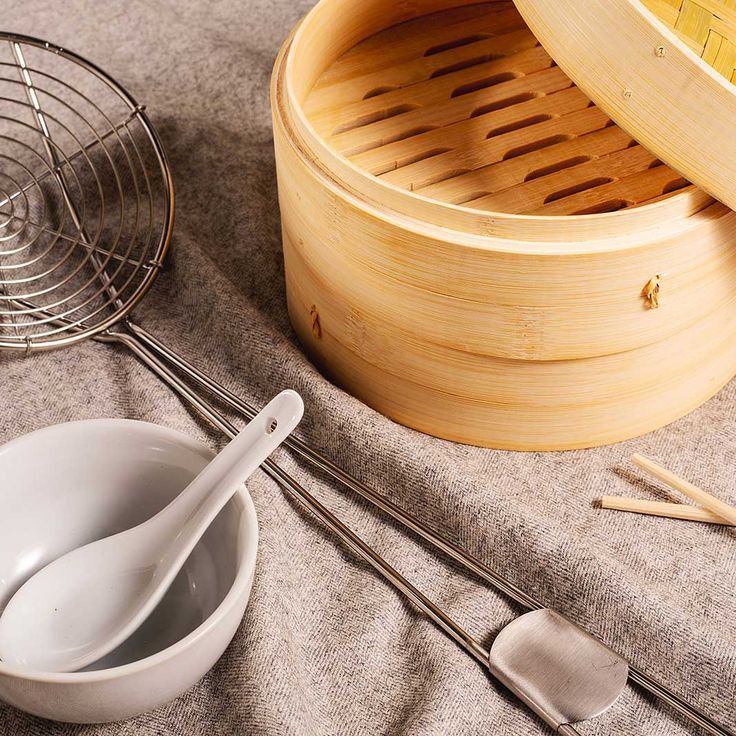
Wooden steamer
Eco-friendly bamboo design, retains nutrients, compact and lightweight, durable material, perfect for steaming dumplings, modaks, and veggies.

Dumplings shaper
Easy-to-use design, food-safe material, non-stick surface, speeds up modak-making, compact and easy to clean and store.
Why We Love Kozhukattai
There’s something magical about the combination of coconut, jaggery, and rice flour. Each bite is a little celebration, whether you’re reliving childhood memories or creating new ones. And let’s not forget—it’s healthy, gluten-free, and customizable with endless variations!
So, the next time you’re in the mood for something sweet, traditional, and a bit creative, give Kozhukattai a try. Who knows? You might just find yourself sneaking a few extra dumplings before they even make it to the serving plate! 😋
Make and share this Sweet Indian festival dessert and share your creations in social media, Instagram or Pinterest with #thegourmetpalette or in our gourmet palette forum.