Ven Pongal
Ven Pongal is a beloved South Indian comfort food known for its creamy and savory goodness. This dish is a warm and hearty porridge made from a harmonious blend of rice and lentils, traditionally seasoned with black peppercorns and cumin seeds. The rice and lentils are cooked to a rich, creamy consistency, creating a comforting texture that’s both soothing and satisfying.
Ven Pongal derives its unique flavor from a fragrant tempering of ghee, roasted cashews, ginger, curry leaves, and asafoetida. This flavorful seasoning, known as “tadka” or “tempering,” elevates the dish to a delightful level of taste and aroma.
Table of contents
- History of Ven Pongal
- Accompaniments
- Tips and tricks
- Equipments and Ingredients
- Recipe
- Frequently asked Questions for Ven Pongal
It’s a versatile dish enjoyed throughout the day, whether as a wholesome breakfast option or a fulfilling main course for lunch or dinner. Ven Pongal is often accompanied by coconut chutney, sambar, or a side of pickle to enhance its flavor further.
This South Indian classic embodies the essence of comfort food with its creamy texture, aromatic seasoning, and the simplicity of its ingredients. It remains a cherished dish that brings warmth and contentment to countless households in South India and beyond.

History of Ven Pongal
Ven Pongal, also known simply as “Pongal,” is a traditional South Indian dish with a rich history deeply rooted in the culinary traditions of Tamil Nadu, India. While it’s challenging to pinpoint an exact historical origin, Pongal has been a part of South Indian cuisine for centuries. Here’s a brief overview of its history:
1. Ancient Origins: The preparation of rice and lentils together has been a staple in Indian cuisine for thousands of years. Ancient texts like the “Manusmriti” (dated around 200 BCE to 200 CE) mention a dish called “Peya,” which bears similarities to modern-day Pongal.
2. Harvest Festival: Pongal is closely associated with the harvest festival of the same name, which is celebrated in the Tamil month of Thai (usually in January). This festival, dedicated to the Sun God, celebrates the bountiful harvest and is a time for expressing gratitude.
3. Temple Tradition: Pongal was traditionally prepared as an offering to deities in temples, particularly in Tamil Nadu. It was a way for devotees to express their devotion and seek blessings for a prosperous harvest.
4. Cultural Significance: Pongal is not just a dish but a cultural symbol of South India. The preparation and sharing of Pongal signify unity, joy, and togetherness within families and communities.
5. Evolution: Over time, Pongal has evolved to include various regional variations and adaptations, including Chakkara Pongal (sweet Pongal) and Ven Pongal (savory Pongal).
6. Modern Popularity: Today, Ven Pongal is a beloved South Indian comfort food enjoyed not only during the Pongal festival but also as a daily meal. It has become a popular breakfast option in many South Indian households and restaurants.
Accompaniments
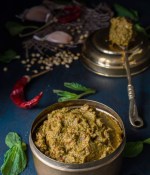

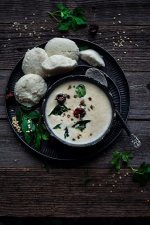
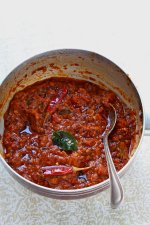
Tips and tricks
Making perfect Ven Pongal, a South Indian comfort dish, requires attention to detail. Here are some tips and tricks to help you achieve the best results:
Rice and Lentils Ratio: The ideal rice-to-lentil ratio for Ven Pongal is typically 2:1 or 3:1, depending on your preference for creaminess. A 2:1 ratio makes it creamier, while a 3:1 ratio makes it lighter.
Roasting Rice and Lentils: Dry roast the rice and moong dal separately before cooking to enhance their flavor. This step is essential for traditional taste.
Water Measurement: Use the right amount of water for cooking the rice and lentils. The standard ratio is 1:4, meaning for every cup of rice and lentils, use 4 cups of water.
Pressure Cooker: While traditionally Ven Pongal is cooked in an open pot, using a pressure cooker can save time and ensure even cooking. If using a pressure cooker, cook for 3-4 whistles.
Seasoning (Tadka): The key to flavorful Ven Pongal is the seasoning (tadka). Use fresh ghee for a rich aroma, and don’t skimp on ingredients like black peppercorns, cumin seeds, cashews, ginger, curry leaves, and asafoetida.
Consistency: Adjust the consistency by adding more hot water if you prefer a runnier Pongal or let it cook longer for a thicker consistency.
Equipments and Ingredients

Pressure cooker
Pressure cooker makes the cooking faster and with desired texture. It follows steaming technique.
Recipe
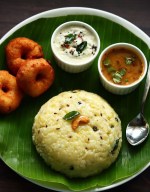
How to make Ven Pongal | Ghee pongal |South Indian Breakfast
Ingredients
- 100 g Raw rice Pacharisi
- 50 g Moong dal
- 500 ml Water
- 100 ml Ghee / oil
- 5 g Ginger Fine Chopped
- 5 g Cumin seeds
- 10 g Black peppercorns
- 5 g Curry leaves
- 4 no g Dry red chilies
- 25 g Cashewnuts
- 3 g Asafoetida Hing
- 5 Salt
Instructions
- Wash and rinse the raw rice and moon dal for completely around 2- 3 times. In a pressure cooker add little ghee and then add the washed and rinsed raw rice and moong dal, salt and saute for just 2 minutes in medium flame. Then add the required amount of water and close the pressure cooker and let it cook for 3- 4 whistle. Then switch off the flame and let it rest for 10 minutes. Do not open the lid immediately. After 10 minutes open the lid and using a laddle mix the rice and it will turn creamier and mushy.
- In a iron kadai, add ghee or oil and let it heat up. Add the black peppercorns and let it crackle. Then add the cumin seeds and chopped ginger, curry leaves and dried red chilies and sauté for 30 seconds in medium flame. Add the cashewnuts and let it golden brown, then add salt if required ( taste the mix and add in oil if needed) and hing Switch off the flame immediately and then pour the tempering / tadka in the rice and mix well. Serve hot with tiffin sambar, peanut chutney so on.
Notes
Nutrition
Frequently asked Questions for Ven Pongal
What is Ven Pongal?
Ven Pongal is a popular South Indian dish made from rice and lentils, cooked together and seasoned with spices, particularly black peppercorns and cumin seeds. It’s known for its creamy texture and savory flavor.
Is Ven Pongal and Khara Pongal the same?
No, they are not the same. While both dishes use rice and lentils, Ven Pongal is a savory dish seasoned with black peppercorns and cumin seeds, whereas Khara Pongal is spicier and includes additional spices like cloves and cinnamon.
Can I make Ven Pongal with brown rice or other grains?
Yes, you can use brown rice or other grains like millets to make a healthier version of Ven Pongal. Cooking times may vary, so adjust accordingly.
The Ultimate Comfort in a Bowl!
And there you have it—Ven Pongal, the ultimate comfort food that’s warm, buttery, and packed with flavors! Whether you’re making it for a festival like Pongal or just craving a cozy meal, this dish never disappoints. Pair it with coconut chutney and sambar, and you’ve got a plate of pure happiness.
Tried this recipe? Share your thoughts in the Chef’s Corner forum! Want to explore more South Indian breakfast recipes? Check out our Breakfast accompaniments like chutney, sambar and other recipes that can pair well with Indian breakfast. Keep cooking, keep experimenting, and most importantly—enjoy every bite! 😋