Lamb Rendang Recipe: When Patience Turns Into Magic
The first time I cooked lamb rendang, I thought something was wrong. The curry looked dry, the oil started separating, and the kitchen smelled so intense that my neighbors probably thought I had opened a spice shop overnight. I nearly added water. I nearly panicked.
Good thing I didn’t.
Because what was happening in that pot was not a mistake, it was tradition doing its thing.
Lamb rendang is not a quick curry. It’s slow, stubborn, unapologetic, and deeply rewarding. This is the kind of dish that teaches you patience whether you want to learn it or not. And when it’s finally ready, dark, glossy, and clinging to the meat like a spice-coated hug, you understand why people say rendang isn’t just food, it’s a cultural experience.
Quick poll before we dive in
👉 Are you team slow and traditional, or team shortcut but tasty?
What Is Lamb Rendang, Really?
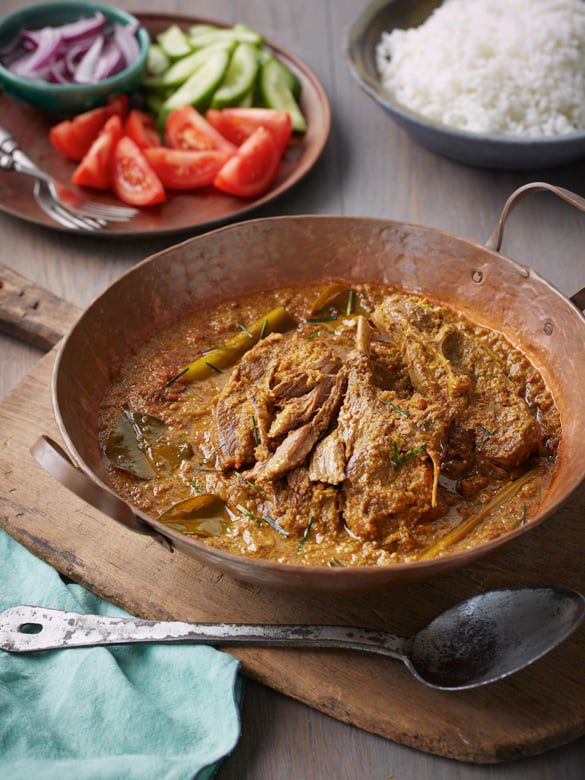
Rendang is a slow-cooked Indonesian dish originally from the Minangkabau people of West Sumatra. Traditionally made with beef, it’s cooked for hours in coconut milk and a powerful spice paste until all the liquid evaporates and the meat absorbs every bit of flavor.
Lamb rendang follows the same philosophy but brings its own richness. Lamb’s natural fat and depth pair beautifully with coconut, lemongrass, galangal, and spices.
Rendang is so culturally significant that it’s often served during ceremonies and celebrations. If you enjoy food history, this detailed explanation of Indonesian cuisine from Encyclopaedia Britannica is worth a read.
Why Lamb Rendang Is So Special
This dish is special because it breaks all the usual curry rules.
• It starts as a curry but ends dry
• It cooks until oil separates naturally
• It gets better the longer it cooks
• It tastes even better the next day
• It’s intensely spiced but never sharp
Lamb rendang is layered, complex, and comforting at the same time. Every bite feels slow and intentional.
And yes, your arm will get tired stirring. That’s part of the ritual. When it comes to meat, beef is the most traditional choice, especially cuts like chuck or shank that can withstand long cooking and absorb spice deeply. Lamb is a modern but respected variation, offering richer flavor and a more indulgent mouthfeel, while chicken rendang is quicker and lighter but lacks the depth of slow-cooked red meat.
Rendang vs Regular Curry: What’s the Difference?
| Rendang | Regular Curry |
|---|---|
| Cooked until almost dry | Served with gravy |
| Long cooking time | Shorter cooking |
| Oil separates naturally | Liquid remains |
| Deep roasted spice flavor | Fresh spice flavor |
| Better next day | Best fresh |
If your rendang still has lots of sauce, it’s not wrong, but it’s not finished yet.
Difference Between Indonesian and Malaysian Rendang
| Aspect | Indonesian Rendang | Malaysian Rendang |
|---|---|---|
| Origin | West Sumatra, Indonesia | Malaysia |
| Cooking style | Cooked very slowly until almost dry | Cooked shorter, left saucy |
| Texture | Dark, dry, oil-coated meat | Thick gravy, curry-like |
| Cooking time | 3 to 5 hours traditionally | 1 to 2 hours |
| Flavor profile | Deep, roasted, earthy spices | Brighter, slightly sweeter |
| Coconut milk | Fully reduced until oil separates | Reduced but still present |
| Purpose | Preservation and ceremonial food | Everyday comfort dish |
| Final look | Meat coated in spice paste | Meat sitting in sauce |
Recipe for Lamb Rendang
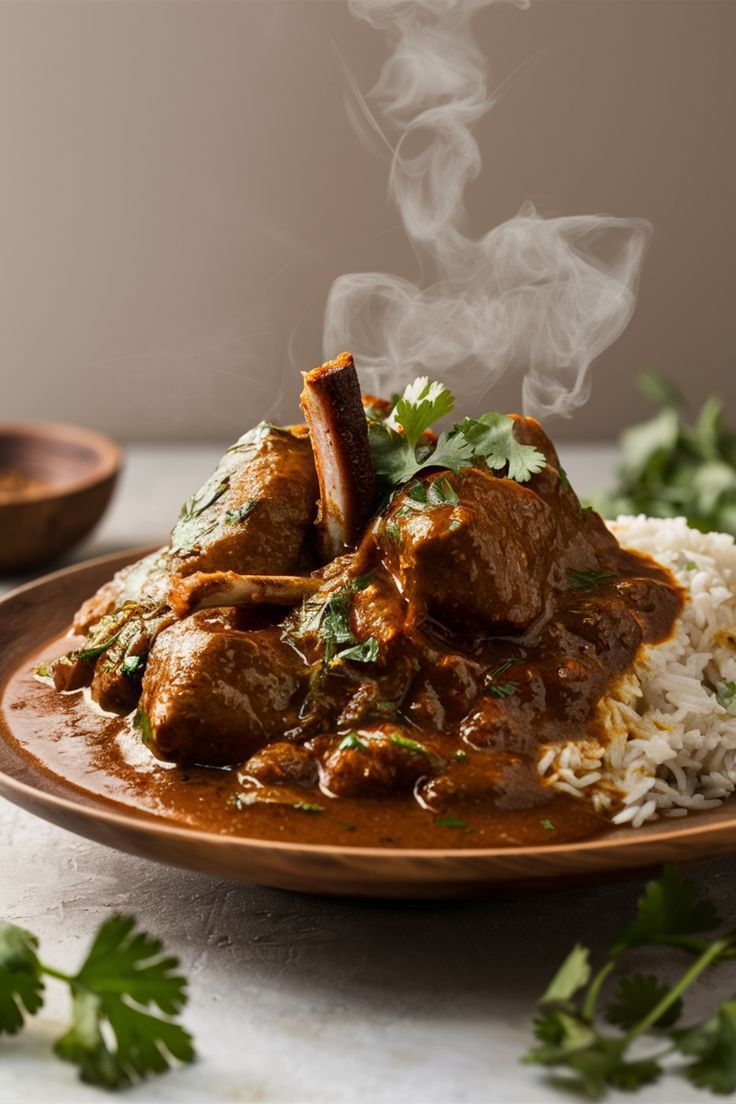
Indonesian Lamb Rendang recipe
Equipment
- Heavy-bottomed pot or Dutch oven
- Blender or food processor
Ingredients
For the Spice Paste
- 6 dried red chilies soaked
- 4 shallots
- 4 cloves garlic
- 1 inch ginger
- 1 inch galangal
- 1 tsp coriander seeds
- ½ tsp cumin seeds
For the Rendang
- 800 g lamb cut into chunks
- 2 cups thick coconut milk
- 1 stalk lemongrass bruised
- 4 kaffir lime leaves
- 1 tsp turmeric powder
- Salt to taste
- 2 tbsp oil
Instructions
Prepare the spice paste
- Drain the soaked chilies and add them to a blender along with shallots, garlic, ginger, galangal, coriander seeds, and cumin seeds. Blend into a smooth, thick paste. Add a splash of soaking water only if needed.
Cook the spice paste
- Heat oil in a heavy-bottomed pot over medium heat. Add the spice paste and cook it slowly, stirring often, until it becomes fragrant and the oil begins to separate. This step takes about 8 to 10 minutes and is essential for depth of flavor.
Add the lamb
- Add the lamb pieces to the pot and stir well so every piece is coated in the spice mixture. Cook for 5 minutes, allowing the meat to seal slightly and absorb the spices.
Add coconut milk and aromatics
- Pour in the coconut milk, then add lemongrass, kaffir lime leaves, turmeric powder, and salt. Stir gently and bring to a soft simmer.
Slow cook patiently
- Reduce the heat to low and cook uncovered. Stir every 10 to 15 minutes to prevent sticking. As the liquid reduces, stir more frequently. This stage takes about 2 hours.
Watch the transformation
- The curry will slowly thicken, then darken, and eventually the oil will separate naturally. The sauce will cling to the meat rather than pool in the pot.
Final adjustment
- Taste and adjust salt. Continue cooking until the lamb is tender, the sauce is almost dry, and the aroma is deep and roasted.
Rest before serving
- Turn off the heat and let the rendang rest for at least 15 minutes. This allows the flavors to settle and deepen.
Notes
- Rendang improves with time and tastes even better the next day.
- Low heat is crucial. High heat will burn the spices before the meat becomes tender.
- If the mixture dries too quickly, reduce heat further and stir more often.
- Always use full-fat coconut milk for authentic texture and flavor.
Storage Tips
- Refrigerate in an airtight container for up to 4 days.
- Freeze for up to 2 months.
- Reheat gently on low heat, stirring occasionally.
Nutrition
What If Something Goes Wrong? Let’s Fix It
Rendang can feel intimidating, but most problems are easy to solve.
• Sauce drying too fast
Lower the heat and stir more often. Rendang should reduce slowly.
• Meat still tough
It simply needs more time. Low heat, patience, no shortcuts.
• Coconut milk splitting early
Heat was too high. Add a spoon of coconut milk and continue gently.
• Spices tasting raw
The spice paste wasn’t cooked long enough at the start. Always sauté until fragrant.
• Too spicy
Add a little extra coconut milk or serve with plain rice.
• Burnt bits at the bottom
Scrape gently and lower heat. Use a heavy pot next time.
A heavy-bottomed pot really matters here.
Variations and Smart Substitutes
Rendang is traditional, but flexible.
• Beef rendang for classic flavor
• Chicken rendang for faster cooking
• Jackfruit rendang for a vegan version
• Lamb shoulder instead of leg for juicier results
• Galangal substitute: ginger with a little lime zest
• Kaffir lime leaves substitute: lime zest plus bay leaf
If you love experimenting, rendang rewards curiosity.


Pairings That Make Lamb Rendang Shine
Lamb rendang is bold, so pair it with calm companions.
Best Sides
• Steamed jasmine rice
• Coconut rice
• Turmeric rice
• Plain flatbread or roti
• Light cucumber salad
Condiments
• Sambal for heat lovers
• Pickled onions for balance
• Fresh herbs like coriander
Drinks
• Cold coconut water
• Light lager beer
• Iced lime soda
• Mild red wine if you’re feeling adventurous
To get the spice paste ultra-smooth, a strong high speed blender helps a lot.
Other Indonesian recipes


Common Lamb Rendang Questions (Real Kitchen Problems)
| Question | Answer |
|---|---|
| Why does rendang take so long? | It’s meant to. Slow cooking builds flavor. |
| Can I add water? | Traditionally no. Coconut milk does the work. |
| Is rendang supposed to be dry? | Yes, that’s the final stage. |
| Can I use canned coconut milk? | Yes, full-fat only. |
| Why is my lamb chewy? | It needs more time to break down. |
| Can I cook it the day before? | Please do, it tastes better. |
| Is rendang spicy? | Aromatic more than spicy. |
| Can I freeze rendang? | Yes, it freezes beautifully. |
| Can I make it in advance? | Ideal for meal prep. |
| Is lamb rendang authentic? | Yes, it’s a respected variation. |
How to Know When Rendang Is Done
This helps beginners a lot.
• Oil separates clearly
• Sauce coats the meat, not the pot
• Color turns dark brown
• Aroma becomes roasted and nutty
• You feel tempted to “just taste one more piece”
That’s your sign.
Conclusion
Lamb rendang teaches you something rare in modern cooking, slow down and trust the process. It doesn’t rush, it doesn’t compromise, and it rewards you generously if you give it time.
Cook it on a quiet day. Let it bubble gently. Stir, taste, adjust, repeat. And when you finally serve it, don’t be surprised if everyone goes quiet at the table. That’s rendang doing what it does best.
Now I’m curious
👉 Would you cook this for a weekend feast or save it for a special occasion?

Authentic recipe. Thanks
Amazing recipe with step by step instruction to get authentic taste. I recommend this website for more recipes
Truly authentic…. very tasty
Truly authentic…. very tasty