The first time I tasted oriental rice pilaf, I underestimated it. “It’s just rice,” I thought, but one spoonful changed my mind. Each grain was fluffy, separate, and fragrant with spices, dotted with vegetables and nuts that made it feel like a meal fit for a feast. It was the kind of dish that made me wonder how something so humble could taste so layered and elegant.
Do you remember the last time a “simple” dish surprised you? Pilaf does exactly that.
Table of contents
A Little History
Pilaf, also known as pilau, has a history as rich as its flavor. It is believed to have originated in Persia, later spreading through the Middle East, Central Asia, and eventually to Europe and India. Every region left its mark: saffron in Persian versions, dried fruit and nuts in Turkish ones, and spices like cumin and cloves in Indian pulao. It is one of those dishes that feels familiar wherever you go, yet unique every time you taste it. If you want to read more, Britannica has a lovely entry on pilaf.

Difference between
| Dish | Method | Texture | Flavor |
|---|---|---|---|
| Pilaf | Rice sautéed in fat with aromatics, then simmered in broth | Fluffy, separate grains | Fragrant, lightly spiced, savory-sweet balance |
| Pulao (Indian) | Similar to pilaf but often includes more spices and meat or vegetables | Fluffy, slightly richer | More layered with warm spices like cumin and cloves |
| Biryani | Rice and marinated meat cooked together, often layered and steamed | Fluffy rice with rich layers | Heavily spiced, aromatic, festive |
| Plain steamed rice | Rice boiled or steamed in water | Soft, sometimes sticky | Neutral, no added flavors |
| Risotto | Rice stirred constantly with stock until creamy | Creamy, starchy | Rich, savory, often with cheese or wine |
Fun Facts about Pilaf
- Pilaf is so old that Alexander the Great supposedly enjoyed it at banquets after his campaigns.
- UNESCO has recognized pilaf as part of the cultural heritage of Central Asia.
- Nearly every country that eats rice has its own version of pilaf, from Turkish pilav to Indian pulao to Uzbek plov.
- The technique of toasting rice in fat before cooking is what sets pilaf apart, giving it that nutty depth of flavor.
Why Nuts and Dried Fruits?
The addition of nuts and dried fruit is not just for decoration. They bring contrast: nuts add crunch and richness, while raisins or apricots provide little bursts of sweetness that balance the savory rice and spices. This sweet-savory contrast is common in Middle Eastern and Persian cuisine, where pilaf is often served on festive occasions.
Recipe for oriental rice pilaf
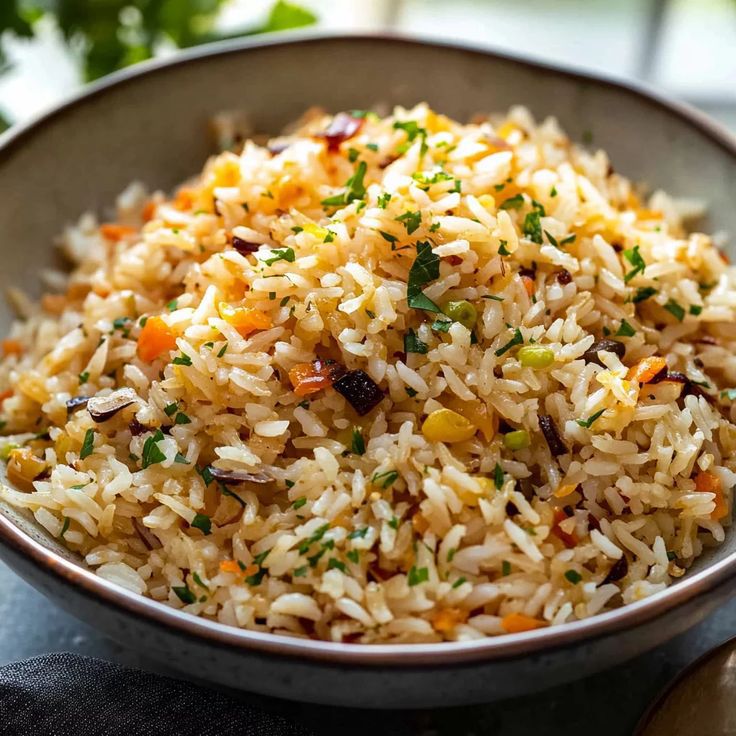
Authentic Oriental Rice Pilaf recipe
Equipment
- Large saucepan or Dutch oven with tight lid
- wooden spoon
- Knife and measuring cups
Ingredients
- 2 cups long-grain rice basmati or jasmine
- 3 tablespoons butter or olive oil
- 1 onion finely chopped
- 2 garlic cloves minced
- 1 carrot diced
- ½ cup peas fresh or frozen
- ¼ cup raisins or chopped dried apricots
- ¼ cup slivered almonds or cashews toasted
- 3 ½ cups chicken or vegetable broth
- 1 cinnamon stick
- 3 cardamom pods
- 1 bay leaf
- Salt and black pepper to taste
- Fresh parsley or coriander for garnish
Instructions
Wash the rice
- Rinse the rice in cold water three to four times until the water runs clear. This removes excess starch and prevents the grains from clumping. Drain well.
Cook the aromatics
- Heat the butter or oil in a saucepan over medium heat. Add the chopped onion and cook until soft and translucent, about 5 minutes. Stir in garlic, carrot, cinnamon stick, cardamom pods, and bay leaf. Cook for 2 minutes until fragrant.
Toast the rice
- Add the rinsed rice to the pan and stir for 2 to 3 minutes until lightly toasted and coated in the butter and spices.
Simmer gently
- Pour in the broth, season with salt and pepper, and stir once. Bring to a boil, then reduce heat to low, cover tightly, and cook for about 15 minutes, or until all liquid is absorbed and the rice is tender.
Rest and fluff
- Remove the pan from the heat and let it rest, covered, for 5 minutes. This allows the grains to finish steaming. Fluff the rice gently with a fork.
Finish and serve
- Fold in the peas, raisins, and toasted nuts. Garnish with fresh parsley or coriander. Serve warm as a main or side dish.
Notes
- A tight lid is essential for fluffy rice. If your lid is loose, place a sheet of foil under it to trap the steam.
- To make it vegetarian, use vegetable broth instead of chicken broth.
- Add saffron steeped in warm milk for a luxurious aroma and golden color.
- For festive occasions, replace raisins with dried cranberries and use pistachios instead of almonds.
- Leftovers can be stored in the fridge for up to three days. Reheat with a splash of broth to refresh the texture.
Nutrition
Mistakes to avoid
| Mistake | Why it Happens | How to Fix it |
|---|---|---|
| Rice turns mushy | Too much water or stirring during cooking | Measure broth carefully, resist the urge to stir |
| Rice sticks to the bottom | Heat too high or not enough fat | Cook on low with a tight lid, coat grains in butter or oil first |
| Bland flavor | Skipping aromatics and spices | Always sauté onion, garlic, and whole spices before adding rice |
| Dry rice | Lid not sealed properly | Use a tight-fitting lid or cover with foil under the lid |
| Uneven cooking | Lifting the lid mid-way | Leave it closed until resting time is done |
Serving Ideas for Oriental Rice Pilaf
- Family-style platter – pile the pilaf high on a large serving dish, scatter toasted nuts and fresh herbs over the top, and let everyone help themselves.
- Individual bowls – serve the pilaf in small bowls topped with a spoonful of yogurt or raita, perfect for casual dinners.
- Festive centerpiece – mold the pilaf into a dome using a large bowl, invert it onto a plate, and decorate with saffron threads, cranberries, or pistachios.
- As a base – use the pilaf as a bed for grilled chicken, kebabs, or roast vegetables, letting the juices soak into the rice.
- With mezze – place the pilaf alongside hummus, baba ganoush, and flatbreads for a Middle Eastern-inspired spread.
- Layered dish – alternate pilaf with sautéed vegetables or cooked meat in a serving dish, almost like a simplified biryani, for a heartier presentation.
Variations
Pilaf is endlessly adaptable. You can add chicken, lamb, or shrimp if you want to make it more filling, or keep it vegetarian with more seasonal vegetables. Saffron gives it a luxurious aroma and color, while dried cranberries or pistachios turn it into a festive dish. Some cooks even swap raisins for dates or apricots for a deeper sweetness.
Substitutes
No basmati rice on hand? Jasmine rice works beautifully. Out of nuts? Try sunflower seeds or pumpkin seeds for crunch. If you want to make it richer, cook with ghee instead of butter. For broth, both chicken and vegetable stock work well, depending on whether you want a lighter or more robust base.
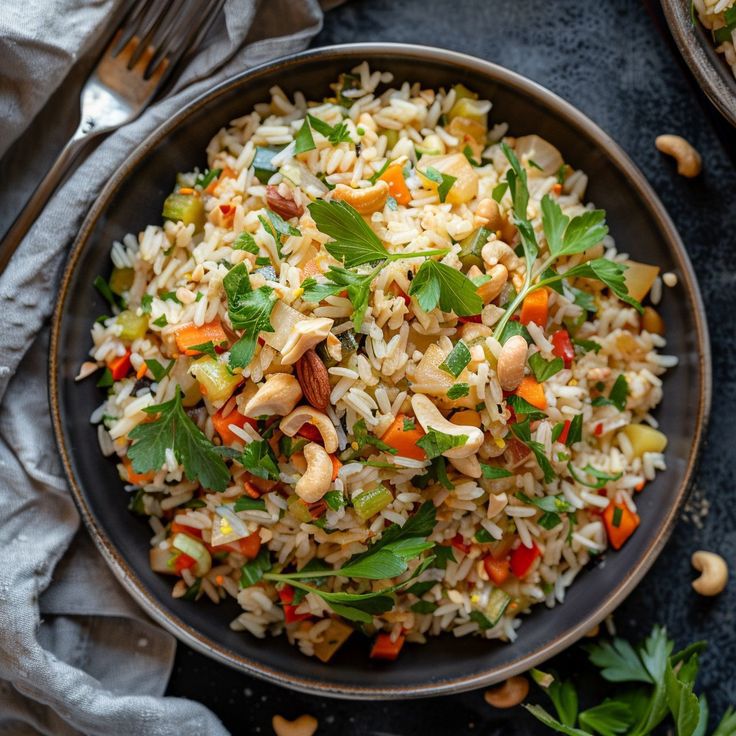
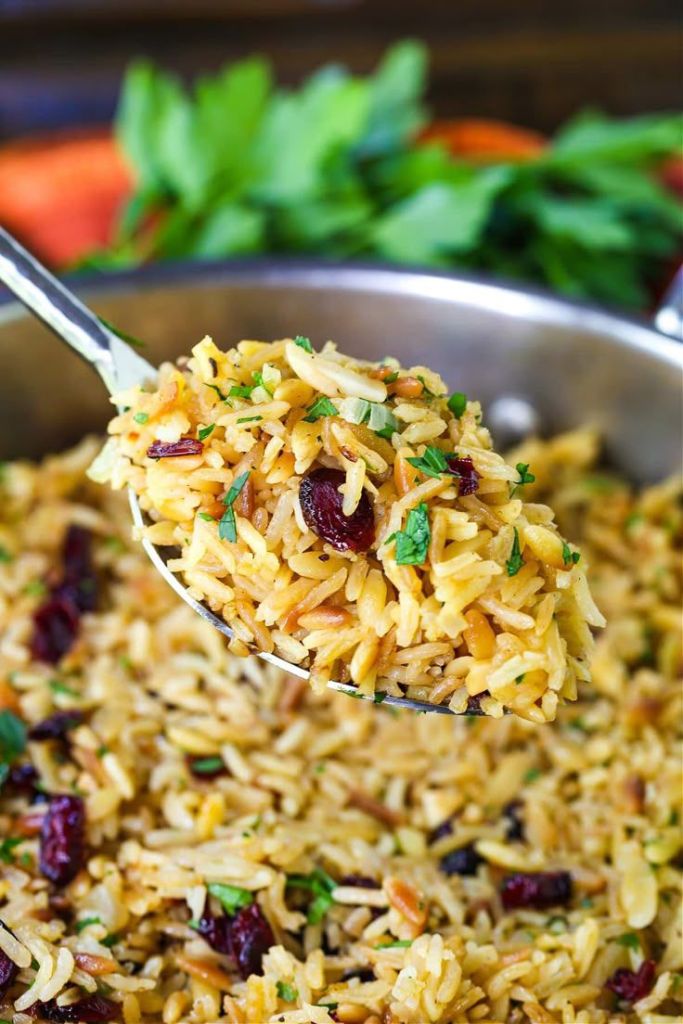
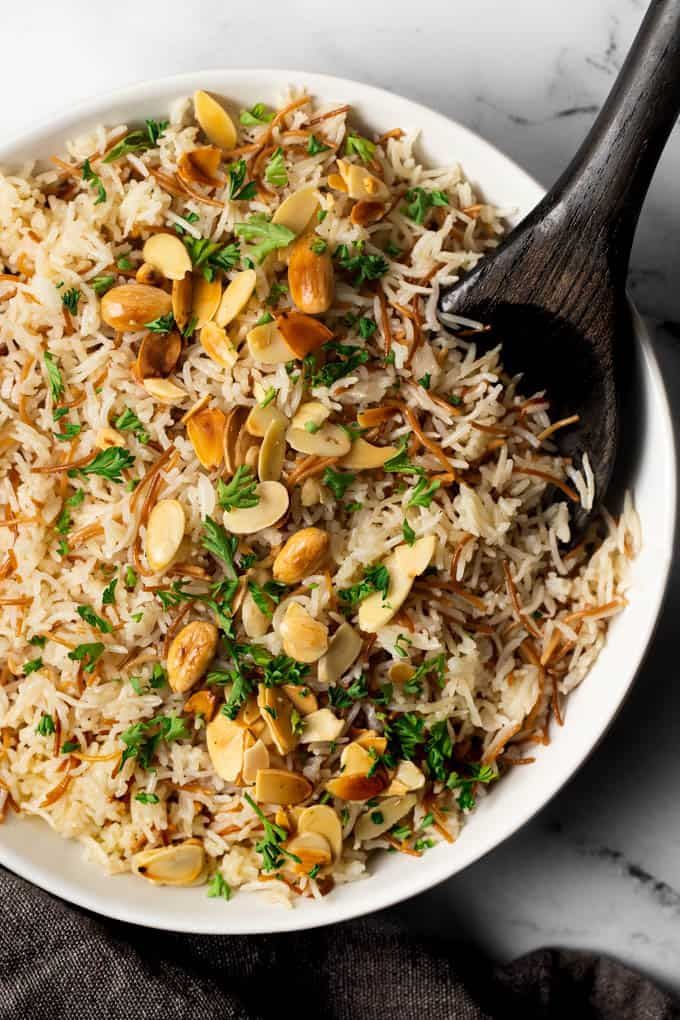
Pairings for Oriental Rice Pilaf
- Roasted chicken or turkey – the mild spices in pilaf complement juicy roast poultry perfectly.
- Grilled fish – light, flaky fish balances the richness of buttery rice.
- Middle Eastern kebabs – lamb, beef, or chicken skewers pair beautifully with the fragrant rice.
- Indian curries – creamy or tomato-based curries sit well beside pilaf, soaking into the grains.
- Yogurt dips and raita – a cooling cucumber raita or plain yogurt balances the warmth of the spices.
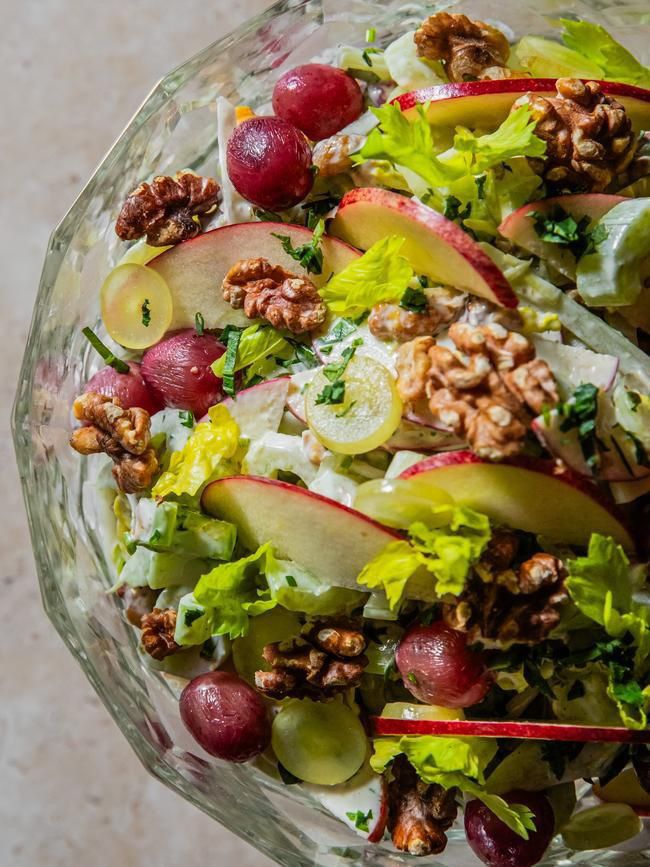
- Fresh salads – a crisp green salad or tabbouleh adds freshness to the meal.
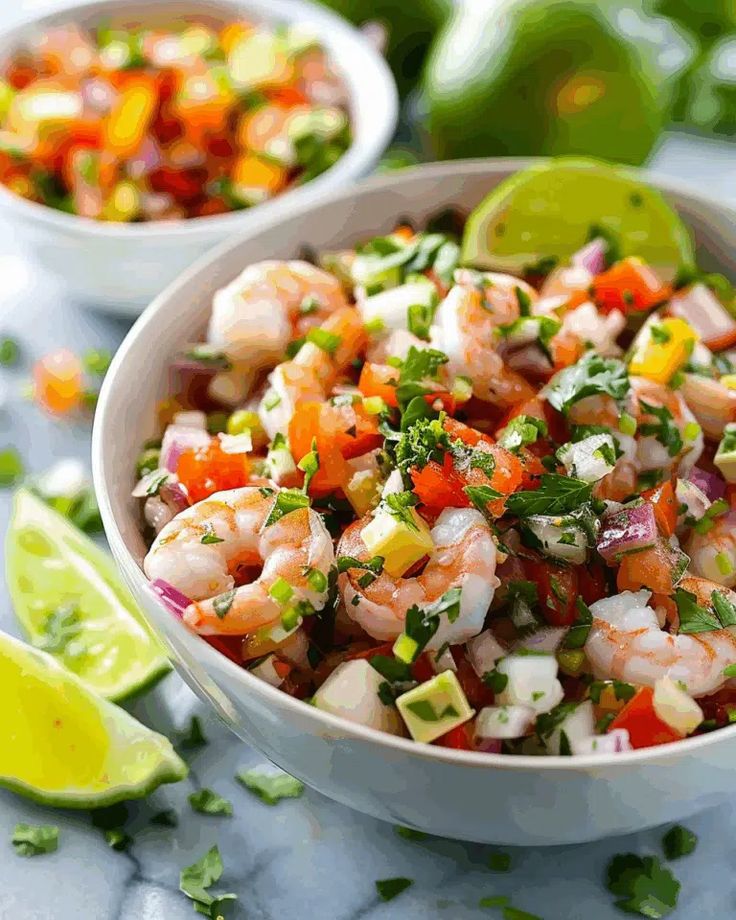

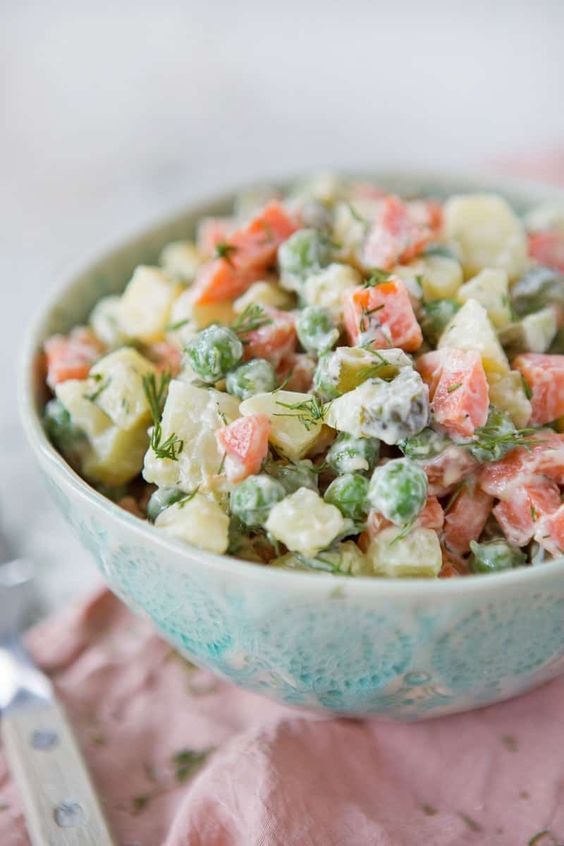
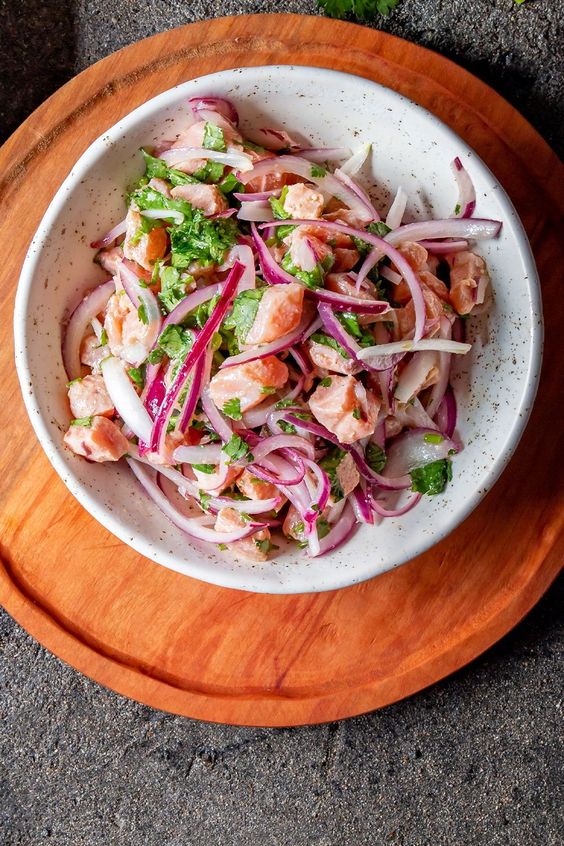
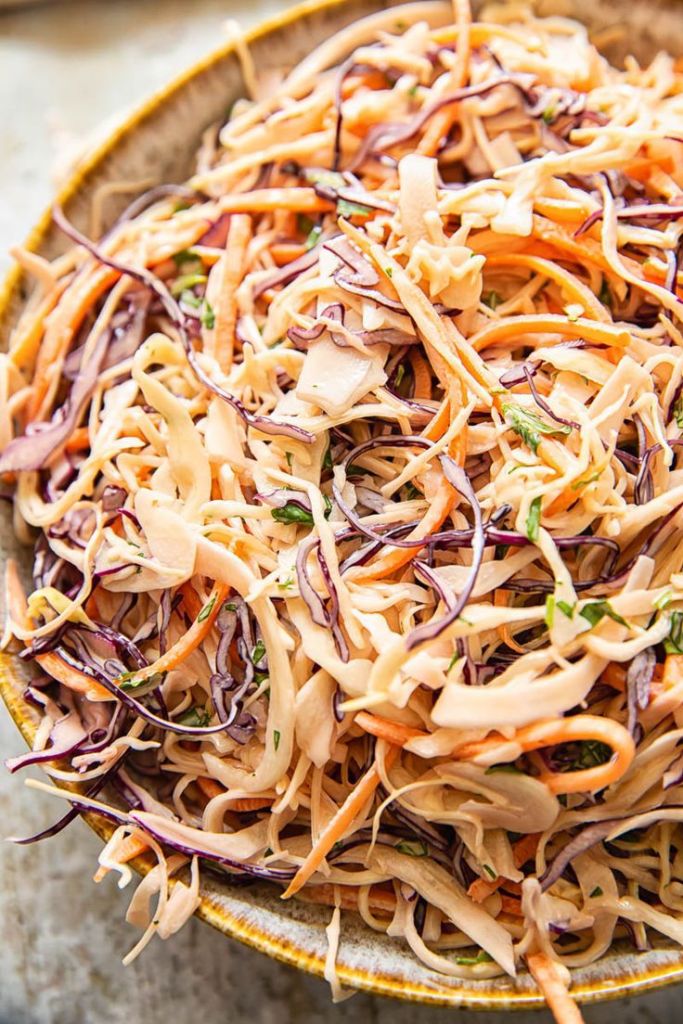
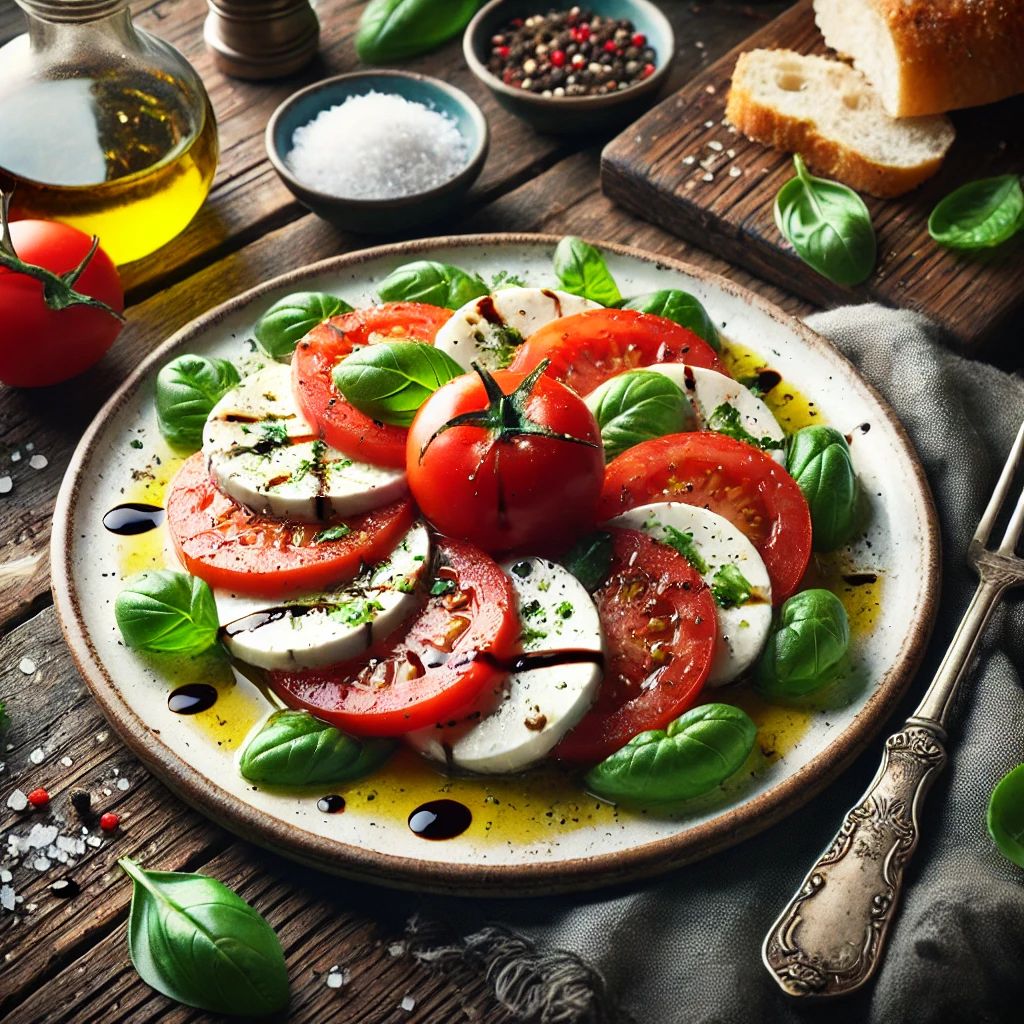

- Festive spreads – pair with mezze platters, chutneys, and breads to turn pilaf into the star of a celebration table.
Drink Pairings for Oriental Rice Pilaf
Crisp white wines – Sauvignon Blanc, Pinot Grigio, or Riesling cut through the richness of the rice and pair well with dried fruit and nuts.
Light red wines – a chilled Pinot Noir or Beaujolais works nicely if the pilaf is served with lamb or beef kebabs.
Sparkling wine – Prosecco or Champagne add a celebratory sparkle and balance savory-sweet flavors.
Mint tea – in many Middle Eastern households, pilaf is followed with fresh mint tea, which refreshes the palate.
Spiced chai – pairs especially well if the pilaf is served alongside Indian curries.
Lassi – a sweet or salted yogurt drink cools the spices and makes the meal more filling.
Mocktails – try pomegranate spritzers or citrusy lemonade for a refreshing, non-alcoholic optio
Frequently asked questions
| Question | Answer |
|---|---|
| Why does my pilaf turn sticky? | Usually because the rice was not rinsed properly or was stirred too much. Always rinse well and avoid lifting the lid while cooking. |
| Can I use brown rice instead? | Yes, but it needs more water and about forty minutes of cooking instead of fifteen. |
| Is pilaf gluten free? | Yes, rice is naturally gluten free. Just check that the broth you use is gluten free as well. |
| Can I make pilaf in advance? | Absolutely. It reheats well, just add a splash of broth and fluff with a fork before serving. |
| How long does it last? | It keeps for up to three days in the fridge in an airtight container. |
| Can I make pilaf in a rice cooker? | Yes, sauté the aromatics in a pan first, then transfer everything to the cooker and proceed as usual. |
| Can I make it without nuts or dried fruit? | Of course. Leave them out or add more vegetables like bell peppers or mushrooms. |
| How do I make it more festive? | Add saffron, pistachios, and dried cranberries, it turns into a centerpiece dish for celebrations. |
| Can I add meat directly? | Yes, but cook it separately first, then combine with the rice before simmering. |
| What makes pilaf different from plain rice? | Pilaf is cooked with aromatics and broth, which makes it flavorful and aromatic compared to plain boiled rice. |
Wrapping It Up
Oriental rice pilaf shows us how rice can be transformed from a side into something memorable. With its balance of spices, sweetness, and texture, it brings both comfort and elegance to the table. Once you learn the method, you can make it your own with endless variations, from weekday meals to festive feasts.
👉 If you were making pilaf tonight, would you keep it simple with carrots and peas, or dress it up with saffron and nuts for something special?