Poori
Poori, a beloved Indian delicacy, is a deep-fried, golden-brown bread. Crafted from unleavened wheat dough, it puffs up beautifully, revealing a soft interior and a crisp exterior.
This iconic dish is often served with flavorful potato masala, creating a delightful pairing of textures and flavors. A symbol of Indian culinary heritage, Poori’s simplicity and versatility make it a cherished choice for breakfast, brunch, or festive feasts.
Table of contents
Origin
The origin of Poori can be traced back to ancient Indian culinary traditions. Poori, also known as “puri,” has been a part of Indian cuisine for centuries and is deeply rooted in the culture and daily life of the region.
While the exact historical origin is not well-documented, Poori is believed to have originated in different parts of India and has been an integral part of various regional cuisines. Its simple preparation and versatile nature made it a staple food that could be easily prepared and enjoyed by people from all walks of life.
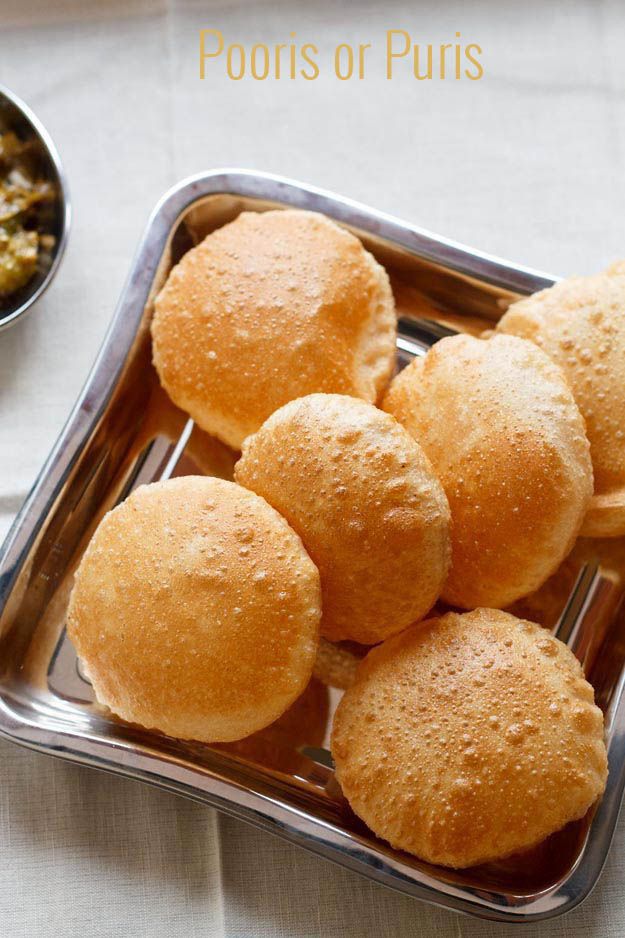
Over time, Poori has become a beloved and iconic dish, enjoyed not only as a regular meal but also during festivals, celebrations, and special occasions. Its enduring popularity and timeless appeal have made it a cherished component of Indian culinary heritage.
Characteristics of Poori
- Puffed Texture: Poori is known for its iconic puffed appearance, achieved during frying, creating a hollow interior.
- Crispy Exterior: The outer layer of Poori is delightfully crispy, adding a satisfying crunch to each bite.
- Soft Interior: Despite its crispy exterior, Poori has a soft and airy interior, creating a contrast in textures.
Ingredients and Substitutes
Whole wheat flour: The main ingredients of the recipe that provides the structure and the taste. It can substituted with multigrain flour or all purpose flour but taste and dietary preferences are changed.
Vegetable oil : Oil is used while kneading to provide the strength to the dough to hold the puff and also helps in stretching. It can be replaced by ghee or butter which adds more flavor and crispness in the exterior.
Milk : Milk is completely optional in the recipe but I do recommend adding milk if you are not lactose intolerant cause milk provides or enhances the overall taste and adds that milk touch of softness while eating.
Rava or Semolina : People tend to add semolina as it holds the structure of poori for long time without letting the puff going down but its not a classic way of adding it and it has also changes the texture little bit. If you are comfortable in adding add 50 g semolina to 500 g wheat flour.
If you have more doubts or questions check out the guide made for Poori which will give you deep insights on variations, tips, other similar recipes and so on.
Equipments

Iron Kadai is most recommended by us cause it provides even heating through out the cooking and it has unique flavor enhancement than in other steel or non stick kadai.
Recipe for poori

Poori recipe | Fluffy and soft poori
Equipment
Ingredients
- 500 g Whole Wheat flour
- 5 g Salt
- 50 ml Milk Optional
- 25 ml Refined oil ghee too can be used
- 175 ml Water If using no milk slightly increase water to 250 ml
- 75 g Semolina or Rava optional
Instructions
- In a bowl, add whole wheat flour, salt and mix well. Add milk and start combining the dough.500 g Whole Wheat flour, 5 g Salt, 50 ml Milk
- Add water gradually and combine the flour fully. Once all the flour is combined together add refined oil and start kneading it well.175 ml Water, 25 ml Refined oil
- Knead the dough for 10 minutes. Make sure the dough is tight and not loose so the poori is more crispy on outside and also it does not absorb more oil.
- Rest the dough for 20 minutes. Meantime Keep vegetable oil for frying the poori.
- Now again mix the dough little and separate into small balls.
- Using roller or chapathi make sheet the balls into medium thick rounds.
- Once the oil is heated, add the sheeted poori and press it lightly with ladle so its puffs up.
- Cook till golden brown and turn other side and cook till golden brown and remove from oil and serve it.
Nutrition
Frequently asked questions
Why does my poori puff up sometimes but stay flat other times?
Ah, the mystery of the puff! Pooris puff up beautifully when the dough is rolled evenly and the oil is at just the right temperature—hot but not smoking. If your oil isn’t hot enough or your dough isn’t rolled uniformly, your poori might not get that magical balloon effect. It’s all about the heat-to-dough partnership!
Can I use whole wheat flour for poori, or is maida (all-purpose flour) better?
Whole wheat flour is actually the traditional choice for poori, giving it that wholesome flavor and slight nuttiness. Maida can make it softer and more indulgent, but whole wheat is the classic champion! Think of it as the slightly healthier cousin at a family reunion.
Why do my pooris soak up so much oil?
Oops, it might be a temperature thing! If the oil isn’t hot enough, your pooris will absorb it like a sponge. Also, over-kneading the dough can make them a little too friendly with the oil. Keep the oil hot and the dough just right, and you’ll have crisp, light pooris instead of oily ones.
Conclusion
Poori is more than just a fried bread; it’s a golden passport to food happiness! Whether you pair it with spicy aloo sabzi, chana masala, or a dollop of sweet halwa, each bite is a celebration of textures and flavors. Mastering the art of poori-making may take a little practice (and a lot of frying), but the crispy, puffed-up results are worth every second. So roll up your sleeves, roll out some dough, and let the poori party begin—because life is too short for flat bread!
Don’t forget to share your poori pics in our forum and follow me on Instagram for more foodie fun!