What is Rosemary?
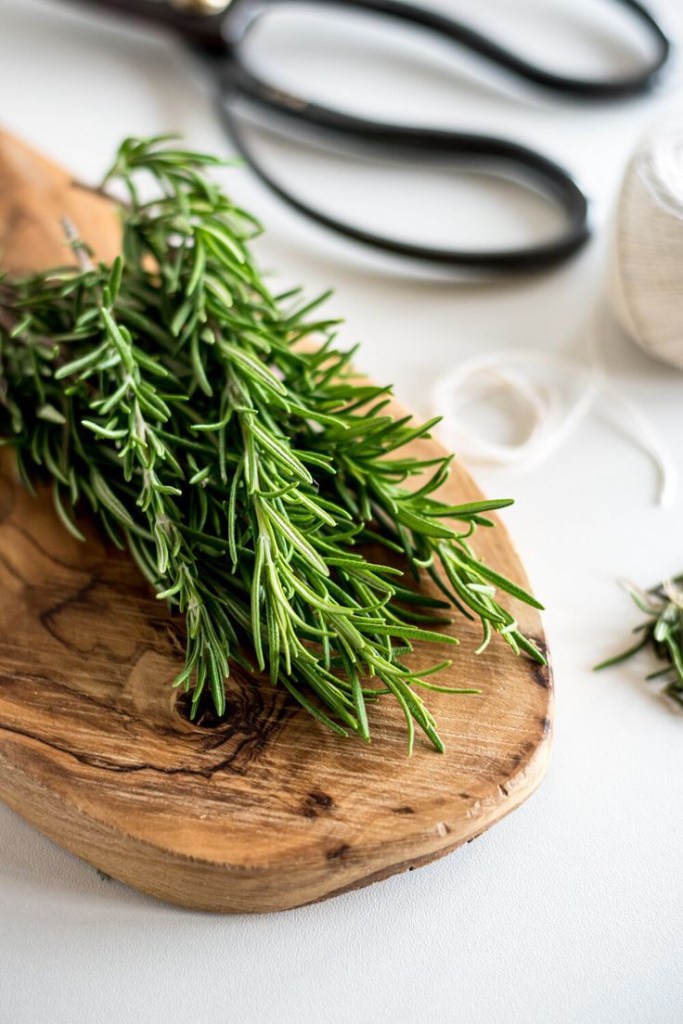
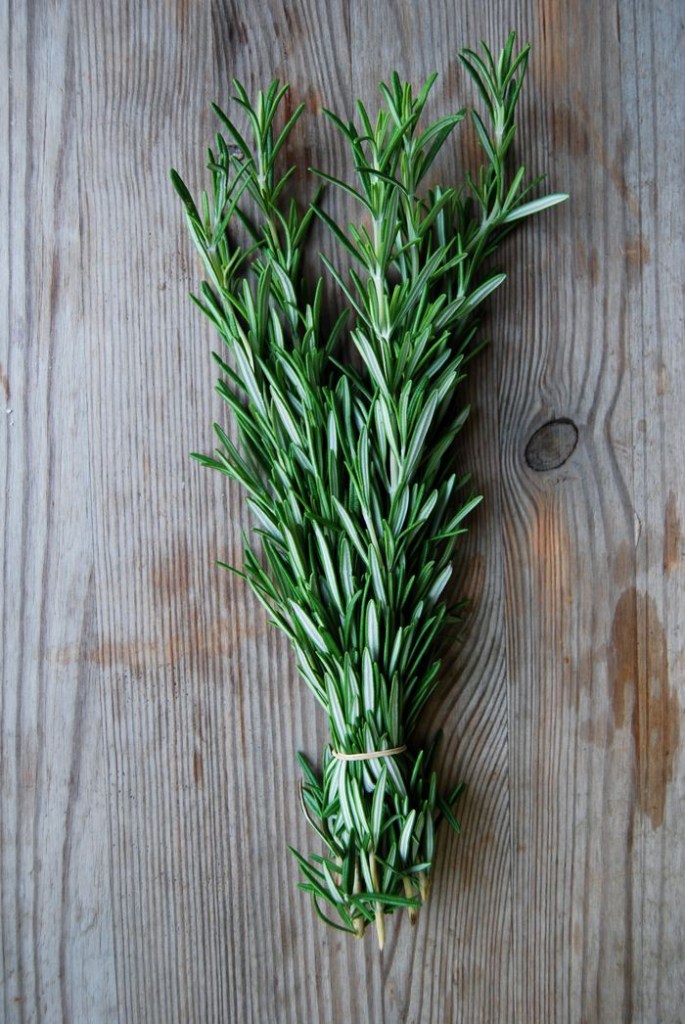
Rosemary is a fragrant and aromatic herb commonly used in cooking, particularly in Mediterranean cuisine. It is a woody herb with needle-like leaves that have a pine-like aroma and a slightly peppery, earthy flavor.
Rosemary is often used to season a variety of dishes, including roasted meats, soups, stews, and roasted vegetables. It can also be used as a garnish and in marinades or infused into oils. Additionally, rosemary has been used for its potential health benefits and has traditional medicinal uses.
The name “rosemary” comes from the Latin ros marinus, meaning “dew of the sea,” a nod to its coastal origins. Historically, it symbolized remembrance and fidelity, often used in weddings and ceremonies.
From the kitchen to the garden, rosemary is a versatile herb that elevates dishes, promotes well-being, and brings a touch of nature indoors!
Sorry, the guide is quite long cause I wanna include all information about rosemary in one guide than clusters cause rosemary is really a verstile ingredient in many recipes, especially european cuisine.
Table of Contents
- What is Rosemary?
- Origin
- Flavor profile
- Health benefits of rosemary
- Culinary usage of Rosemary
- Rosemary pairs well with
- 1. Potatoes + Rosemary = A Match Made in Roasting Heaven
- 2. Rosemary + Lemon: A Zesty Love Affair
- 3. Bread’s Best Bud: Rosemary
- 4. Rosemary + Lamb: A Classic Romance
- 5. Sweet Meets Savory: Rosemary + Honey
- 6. Rosemary + Garlic: The Dynamic Duo
- 7. Cheese, Please! Rosemary + Dairy
- 8. Rosemary + Tomatoes: Mediterranean Bliss
- 9. Sweet Surprises: Rosemary + Fruit
- 10. Rosemary + Chocolate: An Unexpected Delight
- Other Combinations
- Substitutes for Rosemary
- Frequently asked questions
Origin
Rosemary (Rosmarinus officinalis) is a fragrant herb that has a long history and is native to the Mediterranean region, which includes countries like Spain, Italy, Greece, and Turkey. Its name is derived from the Latin words “ros” (dew) and “marinus” (sea), likely due to its ability to thrive in coastal climates and its pale blue flowers that resemble dewdrops.
Rosemary has been cultivated and used for culinary, medicinal, and aromatic purposes for centuries. In ancient times, it was highly regarded by the Greeks and Romans. Both cultures associated rosemary with memory and remembrance and often used it in various rituals and ceremonies.
Throughout history, rosemary has been used in traditional medicine for its potential health benefits. It has also been used as a symbol of love, loyalty, and remembrance, making it a common herb used in weddings, funerals, and other ceremonies.
Today, rosemary is grown in many parts of the world, and it is widely used in cooking and various products such as essential oils and cosmetics due to its appealing fragrance and potential health properties. Its origins in the Mediterranean continue to influence its popularity in Mediterranean cuisine and beyond.
Flavor profile
Rosemary has a distinctive flavor profile characterized by its aromatic, pine-like, and earthy notes. Here’s a breakdown of its flavor profile
- Piney: Rosemary’s flavor is often described as reminiscent of pine needles or resin, giving it a slightly woody and forest-like quality.
- Earthy: It has an earthy undertone that adds depth to its flavor, making it a versatile herb in a variety of dishes.
- Citrusy: In addition to its pine and earthy notes, rosemary can have subtle hints of citrus, particularly lemon or orange, which can brighten its overall flavor.
- Peppery: Some people detect a mild peppery or bitter element in rosemary, especially in its fresh form or when used in larger quantities.
- Resinous: The herb can have a resinous quality, which contributes to its unique aroma and flavor. This resinous aspect is often associated with its pine-like character.
- Aromatic: Rosemary is highly aromatic, and its fragrance closely mirrors its flavor. This aromatic quality is one of the reasons it’s a popular choice for seasoning dishes.
The intensity of rosemary’s flavor can vary depending on whether you use fresh or dried rosemary. Fresh rosemary tends to have a more pronounced flavor, so you may need less of it compared to dried rosemary when following a recipe. When using rosemary in cooking, it’s essential to be mindful of its strong flavor, as a little goes a long way.


Health benefits of rosemary
Rosemary has been associated with several potential health benefits, although it’s essential to note that more research is needed to confirm some of these effects. Some of the reported health benefits of rosemary include:
1. Antioxidant Properties: Rosemary contains compounds like rosmarinic acid and carnosic acid, which are antioxidants that may help protect cells from damage caused by free radicals.
2. Improved Digestion: Rosemary has been used traditionally to aid digestion and alleviate digestive discomfort.
3. Anti-Inflammatory: Some studies suggest that rosemary may have anti-inflammatory properties, which could be beneficial for conditions related to inflammation.
4. Memory and Concentration: There is some evidence to suggest that the aroma of rosemary may enhance memory and concentration, though more research is needed in this area.
5. Hair and Skin Health: Rosemary oil is often used topically and is believed to promote hair growth and improve the condition of the scalp. It’s also used in skincare products for its potential skin benefits.
6. Potential Cancer Protection: Some studies have explored the potential cancer-fighting properties of rosemary due to its antioxidants, but further research is required to establish these effects definitively.
7. Anti-Bacterial and Anti-Fungal: Rosemary oil has demonstrated antibacterial and antifungal properties and may be used for topical applications to address skin issues.
8. Stress Reduction: The aroma of rosemary may have stress-reducing effects and could be used in aromatherapy for relaxation.
9. Blood Circulation: Some studies suggest that rosemary may help improve blood circulation, potentially benefiting heart health.
It’s important to remember that while rosemary is generally considered safe when used in moderation as a culinary herb, excessive consumption or use of concentrated rosemary oil can have adverse effects. If you’re considering using rosemary for its potential health benefits, it’s advisable to consult with a healthcare professional to ensure it’s safe and appropriate for your specific circumstances.
Culinary usage of Rosemary
Certainly! Rosemary is a versatile herb that can enhance the flavor of a wide range of dishes. Here are some culinary uses of rosemary:
Roast Meats: Rosemary pairs exceptionally well with roasted meats like lamb, chicken, and pork. You can simply sprinkle chopped rosemary leaves over the meat before roasting or use whole sprigs as a fragrant garnish.
Potatoes: Rosemary-infused roasted or mashed potatoes are delicious. You can add chopped rosemary to the potatoes before roasting, or simmer rosemary sprigs in butter and drizzle it over mashed potatoes.
Breads and Rolls: Fresh or dried rosemary can be incorporated into bread and roll recipes, adding a lovely aroma and flavor to the baked goods.
Grilled Vegetables: Tossing vegetables like zucchini, bell peppers, or mushrooms with olive oil and rosemary before grilling them can impart a delightful smoky, herbal flavor.
Homemade Marinades: Add rosemary to marinades for meats and vegetables. It imparts a savory, aromatic quality that enhances the overall flavor.
Sauces: You can infuse rosemary into sauces, such as tomato sauce, for pasta dishes or as a topping for grilled meats.
Herb Butter: Mix chopped rosemary into softened butter, then refrigerate it. Use this herb butter to season steaks, seafood, or spread it on bread.
- Herb Rubs: Create herb rubs for meats and poultry by mixing chopped rosemary with other herbs like thyme, sage, and garlic, along with salt and pepper.
Other Uses
Salad Dressings: Incorporate finely minced rosemary into homemade salad dressings for a unique, aromatic twist.
Soups and Stews: Drop a few sprigs of rosemary into soups and stews during cooking to infuse them with flavor. Remember to remove the woody stems before serving.
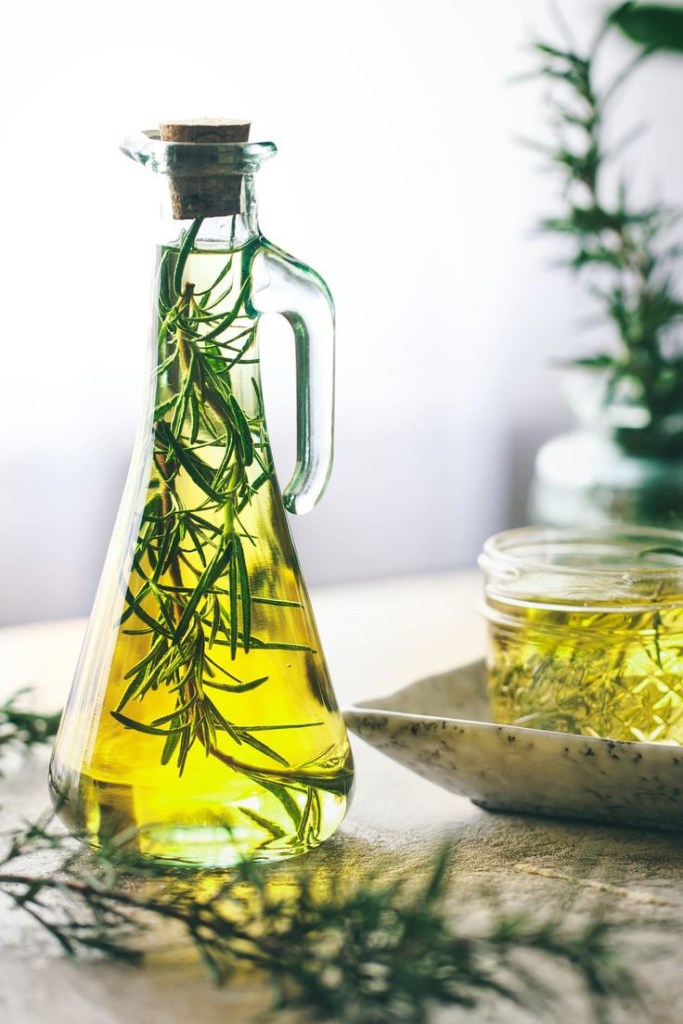
Infused Oils and Vinegars: Make rosemary-infused olive oil or vinegar for drizzling over salads or using as a dip for bread.
Cocktails: Some cocktails benefit from a hint of rosemary. Try muddling a small sprig in gin or vodka-based drinks for a herbal note.
Remember that rosemary can have a strong flavor, so use it sparingly, especially if you’re new to cooking with it. Start with a small amount and taste as you go to achieve the desired level of flavor. Whether used fresh or dried, rosemary can add depth and complexity to a wide variety of dishes.

Rosemary pairs well with
Rosemary pairs well with a variety of ingredients and flavors, enhancing the overall taste of dishes. Here are some foods and ingredients that complement rosemary
Meats: Rosemary pairs exceptionally well with meats such as lamb, beef, chicken, pork, and game meats. It adds a robust, earthy flavor that complements the richness of these proteins.
Potatoes: Whether roasted, mashed, or in potato dishes like gratins, rosemary and potatoes make a classic and delicious combination. The herb’s earthy notes contrast beautifully with the mild sweetness of potatoes.
Olive Oil: Rosemary-infused olive oil is a delightful condiment for drizzling over salads, bread, or grilled vegetables. The herb’s fragrance infuses the oil with a unique flavor.
Thyme: Rosemary and thyme are known as “sister herbs” and often work together harmoniously, especially in herb blends for seasoning meats, stews, and soups.
Garlic: Rosemary and garlic are often used together to season meats, vegetables, and bread. They create a harmonious balance of flavors.
Citrus: The bright, zesty flavors of lemon or orange can complement rosemary’s earthiness. Lemon and rosemary are a common pairing for roasted chicken, fish, or vegetables.
Mushrooms: The savory, umami quality of mushrooms pairs wonderfully with rosemary. You can use this combination in dishes like mushroom risotto or sautéed mushrooms.
Rosemary’s Perfect Matches: Pairings That Make Your Taste Buds Sing!
Rosemary isn’t just a one-dish wonder, it’s the herb equivalent of a social butterfly, mingling beautifully with all kinds of flavors. Let’s explore some of its best culinary partners!
1. Potatoes + Rosemary = A Match Made in Roasting Heaven
Is there anything better than crispy, golden roasted potatoes with a sprinkle of rosemary? Add some garlic and olive oil, and you’ve got a side dish that steals the show every time.
2. Rosemary + Lemon: A Zesty Love Affair
The fresh, citrusy zing of lemon balances rosemary’s bold, earthy notes. Perfect for roasted chicken, fish, or even in a refreshing gin cocktail. Cheers! 🍸
3. Bread’s Best Bud: Rosemary
From focaccia to sourdough, rosemary takes bread to a whole new level. Toss some into the dough or sprinkle it on top before baking for an aromatic crust that’ll have everyone asking for seconds.
4. Rosemary + Lamb: A Classic Romance
Rosemary’s strong, woody flavor pairs beautifully with the richness of lamb. Whether it’s a roast or a hearty stew, this duo is timeless.
5. Sweet Meets Savory: Rosemary + Honey
Surprise! Rosemary isn’t just for savory dishes. Drizzle honey infused with rosemary over cheese, use it in desserts, or stir it into a hot cup of tea for a cozy treat.
6. Rosemary + Garlic: The Dynamic Duo
When these two come together, magic happens. Use them to season roasted veggies, marinades, or rubs for meats. Bonus points if you add some olive oil to the mix!
7. Cheese, Please! Rosemary + Dairy
Creamy brie, tangy goat cheese, or even sharp cheddar—rosemary adds a sophisticated twist to cheese platters, baked cheese dishes, or cheesy dips.
8. Rosemary + Tomatoes: Mediterranean Bliss
In soups, sauces, or fresh salads, rosemary enhances the natural sweetness of tomatoes. Add it to marinara or toss with roasted cherry tomatoes for a simple, flavorful dish.
9. Sweet Surprises: Rosemary + Fruit
Believe it or not, rosemary works wonders with fruits like apples, pears, and even peaches. Add it to fruit tarts, compotes, or grilled fruit for a unique flavor twist.
10. Rosemary + Chocolate: An Unexpected Delight
Feeling adventurous? Try infusing rosemary into dark chocolate desserts like brownies or truffles. The herbal note adds depth and sophistication.
Rosemary is the ultimate flavor chameleon, enhancing dishes from savory to sweet and everything in between. So go ahead, get creative, and let rosemary work its magic in your kitchen! What’s your favorite rosemary pairing? Let’s chat about it!
Other Combinations
Sage: When used in moderation, rosemary and sage can create a delicious blend of herbal flavors. They are frequently used in stuffing for poultry.
Wine: Rosemary can be used in marinades and sauces for dishes that include wine, adding depth and complexity to the flavors.
Honey: Combining honey with rosemary can create a sweet and savory glaze for meats or a unique drizzle for desserts and baked goods.
Cheese: Rosemary can be paired with cheese, especially soft cheeses like goat cheese or cream cheese. It adds an herbal note to cheese-based appetizers and spreads.
Seafood: While rosemary is more commonly associated with meats, it can also complement the flavors of certain seafood, such as salmon or shrimp, when used in moderation.
Remember that the key to successful pairings with rosemary is balance. It’s a potent herb, so a little can go a long way. Experimenting with these combinations can lead to delicious culinary creations and unique flavor profiles in your dishes.
Substitutes for Rosemary
Out of rosemary? Don’t worry, your dish won’t miss a beat! Try these:
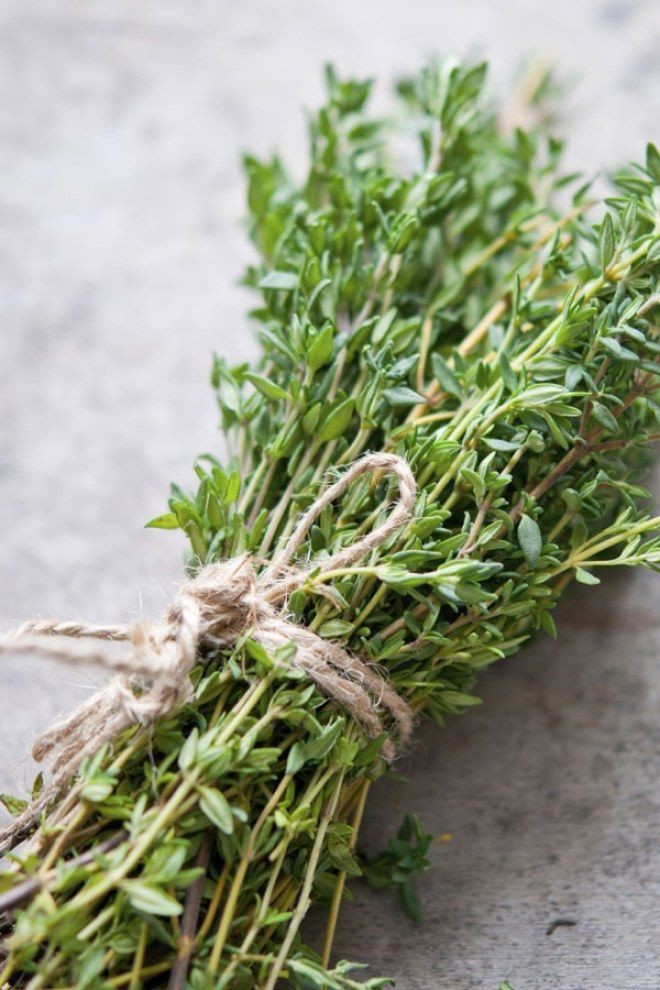
- Thyme: With its mild, earthy flavor, thyme is a great one-to-one substitute. Works beautifully in almost any dish calling for rosemary.
- Sage: For a slightly stronger, peppery vibe, sage is a fantastic stand-in, especially for roasted meats.
- Oregano: Want a Mediterranean twist? Oregano adds warmth and pairs well with tomatoes, chicken, and pasta dishes.
- Marjoram: A gentler, sweeter option, perfect for soups, stews, or anything delicate.
- Dried Italian Seasoning: In a pinch? This seasoning mix often includes rosemary along with thyme, oregano, and basil.
- Lavender: For recipes like breads or desserts, culinary lavender can mimic rosemary’s floral notes while adding a touch of sweetness.
Frequently asked questions
Can I use dried rosemary instead of fresh?
Yes, dried rosemary works perfectly as a substitute. Since it’s more concentrated, use about 1/3 of the amount the recipe calls for in fresh rosemary.
What are the health benefits of rosemary?
Rosemary is packed with antioxidants, may boost memory, improve digestion, and support hair growth when used as an oil. A true multitasker!
What does rosemary taste like?
Rosemary has a strong, pine-like, earthy flavor with slightly peppery and woody notes. It’s highly aromatic and works best in savory dishes, especially roasted meats and vegetables.
How do you use fresh rosemary in cooking?
Fresh rosemary is usually added whole as sprigs during roasting or slow cooking to infuse flavor. It can also be finely chopped and added to marinades, bread dough, or roasted potatoes.
What foods pair best with rosemary?
Rosemary pairs beautifully with lamb, chicken, roasted potatoes, garlic, olive oil, bread, mushrooms, and root vegetables. It also complements lemon and butter-based dishes.
Why does rosemary taste bitter sometimes?
Rosemary can taste bitter if used in excess or cooked at very high heat. Using too much dried rosemary or not chopping fresh rosemary finely can also cause overpowering flavor.
How do you store fresh rosemary?
Store fresh rosemary wrapped in a slightly damp paper towel inside a sealed bag in the refrigerator. It can also be frozen for longer storage.