The Ultimate Guide to Cheese: Types, Variations, Storage, Pairings & More!
Cheese isn’t just food. It’s a lifestyle, a story, a science, and a glorious bite of indulgence. From creamy Brie to punchy Blue, cheese makes everything better. And guess what? We’re diving into everything cheese in this one-stop cheesy post — explained in the most deliciously fun way possible.
Let’s get melty. 🔥
Table of contents
- What is Cheese?
- How is Cheese Made? (Step-by-Step)
- How to Check Cheese Quality
- Types & Varieties of Cheese (With Global Examples!)
- Cheese Variations: So Many Cheesy Choices!
- Cheese Portion Guide: Avoid the Awkward Shortage
- Cheese Glossary: Talk Cheese Like a Pro
- The Science Behind Cheese (aka Cheese-ology)
- Flavored Cheese: Beyond Basic
- Global Cheese Adventure: Cheese from Around the World
- Homemade Cheese recipes
- Cheese by Mood: What to Eat Based on How You Feel
- Cheese Storage Tips: Keep It Fresh!
- Wine & Cheese Pairings
- Food & Cheese Pairings
- Frequently asked questions
What is Cheese?
Cheese is fermented and coagulated milk — turned from liquid to solid by removing the watery part called whey, and retaining the protein-rich curds. These curds are pressed, salted, and aged (or not!) into the cheese we know and love.
At the heart of it:
- Milk (cow, goat, sheep, or buffalo)
- Good bacteria to start fermentation
- Rennet or acid to help it curdle
- Salt for flavor & preservation
- Time, pressure, and care to shape and age it
🧪 Casein Curds? Huh?
Milk contains a protein called casein, which naturally forms curds when acid (like vinegar) or enzymes (like rennet) are introduced. These curds are what become cheese.
🎯 SEO tip: This makes cheese a fermented dairy product rich in protein, calcium, and fats—and oh, so versatile.
How is Cheese Made? (Step-by-Step)
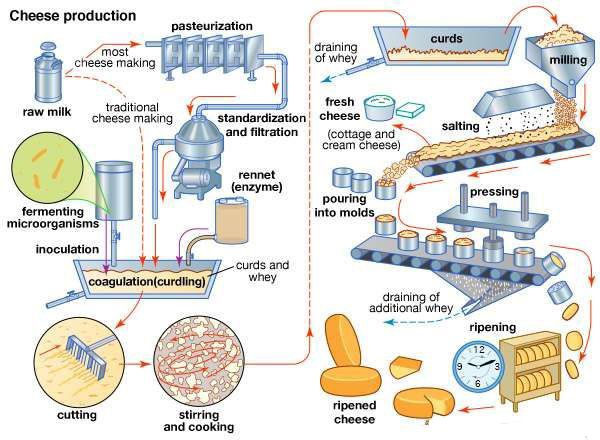
- Milk is warmed to body temperature
- A starter culture is added to introduce beneficial bacteria
- Rennet or acid is added to coagulate the milk
- Curds form and are gently cut to release whey
- Curds are stirred, drained, and salted
- The curds are pressed and shaped into wheels or blocks
- Cheese is bandaged or coated to protect it
- Aging takes place for some cheeses under specific humidity/temperature conditions
🧀 Quickie tip: The longer it’s aged, the sharper the flavor!
How to Check Cheese Quality
Not sure if that leftover cheese in your fridge is still good?
- ✅ Look: Rind should be clean, not moldy (unless it’s meant to be!)
- ✅ Touch: Interior should be moist, not dry or cracked
- ✅ Smell: Should smell fresh, milky, or intentionally strong (not ammonia)
- ❌ Avoid: Cheese with slimy rinds, excessive mold (on non-mold cheeses), or sour smells (unless it’s blue)
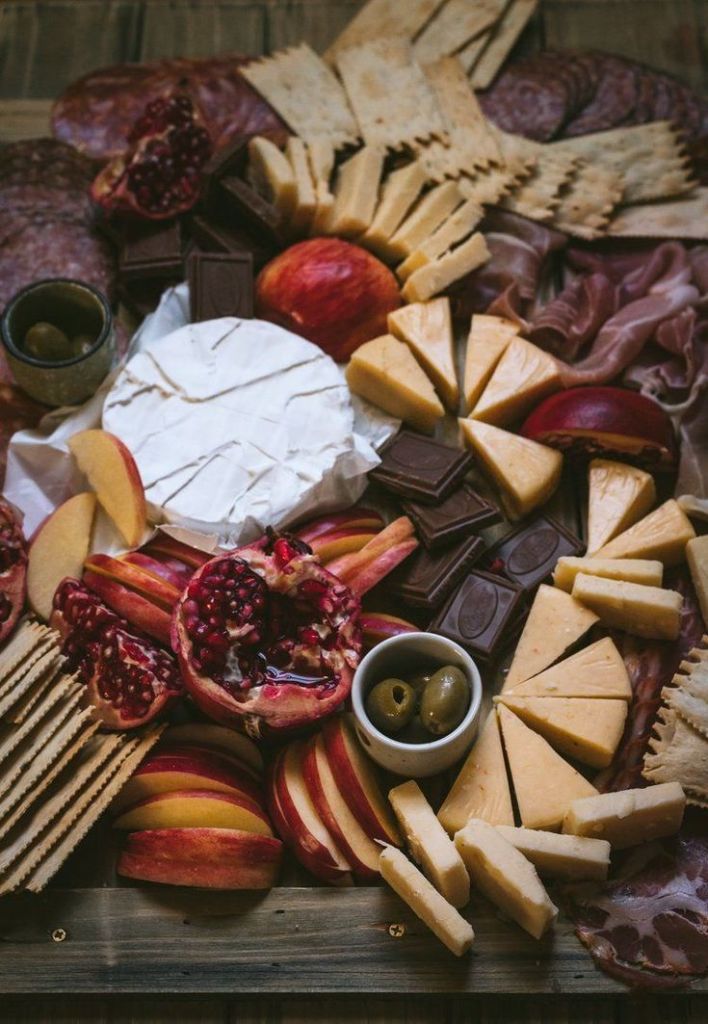
🧀 Rule: When in doubt, sniff it out!
Types & Varieties of Cheese (With Global Examples!)
Let’s break down cheese by type, texture, and flavor:
| Type | Texture | Flavor Profile | Examples |
|---|---|---|---|
| Fresh | Soft, moist | Mild, tangy | Mozzarella, Ricotta, Feta |
| Soft-Ripened | Gooey interior | Earthy, buttery | Brie, Camembert |
| Semi-Soft | Sliceable | Mild, nutty | Havarti, Fontina |
| Hard | Firm, crumbly | Sharp, umami | Cheddar, Manchego, Parmesan |
| Blue | Veined with mold | Salty, pungent | Roquefort, Stilton, Gorgonzola |
| Washed Rind | Funky & sticky | Meaty, bold | Limburger, Taleggio |
| Flavored | Varied | Spicy, herby | Truffle Brie, Jalapeño Jack |
| Vegan | Varies (nut-based) | Tangy, creamy | Cashew cheese, Almond feta |
🌍 Cheese around the world? From Greek Feta to French Camembert, Indian Kalari, and Japanese Sakura Cheese, every country has its cheesy charm!
Cheese Variations: So Many Cheesy Choices!
You don’t have to stick with plain cheddar! Here are flavor-packed variations:
- 🧄 Herbed: Garlic, dill, basil (think Boursin or Havarti Dill)
- 🌶️ Spiced: Jalapeño, chili, pepper jack
- 🧇 Smoked: Gouda, provolone with a barbecue twist
- 🍄 Truffle-infused: Decadent and earthy
- 🍇 Fruit-studded: Cranberry cheddar, blueberry goat cheese
- 🥜 Nut-encrusted: Pistachio-coated logs or walnut cheese balls
🎨 DIY idea: Mix cream cheese + herbs + your fave spice for an instant party dip!
Cheese Portion Guide: Avoid the Awkward Shortage
Wondering how much cheese to buy for your wine night or grazing table?
| Setting | Cheese Amount per Person |
|---|---|
| Appetizer | 1.5 oz |
| Cheese board | 2–3 oz per type |
| Main course | 3–4 oz |
| Kids’ party | 1 oz |
🧀 Pro tip: Always round up. No one ever complains about too much cheese.
Cheese Glossary: Talk Cheese Like a Pro
Ever seen words like “bloomy” or “paste” and wondered, “Say what now?” Here’s your ultimate cheese dictionary to sound like a true fromager (yes, that’s a thing 🧀✨).
- Rennet: An enzyme from calf stomach (or now also microbial/vegetarian sources) used to curdle milk. It helps separate curds from whey—cheese magic begins here.
- Affineur: The cheese aging specialist who controls humidity, temperature, and time to bring out the cheese’s best flavor and texture.
- Paste: No, not glue. In cheese lingo, the paste is the interior texture and body of the cheese—like the soft gooey inside of Brie or the crumbly heart of Feta.
- Bloomy Rind: A soft white mold rind (think: Brie, Camembert) that grows naturally and adds a soft mushroomy flavor.
- Washed Rind: Cheeses washed in brine or alcohol to grow friendly bacteria on the rind. These are orangey, pungent, and have a bold personality (hello Limburger).
- Cheddaring: A unique process where curds are cut, stacked, and flipped to give cheddar its signature dense, crumbly bite.
The Science Behind Cheese (aka Cheese-ology)
Cheese isn’t just delicious—it’s literally living science.
🧫 Microbiology in Action:
- Good bacteria (like Lactobacillus) are added to milk to kick-start fermentation and add flavor.
- Molds (like Penicillium roqueforti or P. camemberti) are used for ripening or veining.
- Enzymes break down proteins and fats during aging, creating those deep nutty flavors and creamy textures.
🧪 Aging Cheese:
Time = taste. As cheese ages:
- Proteins break down into amino acids → Umami flavor
- Fats break down into fatty acids → Nutty, bold flavors
- Moisture escapes → Firmer texture
📘 Science takeaway: Cheese is basically edible alchemy.
Flavored Cheese: Beyond Basic
Cheese doesn’t have to be plain Jane! Many cheeses come infused or blended with extra ingredients that create an explosion of flavor. Let’s explore:
🧀 Popular Flavored Cheese Varieties:
- Truffle Brie: Rich, earthy, and indulgent—perfect for gourmet moments.
- Jalapeño Cheddar: Spicy and bold, this one’s perfect for nachos or burgers.
- Garlic & Herb Boursin: Creamy, spreadable, and dinner party ready.
- Cumin Gouda: Savory and warm; pairs beautifully with lager or crackers.
- Smoked Provolone: For when you want that extra BBQ touch.
🍽️ Fun tip: You can even DIY your own herbed cheese spread at home with cream cheese and fresh herbs!

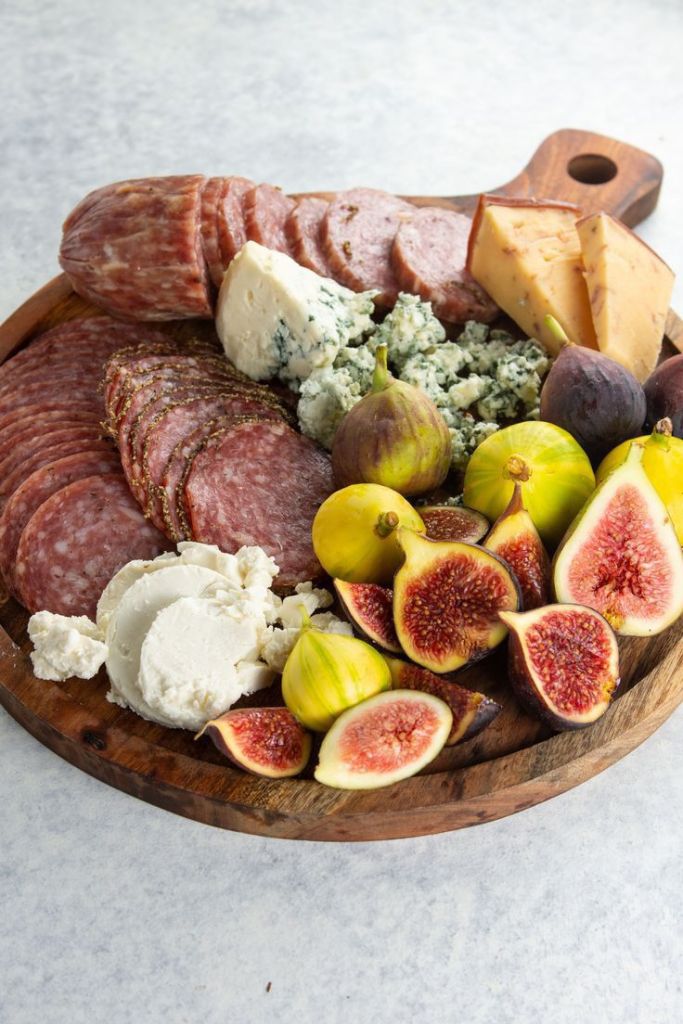
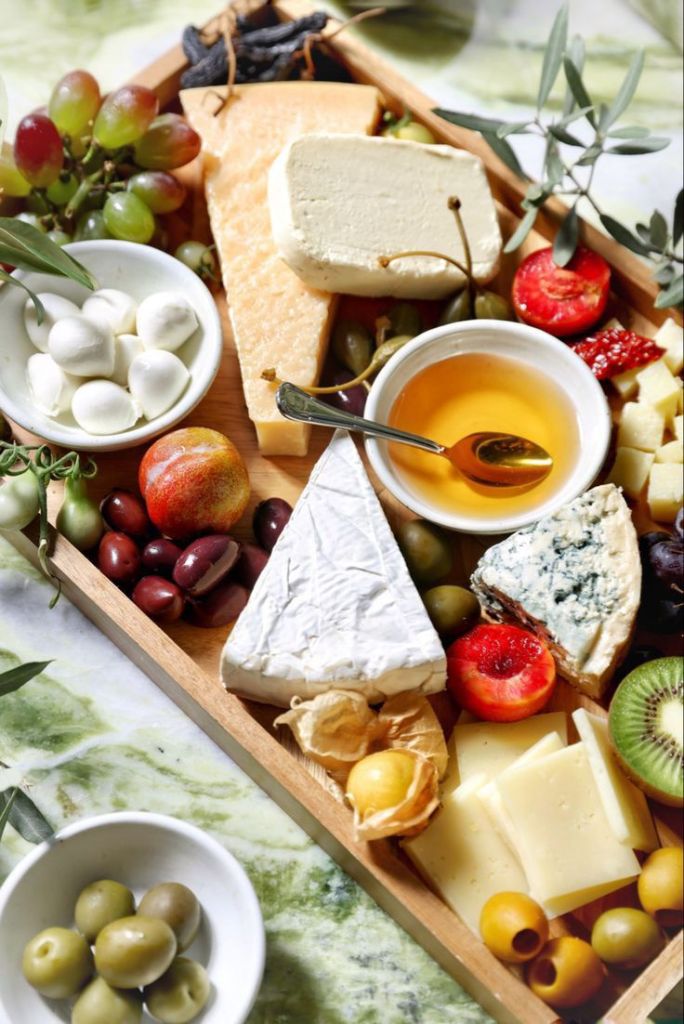
Global Cheese Adventure: Cheese from Around the World
Ready to eat your way around the globe without leaving your kitchen?
🌐 Top Regional Cheeses:
- 🇬🇷 Feta (Greece): Tangy, salty, and brined. Crumble on salads or bake into spanakopita.
- 🇲🇽 Queso Oaxaca (Mexico): Stringy, melty, and perfect for quesadillas.
- 🇮🇳 Kalari (India): From Kashmir, pan-seared to crispy golden—so underrated!
- 🇯🇵 Sakura Cheese (Japan): Delicate, floral cheese wrapped in cherry blossoms.
- 🇳🇱 Edam (Netherlands): Mild, slightly nutty, and covered in red wax.
- 🇨🇭 Emmental (Switzerland): Swiss cheese with those classic holes.
- 🇫🇷 Camembert (France): Soft, creamy, and wrapped in a bloomy rind.
- 🇪🇸 Manchego (Spain): Firm sheep’s milk cheese—nutty, buttery, and often aged.
🗺️ Visual idea: Add a mini map with cheese icons pinned to their country.
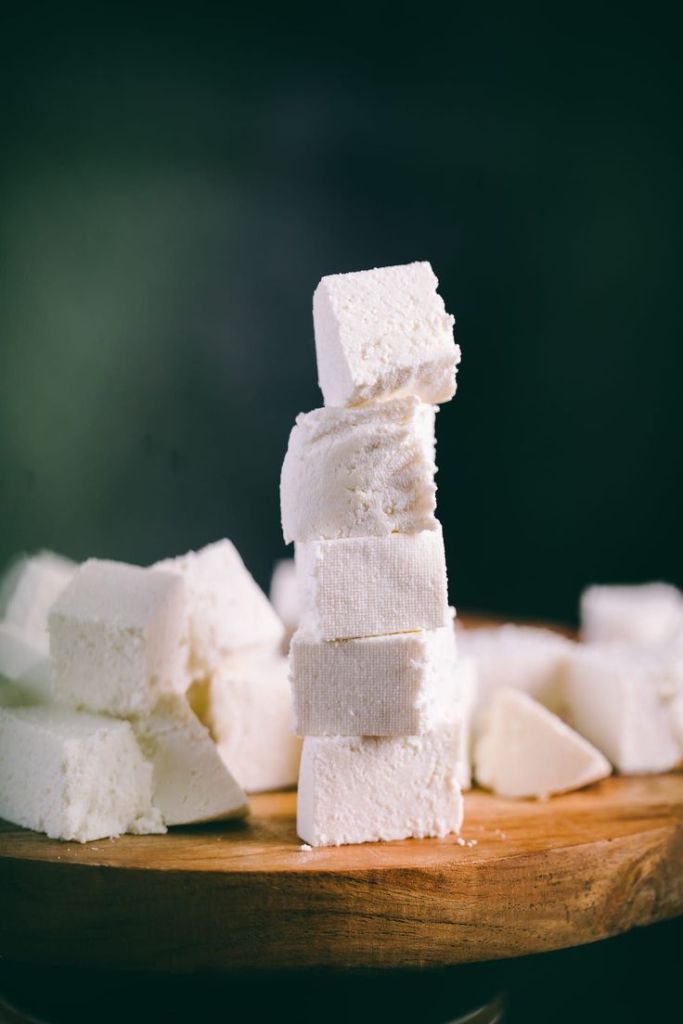
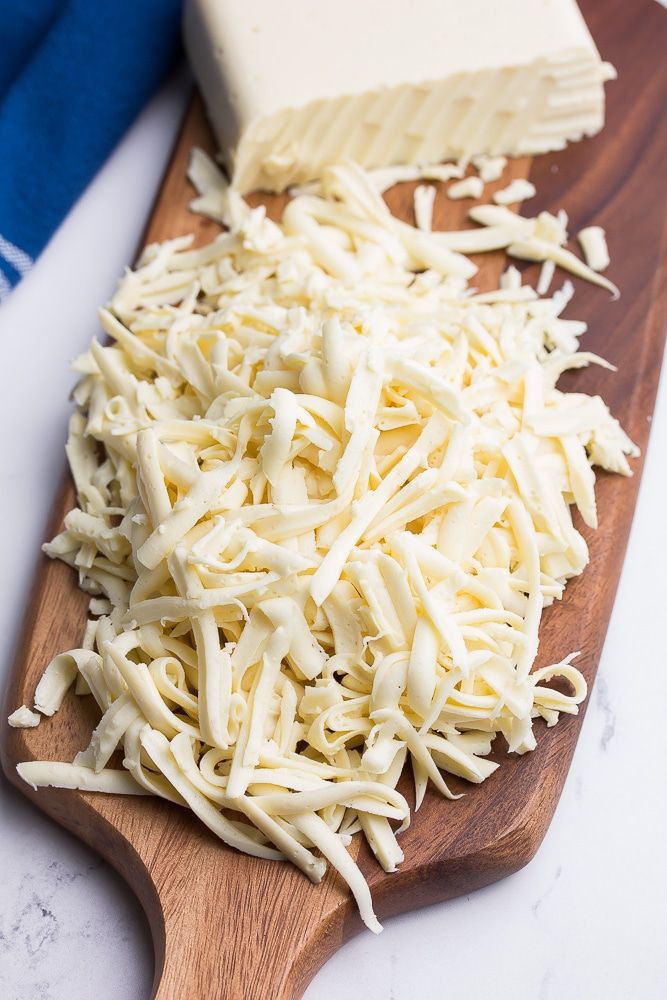
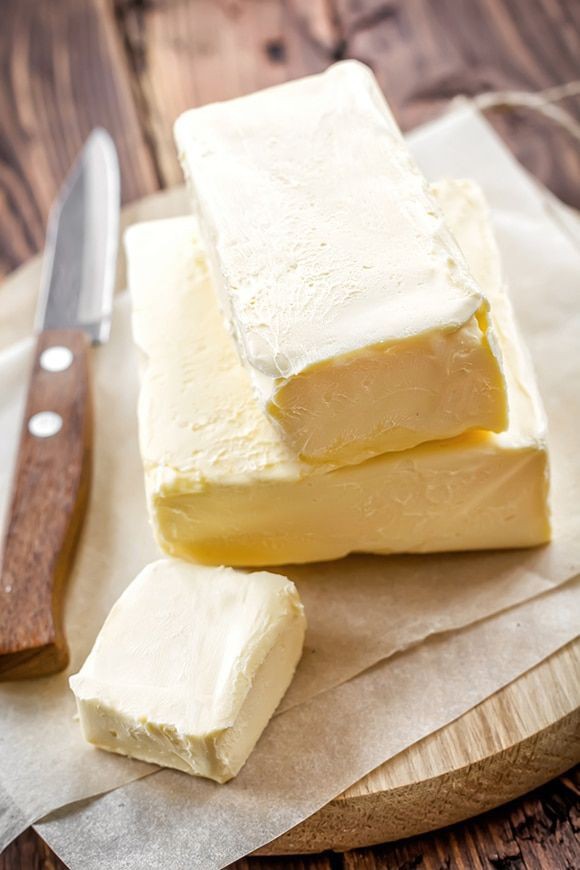
Homemade Cheese recipes


Cheese by Mood: What to Eat Based on How You Feel
Cheese is a mood, honestly. Here’s what to grab when the cravings kick in:
- Feeling Cozy? Melt some Raclette over boiled potatoes. Add pickles = heaven.
- Feeling Fancy? Treat yourself to Triple-Cream Brie on a warm baguette.
- Feeling Bold? Dive into Époisses or Munster—funky, creamy, and smelly in the best way.
- Feeling Healthy? Crumble Goat Cheese on greens or mix with yogurt as dip.
- Feeling Snacky? Cubed Cheddar and apple slices is a no-fail combo.
🎉 Fun twist: Create a personality quiz—What’s Your Cheese Mood?
Cheese Storage Tips: Keep It Fresh!
Cheese is sensitive! Oxygen and temperature can ruin it fast.
- Wrap: Use wax/parchment paper, then loose foil or plastic
- Fridge drawer: Store in the veggie/crisper drawer for ideal humidity
- Separate strong-smellers: Blue & washed rind cheeses should be kept separate
- Freeze? Only hard cheeses! Soft cheeses get crumbly post-freezing
- Use airtight containers for pre-shredded or grated cheese
- Take out 30 minutes before serving – cheese shines at room temp!
🧀 Shelf-life:
- Fresh cheese (Ricotta, Mozzarella): 3–5 days
- Soft cheeses (Brie): 1–2 weeks
- Hard cheeses (Cheddar, Parm): Up to 6 months
Wine & Cheese Pairings
| Cheese | Wine Pairing |
|---|---|
| Brie | Champagne, Chardonnay |
| Gouda | Merlot, Malbec |
| Goat Cheese | Sauvignon Blanc |
| Blue Cheese | Port, Riesling |
| Parmesan | Chianti, Cabernet |
🥂 Want a perfect party board? Mix hard, soft, and blue with both red and white wines!
Food & Cheese Pairings
- 🥖 Brie + baguette + fig jam
- 🥗 Feta + watermelon + mint
- 🍝 Parmesan + pasta + olive oil
- 🍕 Mozzarella + tomato + basil (hello, Caprese!)
- 🥓 Cheddar + bacon + apple slices
💡 Creative combo: blue cheese on a burger with caramelized onions!
Check out the ultimate guide made on wine, food and cheese pairings to make yummier meals.
Frequently asked questions