What’s Cooking Stock? 🍲
Hey foodies! Let’s talk about the backbone of great cooking stock. It’s the liquid gold that takes soups, sauces, and stews to the next level. Think of it as the behind-the-scenes magic that transforms basic dishes into culinary masterpieces. Ready to dive in? Let’s simmer this topic down to its essentials!
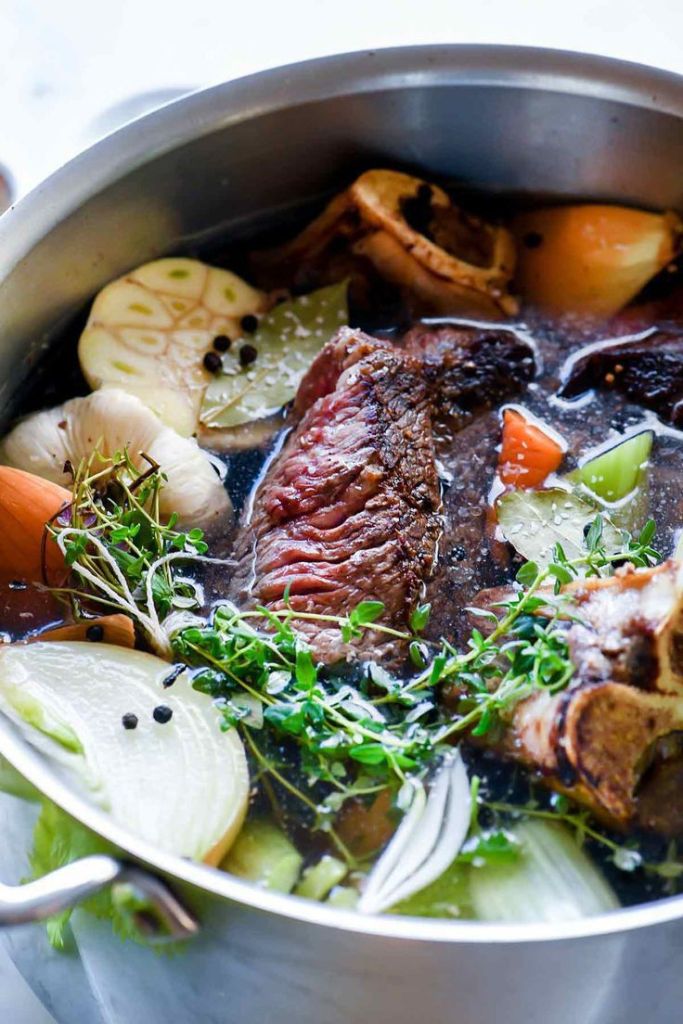
Did you know stock has been around for centuries? In medieval times, cooks used cauldrons to create broths that nourished entire villages.
Table of contents
What is Cooking Stock?
Imagine a pot of water that turns into flavor central! That’s stock for you. By simmering bones, meat, veggies, and herbs, you extract their essence into a rich, flavorful liquid. This liquid becomes the base for countless recipes like soups, sauces, and gravies.
Cooking stock, often referred to as the “foundation” of cooking, is a savory liquid made by simmering meaty bones, vegetables, and aromatics (herbs and spices) in water. This gentle cooking process extracts the flavors, nutrients, and body from the ingredients, resulting in a rich and flavorful liquid used as a base for soups, sauces, stews, and other dishes.

Did You Know? The French call it “fond,” meaning “foundation.” Stock truly is the starting point of many epic dishes!
Types of Stock: A Flavorful Cast of Characters
When it comes to stock, not all are created equal. Each type has its own personality, and here’s why:
- White Stock (Fond Blanc):
This one’s light and classic, made with raw chicken, veal, or beef bones and veggies. It’s ideal for delicate sauces and poached dishes.- Key Tip: Start with cold water for a clearer stock.
- Brown Stock (Fond Brun):
Think rich and hearty! Bones and veggies are roasted before simmering, giving this stock a deep flavor. Perfect for gravies and braised dishes.- Chef’s Note: Don’t let the bones burn—bitterness ruins the taste.
- Vegetable Stock:
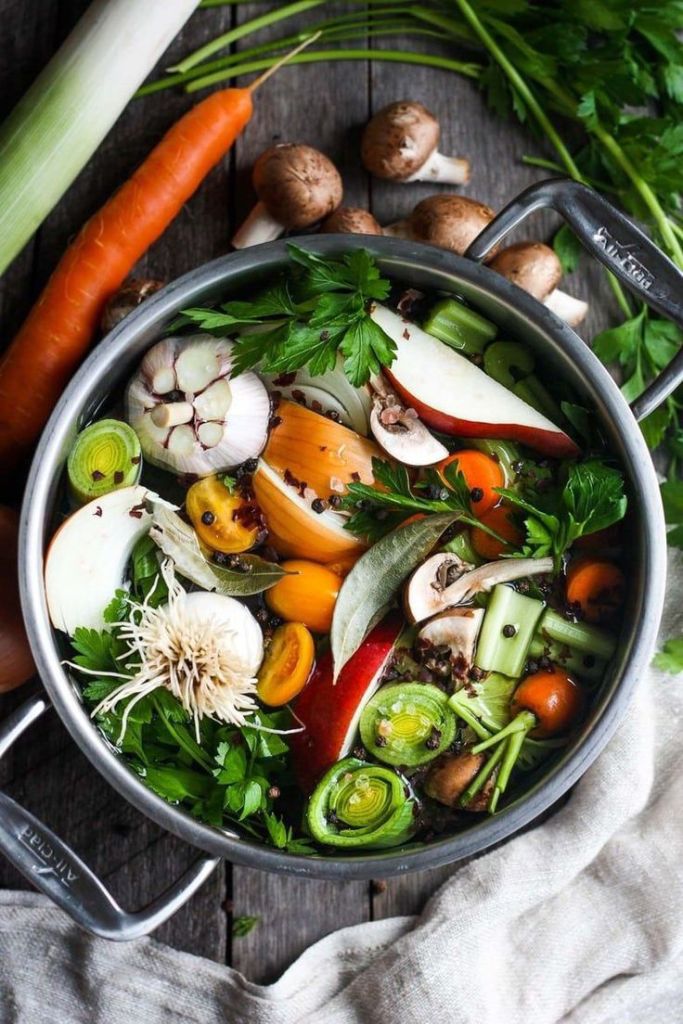
The plant-based hero, packed with sautéed veggies and herbs. It’s versatile and perfect for soups and vegetarian dishes.- Hot Tip: Add mushrooms for an umami boost!
- Fish Stock (Fume de Poisson):
Delicate and briny, made from fish bones. Ideal for seafood sauces, risottos, and bisques.- Pro Advice: Use non-oily fish to avoid a bitter taste.
What Goes Into a Stock? The Building Blocks
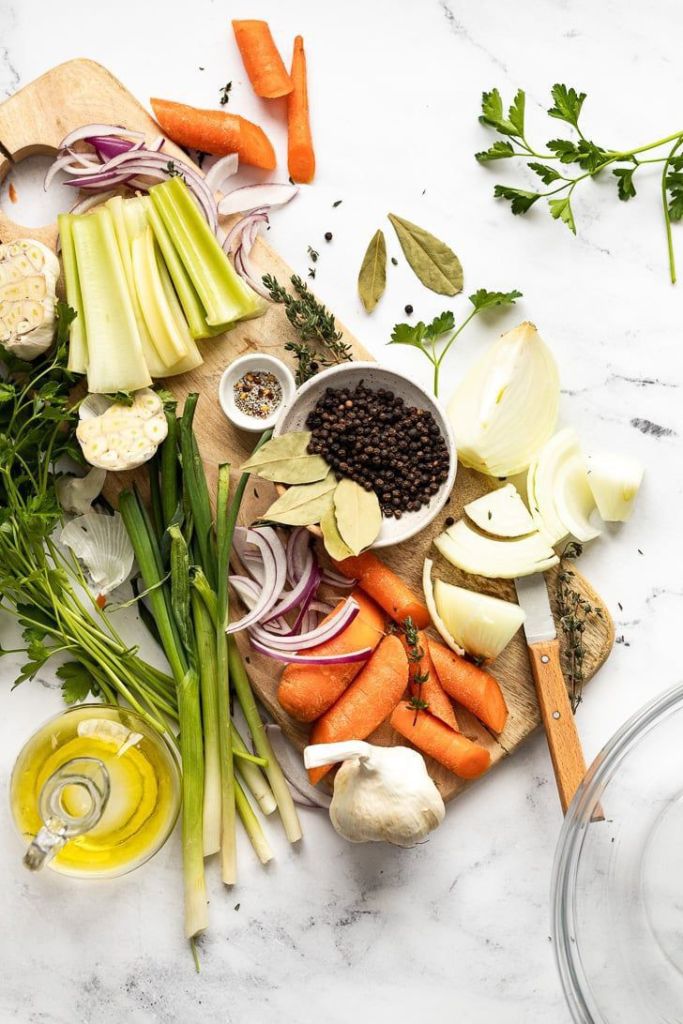
Making stock is like crafting a masterpiece—you need the right ingredients. Here’s what goes into it:
- Bones: The star player! From chicken to veal to fish, bones provide flavor and gelatin (which gives the stock its body).
- Mirepoix (Meer-Pwah): A trio of onions, carrots, and celery adds depth and aroma.
- Acids: A splash of wine or a dollop of tomato paste works wonders for flavor extraction.
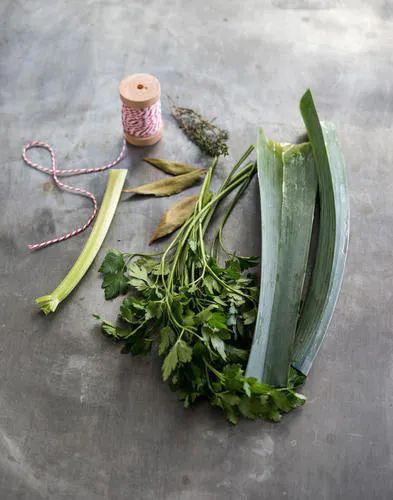
- Herbs & Spices: Keep it simple—parsley, thyme, and bay leaves are your best friends.
How to Make Stock Like a Pro ?
Stock-making isn’t rocket science, but a few rules can make all the difference:
- Always start with cold water to extract maximum flavor.
- Simmer gently—don’t boil. Boiling makes it cloudy.
- Skim the surface regularly to remove impurities.
- Strain it through a fine mesh sieve for clarity.
- Store properly: cool it quickly and refrigerate or freeze.
Pro Tip: Use ice cube trays to freeze small portions of stock for quick use!
Blanching Bones: The Secret to Clear Stock
Blanching removes impurities that can cloud your stock. Simply boil bones briefly, rinse, and you’re good to go!
Stock Variations to Try:
- Asian-Inspired Stock: Add ginger, garlic, and lemongrass.
- Herb-Infused Stock: Toss in fresh rosemary, basil, or dill for a unique twist.
- Spicy Kick: Add chili peppers or smoked paprika for bold flavors.

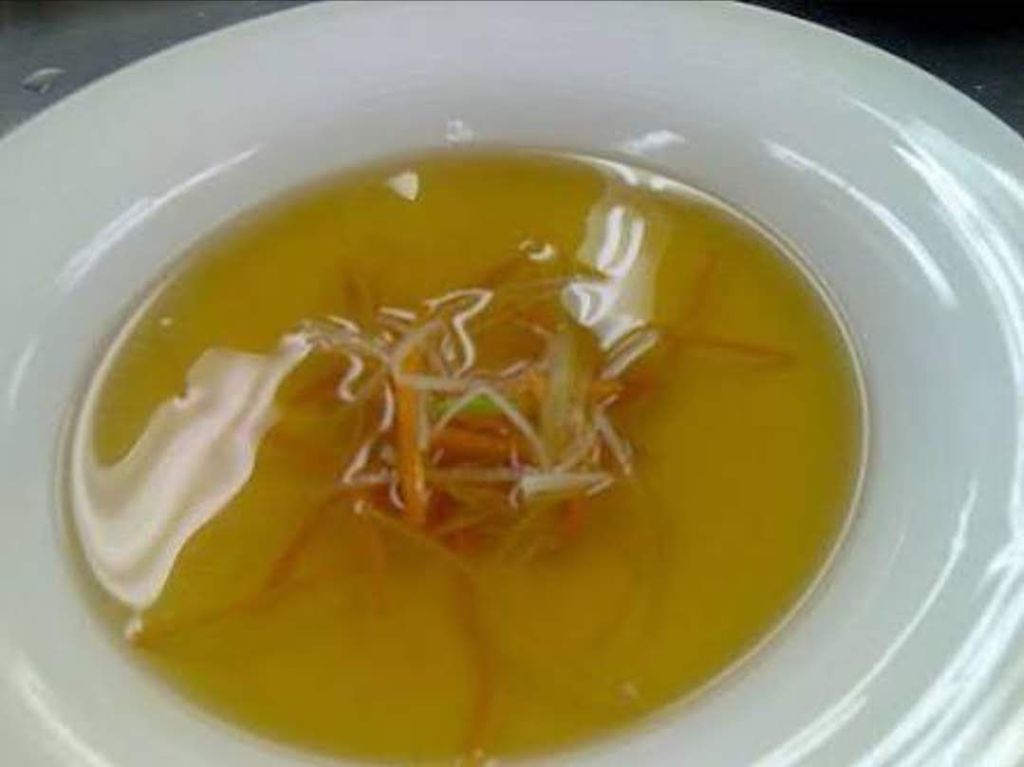
Why is Stock Important in Cooking?
A well-made stock is the key to elevating a dish from ordinary to extraordinary. It provides:
- Flavor: Adds depth and complexity to your dishes.
- Body: Gelatin extracted from bones gives the stock a velvety texture.
- Versatility: Acts as a cooking medium or as the base for sauces, gravies, and soups.
In professional kitchens, stocks are considered essential building blocks for almost every dish. They are an irreplaceable part of the culinary world.

Cooking Pot
Cooking pot is important for even cooking for a longer period of time and good source of space for the ingredients to merge.

Fine strainer
Durable stainless steel with ultra-fine mesh for smooth liquids. Comfortable handle and easy to clean, perfect for straining stocks, sauces, and more.

Cheese cloth
100% natural cotton, reusable, and washable. Ideal for straining, making cheese, or filtering liquids.
What Can You Do with Stock?
You might think stock is just for soups, but it’s so much more:
- Use it to cook grains like rice or quinoa for extra flavor.
- Braise vegetables or meats for a gourmet touch.
- Make quick sauces or gravies when you’re short on time.
Recipes for cooking stock

aromatic vegetables simmered in a water over a long period of time.


Got a cloudy stock ?
Making stocks is at initially did not come out as good and flavorful and clear as my chefs used to make, it always ends up being cloudy and muddy or less flavorful or not just right but later I learned and improvised and cleared out all my mistakes and it makes my dishes taste better and flavorful.
So you got a cloudy stock or something not right feel in your stock, Don’t worry, check out the guide on troubleshooting the cloudy stock and other tips to make a perfect stock in home easily.
Frequently asked questions
How long should I simmer a stock?
White or brown stocks need 4-6 hours, while fish stock takes only 20-30 minutes.
Can I reuse bones for stock?
Mostly no would be my answers but Yes, but the second batch will be less flavorful.
Find more FAQs here.
Got tips or questions? Share them in our Stock Lovers Forum and connect with other foodies.
Common Mistakes to Avoid
Even seasoned cooks can mess up stock. Here are some pitfalls to dodge:
- Adding salt too early—it concentrates as the liquid reduces.
- Overloading the pot—leave room for everything to simmer freely.
- Forgetting to cool stock quickly—it can spoil.
Now that you’re stocked up on knowledge, it’s time to hit the kitchen. Remember, every great dish starts with a solid foundation. Share your stock-making adventures with us and tag #StockGoals on social media. Let’s get cooking! 🥣✨