What Is a Tandoor?
If you’ve ever bitten into a buttery naan with crisp edges or a juicy chicken tikka that somehow tastes like campfire dreams—chances are, it came straight out of a tandoor.
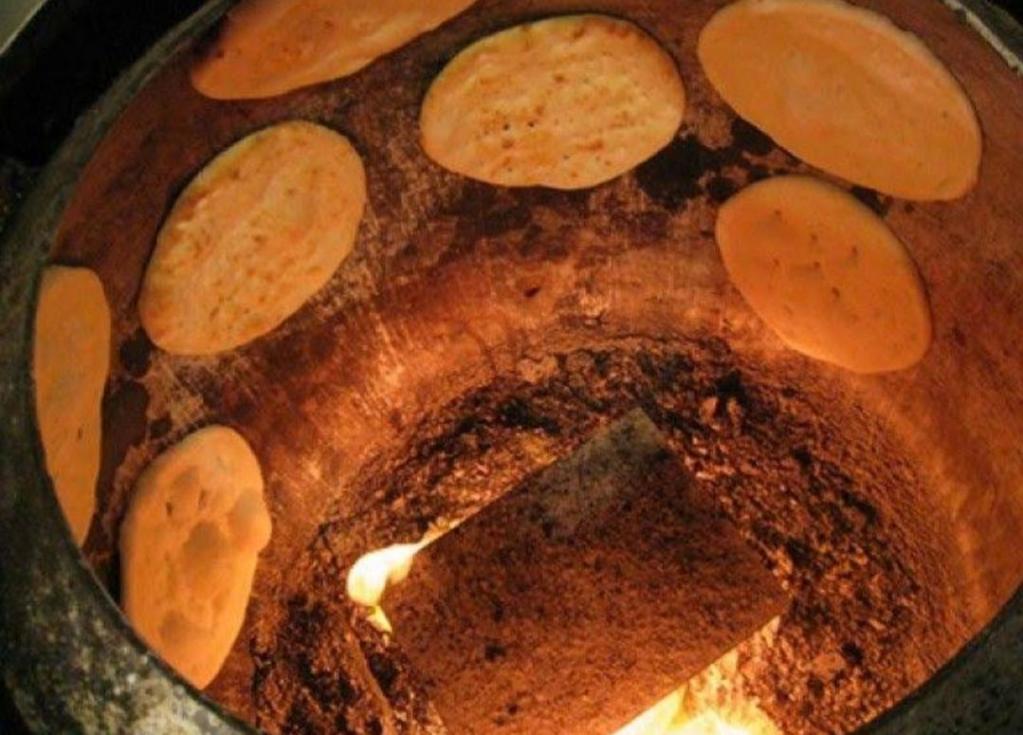
A tandoor is a traditional cylindrical clay oven, widely used across Indian, Pakistani, and Middle Eastern cuisines. It gets blazing hot (up to 450–480°C!) and cooks food with a combo of live fire, radiant heat, and smoky magic. Think pizza oven meets volcano. It uses charcoal, wood, gas, or even electricity these days. The heat is so intense, it sears food in minutes while infusing that delicious smoky flavor—no deep fryer needed.
Table of contents
- A Little Backstory about tandoor
- The Modern Tandoor Breakdown
- Let’s Talk Tandoor Magic
- What Is a Charcoal Cycle (And Why Should You Care?)
- What is Bhatti Masala? (Your Tandoor’s First Skin-Care Routine 😄)
- How to Prep a Brand-New Tandoor (Day-by-Day Curing Guide)
- Top Tandoor Alternatives for Home Cooking
- FAQs (Because Everyone Asks)
- Is It Worth Getting a Tandoor at Home?
- Final Words: Why Every Foodie Should Try a Tandoor (At Least Once!)
A Little Backstory about tandoor
Originating in ancient Persia and the Indus Valley, the tandoor made its way into Indian kitchens and eventually became the beating heart of Punjabi cuisine. Its popularity skyrocketed during the Mughal era, transforming street-side meals into regal feasts.
📖 Dive deeper: The History of the Tandoor – Scroll.in
The Modern Tandoor Breakdown
While the old-school tandoor is still unbeatable in flavor, today’s kitchens have many modern versions.
1. Charcoal Tandoor (The OG)
- Classic clay oven fueled by coal
- High on flavor, low on control
- Perfect for smoky naan, kebabs, and drama-filled cooking
2. Gas Tandoor
- Easier to manage than charcoal
- Consistent heating, minimal smoke
- Popular in commercial kitchens
3. Electric Tandoor
- Plug it in, heat it up, roast away
- Compact & home-friendly
- Ideal for weekend naan & tikka parties
Let’s Talk Tandoor Magic
Why do we love tandoors so much?
Because they’re not just ovens—they’re flavor chambers. Here’s what makes them irresistible:
- Direct heat seals juices in meat instantly
- That smoky aroma (thanks to charcoal or ghee drips) is unbeatable
- It takes seconds to puff a naan—and the edges get beautifully charred
- You can even make stuffed kulchas, veggies, paneer, fish, or tandoori pineapple 🍍
What Is a Charcoal Cycle (And Why Should You Care?)
When you buy a brand-new clay tandoor, you can’t just light it up and start grilling. It needs to be “trained” through a charcoal cycle—a careful curing process that prevents cracks and builds heat resistance.
Think of it like prepping a cast iron pan… but for fire-breathing naan dragons. 🐉
What is Bhatti Masala? (Your Tandoor’s First Skin-Care Routine 😄)
When you get a new clay tandoor, you can’t just fire it up like a barbecue. You’ve got to “cure” it—a process that involves heating it gradually and applying Bhatti Masala, a desi clay conditioner 🧴 made with spinach, jaggery, banana, egg, turmeric, and mustard oil.
It builds heat resistance, prevents cracking, and extends your tandoor’s lifespan.
Bhatti Masala is a traditional curing paste that coats the inside of a new tandoor. It gives the clay a heat-resistant shield and strengthens it before you go full BBQ beast mode.
🥣 Ingredients:
- Spinach (Palak)
- Jaggery
- Mustard oil
- Banana
- Turmeric
- Salt
- Egg
👉 Blend it all into a thick paste and apply it generously using a cloth to the inside walls. It smells weird, but trust the process.
How to Prep a Brand-New Tandoor (Day-by-Day Curing Guide)
Here’s the full 5-day charcoal cycle to awaken your tandoor like a spice-fueled phoenix 🕊️🔥:
Day 1 – Baby Steps
- Burn 2 kg charcoal only
- Don’t go wild—too much heat early can cause cracks
- No Bhatti Masala yet
Day 2 – Warm Up
- Burn 3 kg charcoal
- Apply a light layer of Bhatti Masala after heating
Day 3 – Time to Sweat
- Burn 6 kg charcoal
- Apply Bhatti Masala again, even if tandoor looks crusty—it needs the coat!
Day 4 – Almost There
- Burn 6–7 kg charcoal
- Crank up the heat
- Apply Bhatti Masala one more time—this is the final prep
Day 5 – The Fire God Awakens
- Burn 7–8 kg charcoal
- Apply one final layer of Bhatti Masala
- Heat to max (up to 480°C)
- Let it cool slightly, then clean gently with cloth
- Sprinkle a salt-water rinse inside for finishing
💬 Want a downloadable printable version of this 5-day curing guide? Let me know in the comments or DM me on Instagram!
If you’re craving tandoori-style dishes but don’t have a tandoor at home (yet 😏), there are several great alternatives to recreate that smoky, charred magic in your own kitchen—with tools you likely already have.
Top Tandoor Alternatives for Home Cooking
1. Oven + Broiler (Grill Mode)
👩🍳 Great for: Paneer tikka, kebabs, naan
- Preheat your oven to 250°C or higher
- Use broil/top grill function for that crisp edge
- Place food on skewers or a wire rack over a tray
- Flip halfway for even charring
🪄 Pro Tip: Brush with ghee or mustard oil for that tandoor-style crust.
2. Cast Iron Grill Pan / Skillet
👨🍳 Great for: Tandoori mushrooms, chicken, or fish
- Use a well-seasoned cast iron pan
- Heat it till it smokes
- Add marinated ingredients
- Cover with a lid to trap heat
🔥 You get that caramelized sear and smokiness from the pan!
3. Barbecue Grill (Charcoal or Gas)
🌿 Perfect for: Outdoor summer feasts
- Use direct heat from charcoal flames for real tandoori flavor
- Place naan or meat skewers directly on the grill
- Add a chunk of soaked wood for extra smokiness
🏕️ Bonus: It’s a party vibe!
4. OTG Oven (Oven Toaster Griller)
💡 Great for: Home bakers & urban kitchens
- Most OTGs come with skewer rotisseries
- Use grill mode for tikka & kebabs
- You can also bake naan on a pizza stone
5. Air Fryer (Yes, really!)
👀 Surprisingly good for: Quick tikkas or reheating kebabs
- Use high heat (180–200°C)
- Spray a little oil for crispiness
- Works well for paneer, chicken, and even mini naans
6. Clay Pot / Handi Over Gas Flame
🌸 Desi & dramatic!
- Use a small earthen pot (unglazed)
- Heat on low flame, cover with foil, and roast
- Adds a mild earthy aroma similar to tandoor
7. Tandoori Hack: Smoked Coal Technique (aka “Dhungar”)
🪵 Perfect when you’re really craving that smoky hit
- Heat a small piece of charcoal till red-hot
- Place it in a small bowl in the middle of your cooked tikka
- Drizzle a drop of ghee on the coal
- Cover the dish for 2–3 minutes
⚡Instant tandoor vibes without the oven!
8. Stovetop Tawa or Inverted Kadai
🫓 Best for: Naan or kulcha
- Stick the rolled naan to the pan
- Flip the pan over the flame to cook the top
- You get those iconic brown spots and puffed texture
While nothing beats the real thing, these tandoor alternatives work wonders for daily home cooking. Whether you’re in a city apartment or cooking on a balcony, there’s always a way to bring a little tandoor drama to your dish!
FAQs (Because Everyone Asks)
1. Do I need Bhatti Masala for electric tandoors?
Nope! That’s just for clay ovens. Electric ones come ready to use.
2. Can I use coal indoors?
Not recommended—charcoal tandoors need ventilation. Stick to gas/electric indoors.
3. What’s the shelf life of a clay tandoor?
With proper care, 3–5 years for commercial use. Home ones can last even longer!
4. Can I use tandoor in the rainy season?
Absolutely. Just make sure it’s stored covered and dry when not in use.
5. My tandoor cracked—can I repair it?
Small cracks can be patched with clay slurry. Big cracks = replacement time.
Is It Worth Getting a Tandoor at Home?
✅ Yes, if you:
- Love smoky grilled flavors
- Want healthier cooking (no deep frying!)
- Enjoy experimenting with Indian cuisine
- Have outdoor space or a well-ventilated kitchen
❌ Maybe not, if you:
- Live in a compact space with no exhaust
- Prefer one-touch cooking (tandoors need care & attention)
But here’s a happy middle ground—electric tandoors. Affordable, safe, and surprisingly efficient. Great for naan, roti, reheating samosas or tikka leftovers, and yes, even tandoori pizza! 🍕
Final Words: Why Every Foodie Should Try a Tandoor (At Least Once!)
Cooking with a tandoor isn’t just about making food—it’s about experience. It’s that first puff of naan. That aroma of sizzling ghee. That smoky kiss on the kebab. It’s primal, fiery, and ridiculously satisfying.
So whether you’re a home chef looking to impress, or just curious about what makes that restaurant tikka so dang good—tandoor is your secret weapon.
📸 Tried it already? Tag your creations with #TandoorTales and get featured on our blog & Pinterest!