There’s a certain magic to desserts that are both delicate and dramatic, and the pavlova is the ultimate showstopper. Named after the famed Russian ballerina Anna Pavlova, this dessert is a homage to her grace and lightness. If you’ve ever been mesmerized by a pavlova’s crisp shell, marshmallow-like center, and cascading layers of whipped cream and fresh fruit, you’re not alone. The good news? You don’t need a patisserie diploma to make one at home. Let’s whip up some sweet magic!
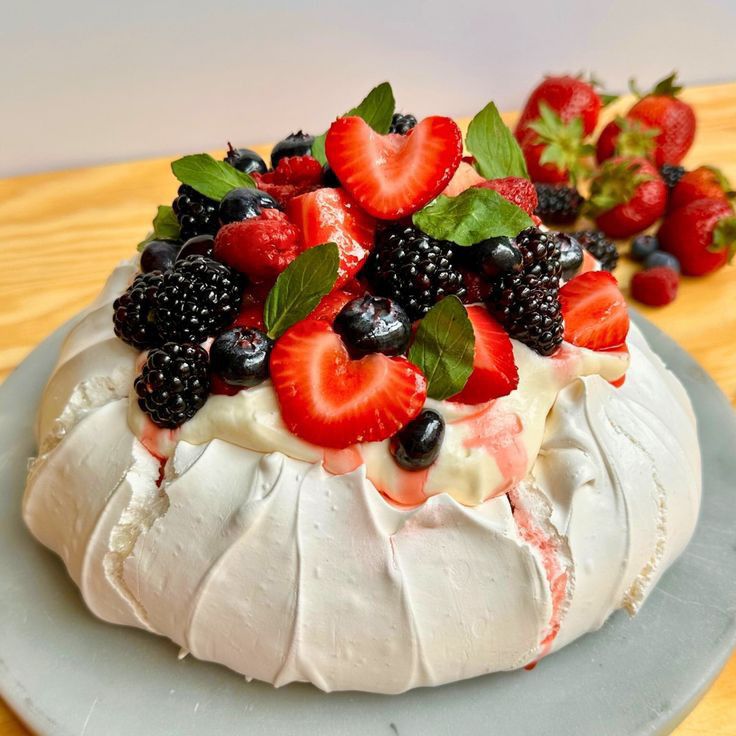
Table of contents
- History of Pavlova
- Why I Love Pavlova
- Pavlova Recipe: Step-by-Step Guide
- Tips for Pavlova Perfection
- What to do if it’s a disaster?
- Creative Pavlova Ingredient Swaps: Because Life Happens!
- FAQs About Pavlova
History of Pavlova
Pavlova’s origin is as delightful as the dessert itself, though it’s been a source of friendly debate between Australia and New Zealand. Both countries claim to have invented it in honor of Anna Pavlova during her world tour in the 1920s. Whether it’s the Aussies or the Kiwis, one thing is certain: the pavlova has become a global favorite for its simplicity and elegance.
Why I Love Pavlova
I first fell in love with pavlova on a family trip to Australia. At a quaint café, a pavlova topped with passion fruit and strawberries caught my eye. One bite and I was hooked – it was like eating a fluffy cloud. I’ve been experimenting with it ever since, and I’m excited to share the foolproof recipe I’ve perfected. Whether it’s a dinner party or just a craving for something special, pavlova never fails to impress.
What Makes Pavlova Special?
Texture: The contrast between the crisp exterior and soft, marshmallowy interior.
Versatility: You can top it with just about any fruit, from tart berries to tropical mangoes.
Drama: It’s visually stunning, a true centerpiece dessert.
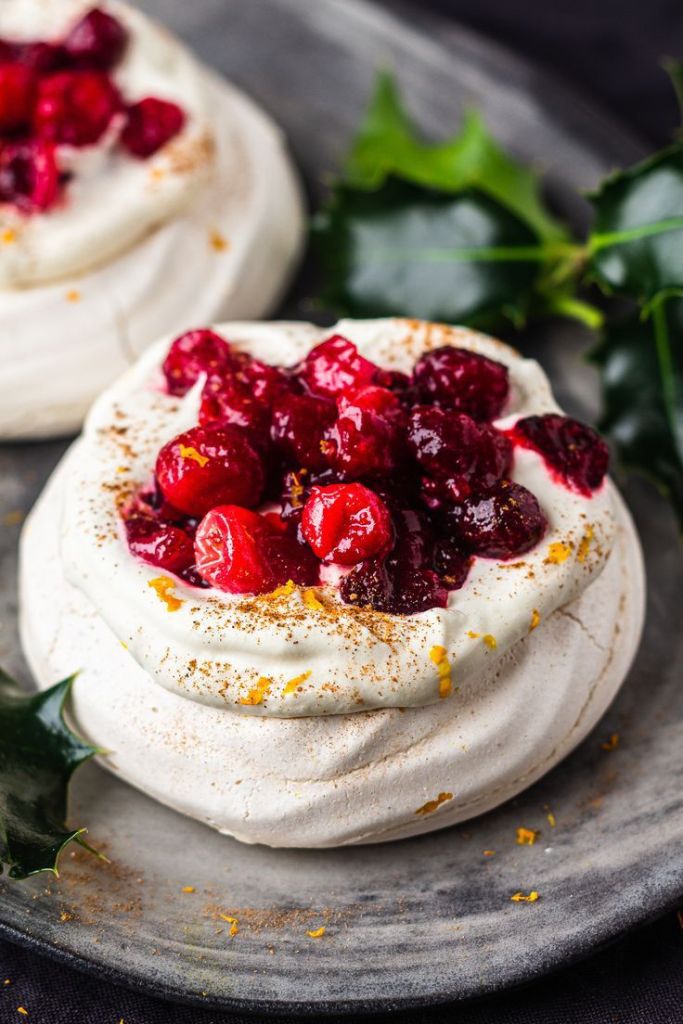
Complete Recipe guide to Pavlova
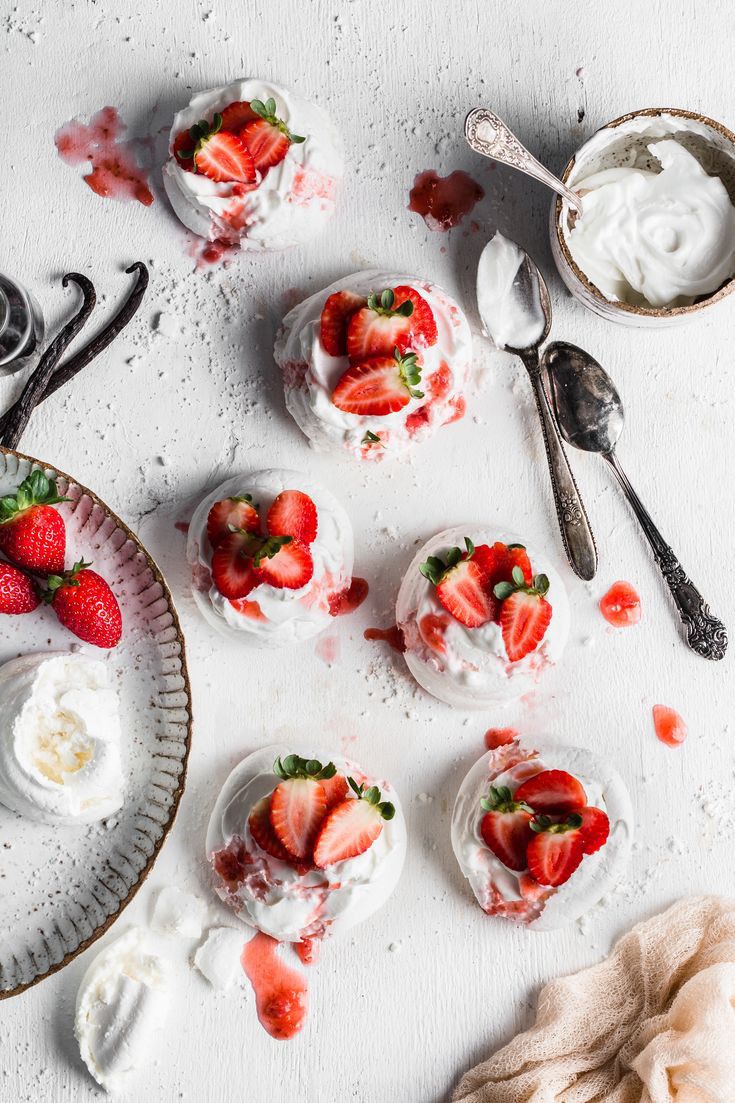
Pavlova
Equipment
- Stand mixer or electric beater
- Silicon sheet or molds
- Baking tray
- Piping bag and nozzle
- Bowls and spatula
Ingredients
- 4 nos Egg whites
- 250 g Sugar
- 1 tsp Cornstarch or corn flour
- 1 tsp Vinegar or Lemon juice
- 1 tsp Vanilla extract
For the topping
- 250 ml Heavy cream
- 50 g Powdered sugar or castor sugar
- 1 tsp Vanilla essence
- Fresh fruits strawberries, kiwi, passion fruit, raspberries, or your favorites
Instructions
Preheat and Prepare
- Preheat your oven to 270°F (150°C). Line a baking sheet with parchment paper. Draw a 7-inch circle on the parchment to guide your meringue shape. Flip it over to avoid ink smudges.
Whip the Egg Whites
- In a clean, dry bowl, beat egg whites with an electric mixer on medium speed until soft peaks form. Gradually add sugar, one tablespoon at a time, beating well after each addition. This slow process ensures the sugar dissolves completely, resulting in a glossy meringue.
Check for Peaks
- Continue beating until stiff peaks form. The meringue should look shiny and smooth. Rub a small amount between your fingers—if it feels gritty, keep beating until the sugar dissolves.
Fold in Stabilizers
- Gently fold in cornstarch, vinegar, and vanilla extract. These ingredients help the meringue maintain its structure and create that dreamy marshmallow center.
Shape the Meringue
- Spoon the meringue onto the prepared parchment, staying within the circle outline. Use a spatula to create a slight dip in the center for your toppings.
Bake Low and Slow
- Bake for 1 hour and if more needed then add 15 minutes, then turn off the oven and let the pavlova cool inside for another hour. This prevents cracking from sudden temperature changes.
Whip the Cream
- While the pavlova cools, beat the heavy cream with powdered sugar and vanilla until soft peaks form. Refrigerate until ready to use.
Assemble the Masterpiece
- Gently transfer the cooled pavlova to a serving plate. Top with whipped cream and arrange your fruits artfully. Drizzle passion fruit pulp or honey for extra flair.
Notes
2. Avoid Humidity: Meringues hate moisture; make pavlova on a dry day.
3. Be Gentle: Handle the baked meringue with care—it’s delicate and prone to cracking.
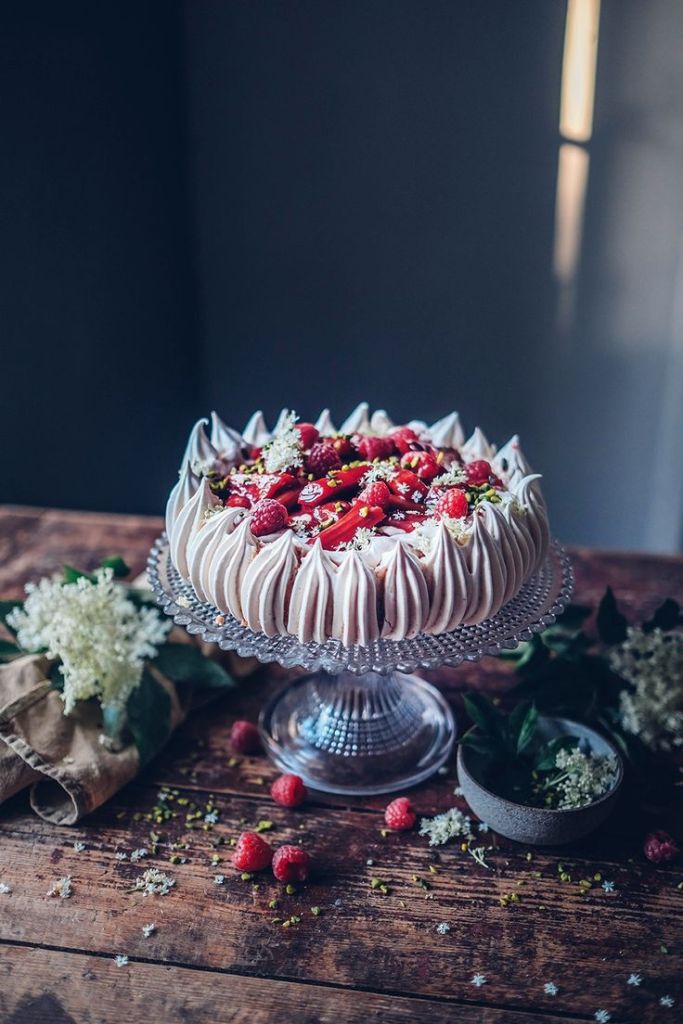
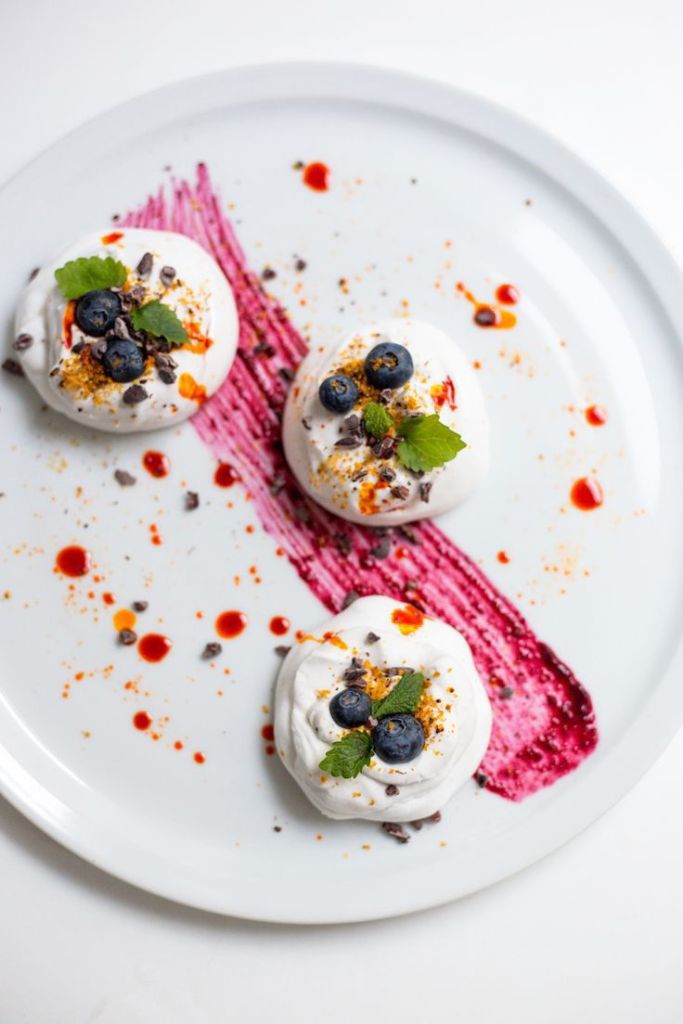
4. Get Creative with Toppings: Try lemon curd, chocolate shavings, or edible flowers for a unique twist.
Tips for Pavlova Perfection
1. Use Room-Temperature Eggs: They whip better and achieve more volume.
2. Avoid Humidity: Meringues hate moisture; make pavlova on a dry day.
3. Be Gentle: Handle the baked meringue with care – it’s delicate and prone to cracking.
4. Get Creative with Toppings: Try lemon curd, chocolate shavings, or edible flowers for a unique twist.
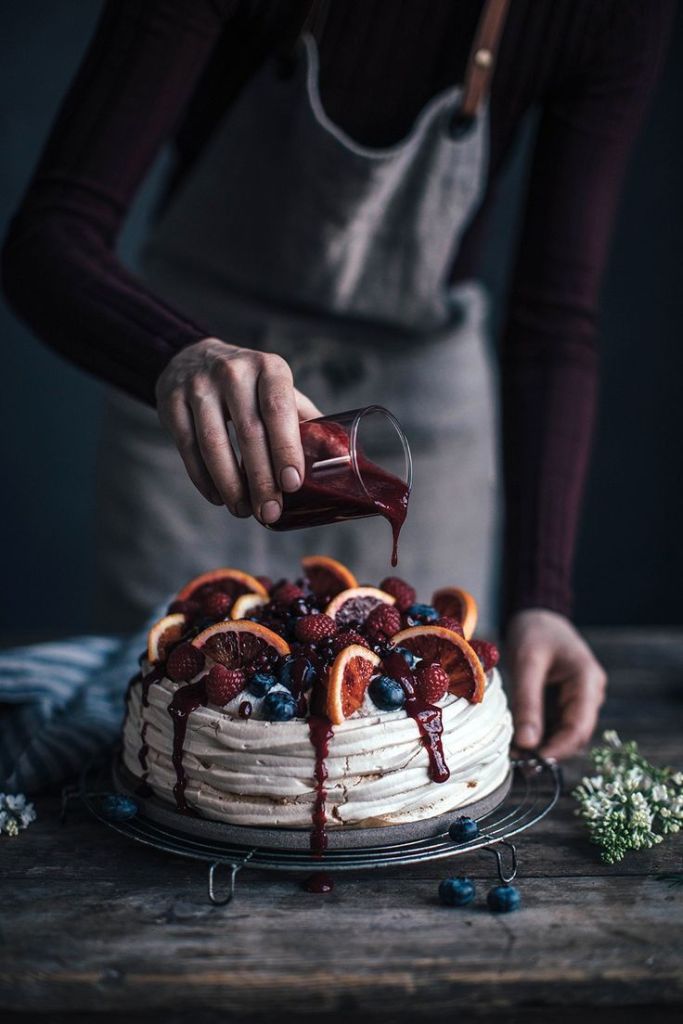
What to do if it’s a disaster?
Rectifications
Cracked pavlova: If the pavlova cracks, it may be due to the oven temperature being too high or the meringue being overbeaten. Lower the oven temperature and avoid overbeating the egg whites.
Sticky pavlova: If the pavlova is sticky instead of crisp, it likely needs additional baking time. Place it back in the oven at a low temperature for further drying.

Pavlova Pro-Tips for Substitution Success
Craving the fluffy goodness of pavlova but missing some key ingredients? Don’t worry, there are plenty of creative substitutes to keep your dessert dreams alive! From aquafaba for egg-free meringues to swapping heavy cream with coconut cream for a dairy-free twist, there’s always a way to whip up something delightful.
Want to know all the juicy details (and maybe impress your friends with your ingredient hacks)? Check out this fun and detailed guide: Substitutes of Pavlova Ingredients. Happy experimenting!
1. Be Flexible: Baking is science, but with pavlova, there’s room for creativity.
2. Test Runs are Fun: Trying new ingredients? Make a mini pavlova to test the texture and flavor.
3. Own Your Twist: Your pavlova doesn’t have to be traditional to be amazing.
FAQs About Pavlova
| Question | Answer |
|---|---|
| How do I store leftover pavlova? | Store it in an airtight container at room temperature for up to 2 days if undecorated. Once topped with cream or fruit, keep it refrigerated and enjoy within 24 hours for best texture. |
| What drinks pair with pavlova besides wine? | Try sparkling water with citrus, herbal teas like chamomile or mint, or even a fruity mocktail with lime and berries. They balance the sweetness beautifully. |
| What fruits are best for pavlova? | Fresh berries, kiwi, passion fruit, mango, and pomegranate are classics. Tart fruits work best to contrast the sweet meringue. |
| Can cheese pair with pavlova? | Surprisingly yes! A dollop of mascarpone or cream cheese blended with whipped cream adds a gentle richness without overpowering the dessert. |
| What wines pair well with pavlova? | Go for something light and sweet like Moscato, Riesling, or Prosecco. Dessert wines with floral or citrus notes are perfect companions. |
| Why isn’t my pavlova crisp? | High humidity is usually the culprit. Always cool your pavlova in the oven with the door slightly open to prevent moisture from softening the shell. |
| Why is my pavlova sticky? | Too much sugar or humid air can cause that. You can place it back in a low oven (about 120°C / 250°F) for 15 minutes to dry it out again. |
| What’s a dairy-free topping for pavlova? | Use whipped coconut cream or aquafaba-based whipped topping. Both are light, fluffy, and pair perfectly with fruit. |
| Can pavlova be made gluten-free? | Absolutely. Traditional pavlova contains no gluten, so just make sure your toppings and flavorings are gluten-free. |
| How can I make pavlova vegan? | Replace egg whites with aquafaba (the liquid from canned chickpeas). Whip it just like egg whites until stiff peaks form and follow the same baking steps. |
| What’s the difference between pavlova and meringue? | Pavlova has a crisp shell and a marshmallow-like center, while regular meringue is dry and crunchy all the way through. |
| Who invented pavlova? | Both Australia and New Zealand claim it, but most sources credit New Zealand around the 1920s as its true origin. |
| What is pavlova? | A light, airy dessert made from whipped egg whites and sugar, baked until crisp outside and soft inside, then topped with cream and fresh fruit. |
Let Your Creativity Shine
The beauty of pavlova lies in its adaptability. Want to go tropical? Top it with pineapple and coconut flakes. Feeling festive? Add pomegranate seeds and a drizzle of caramel. With pavlova, the sky’s the limit.
Next time you’re in the mood to dazzle your taste buds and guests, whip up this heavenly dessert. Trust me, once you’ve mastered pavlova, it’ll become your go-to for any occasion. Let me know how yours turns out – after all, every pavlova tells its own sweet story!
What’s your favourite toppings? Share your thoughts in the comments below !