Pavlova looks simple. Whipped egg whites, sugar, bake slowly, top with cream and fruit. That’s what we all think before we try it.
Then reality happens.
It cracks. It weeps. It turns sticky overnight. Or worse, it looks perfect and collapses when you add fruit.
Pavlova is not hard. It’s sensitive. If you’re new to making pavlova or want the full step-by-step foundation before experimenting with fruit pairings and texture adjustments, make sure to check my complete pavlova recipe guide for exact measurements and baking instructions. Check out the easy pavlova recipe with complete guide.
So instead of talking about substitutes of pavlova , let’s talk about how to truly master it. What fruits work best, how size affects texture, why temperature matters, and how timing changes everything.
If you already know how to make the base, this is the part that turns it from “nice” to unforgettable.
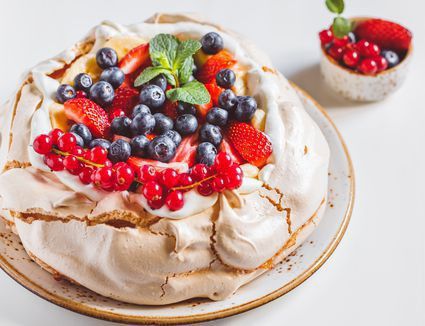

What Makes Pavlova Special?
Pavlova is unique because it’s built on contrast:
Crisp outer shell
Soft marshmallow-like center
Cool whipped cream
Bright fruit
Every decision – fruit choice, size, baking time, temperature – affects that contrast.
When one element is off, the whole balance shifts.
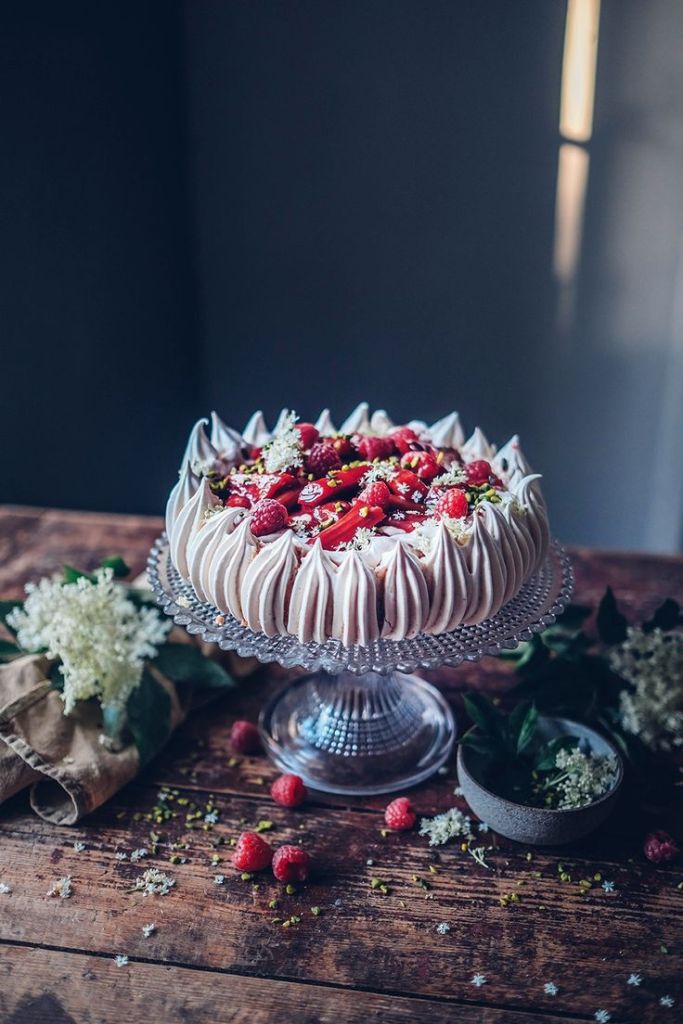
1. Which Fruits Work Best on Pavlova?
Fruit isn’t just decoration. It balances sweetness and texture.
Best Fruits for Pavlova (Based on Flavor and Moisture)
| Fruit | Why It Works | Watch Out For |
|---|---|---|
| Strawberries | Classic sweet-tart balance | Slice just before serving |
| Kiwi | Bright acidity cuts sweetness | Pat dry after slicing |
| Passion fruit | Intense tropical tang | Use pulp sparingly |
| Blueberries | Low moisture, holds shape | Add fresh, not cooked |
| Raspberries | Sharp contrast to sweet meringue | Very delicate |
| Mango | Sweet and soft | Avoid overripe pieces |
| Pomegranate | Crunch and color | Adds texture nicely |
| Peaches | Juicy and aromatic | Drain excess juice |
Fruits That Can Cause Trouble
• Watermelon – too wet
• Canned fruit – syrup causes collapse
• Overripe bananas – mushy texture
• Frozen fruit – releases water
Moisture is pavlova’s biggest enemy.
2. How Fruit Moisture Affects Pavlova Structure
Here’s what most people don’t realize.
Pavlova absorbs moisture quickly. Once topped, the crisp shell starts softening.
To protect structure:
- Add cream first as a barrier
- Add fruit right before serving
- Avoid sugary fruit syrups
- Pat sliced fruit dry
If serving later, assemble just before presentation.
3. Pavlova Size vs Texture: Why It Matters
Size dramatically affects texture.
Small Mini Pavlovas
• Crisp throughout
• Less marshmallow center
• Easier to portion
• Lower cracking risk
Medium Pavlova (8 inches)
• Balanced crisp outside and soft center
• Classic look
• Most reliable size
Large Pavlova (10–12 inches)
• Thicker marshmallow center
• Higher cracking risk
• Needs longer drying time
Thicker pavlovas hold more moisture inside, so drying time increases.
4. Temperature: The Silent Game-Changer
Pavlova is not baked. It is dried.
Ideal range:
110°C to 120°C (230–250°F)
Too hot:
• Brown color
• Hollow shell
• Cracks
Too low:
• Sticky exterior
• Undercooked center
The key is stable heat and slow drying.
Turn off oven and let pavlova cool inside with the door slightly open. Sudden temperature change causes cracking.
5. Timing: Why Cooling Is Just as Important as Baking
Baking time creates structure. Cooling time stabilizes it.
Typical timeline:
Bake 90 minutes
Turn oven off
Leave inside 1–2 hours
If removed too early:
• Center collapses
• Surface cracks more
• Base stays sticky
Patience improves texture dramatically.
6. How Humidity Affects Pavlova
This is a big one.
Humidity softens sugar structure.
On humid days:
• Add 1 teaspoon cornstarch
• Add 1 teaspoon vinegar or lemon juice
• Bake slightly longer
• Store in airtight container
Avoid making pavlova during rainy weather if possible.
7. Flavor Variations Beyond Fruit
Once you master structure, you can experiment.
• Add cocoa powder for chocolate pavlova
• Swirl berry puree into cream
• Add toasted nuts for crunch
• Add citrus zest to whipped cream
• Add dark chocolate shards
Just avoid mixing liquids into the meringue itself.
8. Cream Choices That Change the Experience
Whipped cream is traditional, but options exist.
Classic:
Lightly sweetened heavy cream
Stable version:
Mascarpone + cream
Tangy twist:
Greek yogurt folded into cream
Avoid overly sweet frostings. Pavlova is already sweet.
9. Why Pavlova Cracks (And Why It’s Not a Disaster)
Cracks happen due to:
• Rapid temperature changes
• Overbeating egg whites
• Oven too hot
• Large size
Small cracks are normal and charming. Major collapse usually means under-drying.
10. Storage Tips That Actually Work
• Store unassembled shell in airtight container
• Avoid refrigeration before topping
• Refrigerate only after adding cream
• Consume within 24 hours
Pavlova is best the day it’s made.
Final Thoughts
Pavlova isn’t just a dessert. It’s a balancing act between air, sugar, time, and moisture. When you understand how fruit, size, temperature, and timing interact, you stop fearing cracks and start controlling texture.
Master those elements, and pavlova becomes predictable instead of stressful.
Now I’m curious
Do you prefer your pavlova crisp all the way through, or soft and marshmallowy in the center?