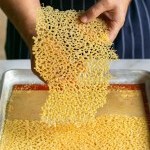
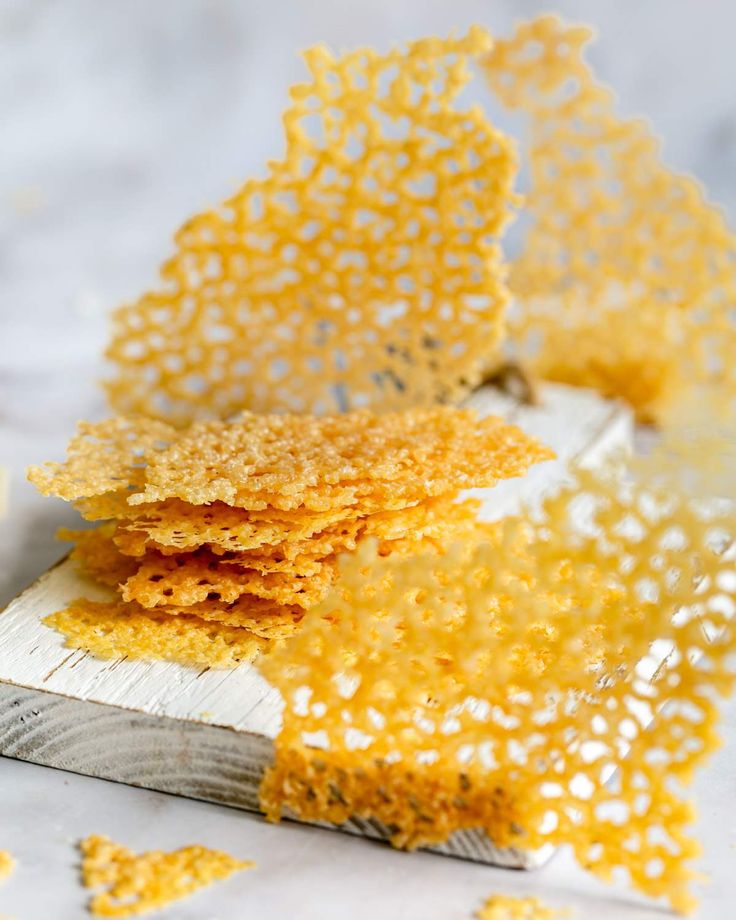
A Parmesan tuile is a thin, crispy wafer made by melting grated Parmesan cheese until it forms a delicate lace-like crisp.
The word tuile comes from French, meaning “tile,” because the classic version is curved like a roof tile. Chefs often shape the crisp over rolling pins, bowls, or bottles while it’s still warm.
The result:
crispy
intensely cheesy
beautifully golden
perfect for plating
It’s one of those little chef tricks that adds texture, flavor, and visual drama to a dish.
Parmesan tuile is a classic French culinary creation that originated in the world of fine dining. It is believed to have been invented as a way to showcase the unique flavors and textures of parmesan cheese in a delicate and visually appealing form.
Parmesan tuiles
Characteristics
Parmesan tuile is characterized by its thin, lacy texture and intense parmesan flavor. When baked, the tuile becomes crisp and light, adding a delightful crunch to dishes. It is both savory and salty, making it a perfect complement to a variety of ingredients and flavors.
How to make Parmesan Tuile ?
Parmesan Tuile or Crisp recipe
Parmesan tuile is a delicate and flavorful gastronomic creation made from parmesan cheese. It is a versatile and elegant addition to dishes, offering a crisp texture and intense umami taste.
Frying Pan
100 g Parmesan cheese
black pepper, herbs, or spices for flavor (optional)
Using oven
Preheat your oven to 375°F (190°C) and line a baking sheet with parchment paper or silicon mat
Sprinkle small mounds of grated parmesan cheese onto the prepared baking sheet, leaving enough space between them for spreading.
Gently flatten and spread out each mound of cheese using the back of a spoon or your fingers, creating thin, even circles or ovals.
Bake in the preheated oven for about 5-7 minutes, or until the tuiles turn a golden brown color and become crisp.
Remove the baking sheet from the oven and let the tuiles cool on the sheet for a few minutes to firm up.
Carefully transfer the tuiles to a wire rack to cool completely and become completely crisp.
Using Pan
Grate fresh Parmesan cheese finely. If desired, mix in black pepper, chopped herbs, or spices to enhance the flavor.
Heat a non-stick pan over medium heat. No oil or butter is needed since the cheese will release its natural fats.
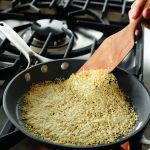
Place about 1 tablespoon of grated Parmesan cheese in the pan for each tuile. Spread it out lightly into a thin, even circle. Leave some space between each round as they will spread slightly.
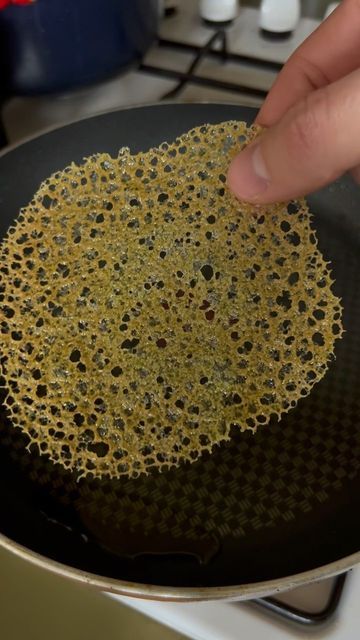
Let the cheese melt and bubble in the pan. It will transition from melted to golden and crispy. This usually takes 1-2 minutes.
Using a spatula, carefully flip the tuile to cook the other side for another 10-15 seconds. Be gentle, as the tuiles are delicate.
While still warm, remove the tuile from the pan and quickly drape it over a rolling pin, bowl, or any curved surface to create a classic tuile shape. If you prefer flat tuiles, let them cool on a flat surface.
Allow the tuiles to cool completely. They will harden as they cool, becoming crisp. Serve as a garnish, snack, or appetizer.
Using pan:
Use a non-stick pan or a well-seasoned cast-iron skillet to prevent sticking.
Work quickly when shaping, as the cheese cools and hardens rapidly.
Avoid high heat, as it can burn the cheese instead of crisping it.
Using oven:
Watch Closely While Baking: Parmesan tuiles cook quickly. Keep an eye on them to avoid overcooking or burning. Remove them from the oven once the edges turn golden.
Shape While Warm: Tuiles are easier to shape while they are still warm and pliable. If you want a curved tuile, drape them over a rolling pin or a bowl immediately after baking.
Gastronomy
Gastronomy
cheese crisp, cheese tuile, garnishes, gastronomy garnishes, how to make parmesan tuile in home, how to make tuile, parmesan crisp, parmesan tuile, parmesan tuile recipe, plating tuile, tuile, tuile recipe, tuiles for plating, what is parmesan tuile
Cooking Techniques for the Perfect Parmesan Tuile
1. Choose the Right Cheese
Not all Parmesan behaves the same way when melted.
Best choices:
Parmigiano Reggiano
Grana Padano
Aged Parmesan (24 months or more)
Avoid:
pre-shredded Parmesan
powdered Parmesan
Freshly grated cheese melts more evenly and gives that signature lace pattern.
2. Use Finely Grated Cheese
Texture matters a lot.
Finely grated Parmesan:
melts evenly
spreads into delicate lace
forms crisp edges
Use a microplane or fine grater for best results.
3. The Pan Method (Chef Favorite)
This is the most common restaurant technique.
Steps:
Heat a nonstick skillet on medium heat
Sprinkle about 1–2 tablespoons grated Parmesan into a small circle
Let the cheese melt and bubble
Cook until the edges turn golden brown
Lift carefully with a spatula
Total time: 1–2 minutes
4. The Oven Method
Great when making multiple tuiles.
Preheat oven to 180°C / 350°F
Line a tray with parchment paper
Make small circles of grated Parmesan
Bake 5–7 minutes until golden
This method produces very even, delicate crisps.
5. Shape the Tuile While Warm
The magic happens here.
As soon as the tuile comes off the heat:
You can place it over:
a rolling pin
a wine bottle
a small bowl
the back of a ladle
It hardens in 10–20 seconds, locking in the shape.
6. Achieving the Lacy Restaurant Look
For the famous lace texture:
keep the cheese layer thin
don't pack it tightly
allow small gaps between shreds
The cheese melts and spreads naturally, creating beautiful holes.
Substitutes
If you prefer a milder cheese flavor, you can substitute parmesan cheese with other hard cheeses like pecorino or grana padano. The method remains the same, but the flavor profile will be slightly different.
Variations
Parmesan tuiles can be customized with various additions to enhance the flavor. You can mix in finely chopped herbs like thyme, rosemary, or parsley into the grated cheese before baking. Additionally, you can sprinkle some black pepper or chili flakes on top for a hint of spice.
Chef Trick for Extra Flavor
A little trick many chefs use:
Mix Parmesan with a tiny bit of grated garlic or black pepper before cooking.
It gives the tuile an extra aromatic kick that pairs beautifully with soups, salads, and creamy pasta dishes.
Pairing
Parmesan tuiles pair well with a variety of dishes and ingredients. They can be served as an appetizer or garnish for soups, salads, or pasta dishes. They also make a delicious accompaniment to cheese and charcuterie boards. The savory and crispy nature of the tuiles can add texture and flavor to a wide range of culinary creations.
Frequently asked questions
Can I use pre-grated Parmesan cheese?
Freshly grated Parmesan is recommended for the best texture and flavor. Pre-grated cheese often contains anti-caking agents that may affect the texture.
What dishes pair well with Parmesan tuiles?
Parmesan tuiles are perfect as a garnish for soups, salads, or pasta dishes. They also make a fantastic snack or appetizer on their own.
Why is my Parmesan tuile greasy?
This usually happens when the cheese layer is too thick. A thin layer allows the fat to render evenly and creates a crisp texture.
Why didn’t my tuile get crispy?
Common reasons include:
too much cheese
low heat
removing it too early
The cheese needs to reach a golden brown color to become crisp.
What other cheeses can be used?
You can also try:
Grana Padano
Pecorino Romano
aged Cheddar
Comté
However, Parmesan produces the most classic lace texture.
What is a Parmesan Tuile?
A Parmesan tuile is a thin, crispy wafer made by melting grated Parmesan cheese until it forms a delicate lace-like crisp.
The word tuile comes from French, meaning “tile,” because the classic version is curved like a roof tile. Chefs often shape the crisp over rolling pins, bowls, or bottles while it’s still warm.
The result:
crispy
intensely cheesy
beautifully golden
perfect for plating
It’s one of those little chef tricks that adds texture, flavor, and visual drama to a dish.
Parmesan tuile is a classic French culinary creation that originated in the world of fine dining. It is believed to have been invented as a way to showcase the unique flavors and textures of parmesan cheese in a delicate and visually appealing form.
Parmesan tuiles
Characteristics
Parmesan tuile is characterized by its thin, lacy texture and intense parmesan flavor. When baked, the tuile becomes crisp and light, adding a delightful crunch to dishes. It is both savory and salty, making it a perfect complement to a variety of ingredients and flavors.
How to make Parmesan Tuile ?
Parmesan Tuile or Crisp recipe
Parmesan tuile is a delicate and flavorful gastronomic creation made from parmesan cheese. It is a versatile and elegant addition to dishes, offering a crisp texture and intense umami taste.
Frying Pan
100 g Parmesan cheese
black pepper, herbs, or spices for flavor (optional)
Using oven
Preheat your oven to 375°F (190°C) and line a baking sheet with parchment paper or silicon mat
Sprinkle small mounds of grated parmesan cheese onto the prepared baking sheet, leaving enough space between them for spreading.
Gently flatten and spread out each mound of cheese using the back of a spoon or your fingers, creating thin, even circles or ovals.
Bake in the preheated oven for about 5-7 minutes, or until the tuiles turn a golden brown color and become crisp.
Remove the baking sheet from the oven and let the tuiles cool on the sheet for a few minutes to firm up.
Carefully transfer the tuiles to a wire rack to cool completely and become completely crisp.
Using Pan
Grate fresh Parmesan cheese finely. If desired, mix in black pepper, chopped herbs, or spices to enhance the flavor.
Heat a non-stick pan over medium heat. No oil or butter is needed since the cheese will release its natural fats.
Place about 1 tablespoon of grated Parmesan cheese in the pan for each tuile. Spread it out lightly into a thin, even circle. Leave some space between each round as they will spread slightly.
Let the cheese melt and bubble in the pan. It will transition from melted to golden and crispy. This usually takes 1-2 minutes.
Using a spatula, carefully flip the tuile to cook the other side for another 10-15 seconds. Be gentle, as the tuiles are delicate.
While still warm, remove the tuile from the pan and quickly drape it over a rolling pin, bowl, or any curved surface to create a classic tuile shape. If you prefer flat tuiles, let them cool on a flat surface.
Allow the tuiles to cool completely. They will harden as they cool, becoming crisp. Serve as a garnish, snack, or appetizer.
Using pan:
Use a non-stick pan or a well-seasoned cast-iron skillet to prevent sticking.
Work quickly when shaping, as the cheese cools and hardens rapidly.
Avoid high heat, as it can burn the cheese instead of crisping it.
Using oven:
Watch Closely While Baking: Parmesan tuiles cook quickly. Keep an eye on them to avoid overcooking or burning. Remove them from the oven once the edges turn golden.
Shape While Warm: Tuiles are easier to shape while they are still warm and pliable. If you want a curved tuile, drape them over a rolling pin or a bowl immediately after baking.
Gastronomy
Gastronomy
cheese crisp, cheese tuile, garnishes, gastronomy garnishes, how to make parmesan tuile in home, how to make tuile, parmesan crisp, parmesan tuile, parmesan tuile recipe, plating tuile, tuile, tuile recipe, tuiles for plating, what is parmesan tuile
Cooking Techniques for the Perfect Parmesan Tuile
1. Choose the Right Cheese
Not all Parmesan behaves the same way when melted.
Best choices:
Parmigiano Reggiano
Grana Padano
Aged Parmesan (24 months or more)
Avoid:
pre-shredded Parmesan
powdered Parmesan
Freshly grated cheese melts more evenly and gives that signature lace pattern.
2. Use Finely Grated Cheese
Texture matters a lot.
Finely grated Parmesan:
melts evenly
spreads into delicate lace
forms crisp edges
Use a microplane or fine grater for best results.
3. The Pan Method (Chef Favorite)
This is the most common restaurant technique.
Steps:
Heat a nonstick skillet on medium heat
Sprinkle about 1–2 tablespoons grated Parmesan into a small circle
Let the cheese melt and bubble
Cook until the edges turn golden brown
Lift carefully with a spatula
Total time: 1–2 minutes
4. The Oven Method
Great when making multiple tuiles.
Preheat oven to 180°C / 350°F
Line a tray with parchment paper
Make small circles of grated Parmesan
Bake 5–7 minutes until golden
This method produces very even, delicate crisps.
5. Shape the Tuile While Warm
The magic happens here.
As soon as the tuile comes off the heat:
You can place it over:
a rolling pin
a wine bottle
a small bowl
the back of a ladle
It hardens in 10–20 seconds, locking in the shape.
6. Achieving the Lacy Restaurant Look
For the famous lace texture:
keep the cheese layer thin
don't pack it tightly
allow small gaps between shreds
The cheese melts and spreads naturally, creating beautiful holes.
Substitutes
If you prefer a milder cheese flavor, you can substitute parmesan cheese with other hard cheeses like pecorino or grana padano. The method remains the same, but the flavor profile will be slightly different.
Variations
Parmesan tuiles can be customized with various additions to enhance the flavor. You can mix in finely chopped herbs like thyme, rosemary, or parsley into the grated cheese before baking. Additionally, you can sprinkle some black pepper or chili flakes on top for a hint of spice.
Chef Trick for Extra Flavor
A little trick many chefs use:
Mix Parmesan with a tiny bit of grated garlic or black pepper before cooking.
It gives the tuile an extra aromatic kick that pairs beautifully with soups, salads, and creamy pasta dishes.
Pairing
Parmesan tuiles pair well with a variety of dishes and ingredients. They can be served as an appetizer or garnish for soups, salads, or pasta dishes. They also make a delicious accompaniment to cheese and charcuterie boards. The savory and crispy nature of the tuiles can add texture and flavor to a wide range of culinary creations.
Frequently asked questions
Can I use pre-grated Parmesan cheese?
Freshly grated Parmesan is recommended for the best texture and flavor. Pre-grated cheese often contains anti-caking agents that may affect the texture.
What dishes pair well with Parmesan tuiles?
Parmesan tuiles are perfect as a garnish for soups, salads, or pasta dishes. They also make a fantastic snack or appetizer on their own.
Why is my Parmesan tuile greasy?
This usually happens when the cheese layer is too thick. A thin layer allows the fat to render evenly and creates a crisp texture.
Why didn’t my tuile get crispy?
Common reasons include:
too much cheese
low heat
removing it too early
The cheese needs to reach a golden brown color to become crisp.
What other cheeses can be used?
You can also try:
Grana Padano
Pecorino Romano
aged Cheddar
Comté
However, Parmesan produces the most classic lace texture.