Homemade Pizza Dough: A Dough-Licious Journey Worth Taking
Pizza is more than just food—it’s a love language, a celebration, and sometimes, the ultimate comfort on a lazy evening. And the heart of every great pizza is its dough. Homemade pizza dough is not just a recipe; it’s an art form, a science, and a little bit of magic all rolled into one. Let’s dive into the fascinating world of homemade pizza dough, unravel its mysteries, and master its craft with some tips, stories, and, of course, buttery enthusiasm.
Let’s be real: making pizza dough can either make you feel like an Italian nonna... or a flour-covered mad scientist. But trust me — once you get this down, your Friday nights will never be the same again.
This isn’t just any pizza dough. It’s soft, stretchy, crisp in all the right places, and rises like it just got a pep talk from the yeast gods.
At its core, pizza dough is a simple combination of flour, water, yeast, salt, and olive oil. These humble ingredients, when mixed, kneaded, and allowed to rest, transform into a stretchy, airy dough that becomes the foundation for countless pizza masterpieces. The beauty of pizza dough lies in its versatility. It’s not just a base, it’s a canvas. It can be thin and crispy for those who love a light bite, or thick and chewy for those who crave substance.
When baked, the dough puffs up, creating pockets of air that make the crust wonderfully light yet robust enough to hold toppings. It’s all about achieving the perfect balance between chewiness and crunch, and that’s where technique comes into play. The secret to great pizza dough is giving it time to rise, which allows the yeast to work its magic, developing both flavor and texture.
The Origins of Pizza Dough: A Tasty Trip Through Time
The history of pizza dough begins in Naples, Italy, where it was crafted as a humble street food for the working class in the 18th century. Bakers used the simplest ingredients—flour, water, and yeast—to create a dough that was affordable and filling. The game-changer came in 1889, when Queen Margherita of Savoy visited Naples. A pizzaiolo named Raffaele Esposito created a special pizza with tomatoes, mozzarella, and basil to represent the Italian flag. The queen adored it, and the "Pizza Margherita" became an instant classic.
But the story of dough goes even further back. Ancient Egyptians are believed to have been the first to ferment grains, creating flatbreads that are the ancestors of modern pizza dough. The Greeks later brought their own version of flatbreads to Italy, laying the groundwork for what we now call pizza. Curious about the deeper history of pizza? Check this detailed guide!
Ever wondered why your pizza dough tears, shrinks, or doesn’t puff? Stick with me—this guide will fix all that.
Why I Fell in Love with Homemade Pizza Dough
The first time I tried making pizza dough, I was both nervous and excited. I had visions of tossing dough into the air like a professional pizzaiolo, but reality was less glamorous. My dough stuck to everything—my hands, the counter, even my dog’s nose (don’t ask!). But when I pulled my first homemade pizza out of the oven, the golden, slightly charred crust made every flour-covered moment worth it. Now, pizza nights at home are a cherished tradition, complete with creative toppings and lots of laughs.
Store-bought dough is convenient, but it can’t hold a candle to the flavor, texture, and satisfaction of homemade dough. Making your own dough allows you to control every aspect, from hydration levels to the type of flour, ensuring a truly personalized pizza experience. Plus, kneading dough is oddly therapeutic, and the aroma of fresh-baked crust wafting through your kitchen is unbeatable.
Variations and Substitutes: Because One Dough Doesn’t Fit All
The beauty of pizza dough lies in its adaptability. It’s like a culinary chameleon—ready to suit any taste or dietary preference. Let’s explore some popular twists:
Classic Neapolitan Dough
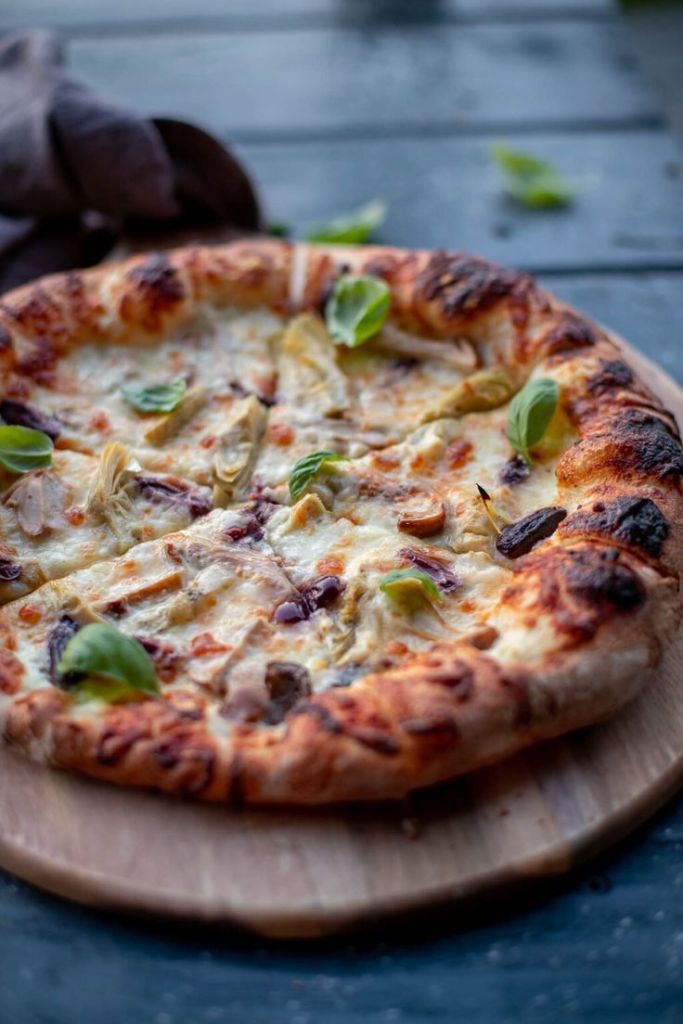
What makes it special? This is the OG of pizza dough. It’s soft, chewy, and slightly charred when baked at a blistering 900°F in a wood-fired oven.
Preheat your oven with a pizza stone for max crispiness
Brush the crust with garlic oil or butter before baking
Want extra air bubbles? Let the dough rest overnight in the fridge (aka cold fermentation)
Slide onto a hot surface for an instant crust puff-up 🔥
Pair It With...
A glass of Chianti or sparkling water with lemon
A fresh Caesar salad
Homemade herb butter dip for your crusts
Or... more pizza 🍕
Fun Fact
Did you know the first Margherita pizza was created in 1889 in honor of Queen Margherita of Savoy? The toppings—tomato, mozzarella, and basil—represent the Italian flag!
So, next time you’re crafting pizza dough, remember: you’re not just making dinner; you’re continuing a delicious legacy with room for endless creativity.
The Best Ingredients for Pizza Dough Mastery
When it comes to making the ultimate pizza dough, quality ingredients make all the difference. Using Italian '00' flour results in an incredibly smooth and elastic dough, perfect for authentic Neapolitan pizza. Bread flour is another great choice, offering a chewier crust thanks to its higher protein content. Opt for fine sea salt for better flavor integration, and extra virgin olive oil for richness and flexibility. And don’t underestimate the importance of fresh yeast—it’s the soul of your dough, after all.
Essential Tools for Perfect Pizza Dough
Crafting pizza dough is easier with the right equipment. A digital scale ensures precision, while a stand mixer saves your arms from the workout of kneading. A dough scraper helps you manage sticky dough like a pro, and a pizza stone or steel can take your crust from good to extraordinary. For rolling out dough, a wooden or silicone rolling pin works wonders, though hand-stretching is always an option for that rustic feel.
Events and Festivals That Celebrate Pizza
Pizza lovers, rejoice! February 9th is World Pizza Day, a global celebration of all things pizza. Naples, the birthplace of pizza, hosts an annual pizza festival where master pizzaiolos showcase their skills. And if you’ve ever wanted to visit pizza heaven, head to the United States Pizza Museum in Chicago for a slice of history and fun.
World Pizza Day (February 9): A global celebration of all things pizza.
Naples Pizza Festival: An annual event in Naples honoring authentic pizza-making traditions.
Margherita Day: Celebrates the iconic pizza named after Queen Margherita.
Conclusion
Making pizza dough from scratch is more than just cooking—it’s a joyful adventure. Whether it’s for a family dinner, a date night, or a pizza party with friends, this recipe will have everyone singing your praises. The beauty of homemade dough is its flexibility—you can adapt it to suit your preferences, experiment with flavors, and create something truly yours.
So, roll up your sleeves, dust your countertop with flour, and get ready to bring a slice of Italy to your kitchen. After all, nothing beats the taste of pizza made with love.
Homemade Pizza Dough: A Dough-Licious Journey Worth Taking
Pizza is more than just food—it’s a love language, a celebration, and sometimes, the ultimate comfort on a lazy evening. And the heart of every great pizza is its dough. Homemade pizza dough is not just a recipe; it’s an art form, a science, and a little bit of magic all rolled into one. Let’s dive into the fascinating world of homemade pizza dough, unravel its mysteries, and master its craft with some tips, stories, and, of course, buttery enthusiasm.
Let’s be real: making pizza dough can either make you feel like an Italian nonna... or a flour-covered mad scientist. But trust me — once you get this down, your Friday nights will never be the same again.
This isn’t just any pizza dough. It’s soft, stretchy, crisp in all the right places, and rises like it just got a pep talk from the yeast gods.
At its core, pizza dough is a simple combination of flour, water, yeast, salt, and olive oil. These humble ingredients, when mixed, kneaded, and allowed to rest, transform into a stretchy, airy dough that becomes the foundation for countless pizza masterpieces. The beauty of pizza dough lies in its versatility. It’s not just a base, it’s a canvas. It can be thin and crispy for those who love a light bite, or thick and chewy for those who crave substance.
When baked, the dough puffs up, creating pockets of air that make the crust wonderfully light yet robust enough to hold toppings. It’s all about achieving the perfect balance between chewiness and crunch, and that’s where technique comes into play. The secret to great pizza dough is giving it time to rise, which allows the yeast to work its magic, developing both flavor and texture.
The Origins of Pizza Dough: A Tasty Trip Through Time
The history of pizza dough begins in Naples, Italy, where it was crafted as a humble street food for the working class in the 18th century. Bakers used the simplest ingredients—flour, water, and yeast—to create a dough that was affordable and filling. The game-changer came in 1889, when Queen Margherita of Savoy visited Naples. A pizzaiolo named Raffaele Esposito created a special pizza with tomatoes, mozzarella, and basil to represent the Italian flag. The queen adored it, and the "Pizza Margherita" became an instant classic.
But the story of dough goes even further back. Ancient Egyptians are believed to have been the first to ferment grains, creating flatbreads that are the ancestors of modern pizza dough. The Greeks later brought their own version of flatbreads to Italy, laying the groundwork for what we now call pizza. Curious about the deeper history of pizza? Check this detailed guide!
Ever wondered why your pizza dough tears, shrinks, or doesn’t puff? Stick with me—this guide will fix all that.
Why I Fell in Love with Homemade Pizza Dough
The first time I tried making pizza dough, I was both nervous and excited. I had visions of tossing dough into the air like a professional pizzaiolo, but reality was less glamorous. My dough stuck to everything—my hands, the counter, even my dog’s nose (don’t ask!). But when I pulled my first homemade pizza out of the oven, the golden, slightly charred crust made every flour-covered moment worth it. Now, pizza nights at home are a cherished tradition, complete with creative toppings and lots of laughs.
Store-bought dough is convenient, but it can’t hold a candle to the flavor, texture, and satisfaction of homemade dough. Making your own dough allows you to control every aspect, from hydration levels to the type of flour, ensuring a truly personalized pizza experience. Plus, kneading dough is oddly therapeutic, and the aroma of fresh-baked crust wafting through your kitchen is unbeatable.
Variations and Substitutes: Because One Dough Doesn’t Fit All
The beauty of pizza dough lies in its adaptability. It’s like a culinary chameleon—ready to suit any taste or dietary preference. Let’s explore some popular twists:
Classic Neapolitan Dough
What makes it special? This is the OG of pizza dough. It’s soft, chewy, and slightly charred when baked at a blistering 900°F in a wood-fired oven.
Preheat your oven with a pizza stone for max crispiness
Brush the crust with garlic oil or butter before baking
Want extra air bubbles? Let the dough rest overnight in the fridge (aka cold fermentation)
Slide onto a hot surface for an instant crust puff-up 🔥
Pair It With...
A glass of Chianti or sparkling water with lemon
A fresh Caesar salad
Homemade herb butter dip for your crusts
Or... more pizza 🍕
Fun Fact
Did you know the first Margherita pizza was created in 1889 in honor of Queen Margherita of Savoy? The toppings—tomato, mozzarella, and basil—represent the Italian flag!
So, next time you’re crafting pizza dough, remember: you’re not just making dinner; you’re continuing a delicious legacy with room for endless creativity.
The Best Ingredients for Pizza Dough Mastery
When it comes to making the ultimate pizza dough, quality ingredients make all the difference. Using Italian '00' flour results in an incredibly smooth and elastic dough, perfect for authentic Neapolitan pizza. Bread flour is another great choice, offering a chewier crust thanks to its higher protein content. Opt for fine sea salt for better flavor integration, and extra virgin olive oil for richness and flexibility. And don’t underestimate the importance of fresh yeast—it’s the soul of your dough, after all.
Essential Tools for Perfect Pizza Dough
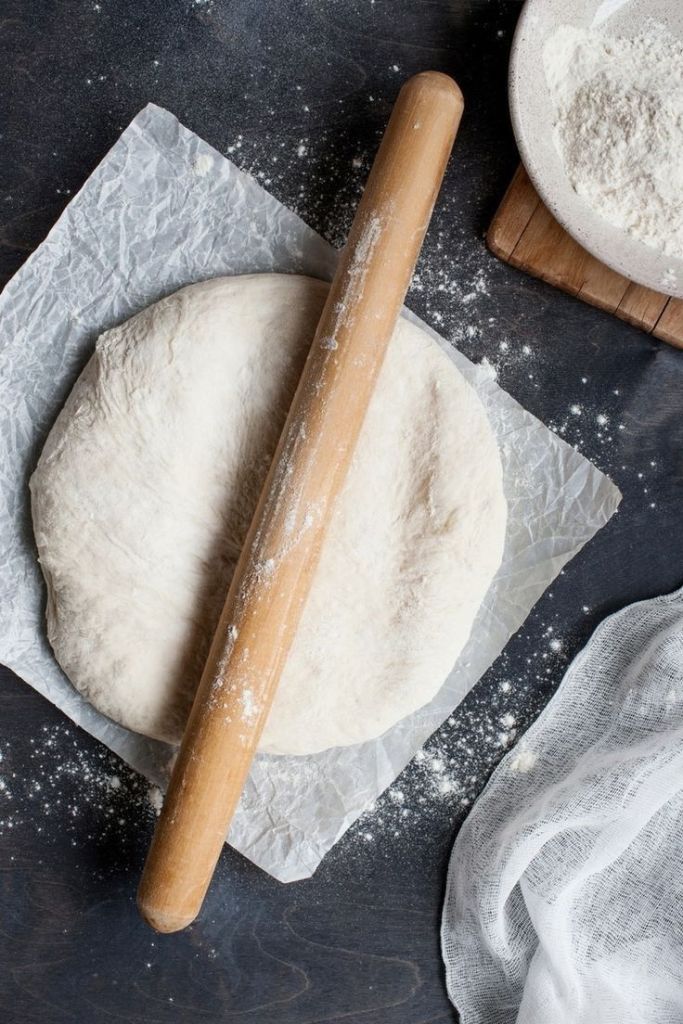
Crafting pizza dough is easier with the right equipment. A digital scale ensures precision, while a stand mixer saves your arms from the workout of kneading. A dough scraper helps you manage sticky dough like a pro, and a pizza stone or steel can take your crust from good to extraordinary. For rolling out dough, a wooden or silicone rolling pin works wonders, though hand-stretching is always an option for that rustic feel.
Events and Festivals That Celebrate Pizza
Pizza lovers, rejoice! February 9th is World Pizza Day, a global celebration of all things pizza. Naples, the birthplace of pizza, hosts an annual pizza festival where master pizzaiolos showcase their skills. And if you’ve ever wanted to visit pizza heaven, head to the United States Pizza Museum in Chicago for a slice of history and fun.
World Pizza Day (February 9): A global celebration of all things pizza.
Naples Pizza Festival: An annual event in Naples honoring authentic pizza-making traditions.
Margherita Day: Celebrates the iconic pizza named after Queen Margherita.
Conclusion
Making pizza dough from scratch is more than just cooking—it’s a joyful adventure. Whether it’s for a family dinner, a date night, or a pizza party with friends, this recipe will have everyone singing your praises. The beauty of homemade dough is its flexibility—you can adapt it to suit your preferences, experiment with flavors, and create something truly yours.
So, roll up your sleeves, dust your countertop with flour, and get ready to bring a slice of Italy to your kitchen. After all, nothing beats the taste of pizza made with love.