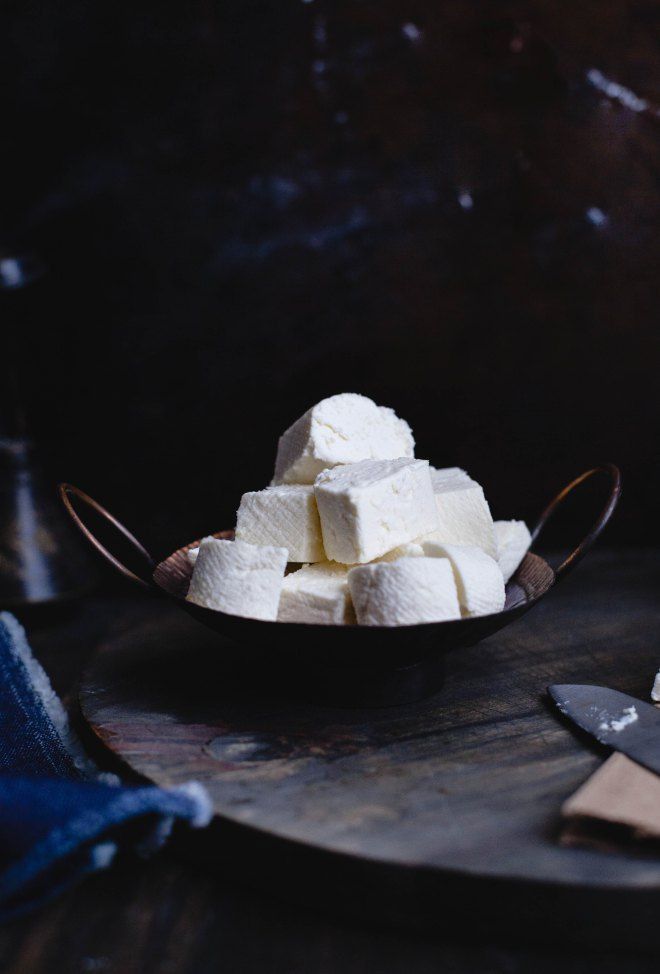
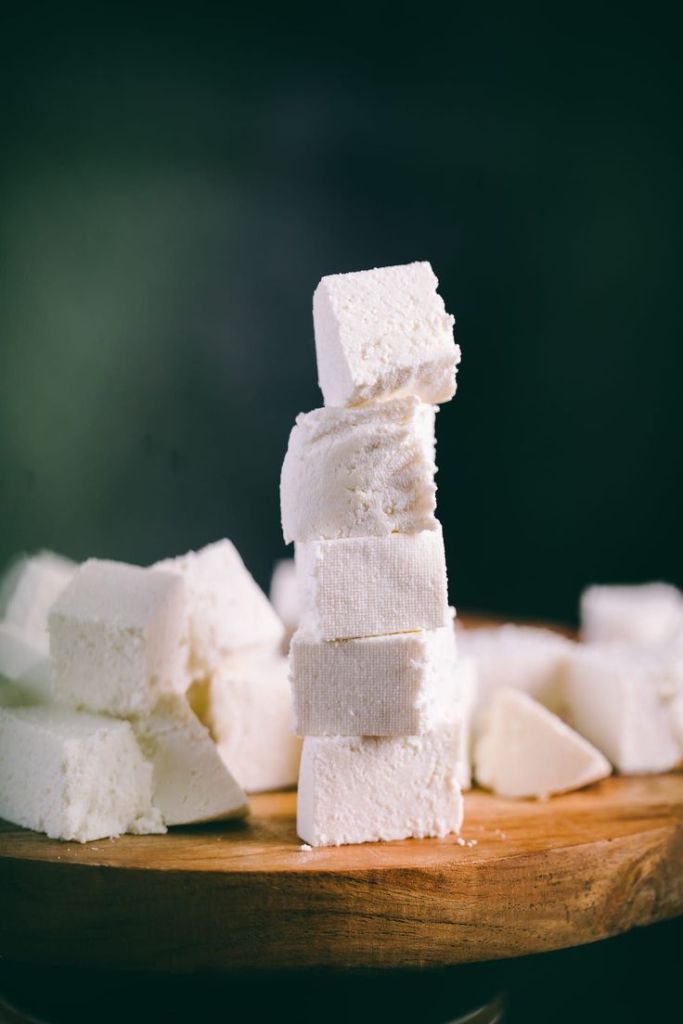
Paneer is a fresh, non-melting Indian cheese made by curdling hot milk with an acid like lemon juice or vinegar, then draining and pressing the curds into a solid block. Unlike European cheese, it doesn’t use rennet, so it’s fully vegetarian.
Why make paneer at home instead of buying it?
Fresh homemade paneer tastes cleaner, softer, and more delicate. Many store-bought versions have preservatives, overly firm textures, or additives. Making it at home gives you control over texture - soft for salads or firm for grilling and it’s surprisingly easy
Milk may not curdle if it’s not hot enough, or the acid added isn’t sufficient. Make sure the milk is fully boiling, then add your lemon juice or vinegar slowly while stirring gently. If it still doesn’t separate, add a little more acid.
How do I get the texture right - soft but not crumbly?
Texture depends on:
Milk type: Full-fat milk gives the best results.
Draining method: Press longer for firm paneer; less pressing yields softer paneer.
Rinse curds: Rinsing removes excess acidity so the flavor stays mild.
Proper pressing makes the biggest difference. Don’t rush it.
Can I use low-fat milk?
Yes but it will yield less paneer that’s drier and firmer. For creamier, softer paneer, always choose full-fat.
Which acid should I use - lemon or vinegar?
Lemon juice gives a fresh, slightly bright flavor, while vinegar works fine if you want neutrality. Yogurt or buttermilk can also curdle milk in a pinch.
How long does homemade paneer last?
Paneer stays fresh in the fridge for about 3–5 days if stored properly. Keep it in an airtight container or submerged in cold water, changing the water daily to prevent dryness.
What do I do with the leftover whey?
Don’t throw it away! Whey is packed with nutrients and protein. Use it in:
Smoothies or juices
Soups or stews instead of stock
Breads or pancake batter
Fermented sauces
It’s a secret chef hack for flavor and nutrition.
Why is my homemade paneer rubbery?
This happens when milk is overheated after curdling, or the curds are pressed too firmly. Next time:
Remove from heat as soon as milk separates
Press gently for a softer texture
How much paneer can I make from 1 liter of milk?
About 200–250 g of paneer from 1 liter of full-fat milk, depending on milk quality and how much whey is lost.
Final Thoughts
Paneer is simple.
But simplicity done right? That’s skill.
Once you make it at home, you start trusting your kitchen more.
And honestly?
That’s where real cooking begins.
There’s something deeply satisfying about making paneer at home.
Milk boils. You add lemon. And suddenly magic.
Curds separate like they’ve been waiting for this moment.
And you stand there thinking, “Why did I ever buy this from the store?”
Paneer is simple. But it’s not basic. It’s powerful.
And once you understand it, you start cooking differently.
Paneer is a fresh, non-melting Indian cheese made by curdling hot milk with an acid like lemon juice or vinegar, then draining and pressing the curds into a solid block. Unlike European cheese, it doesn’t use rennet, so it’s fully vegetarian.
Why make paneer at home instead of buying it?
Fresh homemade paneer tastes cleaner, softer, and more delicate. Many store-bought versions have preservatives, overly firm textures, or additives. Making it at home gives you control over texture - soft for salads or firm for grilling and it’s surprisingly easy
Milk may not curdle if it’s not hot enough, or the acid added isn’t sufficient. Make sure the milk is fully boiling, then add your lemon juice or vinegar slowly while stirring gently. If it still doesn’t separate, add a little more acid.
How do I get the texture right - soft but not crumbly?
Texture depends on:
Milk type: Full-fat milk gives the best results.
Draining method: Press longer for firm paneer; less pressing yields softer paneer.
Rinse curds: Rinsing removes excess acidity so the flavor stays mild.
Proper pressing makes the biggest difference. Don’t rush it.
Can I use low-fat milk?
Yes but it will yield less paneer that’s drier and firmer. For creamier, softer paneer, always choose full-fat.
Which acid should I use - lemon or vinegar?
Lemon juice gives a fresh, slightly bright flavor, while vinegar works fine if you want neutrality. Yogurt or buttermilk can also curdle milk in a pinch.
How long does homemade paneer last?
Paneer stays fresh in the fridge for about 3–5 days if stored properly. Keep it in an airtight container or submerged in cold water, changing the water daily to prevent dryness.
What do I do with the leftover whey?
Don’t throw it away! Whey is packed with nutrients and protein. Use it in:
Smoothies or juices
Soups or stews instead of stock
Breads or pancake batter
Fermented sauces
It’s a secret chef hack for flavor and nutrition.
Why is my homemade paneer rubbery?
This happens when milk is overheated after curdling, or the curds are pressed too firmly. Next time:
Remove from heat as soon as milk separates
Press gently for a softer texture
How much paneer can I make from 1 liter of milk?
About 200–250 g of paneer from 1 liter of full-fat milk, depending on milk quality and how much whey is lost.
Final Thoughts
Paneer is simple.
But simplicity done right? That’s skill.
Once you make it at home, you start trusting your kitchen more.