Seafood Laksa – Bold, Creamy & Seriously Addictive
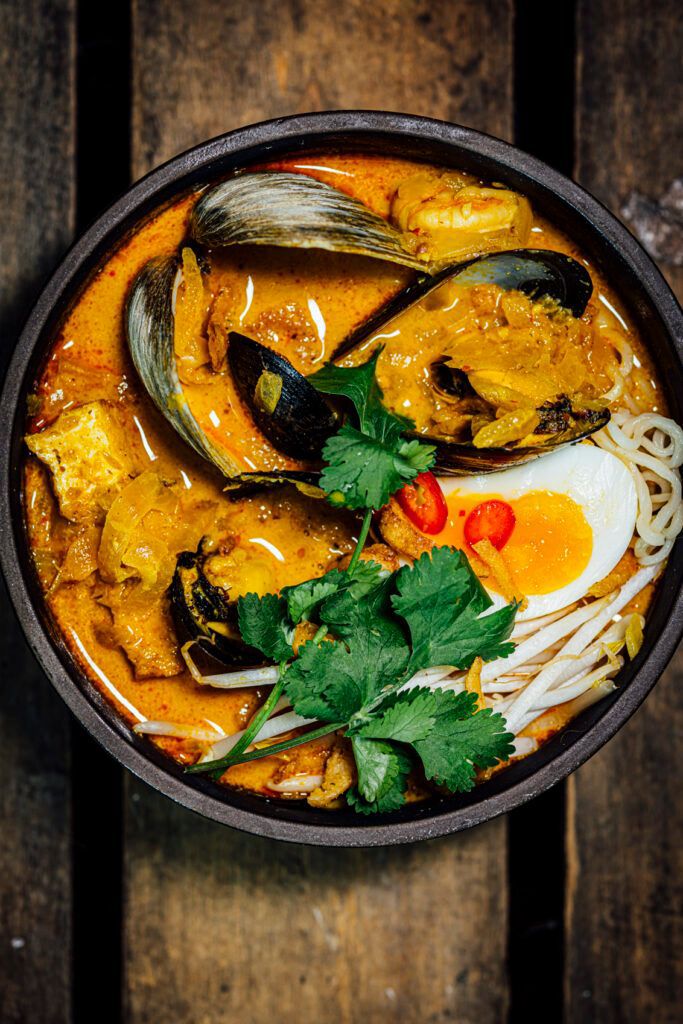
The kind of bowl ( seafood laksa ) that makes you pause mid-bite and go… okay, this is special.
There’s comfort food… and then there’s laksa – rich, spicy, coconutty, and layered with flavors that don’t just sit on your tongue, they build.
You get heat, sweetness, umami, freshness – all in one spoonful. And when seafood enters the picture?
👉 It turns into something ridiculously luxurious.
Table of contents
- What Is Seafood Laksa?
- Flavor Profile (Why It Hits So Hard)
- Origin of Seafood laksa
- What Makes a GREAT Laksa (Chef Truth)
- Key Ingredients Explained
- Types of Laksa (Quick Breakdown)
- Recipe for Seafood Laksa
- What to Serve With Seafood Laksa
- Frequently asked questions
- Chef Tips (This Is Where It Levels Up)
What Is Seafood Laksa?
Seafood laksa is a Southeast Asian noodle soup built on:
- A coconut curry broth
- A fragrant spice paste
- Rice noodles
- Fresh seafood like shrimp, mussels, fish, or squid
It’s especially loved in Malaysia and Singapore, where laksa isn’t just food, it’s identity.

Flavor Profile (Why It Hits So Hard)
- 🥥 Creamy → coconut milk
- 🌶️ Spicy → chilies + paste
- 🦐 Umami → seafood + fish sauce
- 🍋 Fresh → lime + herbs
👉 The magic = balance.
Too rich? It feels heavy. Too spicy? It loses depth.
Get it right → restaurant-level wow.
Origin of Seafood laksa
Laksa is believed to have originated in the Peranakan (Nyonya) communities of Southeast Asia – a fusion culture formed by Chinese immigrants and local Malay traditions.
👉 Think of it as culinary blending at its finest:
- Chinese noodles + techniques
- Malay spices + herbs
The result?
👉 A dish that’s layered, complex, and totally unique.
What Makes a GREAT Laksa (Chef Truth)
- The paste must be cooked properly (no raw taste)
- Coconut milk should be gently simmered, not boiled
- Seafood must be perfectly cooked — not rubbery
- Final balance = salty + sweet + spicy + fresh
👉 Laksa isn’t hard… but it punishes shortcuts.
Key Ingredients Explained
Laksa Paste (Flavor Core)
- Chilies → heat
- Garlic + ginger → depth
- Lemongrass → citrus aroma
- Shrimp paste → umami punch
Coconut Milk
Gives body and richness
👉 Use full-fat for authentic flavor
Noodles
Rice noodles = best
They absorb flavor without competing
Seafood
- Shrimp → sweetness
- Mussels/clams → ocean depth
- Fish → soft texture
👉 Mix = complexity

Types of Laksa (Quick Breakdown)
| Type | Base | Flavor |
|---|---|---|
| Curry Laksa | Coconut milk | Rich, creamy, spicy |
| Assam Laksa | Tamarind | Sour, fishy, lighter |
👉 Seafood laksa usually = curry laksa style
Recipe for Seafood Laksa
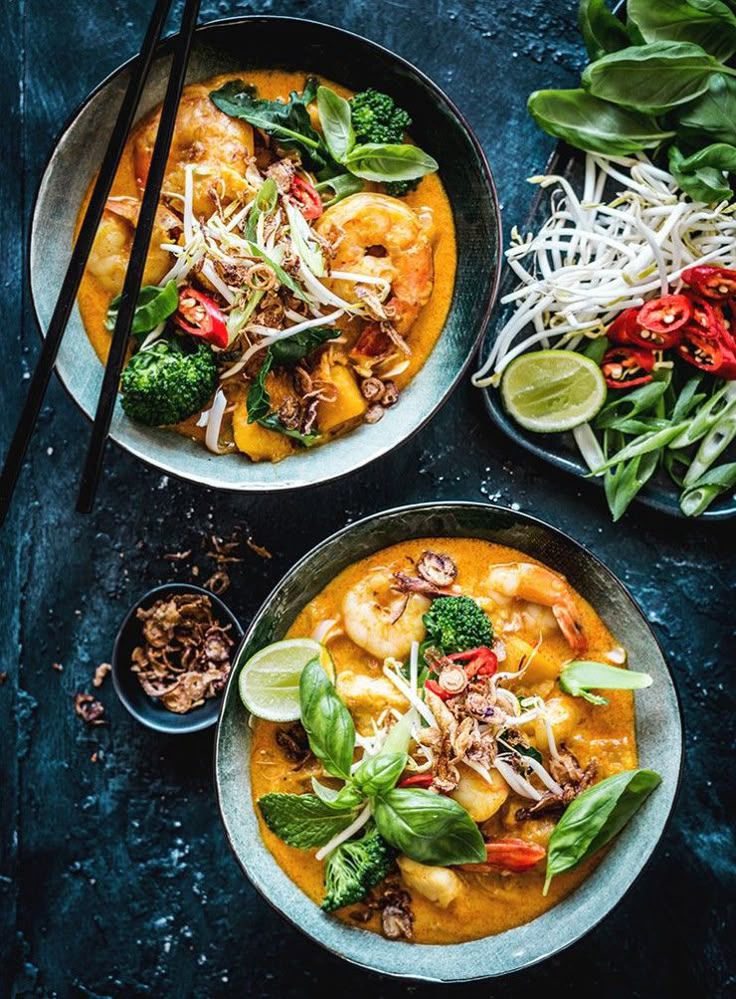
Malaysian Seafood Laksa recipe
Equipment
- Blender or food processor for laksa paste
- Large pot or deep saucepan for broth
- Medium pot for boiling noodles
- Strainer or Colander
Ingredients
Laksa Paste:
- 3-4 dried red chilies soaked
- 2 garlic cloves
- 1 inch ginger
- 1 stalk lemongrass
- 1 small onion
- 1 tbsp shrimp paste optional
Broth:
- 400 ml coconut milk
- 500 ml seafood/chicken stock
- 1 tbsp oil
- 1 tbsp fish sauce
- 1 tsp sugar
Seafood & Noodles:
- 200 g shrimp
- 150 g mussels/clams
- 150 g fish or squid
- 200 g rice noodles
Garnish:
- Bean sprouts
- Fresh coriander
- Lime wedges
- Chili oil
Instructions
Prepare the Laksa Paste
- Soak dried chilies in hot water (10–15 minutes) until soft3-4 dried red chilies
- Drain and blend with: Garlic, Ginger, Lemongrass, onion, shrimp paste2 garlic cloves, 1 inch ginger, 1 stalk lemongrass, 1 small onion, 1 tbsp shrimp paste
- 👉 Blend into a thick, slightly coarse paste (not watery)
Cook the Paste (Critical Step)
- Heat 1 tbsp oil in a pot over medium heat1 tbsp oil
- Add paste and cook for 3–5 minutes
- You’re looking for: Oil slightly separating, Aroma turning deep and fragrant.
- 👉 If it still smells raw → keep cooking
Build the Broth
- Add stock + coconut milk in th cooked paste.500 ml seafood/chicken stock, 400 ml coconut milk
- Stir and bring to a gentle simmer (not boil)
- Season with: Fish sauce, Sugar1 tbsp fish sauce, 1 tsp sugar
- 👉 Taste here – it should already feel balanced
Cook the Seafood (Timing Matters)
- Add seafood in this order: Fish (takes longest), Shrimp, Musseles/ clams ( last – they cook fast )200 g shrimp, 150 g mussels/clams, 150 g fish or squid
- 👉 Cook just until done: Shrimp → pink and curled, Mussels → opened . ⚠️ Overcooking = rubbery texture
Prepare the Noodles
- Soak or boil rice noodles according to package200 g rice noodles
- Drain and lightly toss to prevent sticking
Assemble the Bowl
- Add noodles to serving bowl
- Pour hot broth + seafood over
- Top with: Bean sprouts, Fresh herbs, Lime wedge, Chili oilBean sprouts, Fresh coriander, Lime wedges, Chili oil
- 👉 Finish with lime juice right before eating
Notes
- Do not boil coconut milk aggressively → it can split
- Always cook paste properly → raw paste = flat flavor
- Balance is key → adjust salt (fish sauce), sweetness, and acidity
- Use fresh seafood → frozen is okay, but thaw properly
- Let broth rest 3–5 minutes before serving → flavors settle
Nutrition
What to Serve With Seafood Laksa


- Lime wedges (non-negotiable)
- Chili oil or sambal
- Fresh herbs + bean sprouts
- Iced tea or light beer
Frequently asked questions
| Question | What’s Really Happening | Practical Fix / Answer |
|---|---|---|
| Why is my laksa too watery? | Broth not reduced or too much stock added. | Simmer longer to concentrate flavor and slightly thicken. |
| Why does my laksa taste bland? | Paste not cooked enough or weak seasoning. | Fry paste properly and adjust salt (fish sauce) + sugar. |
| Can I make laksa without shrimp paste? | Shrimp paste adds umami depth. | Skip or replace with fish sauce, but flavor will be lighter. |
| Why is my coconut milk splitting? | Heat too high during cooking. | Keep heat medium-low and avoid boiling aggressively. |
| What seafood works best in laksa? | Different seafood adds different textures. | Use a mix: shrimp, fish, mussels, squid for balance. |
| Can I make laksa ahead of time? | Seafood overcooks when reheated. | Prepare broth ahead, cook seafood fresh before serving. |
| Which noodles are best for laksa? | Texture matters for absorbing broth. | Use rice noodles — thin or medium thickness. |
| How do I control spice level? | Chili quantity directly impacts heat. | Reduce chilies or add coconut milk to balance heat. |
| Why is my laksa too thick? | Too much coconut milk or reduced too much. | Add stock gradually to loosen consistency. |
| Can I freeze laksa? | Coconut broth freezes well, seafood doesn’t. | Freeze broth only; add fresh seafood later. |
| What gives laksa its authentic taste? | Balance of paste, coconut, and umami. | Use lemongrass, shrimp paste, and proper seasoning. |
| Can I make vegetarian laksa? | Traditional uses seafood or meat. | Use tofu, mushrooms, and vegetable stock instead. |
| Why is my seafood rubbery? | Overcooking. | Cook seafood briefly and remove from heat quickly. |
| How do I enhance laksa flavor? | Flavor comes from layers. | Add lime juice, fresh herbs, and chili oil before serving. |
Chef Tips (This Is Where It Levels Up)
- Toast spices lightly before blending → deeper flavor
- Add seafood in stages → perfect texture
- Finish with lime → wakes everything up
- Let broth rest 5 minutes before serving → flavors settle
Final Thoughts
Seafood laksa isn’t subtle – and that’s the point.
It’s bold, layered, slightly messy, and completely addictive.
👉 When done right, it’s not just a meal… it’s a full sensory experience.